Are Car Speakers Universal? Essential Facts for Your Upgrade
When you want to upgrade your car’s sound system, one of the first questions that comes up is: Are car speakers universal? Many car owners hope they can buy any set of speakers, plug them in, and enjoy better sound right away. But the reality is more complex. This guide explains what “universal” really means for car speakers, why not all speakers fit every car, and what you need to know before buying. We’ll cover compatibility, key measurements, common mistakes, and helpful tips for every beginner.
What Does “universal” Mean For Car Speakers?
The word universal sounds simple, but in the world of car audio, it rarely means “fits all.” Most car speakers are designed in common sizes, but cars themselves have many differences. Universal usually means the speaker fits into a wide range of vehicles, not every single one.
- Universal fit speakers often have standard shapes and mounting holes.
- Some brands make “vehicle-specific” speakers for certain car models.
- Even if the diameter matches, the depth, wiring, and connector types may not.
A key insight: Even if a speaker is labeled “universal,” you need to check your car’s details to ensure it will fit and work properly.
Main Factors That Affect Car Speaker Compatibility
Before you buy, it’s important to understand what makes a speaker “fit” your car. Here are the most important factors:
1. Speaker Size (diameter)
Car speakers come in a few standard sizes:
- 6.5-inch: Most common for doors and rear decks.
- 6×9-inch: Common for rear decks in sedans.
- 5.25-inch: Used in smaller doors or dashboards.
- 4-inch and 5×7-inch: Less common, but found in some cars.
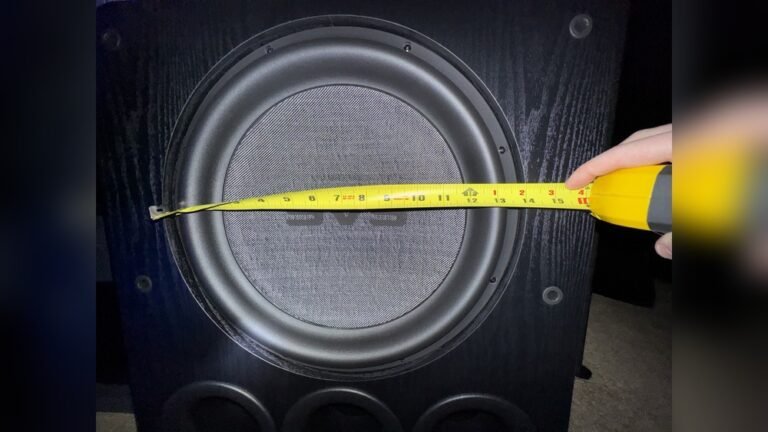
Important: The listed size is the diameter of the speaker cone, not the full frame. Always measure the cutout in your car, not just the old speaker.
2. Mounting Depth
The mounting depth is how deep the speaker sits inside the door or panel. Even if the diameter fits, a speaker that’s too deep will hit the window or inside of the door.
- Most standard car doors allow speakers up to 2.5 inches deep.
- Some cars, especially compact ones, only allow 1.5 inches or less.
Practical tip: Use a ruler to measure the depth from the mounting surface to the window when it’s rolled down.
3. Speaker Shape And Mounting
Speakers are usually round or oval. Some cars use unique shapes or have custom brackets.
- Round speakers are more likely to fit in most cars.
- Oval (6×9 or 5×7) are often used in rear decks.
Check the mounting holes: Some universal speakers include extra holes or adapters, but not all.
4. Power Handling And Impedance
Car stereos and speakers need to match in terms of wattage and ohms (impedance).
- Most car speakers are 4 ohms.
- Factory radios usually send 10-20 watts RMS per channel.
- Aftermarket stereos and amplifiers may need speakers that handle more power.
If the power and impedance don’t match, you could get poor sound or even damage your equipment.
5. Wiring And Connectors
Factory speakers often use special plugs. Universal speakers usually have simple wire tabs.
- You may need to cut and splice wires or buy adapter harnesses.
- Some universal speakers come with plug adapters for popular car brands.
Non-obvious insight: Many beginners are surprised that “plug and play” is rare—most installs require at least minor wiring work.
Example: Comparing Speaker Sizes In Popular Cars
Let’s look at a few real-world car models and their factory speaker sizes.
| Car Model | Front Door Speaker Size | Rear Speaker Size |
|---|---|---|
| Toyota Camry | 6.5-inch | 6×9-inch |
| Honda Civic | 6.5-inch | 6.5-inch |
| Ford F-150 | 6×8-inch | 6×8-inch |
| Chevrolet Malibu | 6.5-inch | 6×9-inch |
| Volkswagen Golf | 6.5-inch | 6.5-inch |
As you can see, 6. 5-inch is common, but not universal. The Ford F-150, for example, uses 6×8-inch, which is less common. Always check your specific car’s requirements.
Common Speaker Types And Their Uses
Understanding the main types of car speakers helps you choose the right ones.
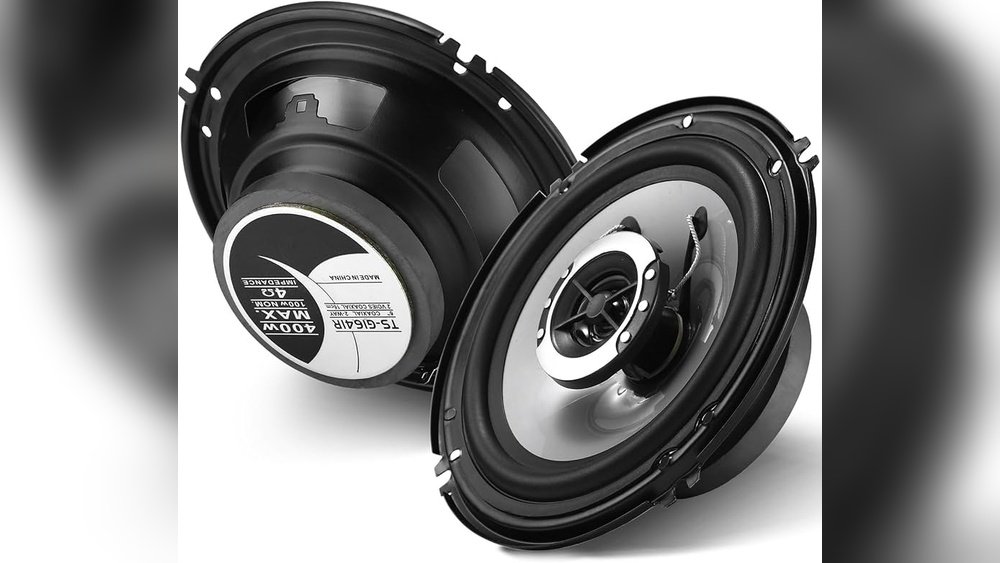
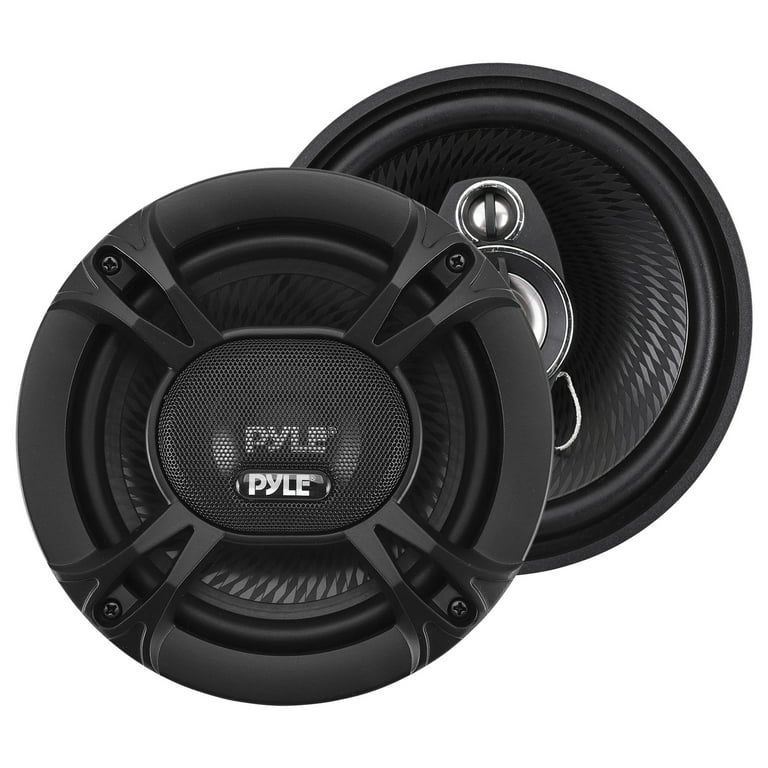
- Coaxial speakers: Combine woofer and tweeter in one unit. Easier to install, usually labeled as “universal.”
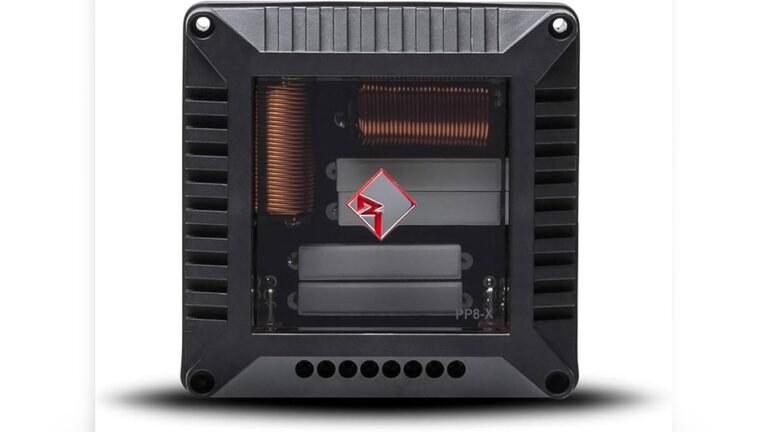
- Component speakers: Separate woofer, tweeter, and crossover. Offer better sound, but often need custom installation.
- Subwoofers: For bass. Usually go in the trunk, not door panels. Rarely “universal.”
For most beginners, coaxial speakers are the easiest upgrade.

Credit: www.kikowireless.com
Why Aren’t Car Speakers Fully Universal?
There are several reasons why no speaker fits every car:
- Automaker differences: Each brand and model can use different sizes, shapes, and mounts.
- Changing designs: Even within the same car model, speaker sizes can change from year to year.
- Space limits: Some doors are thin, others are deep. Window mechanisms can block larger speakers.
- Factory sound systems: Premium sound systems often use special speakers and amplifiers.
Beginner mistake: Assuming all 6.5-inch speakers will fit just because your old one measures 6.5 inches.
How To Check What Speakers Fit Your Car
You don’t need to guess. Here’s how to make sure you buy the right speakers:
- Check your car’s manual for speaker sizes. Many manuals list speaker specifications.
- Remove a door panel and measure the factory speaker’s diameter and depth.
- Use online fit guides from trusted brands (like Crutchfield or Metra).
- Ask at a car audio shop. They can check and recommend options.
If you want to be sure, compare your measurements with the new speaker’s specs before buying.
Example: Measuring For A Speaker Upgrade
Let’s walk through a real example. Suppose you drive a 2014 Honda Civic. You want to swap your front door speakers.
- Remove the door panel using a screwdriver.
- Take out the factory speaker. Measure the diameter (should be about 6.5 inches).
- Measure the depth from the mounting surface to the window glass when fully down (about 2.2 inches available).
- Check the wiring connector. If it’s a special plug, you might need an adapter.
Now, choose a 6.5-inch coaxial speaker with a mounting depth under 2.2 inches. If the wiring is different, buy an adapter harness.
Data: Car Speaker Sizes And Mounting Depths
Here is a comparison of common speaker sizes and their typical mounting depths:
| Speaker Size | Common Mounting Depth | Typical Use |
|---|---|---|
| 4-inch | 1.5-2.0 inches | Dashboards, small doors |
| 5.25-inch | 1.8-2.2 inches | Small doors, rear panels |
| 6.5-inch | 2.0-2.5 inches | Most front and rear doors |
| 6×8-inch | 2.2-2.7 inches | Ford, Mazda, Mercury (front/rear) |
| 6×9-inch | 2.5-3.0 inches | Rear decks, some doors |
Always compare these numbers with your car’s measurements.
Common Mistakes Beginners Make
Many first-time buyers run into problems because they:
- Buy based only on diameter, not mounting depth.
- Ignore the shape (oval vs. round).
- Don’t check the wiring connector type.
- Forget that rear speakers are often a different size from front.
- Assume “universal” means “no tools needed”—most installs require at least a screwdriver and sometimes wire cutters.
Extra insight: Some cars use plastic speaker adapters. These can break or not fit new speakers. You may need to buy new brackets.
Tips For A Smooth Speaker Upgrade
- Bring your old speaker to the store. Compare mounting points and size.
- Buy speaker harness adapters to avoid cutting factory wires.
- Use foam baffles or sound deadening material for better sound.
- Test the new speakers before fully reassembling the door panel.
- Keep all screws and clips organized during removal—they can be hard to replace.
Popular Brands And Their “universal” Models
Some brands are known for making car speakers that fit the widest range of vehicles:
- Pioneer: TS-series coaxial speakers
- JBL: Club and Stage series
- Kenwood: KFC series
- Alpine: Type-S and Type-R speakers
- Infinity: Reference series
Even these “universal” models may need adapters or minor adjustments to fit perfectly in your car.
Example: Universal Speaker Installation Steps
- Remove the car door panel or speaker cover.
- Unscrew and disconnect the old speaker.
- Connect the new speaker using an adapter harness if needed.
- Mount the new speaker, making sure it clears the window and door.
- Test the speaker with the car radio.
- Reinstall the door panel.
This process usually takes about 30-60 minutes per door if you have basic tools.
Credit: www.walmart.com
When To Choose Vehicle-specific Speakers
If you want the easiest installation, consider vehicle-specific speakers. These are made to fit the exact size, shape, and wiring of your car. They cost more, but you’ll save time and avoid surprises.
A good way to find these: search “[your car model] replacement speakers” on trusted sites.
Universal Speaker Adapters And Accessories
Sometimes you find a speaker you like, but it doesn’t fit perfectly. Here are solutions:
- Speaker adapter brackets: Fit different size or shape speakers in your car’s factory opening.
- Wiring harness adapters: Let you plug new speakers into your car’s factory wiring.
- Foam baffles: Improve sound and protect speakers from water.
These accessories make universal speakers fit more cars, but they add to the total cost.
Real-world Example: Cost Breakdown
Imagine you want to upgrade all four door speakers in a 2015 Toyota Corolla.
- 4 x 6.5-inch universal coaxial speakers: $60–$120
- 4 x wiring harness adapters: $20–$30
- 2 x speaker adapter brackets (for front): $15–$25
Total estimated cost: $95–$175 (not including labor)
Doing it yourself saves money, but always double-check compatibility before buying.
Car Speaker Compatibility: Quick Reference Table
Here’s a simple guide to what matters most:
| Factor | Why It Matters | How to Check |
|---|---|---|
| Diameter | Must fit opening | Measure factory speaker |
| Mounting Depth | Must clear window/door | Measure space in door |
| Shape | Must match opening | Check old speaker/door cutout |
| Wiring | Must connect properly | Check connector or buy adapter |
| Power/Impedance | Must match radio/amp | Check manual/specs |

Credit: www.amazon.com
Final Thoughts
Car speakers are not truly universal, but many are designed to fit a wide range of cars with the right adapters and careful measurement. Always check your car’s size, mounting depth, shape, wiring, and power needs before buying new speakers.
If you want an easy, “no tools” upgrade, vehicle-specific speakers or a professional installation may be better. But with the right information and a bit of preparation, most car owners can enjoy better sound with universal speakers.
If you want more details on speaker sizes and fitment, the Wikipedia Car Audio page is a good resource.
Frequently Asked Questions
What Is A Universal Car Speaker?
A universal car speaker is designed to fit many different cars using common sizes and mounting holes. However, you may still need adapters or small adjustments for a perfect fit.
Can I Replace My Car Speakers With Any Brand?
You can use any brand if the speaker matches your car’s size, shape, mounting depth, and wiring. Always check these details before buying.
Do I Need To Cut Wires To Install Universal Speakers?
Not always. Many universal speakers come with wiring adapters. If not, you may need to cut and connect wires or buy a harness adapter for your car.
Will New Speakers Damage My Car’s Stereo?
If the new speakers have the same impedance (ohms) and power rating as your factory ones, they won’t damage your stereo. Mismatched power or ohms can cause problems.
How Do I Know What Size Speakers My Car Uses?
Check your car manual, look up your car on fitment guides, or remove a speaker and measure it. The size must match for a proper fit.