Why Are My Subs Not Hitting Hard? Top Fixes for Deep Bass
Why Are My Subs Not Hitting Hard
When you add a subwoofer to your car or home audio system, you expect to feel deep, powerful bass. But sometimes, subs just don’t hit hard—the bass feels weak, flat, or even missing. This is a common frustration for beginners. The good news is: most problems have simple fixes. In this guide, you’ll discover why your subwoofer isn’t delivering that punchy bass and how to get it working at its best.
Understanding “hitting Hard”: What Does It Mean?
When people say their subs “aren’t hitting hard,” they usually mean:
- Bass is not loud or powerful
- Low frequencies feel weak
- You can’t feel the music thump in your chest
A subwoofer’s job is to move a lot of air at low frequencies. If you don’t get that strong, vibrating bass, something is likely wrong with your setup.
Common Reasons Subs Don’t Hit Hard
Let’s break down the most frequent causes for weak bass. Understanding these will help you solve the problem faster.
1. Incorrect Subwoofer Settings
Many systems have adjustable controls. If these aren’t set right, your sub will sound weak.
Key settings to check:
- Gain: Often confused with volume, but it adjusts the input level. Too low, and you get soft bass. Too high, and you get distortion.
- Low-pass filter: This setting tells the sub which frequencies to play. If set too low, you’ll miss much of the bass range.
- Phase switch: If your sub is “out of phase,” bass can cancel out. Try switching between 0° and 180°.
Example: If your low-pass filter is set at 40Hz, you’ll only get very deep bass, missing the punch from 60–80Hz.
2. Poor Sub Placement
Where you put your subwoofer makes a huge difference.
- Corners boost bass, but can also cause “boominess.”
- Placing in the middle of a room or trunk often loses bass impact.
- Obstacles (like seats or furniture) between the sub and listener can block bass.
Tip: Move the sub around. Even a few inches can change how hard it hits. In cars, subs facing the rear often sound louder.
3. Wiring Issues
Bad wiring is a common beginner mistake. It prevents your sub from getting enough power.
Things to check:
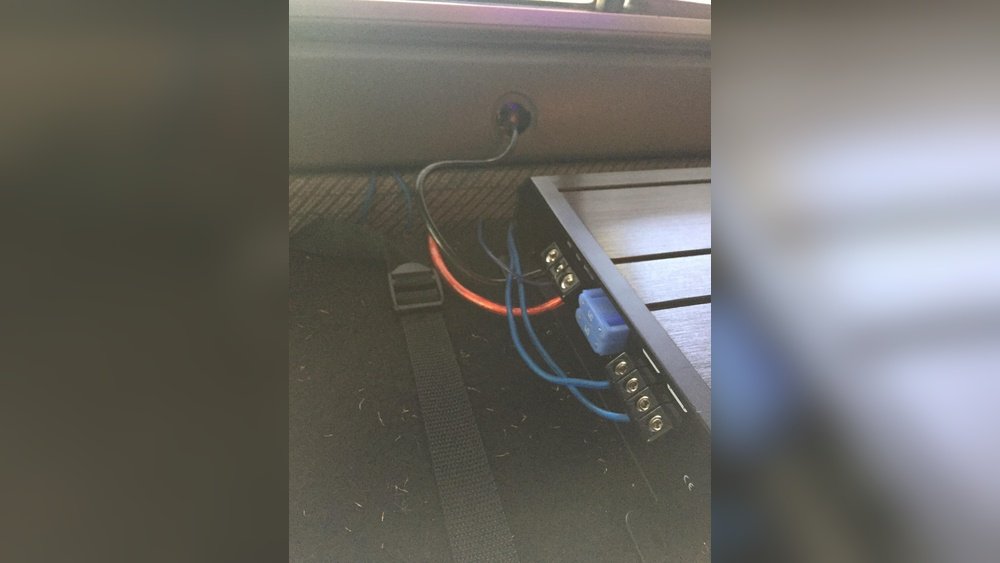
- Loose connections at the amp or sub terminals
- Incorrect polarity (wires reversed) can cause bass cancellation
- Thin or old wires may not carry enough current
Example: Using 18-gauge wire for a powerful sub can choke the signal. Most car subs need at least 12-gauge wire.
4. Not Enough Power
Subwoofers need serious power to hit hard.
- Undersized amplifier: If your amp can’t deliver enough watts, the sub can’t work properly.
- Impedance mismatch: A sub rated for 2 ohms connected to a 4-ohm amp will get less power.
Data Example: A sub rated at 500W RMS powered by a 100W amp won’t reach its potential.
5. Source And Settings Issues
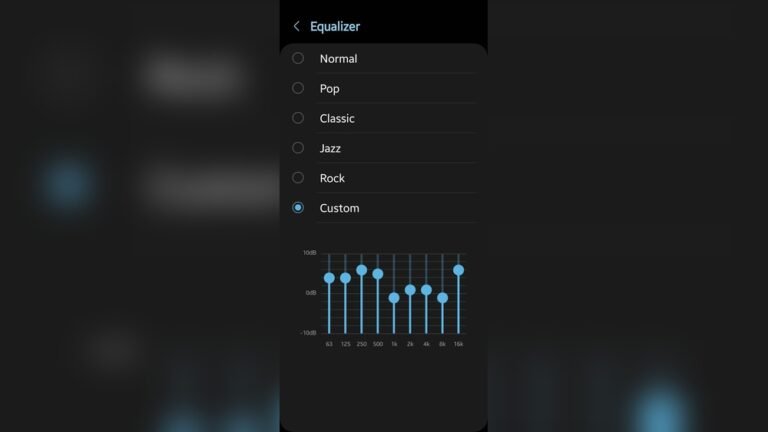
- Bass boost on head unit: Some stereos cut bass by default. You may need to turn up the sub or bass settings.
- Music quality: Low-quality MP3s or streaming services often have weak bass compared to CDs or high-res files.
6. Enclosure Problems
The sub box (enclosure) is critical for bass performance.
- Wrong box type: A sealed box gives tight, clean bass, while a ported box gives louder, deeper bass.
- Incorrect box size: Too small or too big, and the sub can’t move air properly.
Data Example: Most 12” subs need at least 1.25–2 cubic feet for a ported box.
7. Damaged Equipment
- Blown subwoofer: If your sub’s cone doesn’t move or makes noise, it may be damaged.
- Faulty amp: Sometimes the amp is the weak link.
8. Room Or Vehicle Acoustics
Every space boosts or cancels certain frequencies.
- Standing waves in rooms can cause some bass to disappear.
- Car interiors can create “nulls” where bass cancels.
Non-obvious insight: Sometimes just sitting in a different seat changes how you hear bass.

Credit: www.reddit.com
Key Data: Subwoofer Power And Impact
Below is a comparison of how much amplifier power affects subwoofer output for a common 12” sub.
| Amplifier Power (RMS) | Expected Bass Output | Typical Loudness (dB) |
|---|---|---|
| 100W | Weak, lacks punch | ~85 dB |
| 300W | Decent, moderate impact | ~95 dB |
| 500W | Strong, deep bass | ~102 dB |
Tip: Doubling power increases loudness, but you need four times the power to sound “twice as loud” to your ear.
How To Troubleshoot Weak Subwoofer Bass
If your sub isn’t hitting hard, follow these steps to find and fix the problem.
1. Check All Connections
- Make sure wires are tight at both amp and sub.
- Use thick wire (12-gauge or thicker).
- Double-check polarity (+ to +, – to –).
2. Adjust Settings
- Set gain to match your head unit output (not max).
- Set low-pass filter between 70–100Hz for most music.
- Switch the phase if bass sounds weaker in one position.
3. Test Placement
- In rooms: Place your sub in a corner, then move it around.
- In cars: Try facing the sub toward the trunk or rear seats.
4. Upgrade Power
- Use an amp that matches or exceeds your sub’s RMS rating.
- Check your car’s electrical system; add a capacitor if voltage drops.
5. Inspect The Enclosure
- Make sure the box matches the sub’s specs.
- Seal any air leaks.
- Consider switching to a ported box for more volume.
6. Listen To Better Sources
- Try a CD or high-quality file.
- Avoid very compressed MP3s for testing bass.
7. Check Equipment Health
- Listen for rattles or distortion—could mean a damaged sub or amp.
- Swap in a known good sub if possible.
Subwoofer Enclosure Types Compared
Choosing the right sub box makes a big difference. Here’s a simple comparison:
| Enclosure Type | Bass Sound | Best For |
|---|---|---|
| Sealed | Tight, accurate | Music lovers, small spaces |
| Ported | Louder, deeper | Hip-hop, EDM, big bass |
| Bandpass | Very loud in a narrow range | SPL competitions |
Non-obvious insight: A ported box can make a cheap sub sound much louder than a sealed box with a high-end sub.
Signs Of A Sub Hitting Hard Vs. Weak
How do you know if your sub is working right? Here’s a quick side-by-side:
| Strong Bass (Hits Hard) | Weak Bass (Not Hitting Hard) |
|---|---|
| Music vibrates your seat | Bass is barely felt |
| Kick drums punch clearly | Drums sound flat or distant |
| Bass is clean, not distorted | Bass sounds muddy or missing |

Credit: www.reddit.com
Practical Tips For Stronger Bass
- Tighten all screws: Loose subwoofer mounts can leak air and lose punch.
- Avoid bass boost “maxed out”: Too much boost causes distortion, not real bass.
- Use sound-deadening material in cars to reduce rattles and improve clarity.
- Check for rattling panels—sometimes the car or room vibrates, not the sub!
Common Beginner Mistakes
- Turning gain too high: Causes distortion and can damage the sub.
- Using factory head units: Many built-in stereos have weak RCA outputs, limiting bass.
- Ignoring the box size: Even a good sub sounds bad in the wrong box.
- Buying the biggest sub: Sometimes two smaller subs hit harder and cleaner than one big one.
- Overlooking speaker settings: If your main speakers are set to “full range,” they may “steal” bass from the sub.
When To Seek Professional Help
If you’ve checked everything and your sub still doesn’t hit hard, it might be time for expert help. An audio professional can:
- Measure your system’s output with real tools
- Diagnose hidden electrical problems
- Design a custom enclosure for your space
A good installer can often find problems beginners miss, like phase cancellation or hidden EQ cuts.
Real-world Example: Car Sub Not Hitting Hard
Let’s look at a typical case:
Situation: You installed a 12” sub and 500W amp in a sedan. The bass is weak.
Steps taken:
- Checked wiring, found thin 18-gauge wire used.
- Upgraded to 12-gauge wire.
- Moved the sub from the middle of the trunk to the rear, facing the seats.
- Adjusted low-pass filter to 80Hz.
- Bass went from barely noticeable to shaking the mirrors.
Lesson: Small changes—like wire size and placement—make a big difference.
Frequently Asked Questions
Why Does My Subwoofer Sound Weak At High Volume?
When you turn up the volume, weak or distorted bass often means your amplifier is clipping (out of power) or the sub can’t handle the signal. Check amp power rating and make sure gain isn’t set too high.
Can A Subwoofer Be Too Big For My Car Or Room?
Yes. A very large sub in a small space may not perform well because the room or car can’t support such low frequencies. Bigger isn’t always better—match sub size to your space.
How Important Is The Subwoofer Enclosure?
The enclosure type and size are critical. The wrong box can make even the best sub sound weak. Always use the box recommended by the sub manufacturer.
Is It Possible My Subwoofer Is Broken?
If your sub makes no sound, rattles, or distorts at any volume, it could be damaged. Test with another sub or amp to confirm, or have a pro check it.
Where Can I Learn More About Subwoofer Setup?
You can find more beginner guides and detailed explanations on sites like Crutchfield, which has many resources for both car and home audio.
Final Thoughts
Getting your subwoofer to hit hard is about more than just buying a big speaker. Proper setup—wiring, power, settings, and enclosure—is essential. Small mistakes, like the wrong wire or poor placement, can ruin your bass. But with careful adjustments and these practical tips, you’ll feel the music just like you want. Don’t be afraid to experiment and learn. Powerful, punchy bass is possible for every beginner with the right approach.
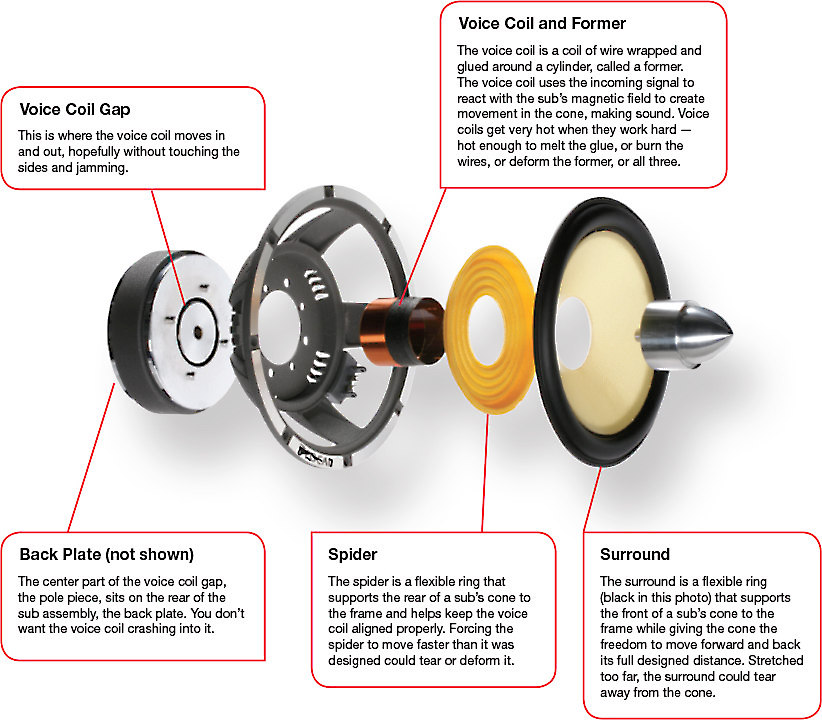
Credit: www.crutchfield.com