What is the Best Power Wire for Car Audio? Expert Guide
Finding the best power wire for car audio can feel confusing, especially if you are new to the world of car sound systems. The right wire is not just about getting music to play—it affects sound quality, safety, and even how long your equipment lasts.
Many beginners make mistakes by choosing wires that look good but are not fit for their specific setup. This guide will break down everything you need to know, in clear, simple language, so you can make confident choices without wasting money or risking your car.
Why Power Wire Matters In Car Audio
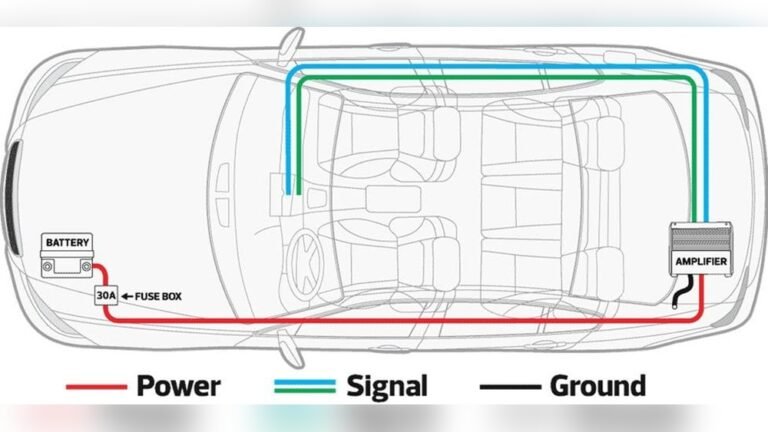
Choosing the correct power wire is more important than most people think. The wire carries electrical power from your car’s battery to the amplifier and other audio components. If the wire is too thin or made from poor materials, you can face problems like:
- Weak sound quality: Your speakers may not reach their full potential.
- Overheating: Thin wires can heat up and even melt.
- Damage to equipment: Bad wiring can harm your amp and speakers.
- Safety risks: Poor wires can cause fires or short circuits.
Experts recommend spending time to pick the right wire before buying other audio parts.
Understanding Wire Gauge And Size
Wire gauge is a simple way to measure how thick a wire is. In car audio, the American Wire Gauge (AWG) system is used. The lower the number, the thicker the wire. For example, 4 AWG is much thicker than 12 AWG.
Why Wire Size Is Important
- Thicker wires carry more power with less resistance.
- Thinner wires can block power, making your system weak and unsafe.
Here is a quick comparison of wire gauges commonly used in car audio:
| AWG Size | Max Amp Power (RMS) | Recommended Length |
|---|---|---|
| 8 AWG | Up to 400W | Less than 12 ft |
| 4 AWG | 400W–1000W | Less than 18 ft |
| 0/1 AWG | 1000W–2000W+ | Less than 20 ft |
Tip: Use thicker wire if your system is powerful or if the wire needs to be long.
Copper Vs. Aluminum: Which Material Is Better?
Most car audio wires are made from copper or aluminum.
Copper Wire
- Best conductor for car audio.
- Delivers more power with less resistance.
- Lasts longer and does not corrode easily.
Aluminum Wire
- Cheaper than copper.
- Not as good at carrying power.
- Can corrode or break more easily.
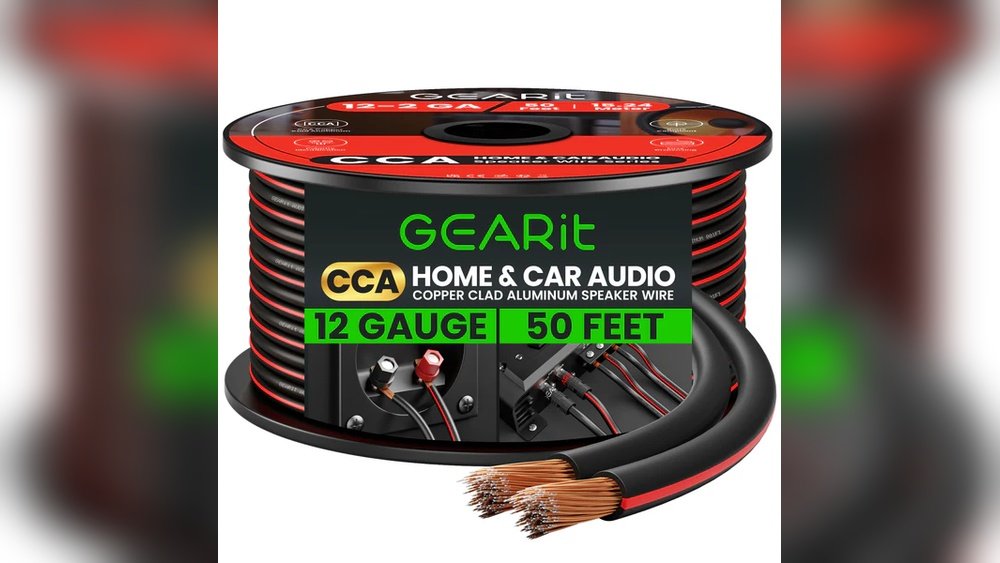
Some wires are CCA (Copper-Clad Aluminum)—aluminum wire coated with copper. CCA is cheaper, but not as reliable as pure copper.
| Material | Conductivity | Durability | Price |
|---|---|---|---|
| Pure Copper | Excellent | Long-lasting | High |
| CCA | Good | Medium | Medium |
| Aluminum | Low | Short | Low |
Advice: Always choose pure copper if you can afford it. CCA is only for small, budget systems.
How To Choose The Right Power Wire For Your Car Audio
Selecting the best wire involves checking your amplifier’s power, the wire length, and your budget.
Step-by-step Guide
- Check your amplifier’s RMS wattage.
- RMS means real, continuous power, not “peak” or “max.”
- Measure the distance from battery to amp.
- Longer wires need to be thicker.
- Match wire gauge to amp power and length.
- Use the table above for a quick reference.
- Pick the material.
- Pure copper is best for quality and safety.
- Check insulation quality.
- The covering should be thick and flexible.
- Look for certifications.
- UL-listed or other trusted marks mean safer wires.
Example Scenario
If you have a 900W RMS amplifier and need to run wire 16 feet, you should use 4 AWG copper wire. Using 8 AWG or CCA wire would make your system underperform and could damage your equipment.
Common Mistake: Many beginners buy “amp kits” with cheap, thin wire. Always check the real wire gauge and material before buying.

Credit: www.amazon.com
Importance Of Insulation And Flexibility
The outside cover of the wire, called insulation, protects the wire from heat, moisture, and damage. Flexible insulation makes installation easier, especially in tight spots.
Features To Look For
- Thick, flexible insulation: Easier to bend and route.
- Heat-resistant cover: Protects from engine heat.
- Clear labeling: Shows wire gauge and material.
Non-obvious tip: Cheap wires often use insulation to make the wire look thicker. Always check the real copper inside, not just the outside size.
Best Brands For Car Audio Power Wire
Some brands are trusted by car audio installers and enthusiasts. Here are examples of reliable brands for beginners and experts:
- KnuKonceptz: Known for pure copper and accurate gauge.
- Rockford Fosgate: High-quality kits and wires.
- Stinger: Flexible, easy to install, and durable.
- NVX: Great balance of price and performance.
Pro insight: Brands matter when it comes to quality. Unknown brands often use CCA or exaggerate wire gauge.
Installing Power Wire: Practical Tips
Wiring installation is as important as wire selection. Here are practical steps and tips for beginners:
- Plan your route: Avoid sharp bends and hot engine parts.
- Use grommets: Protect wire where it passes through metal.
- Secure the wire: Use zip ties to prevent movement.
- Fuse placement: Install a fuse close to the battery for safety.
- Check connections: Use proper terminals and crimp tightly.
Mistake to avoid: Never run power wire and RCA audio cables together. It can cause noise in your speakers.
Real-world Data: Power Loss And Voltage Drop
Using the wrong wire can cause a voltage drop, meaning your amp receives less power. Here’s how much voltage you can lose using different wires for a 1000W system running 16 feet:
| Wire Gauge | Voltage Drop (16 ft) | Effect on System |
|---|---|---|
| 8 AWG | 2.5V | Weak sound, possible damage |
| 4 AWG | 1.2V | Good performance |
| 0/1 AWG | 0.6V | Best, no loss |
Expert tip: If you notice your amp cuts out or gets hot, check your power wire first.

Credit: www.youtube.com
Answer Engine Optimization: Key Questions For Beginners
- What gauge wire should I use for my amp?
Match amp RMS power and wire length; see the tables above.
- Is CCA wire safe for car audio?
It’s safe for small systems but not for high power.
- Does wire length matter?
Yes—longer wires need to be thicker.
- Can I mix copper and aluminum wires?
Avoid mixing; it causes corrosion and weak performance.
- How do I know if my wire is real copper?
Look for “OFC” (Oxygen-Free Copper) and trusted brands.
Frequently Asked Questions
What Happens If I Use Too Thin A Power Wire?
If your wire is too thin, it cannot carry enough power. This causes:
- Poor sound quality
- Amp shutting off or overheating
- Risk of fire or melting
Always match the wire size to your amp’s power.
Is Pure Copper Wire Worth The Extra Cost?
Yes. Pure copper wires last longer, carry more power, and are safer. CCA wires are okay for small setups but can cause problems in bigger systems. If you want the best performance and safety, choose pure copper.
How Do I Check If My Wire Is Real Copper Or Cca?
Cut a small piece of wire. Pure copper is reddish throughout. CCA has a silvery inside with a thin copper layer outside. Also, check product details—look for “OFC” or “100% copper. ” Trusted brands usually state this clearly.
Can I Use Household Electrical Wire For Car Audio?
No. Household wires are not flexible, have different insulation, and are not made for car environments. Always use automotive-grade power wire.
Where Should I Place The Fuse In My Power Wire?
Install the fuse as close to the battery as possible—within 18 inches. This protects your car and audio system if the wire shorts or gets damaged.
Credit: www.youtube.com
Final Thoughts
Choosing the best power wire for car audio is not just about price or looks. The right wire improves sound quality, keeps your system safe, and protects your investment. Always use the correct gauge, pure copper if possible, and quality insulation.
Avoid shortcuts or cheap kits that can ruin your car audio experience. Remember, good wiring is the foundation of every great sound system.
If you want to learn more about car audio wiring standards and safety, visit Wikipedia for detailed information.
With these tips and data, you can upgrade your car audio with confidence—no guesswork, no wasted money, and no safety risks.