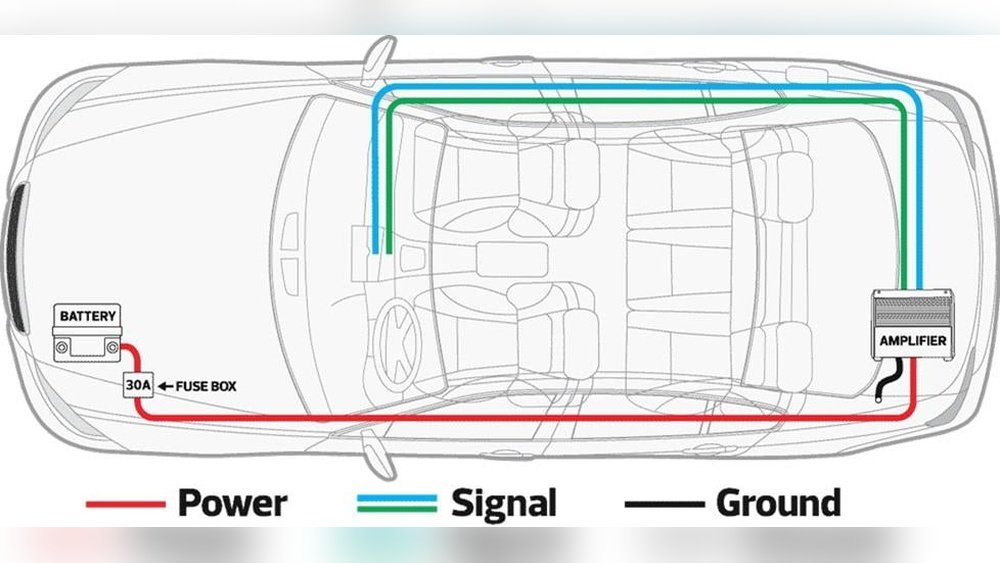
How to Connect an Amplifier to a Factory Stereo Easily
Connecting an amplifier to a factory stereo can make your music sound much better without replacing your car’s original radio. Many car owners feel nervous about touching the wires behind their dashboard, but with the right guidance, it’s much easier than you think.
Whether you want deeper bass, louder sound, or just a cleaner music experience, adding an amp is one of the most effective upgrades for your car’s audio system. This guide will help you understand every step in simple terms—even if you are a complete beginner.
Why Add An Amplifier To A Factory Stereo?
Most factory stereos are designed for basic listening. They don’t deliver enough power for high-quality sound, especially if you want to use better speakers or a subwoofer. Here’s what an amplifier can do:
- Increase volume without distortion
- Boost bass and clarity
- Support aftermarket speakers or subwoofers
- Create a richer listening experience
For example, if you love hip-hop, you might notice your stock stereo can’t handle deep bass. An amplifier solves this problem by giving your speakers the power they need.
What You Need Before Starting
Gathering the right tools and materials is key. Here’s a simple checklist for beginners:
- Amplifier (choose the right power level for your speakers)
- Amplifier wiring kit (includes power, ground, remote wire, RCA cables, fuse)
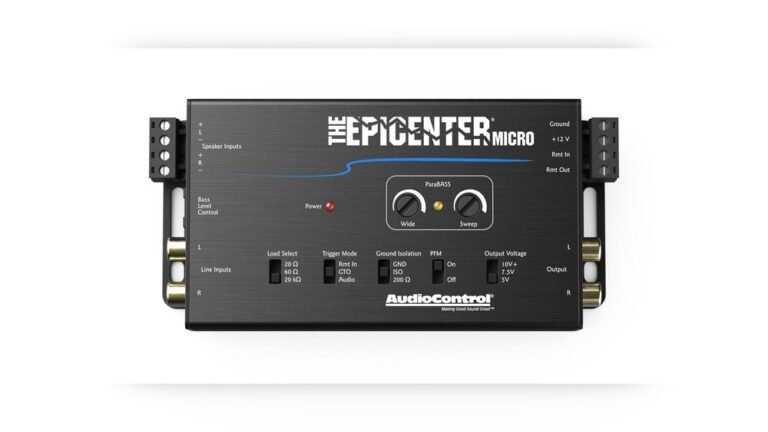
- Line output converter (LOC) (converts speaker signal to RCA for amp)
- Basic hand tools (wire stripper, crimper, screwdriver, pliers)
- Electrical tape or heat shrink tubing
- Panel removal tool (protects your dashboard)
- Test light or multimeter (checks for power and signal)
- Zip ties for cable management
Practical Tip: Buy a wiring kit with a fuse holder. This is important for safety and is usually cheaper than buying wires and fuses separately.
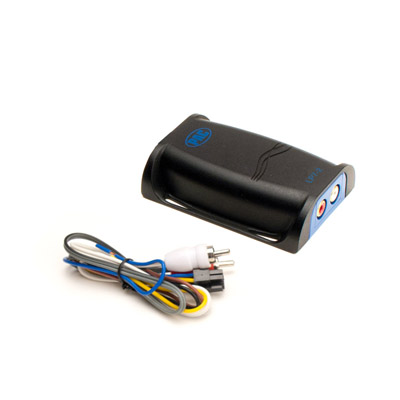
Credit: carstereochick.com
Understanding Your Factory Stereo
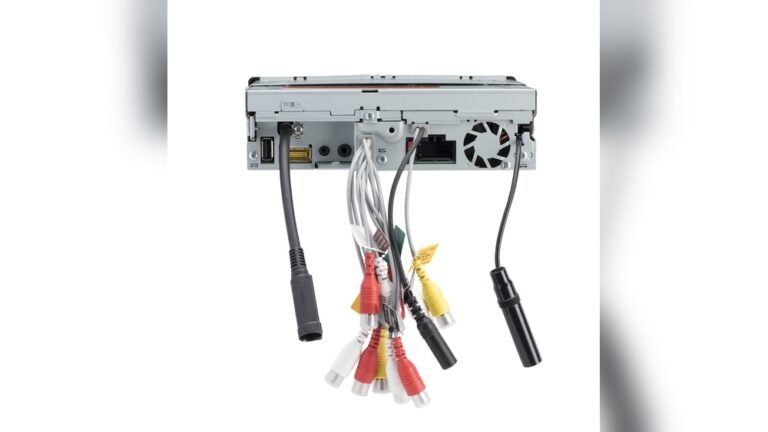
Not all factory stereos are the same. Most do not have RCA outputs. This means you need a line output converter (LOC) to connect an amplifier. The LOC takes the speaker wire signal and changes it into something your amp understands.
Example: If your car is a 2016 Toyota Camry, the factory stereo does not have RCA jacks. You’ll use a LOC to make the connection.
Here’s a comparison of factory vs aftermarket stereos:
| Feature | Factory Stereo | Aftermarket Stereo |
|---|---|---|
| RCA Outputs | No | Yes (most models) |
| Sound Quality | Basic | High |
| Ease of Amp Install | Needs LOC | Plug-and-play |
Step-by-step Guide: Connecting An Amplifier To A Factory Stereo
Let’s break down the process so you can follow along, even if you have never done car audio work before.
1. Plan Your Installation
- Decide where to mount the amplifier (under a seat, in the trunk, or behind the rear seats are common spots).
- Measure the distance from the battery to the amplifier to estimate wire length.
- Check your car’s wiring diagram if possible (search online for your car’s make and model).
Beginner’s Insight: Don’t rush. Take time to plan where wires will run so you don’t have messy cables or damage your car’s interior.
2. Disconnect The Battery
Safety comes first. Always disconnect the negative terminal of your car’s battery before touching any wires. This prevents short circuits and protects both you and your car.
3. Remove The Factory Stereo (if Needed)
You may not have to fully remove the stereo, but you will need to access the speaker wires behind it. Use a panel removal tool to avoid scratching your dashboard.
- Gently pry off trim pieces
- Unscrew the stereo (if needed)
- Pull out the stereo enough to see the wires
Tip: Take a photo of the factory wiring before disconnecting anything. This helps you remember where each wire goes.
4. Identify Speaker Wires
You need to connect your LOC to the factory speaker wires. Usually, you’ll tap into the left and right rear speaker wires.
- Use a test light or multimeter to confirm the correct wires.
- Factory wiring diagrams are helpful (search “your car model + stereo wiring diagram”).
Non-obvious Insight: Many cars use twisted pairs of wires for speakers. Don’t just guess—test each wire before cutting or tapping.
5. Install The Line Output Converter (loc)
The LOC connects to the speaker wires and provides RCA outputs for your amplifier.
- Strip a small section of the speaker wires (do not cut them completely).
- Connect the LOC input wires to the speaker wires (left +, left –, right +, right –).
- Secure the connections with crimp connectors or solder and protect with tape or heat shrink.
Practical Example: In a Honda Civic, you might connect the LOC to the rear speaker wires behind the stereo or at the rear deck speakers, whichever is easier to reach.
6. Run Rca Cables And Remote Wire
- Plug the RCA cables into the output of your LOC and run them to the amplifier location.
- Run the remote turn-on wire from the LOC or the factory stereo’s accessory wire to the amp. This tells the amp to turn on when you start your car.
Routing Tip: Run the RCA cables and remote wire on the opposite side of the car from the power wire to avoid noise interference.
7. Run The Power And Ground Wires
- Connect the power wire from the amplifier wiring kit to the positive terminal of your car’s battery. Add the inline fuse within 18 inches of the battery.
- Run the power wire through the car’s firewall (there is usually a rubber grommet you can use).
- Connect the ground wire from the amp to a clean, unpainted metal part of the car’s body (not to seat bolts or painted surfaces).
Table: Power Wire Size Guide
| Amplifier Power (Watts) | Recommended Wire Gauge |
|---|---|
| Up to 400W | 8 AWG |
| 400–1000W | 4 AWG |
| Over 1000W | 2 AWG or larger |
Beginner’s Mistake: Using too small a wire can cause overheating and poor amp performance. Always use the correct size.
8. Connect Everything To The Amplifier
- Attach the power, ground, RCA, and remote wires to the amplifier.
- Double-check all connections for tightness and correct polarity.
- Connect your speakers or subwoofer to the amp’s output.
9. Reconnect The Battery And Test
- Reconnect the negative battery terminal.
- Turn on your car stereo and check if the amplifier powers up.
- Play music at low volume to check for sound.
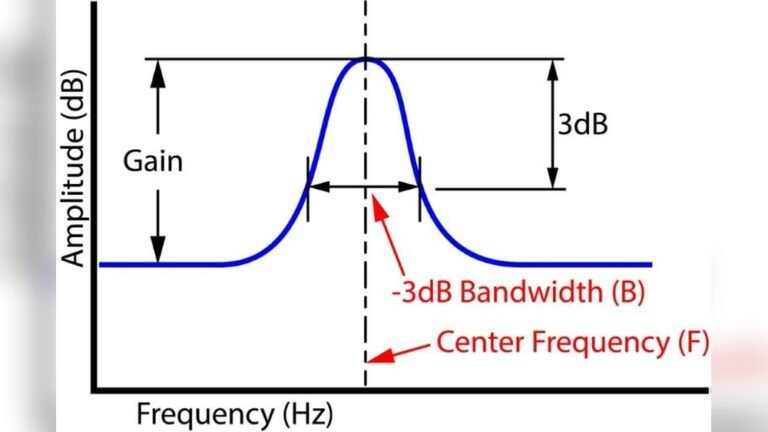
- Adjust the amp’s gain and filters as needed for the best sound.
Troubleshooting Example: If you hear a loud pop or no sound, turn everything off and check all connections. Make sure the LOC is wired correctly and the amp’s ground is solid.
10. Secure And Organize Everything
- Use zip ties to secure cables and keep them away from moving parts or sharp edges.
- Put your dashboard and panels back together carefully.
- Make sure no wires are pinched or exposed.
Final Non-obvious Insight: Many beginners forget to check if their car’s electrical system can handle the extra load. If your headlights dim when the bass hits, consider upgrading your car battery or alternator.
Common Challenges And How To Avoid Them
Even careful beginners face problems. Here are some issues and fixes:
- No sound from amp: Check RCA and speaker connections. Make sure the amp’s gain is not set to zero.
- Engine noise or whining: Re-route RCA cables away from power wires. Check ground connection.
- Amp won’t turn on: Check fuse, remote wire, and power connection.
How To Choose The Right Amplifier
Not all amps work well with factory stereos. Here’s what matters most:
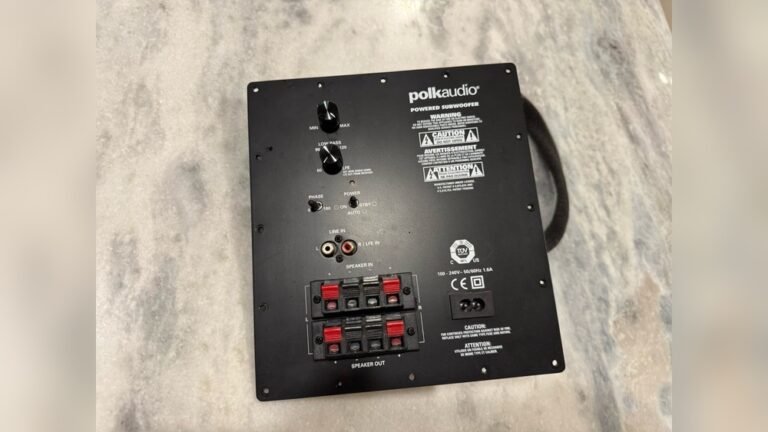
- Input type: Choose an amp with high-level (speaker-level) inputs if you want to skip the LOC.
- Power rating: Match the amp’s power to your speakers or subwoofer’s RMS rating.
- Size and location: Make sure the amp fits in your planned mounting spot.
- Number of channels: 1 for a subwoofer, 4 for full-range speakers.
Comparison: LOC vs High-Level Input Amplifier
| Feature | LOC + Standard Amp | High-Level Input Amp |
|---|---|---|
| Extra parts needed | Yes (LOC) | No |
| Installation difficulty | Medium | Easy |
| Sound quality | High | High |
Pro Tip: Many modern amplifiers have built-in high-level inputs. This means you can connect them directly to factory speaker wires, skipping the LOC.

Credit: soundcertified.com
Practical Example: Adding A Subwoofer Amp To A Factory Stereo
Let’s say you drive a 2014 Ford Focus and want to add a subwoofer for more bass, but keep the original radio.
- Buy a mono amplifier (300W RMS), a subwoofer, a wiring kit, and a LOC.
- Tap the rear speaker wires with the LOC behind the stereo.
- Run RCA cables and remote wire to the trunk.
- Run power wire from battery to trunk.
- Ground amp to trunk floor (bare metal).
- Connect everything, test, and enjoy your new bass.
Beginner’s Tip: Many car forums have guides for your specific car. Use these as a reference for wire colors and routing ideas.
Safety Tips And Legal Considerations
- Never work on wiring with the battery connected.
- Use a fuse at the battery for fire safety.
- Avoid running wires where they might get pinched by seats or doors.
- Only play music at safe volumes to protect your hearing.
- Check local laws about car audio modifications, especially noise limits.
For more car audio safety information, check this Car Audio Wikipedia page.

Credit: trailseven.com
Frequently Asked Questions
How Do I Know If My Factory Stereo Is Compatible With An Amplifier?
Almost all factory stereos can work with an amplifier using a line output converter or an amplifier with high-level inputs. If your stereo has speaker wires (not RCA jacks), you will need a LOC.
Can I Install An Amplifier Without Cutting Factory Wires?
Yes, many LOCs offer plug-and-play adapters for certain car models. These connect without cutting or splicing wires, but check compatibility for your vehicle.
Will Adding An Amplifier Void My Car Warranty?
Most of the time, installing an amplifier does not void your entire car warranty. However, any damage caused by incorrect installation may not be covered. Always follow safe installation practices.
Why Do I Hear A Whining Noise After Installing My Amp?
A whining or buzzing noise usually means a ground loop or poor wire routing. Make sure your ground wire is connected to clean, bare metal. Run RCA and power wires on opposite sides of the car.
Can I Use Factory Speakers With An Amplifier?
Yes, you can use your factory speakers with an amplifier, but make sure the amp’s power does not exceed the speaker’s capacity. Overpowering factory speakers can cause them to fail.
Connecting an amplifier to a factory stereo is a rewarding project. With careful planning and attention to detail, you’ll get better sound quality without losing your car’s original look. Take your time, follow the steps, and soon you’ll enjoy a much richer music experience on every drive.