How to Bypass Voltage Regulator on an Alternator Safely
Bypassing the voltage regulator on an alternator is a topic that often comes up with DIY car enthusiasts and off-grid power builders. The voltage regulator is a key part of any alternator, as it controls the amount of voltage sent to your car’s battery and electrical system. But sometimes, you may need to bypass this regulator—maybe for troubleshooting, field repairs, building a custom charging system, or when the regulator fails and a replacement is not available.
Before you start, it’s important to know that bypassing the voltage regulator can be risky. It can damage your battery, alternator, or electronic devices if not done carefully. This guide gives a beginner-friendly explanation on how to bypass a voltage regulator on an alternator, what tools you need, step-by-step instructions, common mistakes, and important safety tips.
Understanding The Voltage Regulator And Alternator
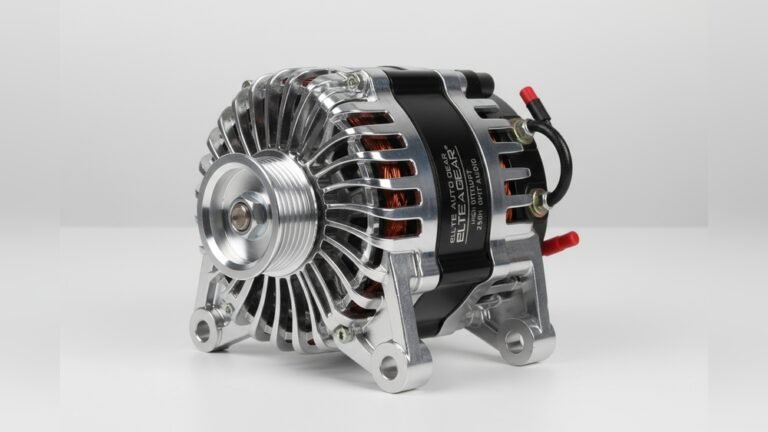
The alternator produces electricity for your car. It converts mechanical energy from the engine into electrical energy. The voltage regulator keeps the voltage at a safe level—usually around 13.8 to 14.4 volts for most 12-volt systems.
When you bypass the voltage regulator, you remove this control. The alternator can then send unregulated voltage to the battery, which can rise above safe limits. This is why bypassing should only be done for short periods or in emergency situations.
Why Bypass The Voltage Regulator?
Some common reasons include:
- Testing: To check if the regulator is faulty.
- Emergency repair: If the regulator fails and you need to get home.
- Custom projects: For DIY charging systems or high-output alternators.
How Does A Voltage Regulator Work?
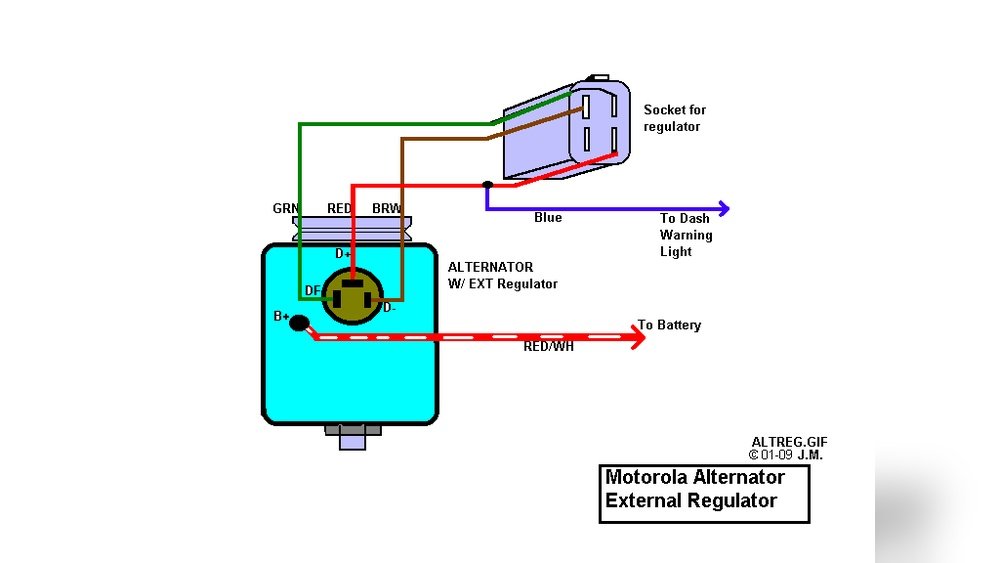
Most modern vehicles use internal voltage regulators built into the alternator. Older vehicles and some equipment use external regulators. The regulator monitors battery voltage and adjusts the alternator’s output by controlling the current to the rotor (field coil).
When the battery is full, the regulator reduces the alternator’s output. If the battery voltage drops, it increases output. This keeps the voltage steady to avoid overcharging or undercharging.
Tools And Materials You Will Need
Before you begin, gather the following:
- Basic hand tools: Wrenches, screwdrivers, pliers
- Multimeter: To measure voltage
- Insulated wire: 14-18 gauge is common
- Alligator clips: For quick connections (optional)
- Electrical tape: For insulation
- Protective gloves and eyewear
- Wiring diagram: For your specific vehicle or alternator model
Having the right tools helps avoid mistakes and makes the process safer.
Types Of Alternators And Regulators
Not all alternators are the same. Here’s a simple comparison:
| Type | Regulator Location | Common Vehicles |
|---|---|---|
| Internal Regulator | Inside Alternator | Most 1990s-present cars |
| External Regulator | Mounted outside alternator | Older cars, trucks, tractors |
Knowing your alternator type is important because the bypass method is different for each.
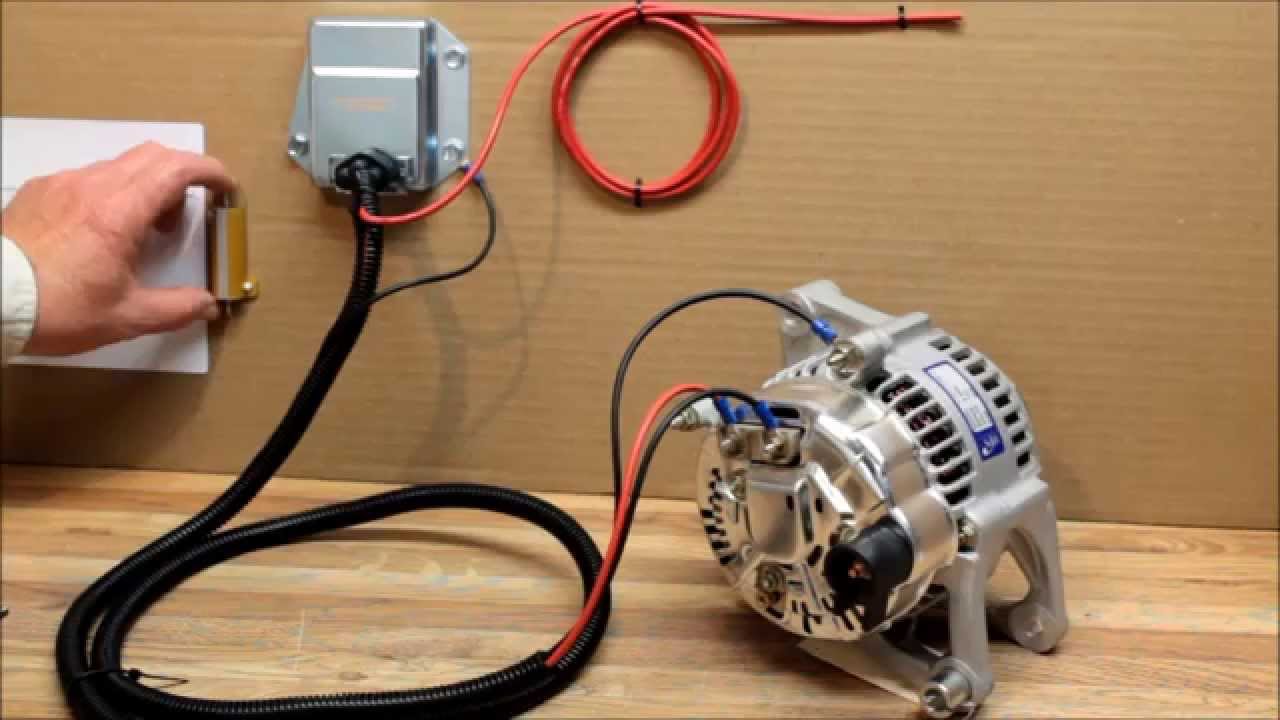
Credit: www.youtube.com
Step-by-step: How To Bypass An External Voltage Regulator
Bypassing an external regulator is easier and safer than with an internal one. Here’s how you can do it:
- Turn off the engine and disconnect the battery for safety.
- Locate the external regulator. It’s usually a small box near the alternator.
- Identify the field (F) and ignition (IG) wires. Check your wiring diagram.
- Disconnect the regulator.
- Connect a jumper wire from the field terminal on the alternator directly to the battery’s positive terminal. You can use an alligator clip for a temporary connection.
- Reconnect the battery.
- Start the engine.
- Measure the voltage at the battery with a multimeter. It will rise quickly if the alternator is working.
Important Tips
- Do not let the voltage go above 14.5 volts for a 12V system.
- If the voltage keeps climbing, disconnect the jumper wire immediately.
- Never run the system like this for long—it’s just for testing or emergencies.
Step-by-step: How To Bypass An Internal Voltage Regulator
Bypassing an internal regulator is more complex. You will need to take apart the alternator or use a special “external regulator conversion” kit. For beginners, this is not recommended unless you are experienced with electrical repairs.
However, here’s a general overview:
- Remove the alternator from the vehicle.
- Open the alternator case to access the regulator and field terminals.
- Locate the field coil terminals (usually labeled F+ and F- or similar).
- Disconnect the internal regulator wires from the field.
- Run insulated wires from the field terminals out of the alternator case.
- Reinstall the alternator and connect your own external regulator or manual switch to these wires.
Manual Field Control Example
Some people use a simple switch or a variable resistor (potentiometer) to control the field current. This lets you adjust alternator output manually, but you must watch the voltage carefully.
Warning: Manual field control can overcharge or undercharge your battery if not monitored.

Credit: www.youtube.com
Example: Field Bypass On A Delco Remy Alternator
Let’s look at a Delco Remy 10SI alternator—a popular choice for older cars and custom projects.
- The 10SI uses an external regulator, but you can bypass it by jumping the field terminal to battery positive.
- Typical field current is 2-4 amps.
- If you bypass the regulator and the voltage rises above 15 volts, disconnect the jumper to avoid battery damage.
This method is used by off-roaders and tractor owners to get home when the regulator fails.
Comparing Regulated Vs. Unregulated Charging
Here’s how regulated and unregulated charging compare:
| Feature | Regulated System | Bypassed (Unregulated) System |
|---|---|---|
| Voltage Control | Automatic | Manual or none |
| Battery Life | Longer | Shortened |
| Risk of Overcharge | Low | High |
| Best For | Daily use | Testing/Emergency |
Key Safety Warnings
Working with alternators and voltage regulators is not risk-free.
- Overvoltage: Can destroy your battery or electronics.
- Heat: Alternators can get very hot—avoid burns.
- Sparks: Always disconnect the battery before working.
- Fire risk: Exposed wires or poor connections can cause fires.
Never leave the system running unregulated for long. If you must bypass, do it only as a temporary measure.
Practical Data: What Happens If You Overcharge A Battery?
Overcharging a lead-acid battery can cause:
- Excessive heat
- Boiling electrolyte
- Battery swelling or leaking
- Reduced lifespan (can lose 50% or more)
For example, charging a 12V car battery at 16 volts for several hours can permanently damage it.
Common Mistakes To Avoid
- Leaving the bypass wire connected too long: This can overcharge and ruin the battery.
- Not using a multimeter: Always check voltage during testing.
- Confusing field and power wires: This can damage the alternator or wiring.
- Bypassing on modern cars: Many new cars have complex electronic systems that can be damaged by unregulated voltage.
- No insulation on wires: Bare wires can short out and cause fires.
Many beginners think that bypassing is a long-term solution. It’s not. Always repair or replace the regulator as soon as possible.
Real-world Example: Field Repair On A Tractor
Imagine you’re working with an old tractor. The voltage regulator fails in the field, and you need to finish the job.
- You use a jumper wire from the alternator’s field terminal to battery positive.
- You check voltage with a multimeter every 10 minutes.
- As soon as the battery reaches 14.4 volts, you disconnect the jumper.
This simple trick can save your workday, but remember to fix the regulator before regular use.

Credit: www.lectriclimited.com
How To Monitor Unregulated Charging
When bypassing the voltage regulator, you need to watch the voltage yourself.
- Use a digital multimeter on the battery terminals.
- Safe range: 13.8–14.4 volts for most 12V batteries.
- Over 15 volts: Disconnect immediately.
- Under 13 volts: The battery is not charging enough.
Some people install a voltmeter in their dashboard for live monitoring. This helps prevent accidental overcharge.
Upgrading To An External Adjustable Regulator
If you often need to control alternator output, consider installing an adjustable external regulator. These devices let you set the voltage manually and are useful for custom electrical systems.
| Feature | Standard Regulator | Adjustable Regulator |
|---|---|---|
| Voltage Range | Fixed (13.8-14.4V) | 12V-15V or more |
| User Control | None | Manual adjustment |
| Application | Stock vehicles | Custom/off-grid |
When Not To Bypass The Regulator
There are situations where bypassing is never a good idea:
- Modern cars with computers: Unregulated voltage can destroy ECUs and sensors.
- Hybrid or electric vehicles: These use special charging systems.
- Long-term operation: Continuous unregulated charging will shorten battery and alternator life.
Always check your vehicle manual and wiring diagram before making changes.
Non-obvious Insights Beginners Miss
- Voltage is not always stable after bypassing. The alternator output depends on engine RPM. High RPMs can push voltage much higher than you expect.
- Some alternators need excitation. Without a regulator, some alternators won’t start charging unless you “excite” the field with a voltage pulse.
- Not all alternators can be bypassed. Some models are sealed or have no external field access. Forcing a bypass can damage the alternator.
Knowing these details can save you from expensive mistakes.
What To Do After Bypassing
Once you’ve bypassed the regulator and fixed your immediate problem:
- Replace or repair the regulator as soon as possible.
- Inspect the battery for damage—look for swelling or leaks.
- Check all wiring connections for heat damage or corrosion.
- If you used a field jumper, remove it before regular use.
Additional Resources
If you want to understand more about how alternators and voltage regulators work, you can read this guide from Wikipedia.
Frequently Asked Questions
What Happens If I Run My Alternator Without A Voltage Regulator?
Running an alternator without a regulator sends unregulated voltage to your battery and electronics. This can quickly overcharge and damage the battery, and possibly harm sensitive devices in your vehicle.
Can I Use A Manual Switch To Control Alternator Output?
Yes, you can use a switch or variable resistor to control the field current, but you must watch the voltage closely. It’s easy to overcharge or undercharge the battery if you are not careful.
Is It Safe To Bypass The Voltage Regulator For A Long Trip?
No, it is not safe. Bypassing is only for short-term emergency use or testing. Long-term use can damage your battery, alternator, and car electronics.
How Do I Know If My Alternator Has An Internal Or External Regulator?
Check your vehicle manual, or look for a small box near the alternator (external regulator). Most modern cars (1990s and newer) have internal regulators.
Can Bypassing The Regulator Improve Alternator Performance?
No, it does not improve performance. It only removes voltage control, which can lead to overcharging and equipment damage. For better performance, consider an upgraded or adjustable regulator.
Bypassing a voltage regulator on an alternator is a useful skill in emergencies or for special projects. But always use caution, monitor voltage closely, and return to regulated charging as soon as possible. This protects your battery, alternator, and keeps your vehicle running reliably.