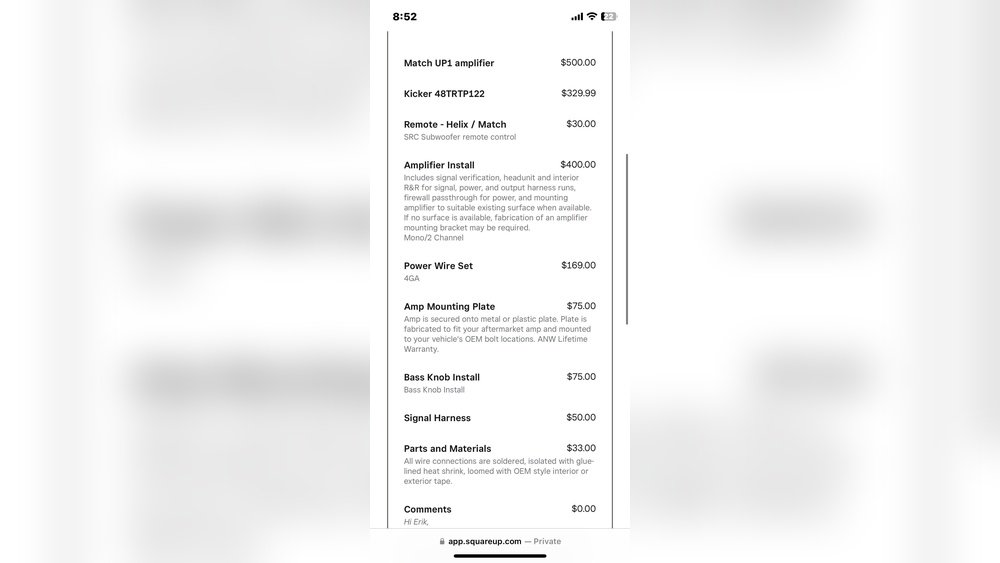
How Much Does It Cost to Install a Subwoofer? Complete Guide
If you love music or want deeper bass in your car or home, installing a subwoofer can make a big difference. But one question comes up for almost every beginner: How much does it cost to install a subwoofer? The answer is not always simple. Different factors affect the price, from the type of subwoofer to the complexity of installation. If you’re unsure where to start, this guide will break down everything you need to know. You’ll learn about the main costs, what influences them, and how to make smart choices without spending too much.
What Influences Subwoofer Installation Cost?
When you ask about the cost, you need to think beyond the price of the subwoofer itself. Installation costs depend on:
- Type of subwoofer (car or home)
- Quality and brand
- Professional vs DIY installation
- Extra parts or accessories
- Location and labor rates
Let’s look at each factor so you can understand where your money goes.
Type Of Subwoofer
There are two main types:
- Car subwoofers: Designed for vehicles, often need special wiring and fitment.
- Home subwoofers: Used in home theaters or living rooms, usually plug-and-play but may need setup.
Car subwoofer installations are usually more complex and expensive than home setups. For cars, you may need to remove panels, route wires through tight spaces, and work with the vehicle’s battery or fuse box. Many cars have limited space, so installers must fit the subwoofer and enclosure carefully.
Home subwoofers, on the other hand, are generally easier. You just connect the subwoofer to your receiver or amplifier, and place it in your room. Still, some home setups require careful placement to avoid sound issues like “boomy” or uneven bass.
Professional Vs Diy Installation
- Professional installation: You pay for expert labor. Prices vary by city, shop, and complexity.
- DIY installation: You save on labor but may need tools or extra parts. If you’re not confident with wiring, mistakes can cost more later.
Professional installers usually guarantee their work, which gives peace of mind. They know how to avoid common problems, such as ground loop noise or improper connections. DIY installation can be rewarding and cheaper, but it’s easy to make mistakes if you’re new.
For example, improper wiring can cause the subwoofer not to work or damage your car’s electrical system. Some people start DIY but end up paying a pro to fix mistakes, which increases total costs.
Extra Parts And Accessories
You might need:
- Amplifiers
- Wiring kits
- Enclosures or boxes
- Adapters
These can add $20–$200+ to your total cost. For car installations, you almost always need a separate amplifier unless your head unit has enough power (which is rare). Wiring kits include power cables, signal wires, fuse holders, and connectors. Enclosures are boxes that hold the subwoofer, and their design affects sound quality.
Home setups sometimes need special cables, like RCA or speaker wire, and adapters if your receiver doesn’t have the right output. Beginners often forget these extras, so always check what your system needs before buying.
Labor Rates And Location
Where you live matters. In big cities, rates are higher. In smaller towns, prices may be lower. Most shops charge by the hour, with average rates between $50–$100/hour.
Some shops offer flat rates for common jobs, but custom work is billed hourly. For example, a simple plug-and-play home subwoofer might cost $50 for setup, but a custom car installation with fiberglass work could cost $300 or more just for labor.
Ask about rates before you commit. Also, shops in popular areas may have longer wait times, so plan ahead if you want quick service.
Typical Subwoofer Installation Costs
Here’s what most people pay for a basic setup.
Car Subwoofer Installation
Basic car subwoofer installation usually costs:
- Subwoofer price: $50–$500 (entry to mid-range)
- Amplifier (if needed): $50–$300
- Wiring kit: $20–$50
- Enclosure/box: $30–$100
- Professional installation: $70–$150 (per unit)
If you choose a higher-end system or need custom work, costs can rise to $500–$1,500. Custom installs, like built-in enclosures or multiple subwoofers, usually require more hours and specialized materials, which add to the price. Some shops also charge extra if they need to remove seats or panels, or if your car’s wiring is difficult to access.
Home Subwoofer Installation
For a home subwoofer, the cost is often lower:
- Subwoofer price: $100–$500 (mid-range)
- Cables/adapters: $10–$30
- Professional setup (optional): $50–$120
Most home subwoofers are plug-and-play, so you may not need professional help unless you want perfect calibration. Calibration means adjusting the subwoofer’s settings so bass sounds clear and balanced. Some installers use special microphones and software to measure room acoustics.
This can help if your room has lots of echoes or odd shapes, but for most people, basic setup is enough.
Detailed Cost Breakdown
To make it easier, here’s a comparison table of car and home subwoofer installation costs.
| Item | Car Subwoofer | Home Subwoofer |
|---|---|---|
| Subwoofer | $50–$500 | $100–$500 |
| Amplifier | $50–$300 | N/A (usually built-in) |
| Wiring Kit | $20–$50 | $10–$30 |
| Enclosure/Box | $30–$100 | N/A |
| Professional Installation | $70–$150 | $50–$120 |
Key Insight: Beginners often forget about the wiring kit and enclosure, which are essential for car setups. Skipping these can cause poor sound or even damage. For example, using low-quality wires can create weak bass or interference. If the enclosure is not airtight or sized correctly, the subwoofer may sound “flat” or even get damaged over time.
Example Cost Scenarios
Let’s look at real-life examples to help you plan your budget.
Example 1: Basic Car Subwoofer
- Subwoofer: $120
- Amplifier: $80
- Wiring kit: $30
- Enclosure: $50
- Professional installation: $100
Total: $380
This setup is good for casual listeners. If you want stronger bass or a bigger subwoofer, expect to pay more. Sometimes, installers will recommend sound-deadening material for your car doors, which can cost an extra $40–$100 but improves sound quality.
Example 2: Diy Car Subwoofer
- Subwoofer: $120
- Amplifier: $80
- Wiring kit: $30
- Enclosure: $50
- Tools (one-time cost): $40
Total: $320
DIY saves about $60, but requires time and skill. You need basic tools like wire strippers, screwdrivers, and possibly a drill. If you already own tools, your cost will be lower. Always double-check wiring diagrams—mistakes can lead to blown fuses or poor sound.
Example 3: Home Theater Subwoofer
- Subwoofer: $250
- Cable: $20
- Professional setup: $70
Total: $340
If you do it yourself, cost drops to $270. Many home subwoofers have automatic calibration features, so you just connect them and follow on-screen instructions. If your receiver supports “room correction,” you can use the included mic for better results.

Credit: learn.sonicelectronix.com
Custom Installations And High-end Setups
Some users want more than basic bass. Custom work, like fiberglass enclosures or advanced tuning, can cost $500–$2,000+. High-end subwoofers can reach $1,000+ alone. If you care about aesthetics or perfect sound, expect higher labor costs.
Custom installs may include building a subwoofer box to fit a specific space, adding LED lighting, or integrating the subwoofer into your car’s interior design. For home setups, you might want in-wall or in-ceiling subwoofers, which need carpentry and extra wiring.
These projects often require multiple visits from installers.
Non-obvious tip: Ask installers about “hidden fees” like sound deadening material or extra labor hours. These can add $50–$200 to your bill. Also, check if your installer charges for follow-up visits or adjustments after the first installation.
Diy Vs Professional: Which Is Cheaper?
Many beginners ask if DIY is worth it. Here’s a side-by-side comparison:
| Aspect | DIY | Professional |
|---|---|---|
| Cost | Lower (no labor fee) | Higher (labor fee) |
| Skill Needed | Medium to High | None (installer handles everything) |
| Time | 2–5 hours | 1–2 hours |
| Warranty | Rare | Often included |
| Risk | Possible mistakes | Low risk |
If you’re confident and want to save money, DIY is good. If you want peace of mind, professional installation is safer. Some installers give a warranty for their work, so if something goes wrong, you won’t pay extra. DIY has no warranty; if you break something, you must fix it yourself.
Credit: electricsafe.ca
How To Save Money When Installing A Subwoofer
You don’t have to overspend. Here are practical ways to cut costs:
- Buy used subwoofers or amplifiers: Often much cheaper, but check condition.
- Bundle purchases: Some shops offer discounts if you buy everything together.
- Ask for quotes: Get prices from at least 3 installers before choosing.
- Choose off-brand parts: Quality can be good, but research reviews.
- Skip professional calibration for home setups unless you’re an audiophile.
You can also save by installing during sales seasons, like Black Friday. Some brands offer “open box” deals, which are new items with minor packaging damage at a discount.
Beginners often miss: Extra costs like soundproofing or unexpected labor. Always ask for a full breakdown before agreeing. Another tip—some installers charge more if your car is newer or has advanced electronics, so check in advance.
Common Mistakes That Increase Costs
New users often make mistakes that lead to higher bills:
- Buying incompatible parts: Make sure your amplifier matches your subwoofer’s power.
- Skipping research: Not all installers are equal; check reviews.
- Ignoring warranty: If you install yourself, some brands won’t honor the warranty.
- Underestimating labor: Custom work takes longer and costs more.
- Forgetting accessories: Small items like mounting brackets or adapters add up.
A less obvious mistake is not planning future upgrades. If you think you might add more speakers later, choose wiring and amplifiers that can handle extra load. Otherwise, you’ll spend more when you upgrade.

Credit: learn.sonicelectronix.com
How Long Does Installation Take?
Most basic car subwoofer installations take 1–2 hours for professionals, and 2–5 hours for DIY. Home subwoofers can be set up in 30–60 minutes, unless complex calibration is needed.
If your car or home setup is unusual, installation may take longer. For example, vintage cars may need special adapters, and rooms with lots of furniture may require extra calibration. Always ask your installer how long the job will take, so you can plan.
Is Subwoofer Installation Worth The Cost?
If you love music or movies, the answer is usually yes. Subwoofers add depth, power, and clarity to bass, making the experience much richer. But you must balance your budget with your needs.
- Entry-level setups are affordable and easy.
- High-end systems cost more but provide amazing sound.
A well-installed subwoofer lasts years, so it’s often a smart investment. Many people find they enjoy their favorite songs or movies much more with proper bass. If you’re unsure, start with a basic system—you can upgrade later if you want.
Frequently Asked Questions
How Much Does A Basic Car Subwoofer Installation Cost?
A basic car subwoofer installation, including parts and labor, usually costs $250–$500. If you install yourself, you can save about $100–$150.
Can I Install A Subwoofer Myself?
Yes, many people do DIY installations. You’ll need tools, some technical skill, and patience. Mistakes can cause damage, so follow instructions carefully. If you’re new, watch video tutorials and read the manual before starting.
What Are Hidden Costs In Subwoofer Installation?
Hidden costs include extra wiring, adapters, soundproofing material, and unexpected labor hours. Always ask for a detailed quote before starting. Some shops charge more for troubleshooting or for fixing old wiring.
Do I Need An Amplifier For My Subwoofer?
Most car subwoofers need a separate amplifier. Some home subwoofers have built-in amps. Check your subwoofer’s specifications before buying. If your amp is too weak, the subwoofer won’t perform well.
Where Can I Find More Information About Subwoofer Installation?
A reliable resource is Crutchfield’s Subwoofer Installation Guide for step-by-step instructions and tips.
Installing a subwoofer can feel confusing, but with the right information, you can make smart choices. Whether you pick DIY or professional help, understanding the costs and steps will help you get the best sound for your money. Enjoy deeper bass and a richer audio experience without overspending.