What Aftermarket Stereo Fits My Car: The Ultimate Fit Guide
What Aftermarket Stereo Fits My Car
Upgrading your car’s stereo is one of the easiest ways to improve your driving experience. Music sounds better, navigation is smoother, and you get modern features like Bluetooth and touchscreens. But finding the right aftermarket stereo can be confusing—especially if you’re new to car audio. Not all stereos fit all cars, and choosing the wrong one means wasted money and frustration. This guide will help you understand what fits your car, how to check compatibility, and avoid common mistakes. Even if your English is not perfect, you’ll find clear answers here.
Why Change Your Car Stereo?
Most factory stereos are basic. They may not have Bluetooth, high-quality sound, or smartphone integration. Upgrading lets you enjoy:
- Better sound quality
- Hands-free calling
- Streaming music from your phone
- Touchscreen controls
- Navigation and maps
Older cars often lack these features. Even newer cars may have limited options. An aftermarket stereo can make your car feel fresh and modern. For example, if you drive a 2005 sedan, a new stereo can give you Bluetooth, USB charging, and a bigger screen—features only found in newer vehicles.
Many people change stereos to get safer driving, because hands-free calling means you don’t need to touch your phone while driving. Also, advanced audio settings help you customize how music sounds, so you get richer bass or clearer vocals depending on your preference.
Another reason is security. Some aftermarket stereos come with anti-theft features, like removable faceplates or password protection, making your car less of a target for thieves. And if you travel with family or friends, having multiple ways to connect devices, like USB and AUX ports, makes the ride more enjoyable for everyone.
Types Of Aftermarket Stereos
Car stereos come in a few main sizes and types. Understanding these is key to finding the right fit.
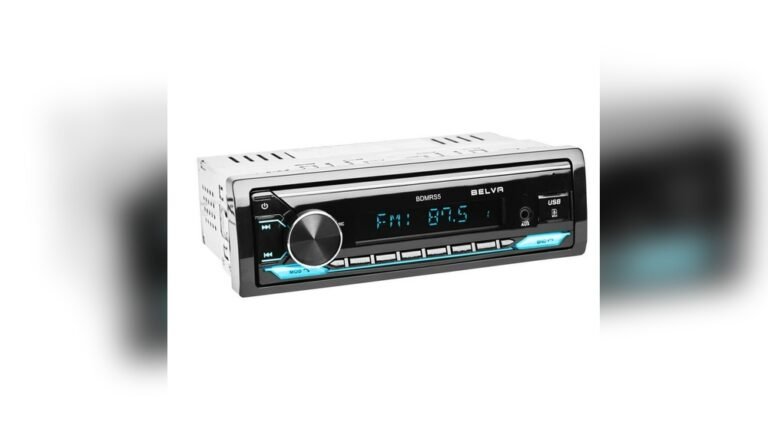
Single-din
- Single-DIN is a standard size for many cars.
- The opening is about 2 inches tall and 7 inches wide.
- Most older cars use this size.
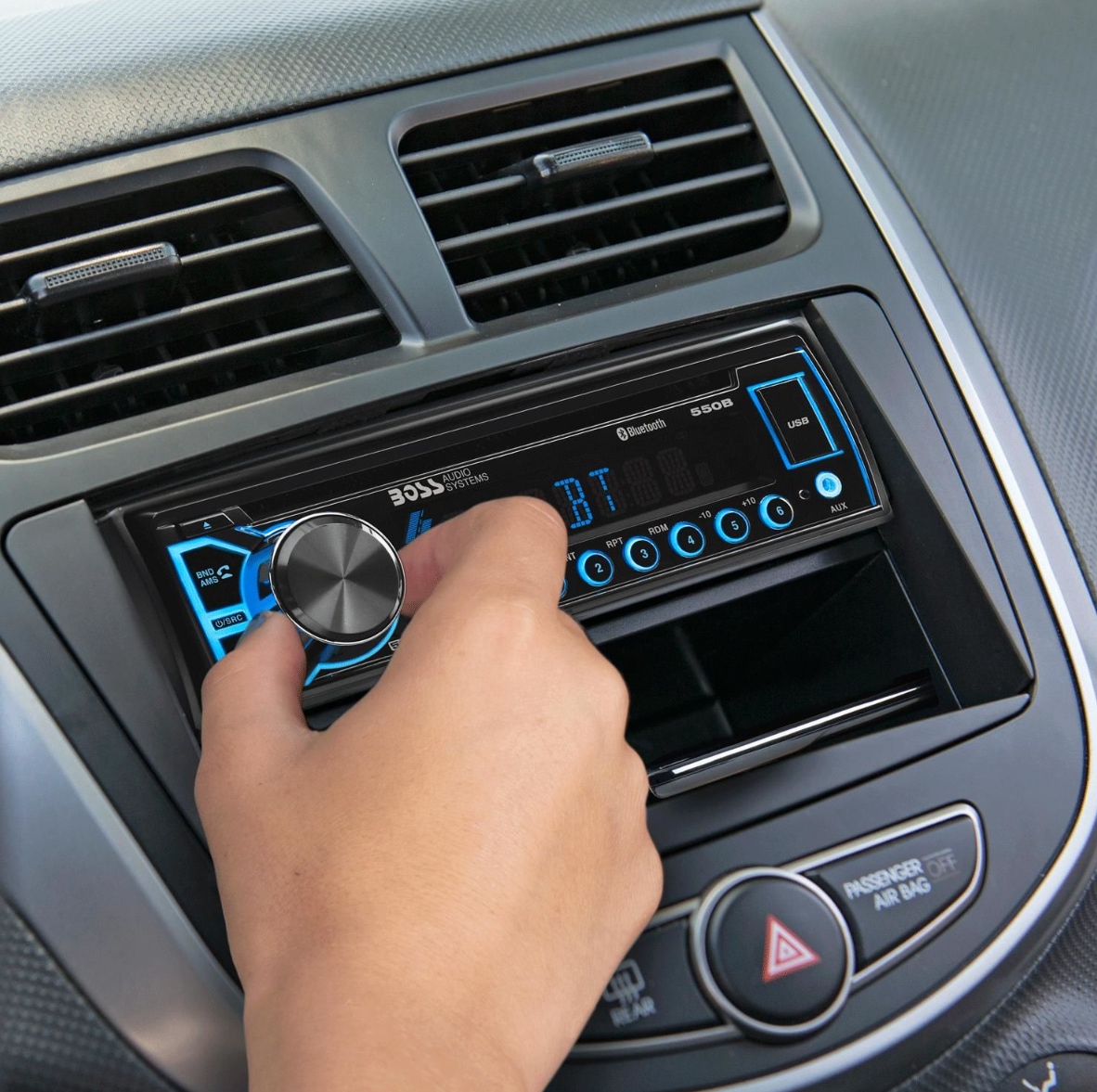
Single-DIN units are usually simple. They have basic controls, like knobs and buttons, and often include Bluetooth. Some models have small displays, but rarely touchscreens. These stereos are easy to install and often cost less. If you drive a car from the 1990s or early 2000s, it likely uses single-DIN.
Double-din
- Double-DIN is twice as tall—about 4 inches.
- Fits larger openings, usually found in newer cars.
- Allows for bigger screens and more features.
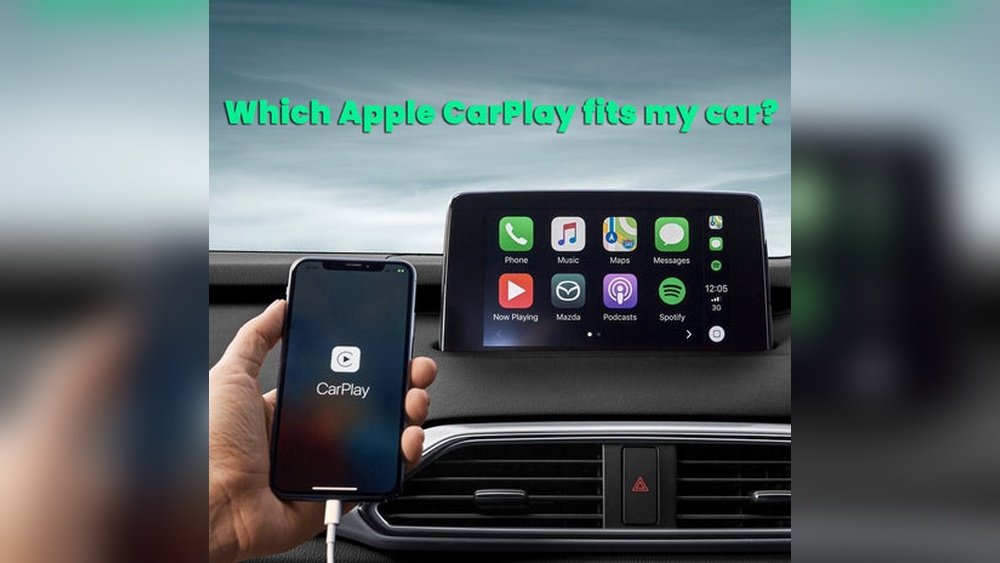
Double-DIN units are more advanced. Most have touchscreens, and some support Apple CarPlay or Android Auto. You can get navigation, video playback, and even backup camera support. Double-DIN stereos are popular in family cars, SUVs, and trucks made after 2005.
Touchscreen Units
- Usually double-DIN.
- Offer navigation, apps, and modern controls.
- Sometimes require extra space or adapters.
Touchscreen units make using your stereo easier, especially for navigation and music apps. Some touchscreens are motorized and can fold out from a single-DIN slot, but these are less common and may not fit all cars. If you want a modern experience, touchscreen units are a good choice.
Specialty Units
- Some cars need custom-shaped stereos.
- Brands like Toyota, Honda, BMW may use unique designs.
- You may need a special kit for installation.
Specialty units are made for cars with non-standard dash shapes. For example, some Toyota and BMW models have curved or angled dashboards. You might need a specific installation kit or faceplate to make the new stereo fit and look good.
Ask a local car audio shop or check online compatibility tools for your exact model.
Credit: www.extremeterrain.com
How To Check What Fits Your Car
Before buying, you need to know what size and type your car supports. Here’s how:
- Check your car’s manual: Look for stereo size details.
- Measure the opening: Use a ruler to check height and width.
- Online tools: Websites like Crutchfield, Sonic Electronix let you enter your car’s make, model, and year to see what fits.
- Dash shape: Some dashboards curve or slope, making standard stereos harder to install.
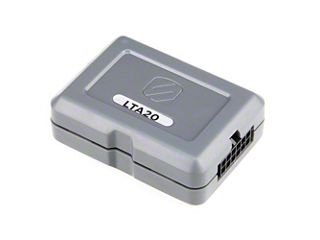
- Factory wiring: Check if your car uses unique connectors.
Most cars after 1990 support either single-DIN or double-DIN stereos. But some luxury or older models need special adapters. If your car has controls built into the dash or a screen that controls air conditioning, you may need a special integration kit to keep those features working.
Example: 2010 Honda Civic
- Dash opening: Double-DIN
- Wiring: Standard with adapter
- Best fit: Double-DIN touchscreen
The Civic’s dash is flat and wide, making installation simple. You’ll need a wiring harness adapter so you don’t cut factory wires.
Example: 2003 Ford Focus
- Dash opening: Single-DIN
- Wiring: Standard
- Best fit: Single-DIN unit
The Focus has a smaller, basic dash. Most single-DIN stereos fit easily. You may want a dash kit for a cleaner look.
You can also check forums and YouTube videos for your car model. Many people share photos and advice on fitting different stereos, which helps avoid mistakes.
Key Features To Consider
Not all aftermarket stereos are equal. Here’s what matters most:
- Size: Single-DIN or double-DIN
- Screen: Touchscreen or basic
- Bluetooth: For phone and music
- USB/Aux Inputs: For devices
- Apple CarPlay/Android Auto: Smartphone integration
- Navigation: Built-in GPS
- Audio Output: Watts per channel, number of channels
- Expandability: Extra ports for amps or speakers
When comparing models, look for clear specs. For example, if you want to add subwoofers later, make sure the stereo has RCA outputs. If you often use your phone for directions, choose a unit with CarPlay or Android Auto.
Comparison Table: Single-din Vs Double-din
| Feature | Single-DIN | Double-DIN |
|---|---|---|
| Height | 2 inches | 4 inches |
| Touchscreen | Rare | Common |
| Bluetooth | Often | Almost always |
| Navigation | Limited | Available |
| Best For | Older cars | Newer cars |
Double-DIN stereos often support more apps and settings. Single-DIN units are simpler and sometimes easier to operate while driving.
Credit: www.autozone.com
How To Choose The Right Stereo For Your Car
Choosing the right stereo is not just about size. Think about your needs and your car’s limitations.
Step 1: Know Your Dash Size
- Measure the opening or check online.
- Single-DIN fits most older cars.
- Double-DIN fits bigger openings.
If your car has a factory navigation screen, check if removing it affects other controls, like climate or vehicle settings.
Step 2: Decide On Features
- Do you want a touchscreen?
- Is Bluetooth important?
- Need navigation or CarPlay?
List the features you use daily. For example, if you listen to FM radio and podcasts, you need Bluetooth and USB. If you drive long distances, built-in GPS is helpful.
Step 3: Check Wiring Compatibility
- Some cars need wiring adapters.
- Look for plug-and-play options if you’re a beginner.
Adapters save time and protect your car’s wiring. Some stereos even include adapters for steering wheel controls.
Step 4: Consider Installation
- Will you install it yourself or hire a pro?
- Some units require more work.
- Dash kits may be needed for custom fit.
If your dash is shaped oddly, a dash kit can make the new stereo look factory-installed. Professional installers can handle complex setups and avoid damaging your car.
Step 5: Compare Popular Models
Here are three top choices for beginners:
- Pioneer MVH-S622BS (Single-DIN)
- Bluetooth, USB, easy installation
- Kenwood DMX7706S (Double-DIN)
- Touchscreen, CarPlay, Android Auto
- Sony XAV-AX100 (Double-DIN)
- Compact, responsive touchscreen, great sound
These models are known for reliability and user-friendly controls. If you want to upgrade later, all support extra speakers or amplifiers.
Data Table: Popular Aftermarket Stereo Features
| Model | DIN Size | Bluetooth | Touchscreen | CarPlay/Android Auto |
|---|---|---|---|---|
| Pioneer MVH-S622BS | Single-DIN | Yes | No | No |
| Kenwood DMX7706S | Double-DIN | Yes | Yes | Yes |
| Sony XAV-AX100 | Double-DIN | Yes | Yes | Yes |
Common Mistakes Beginners Make
Getting the wrong stereo is common for first-time buyers. Here’s how to avoid the biggest issues:
- Wrong size: Always measure before buying.
- Ignoring wiring: Some cars need special adapters.
- Skipping dash kits: Custom kits help fit odd-shaped dashboards.
- Choosing too many features: Pick what you’ll actually use.
- Underestimating installation: Professional help can save time.
Non-obvious Insight
Many beginners forget to check if their car’s steering wheel controls will still work after an upgrade. You may need an extra adapter for this.
Another mistake: Some cars have built-in security systems linked to the stereo. Removing the factory unit can trigger warning lights or disable features.
One more tip—if your car has a factory amplifier, you might need a special adapter to keep it working. Otherwise, your new stereo may not deliver sound to all speakers.
How Installation Works
You can install a stereo yourself or pay a professional. For beginners, here’s what the process looks like:
- Remove the old unit: Unscrew and pull out.
- Install dash kit: If needed, attach the new kit.
- Connect wiring harness: Plug adapters into your car’s wiring.
- Mount the new stereo: Slide in and screw tight.
- Test: Turn on, check all features.
If you install yourself, label wires and read instructions carefully. Some cars have tight spaces behind the dash, so be patient.
Data Table: Diy Vs Professional Installation
| Installation Type | Average Cost | Time Required | Skill Needed |
|---|---|---|---|
| DIY | $0-$50 (tools and kits) | 1-3 hours | Beginner-Intermediate |
| Professional | $70-$200 | 1 hour | None |
For DIY, you need screwdrivers, wire strippers, and sometimes a socket set. Professional installers have experience with different car models, so they finish faster and avoid mistakes.
Where To Buy And Check Compatibility
The safest way to find a stereo that fits is to use compatibility checkers from trusted retailers. Enter your car’s year, make, and model, and they show what fits and what adapters you need. Here are steps:
- Go to a site like Crutchfield, Best Buy, or Sonic Electronix.
- Use their “fit my car” tool.
- See a list of compatible stereos.
- Check for dash kits and wiring harnesses.
You can also ask at a local car audio shop for advice. They often know what works for common models. If your car is rare or from outside the US, bring photos or check online forums for advice.
For more detailed compatibility data, see Crutchfield.
Tips For A Successful Upgrade
- Research before buying: Use fit guides and read reviews.
- Buy all needed parts: Stereo, dash kit, wiring harness, adapters.
- Consider future upgrades: Will you add speakers or amps later?
- Keep the old stereo: You may need it if you sell the car.
- Test before final install: Make sure everything works before screwing in.
If your car is leased, check with the dealer before upgrading. Some leases require the original stereo when you return the car. Also, take photos of your wiring before removal—this helps if you need to reinstall the factory unit.
Frequently Asked Questions
What Is A Din Size?
DIN size refers to the height and width of the stereo slot in your car. Single-DIN is 2 inches tall, double-DIN is 4 inches. Measure your car’s opening to know which you need.
Can I Install An Aftermarket Stereo Myself?
Yes, many people install their own stereos. You need basic tools and patience. For complex dashboards or wiring, professional help is recommended.
Will My Steering Wheel Controls Still Work?
Sometimes, yes—but you often need a special adapter. Check compatibility before buying, or ask the seller if they offer steering wheel control kits.
Do I Need A Dash Kit Or Wiring Harness?
Most cars need a dash kit for a clean fit and a wiring harness to connect the new stereo. These are cheap and easy to find. Fit guides show what you need.
What Happens To My Car’s Warranty?
Installing an aftermarket stereo usually does not void your warranty. But if you damage wiring or electronics, repairs may not be covered. Always check with your dealer before starting.
Upgrading your car’s stereo can make every drive better. With the right fit, features, and planning, even beginners can do it successfully. Remember to measure carefully, use compatibility tools, and buy all needed parts. With this guide, you’re ready to find the perfect aftermarket stereo for your car.
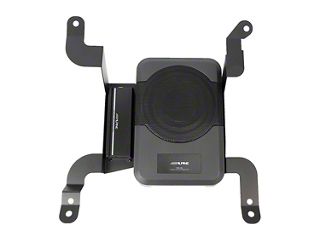
Credit: www.extremeterrain.com