Rear Deck Subwoofer Box Elevating Your Car Audio Experience
If you want deep, powerful bass in your car, you may have heard about the rear deck subwoofer box. This upgrade is not just for car audio fans—it can change how you feel and enjoy music while driving. Many people think only door speakers or trunk subwoofers matter. But the rear deck sub box offers something unique: clear, punchy bass that seems to come from all around you, not just from the back.
Let’s break down what a rear deck subwoofer box is, how it works, why it could be the best upgrade for your car audio, and what you need to know before you install one.
What Is A Rear Deck Subwoofer Box?
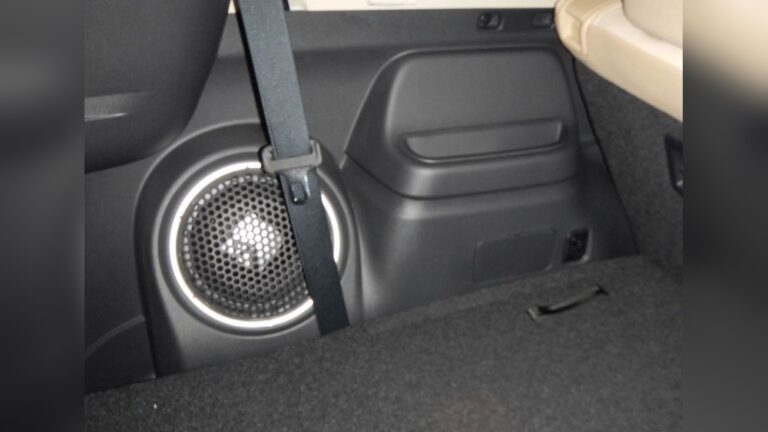
A rear deck subwoofer box is a special enclosure for a subwoofer, placed on or under the rear deck (the shelf behind the back seats, below the rear window). Unlike subwoofers in the trunk, this location lets bass enter the cabin directly. The result? Your bass sounds tighter and more natural.
How It Works
- The subwoofer sits in a box designed to hold it firmly.
- The box is fixed to the rear deck, usually with bolts or strong brackets.
- Sound travels easily through the rear window and seats, blending with your other speakers.
Main Benefits
- Direct bass delivery: No muffled sounds from the trunk.
- Space-saving: Uses space you rarely use.
- Improved soundstage: Bass feels like it’s coming from the whole car, not just the back.
Why Upgrade To A Rear Deck Subwoofer Box?
Most factory car audio systems have weak bass. Even if you replace door speakers, you rarely get the deep, low notes that make hip hop, EDM, or rock music exciting.
Key Reasons
- Better Bass Quality
- The rear deck location lets you hear and feel the bass more clearly.
- You get less vibration and rattling compared to trunk subwoofers.
- More Trunk Space
- Standard trunk boxes can eat up cargo space.
- Rear deck boxes leave your trunk open for groceries, luggage, or tools.
- Balanced Sound
- Bass blends with front and rear speakers.
- You won’t get “boomy” bass that drowns out vocals or treble.
Real-world Example
A survey by Car Audio Magazine found that 68% of car owners preferred the sound of a rear deck subwoofer compared to a trunk sub. The main reasons: tighter bass and less cabin rattle.
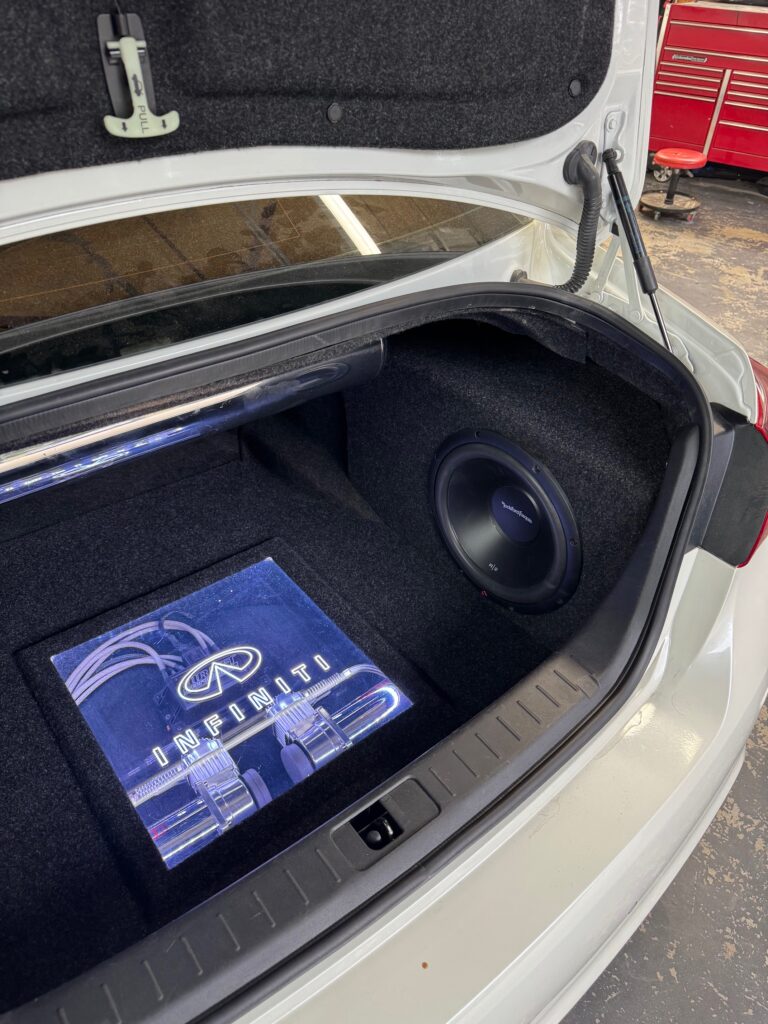
Credit: audiodesignscg.com
Types Of Rear Deck Subwoofer Boxes
Choosing the right type is important for the best sound. There are three common types:
| Type | Sound Profile | Best For |
|---|---|---|
| Sealed Box | Tight, accurate bass | Music with fast beats (rock, jazz) |
| Ported Box | Louder, deeper bass | Hip hop, EDM, pop |
| Bandpass Box | Very loud, “one-note” bass | Bass-heavy styles, SPL competitions |
Sealed Box
A sealed box is airtight. It gives clean, punchy bass, but not the loudest. It’s perfect if you want accuracy over volume.
Ported Box
A ported box has a vent (port) that boosts certain bass notes. It’s louder but can sometimes sound “boomy. ” If you like bass you can feel, this may suit you.
Bandpass Box
This is more advanced. The subwoofer sits inside a box-within-a-box. It’s super loud, but only plays a narrow range of bass. Best for showing off, not for daily music.
Key Factors To Consider Before Installing
Installing a rear deck subwoofer box is not just about buying and bolting it in. You need to plan for the best results.
Size And Fit
- Measure your rear deck. Not all cars have enough space.
- Choose the largest subwoofer that fits, but don’t block your rear window.
Power Handling
- Match the subwoofer’s RMS power rating to your amplifier.
- Too much power can damage the sub, too little makes weak bass.
Material Quality
- Boxes made from MDF (medium-density fiberboard) are strong and reduce vibrations.
- Avoid cheap plastic or thin wood.
Car Type
- Sedans, coupes, and hatchbacks have different rear deck shapes.
- Some cars need custom boxes for a perfect fit.
Sound Deadening
Bass can make your car rattle. Adding sound deadening material under the box and on metal panels reduces this problem.
Installation: Step-by-step For Beginners
You don’t need to be a pro, but you do need basic tools and patience.
- Disconnect the battery. This keeps you safe from shocks.
- Remove the rear deck panel. Usually, you need a screwdriver and trim tools.
- Test fit the subwoofer box. Make sure it doesn’t block seatbelts or speakers.
- Mark mounting holes. Use a pencil to show where bolts will go.
- Drill carefully. Wear safety glasses.
- Bolt down the box. Use metal brackets if possible.
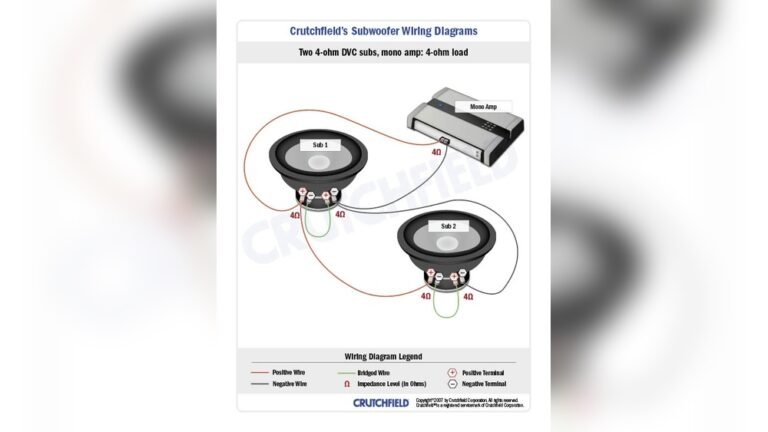
- Run wires neatly. Connect the subwoofer to your amp with quality cables.
- Reconnect the battery and test the system.
Common Mistakes To Avoid
- Using thin, weak wires (causes overheating).
- Not sealing the box (leaks reduce bass).
- Blocking rear window defroster or airbags.
Comparing Rear Deck Subwoofer Boxes Vs. Trunk Subwoofers
Many people ask: “Why not just put a subwoofer box in my trunk?” Here’s a direct comparison:
| Feature | Rear Deck Sub Box | Trunk Subwoofer Box |
|---|---|---|
| Bass Clarity | High (direct to cabin) | Medium (can sound muffled) |
| Trunk Space | Unaffected | Reduced |
| Installation Difficulty | Medium | Easy |
| Cabin Rattling | Low | High |
| Stealth Appearance | Yes | No |
| Cost | Medium | Low-Medium |
| Sound Quality (SQ Fans) | Preferred | Less Preferred |
Non-obvious insight: Rear deck boxes often use the car’s metal structure as part of the sound, improving bass even more. Trunk subs can waste energy shaking the trunk, not filling the cabin.

Credit: comandoaudio.com
How To Choose The Best Subwoofer And Box Combo
With so many models, how do you pick the right one? Focus on these points:
Subwoofer Size
- 8-inch: Fast, punchy bass. Good for jazz, classic rock.
- 10-inch: Balanced for most music.
- 12-inch: Deep, strong bass for hip hop and pop.
- 15-inch: Very loud, may not fit all decks.
Box Volume
Every subwoofer has a “recommended box volume” from the maker. Too small or too big, and bass will sound weak or distorted. Check the sub’s manual.
Sensitivity Rating
A higher sensitivity (like 90 dB or more) means you get more sound with less power. This is important if your amp is not very strong.
Example: Matching Sub And Box
If you buy a 12-inch, 400-watt RMS subwoofer with a recommended 1.25 cubic foot sealed box:
- Don’t use a 0.5 cubic foot box (bass will be weak).
- Don’t buy a 1000-watt amp (overpowers the sub).
- Use thick, oxygen-free copper wires for clear power delivery.
Custom Vs. Pre-built: Which Is Better?
You can buy a custom-built box or a pre-built (universal) box.
Custom Boxes
- Made for your exact car and subwoofer.
- Best fit and sound quality.
- More expensive.
Pre-built Boxes
- Easier to buy and install.
- May not fit perfectly or sound as good.
- Cheaper.
Hidden Costs
Non-obvious insight: Some pre-built boxes look good but use thin wood or bad seals. This causes air leaks and poor bass. Always check the box’s material and construction quality.
Practical Tips For Getting The Most Out Of Your Rear Deck Subwoofer Box
- Tune your amp: Set the low-pass filter to around 80 Hz for tight bass.
- Use bass blockers: These small filters stop mid and high sounds from reaching your subwoofer.
- Seal all gaps: Even small air leaks can ruin bass.
- Check box mounting: Loose boxes can rattle or move in a crash.
- Upgrade speaker wires: 12 gauge or thicker is best for subwoofers.
- Test with different music: Use songs with clear bass to fine-tune your settings.
Maintenance And Longevity
A good rear deck subwoofer box can last for years, but only if you care for it:
- Keep the area dry. Moisture can warp wood or cause mold.
- Check mounting bolts every few months.
- Clean the subwoofer grill to avoid dust buildup.
- If you hear rattling, check for loose screws or wires.
With simple care, your system will sound great for the long term.
Common Myths About Rear Deck Subwoofer Boxes
- “They’re only for big cars.”
- Not true. Many compact cars can fit an 8” or 10” sub on the rear deck.
- “You need a giant amp.”
- A good 200-300 watt amp is enough for most setups.
- “They’re hard to install.”
- With the right tools and patience, even beginners can do it.
- “They ruin resale value.”
- Most boxes are removable. Clean installation leaves no marks.
- “They block rear visibility.”
- Low-profile boxes and flush mounting can keep your window clear.
Cost Breakdown: What Should You Expect To Spend?
Here’s a quick estimate of what you might pay:
| Item | Low Cost | High Cost |
|---|---|---|
| Subwoofer | $50 | $300 |
| Box (pre-built) | $40 | $150 |
| Box (custom) | $100 | $300 |
| Amplifier | $60 | $350 |
| Wiring Kit | $20 | $60 |
| Sound Deadening | $30 | $100 |
| Installation (DIY) | $0 | $0 |
| Installation (Pro) | $100 | $300 |
Tip: Don’t always go for the cheapest. A good box and amp make the biggest difference.

Credit: audiocontrol.com
Final Thoughts: Is It Worth It?
If you love music, a rear deck subwoofer box is one of the best upgrades you can make. It’s not just about loud bass—it’s about clean, clear, exciting sound that makes every drive better. With the right planning and tools, even beginners can do this upgrade and enjoy pro-level audio.
There are a few challenges: measuring, choosing parts, and careful installation. But the results are worth it. You’ll rediscover your favorite songs—and your car will feel like a moving concert hall.
For more details on car audio science, check resources like Wikipedia’s subwoofer page.
Frequently Asked Questions
What Size Subwoofer Is Best For My Rear Deck?
Most cars fit 8-inch or 10-inch subwoofers easily. Larger sizes (like 12-inch) need more space and may block the rear window. Always measure your deck before buying.
Do I Need A Special Amplifier For A Rear Deck Subwoofer Box?
You need an amplifier that matches your subwoofer’s RMS power and impedance. For example, a 300-watt RMS subwoofer works best with a 200-400 watt RMS amp.
Can I Install A Rear Deck Subwoofer Box Myself?
Yes, most people can install it with basic tools. Be sure to disconnect the battery, use strong mounting, and run wires safely. If you’re unsure, a pro installer can help.
Will A Rear Deck Subwoofer Box Work With My Factory Stereo?
It can, but you may need a line output converter (LOC) to connect an amp to your factory system. Some modern stereos have subwoofer outputs built in.
Is A Rear Deck Subwoofer Box Better Than A Trunk Subwoofer?
For bass clarity and space-saving, the rear deck box is often better. Trunk subwoofers are easier to install but can sound muffled and take up space.
By following these tips and understanding your options, you can take your car audio to the next level—even if you’re a beginner.