Loudest 6.5 Midrange Speakers for Your Car Stereo: Top Picks
If you love music on the road, you know how important great sound is. A powerful midrange speaker can transform your car stereo from average to incredible. If you want music that’s not just loud but also clear, the right 6.5-inch midrange speaker makes all the difference. But with so many choices, it’s easy to feel lost—especially if you’re not an audio expert. This article will help you discover the loudest 6.5 midrange speakers for your car, with simple explanations and practical tips. Whether you like hip-hop, rock, or podcasts, you’ll find the best options for bigger, richer sound.
Why Midrange Speakers Matter In Car Audio
Most car sound systems use several types of speakers. The midrange speaker covers the “middle” frequencies—mainly voices, guitars, and most instruments. If you only upgrade your bass or tweeters, you’ll miss out on the heart of your music. A strong midrange makes vocals sound clearer, and it helps balance high and low sounds. For loud music that still sounds natural, midrange speakers are essential.
What Makes A Midrange Speaker “loud”?
Loudness in speakers is measured in sensitivity (decibels, dB) and power handling (watts, W). Here’s what to check:
- Sensitivity (dB): Higher numbers mean the speaker is louder with the same power.
- RMS Power: How much power the speaker can handle continuously (not just in short bursts).
- Peak Power: The maximum power for short moments, but not as important as RMS.
- Impedance (Ohms): Lower ohms (like 4Ω) draw more power from your car stereo, often making the speaker louder.
If you want sound that fills your car (or turns heads), look for high sensitivity (above 90 dB) and high RMS power handling.
Loudest 6.5 Midrange Speakers For Your Car Stereo
Below are six of the loudest and best-rated 6. 5-inch midrange speakers for car audio. Each one is famous for strong volume, clear sound, and reliability. The descriptions will help beginners understand the unique qualities of each speaker.
1. Ds18 Pro-gm6.4b
The DS18 PRO-GM6.4B is a powerhouse in the car audio world. It’s designed for people who want big, clear sound without distortion.
- Power Handling: 140W RMS, 480W Peak
- Sensitivity: 92 dB
- Frequency Range: 90 Hz – 10 kHz
- Impedance: 4Ω
What Makes It Loud?
- High sensitivity and big magnet mean more sound per watt.
- Handles lots of power, making it great for high-volume music.
Beginner Tips:
- Works well with most aftermarket car amplifiers.
- For best results, pair with a subwoofer (for bass) and tweeters (for highs).
Non-obvious insight: The DS18’s aluminum voice coil helps keep the speaker cool, so it can play loud for longer without overheating—a detail many beginners miss.
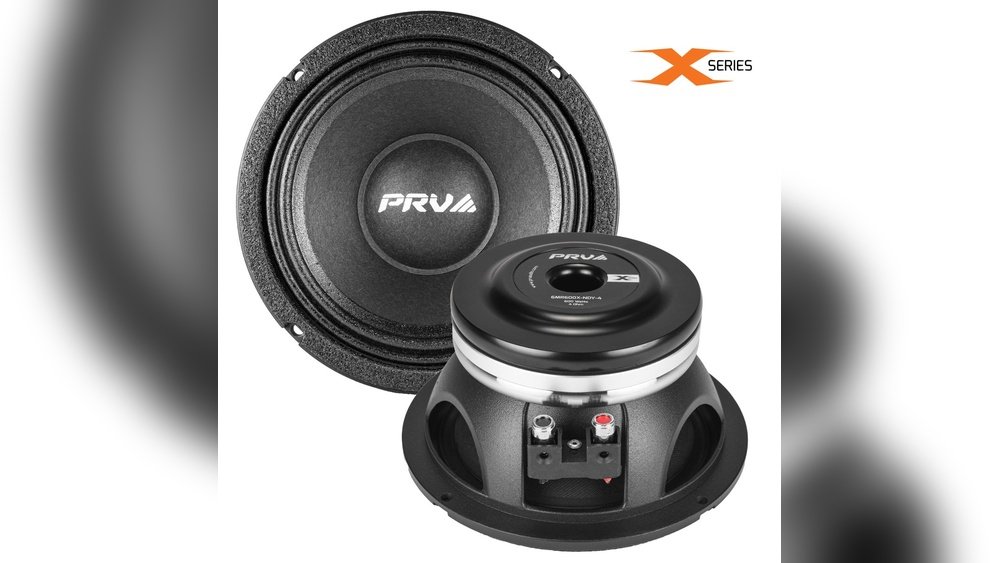
2. Prv Audio 6mr500-ndy-4
The PRV Audio 6MR500-NDY-4 is popular with car audio competitors. It uses a neodymium magnet, which keeps the speaker light but powerful.
- Power Handling: 250W RMS, 500W Peak
- Sensitivity: 95 dB
- Frequency Range: 100 Hz – 8 kHz
- Impedance: 4Ω
What Makes It Loud?
- Extremely high sensitivity (95 dB) means you get loud sound even from lower-powered amps.
- Neodymium magnet boosts performance without adding weight.
Beginner Tips:
- Easy to fit in most doors thanks to its shallow design.
- Because it’s so efficient, you can use it with factory wiring—but a good amp brings out its full potential.
Non-obvious insight: Many people overlook the lightweight design, which helps with installation and doesn’t stress your car’s door panels.
3. Rockford Fosgate Pps4-6
The Rockford Fosgate PPS4-6 is built for clarity and punch. It’s trusted by those who want detail and power.
- Power Handling: 100W RMS, 200W Peak
- Sensitivity: 92.5 dB
- Frequency Range: 85 Hz – 5 kHz
- Impedance: 4Ω
What Makes It Loud?
- Special fiber-reinforced paper cone delivers both volume and natural sound.
- High sensitivity and power handling for strong output.
Beginner Tips:
- Needs a good amplifier to reach its full volume.
- Works best in custom door panels or enclosures for top performance.
Practical example: If you play rock or live music, the PPS4-6 keeps vocals and guitars clear even at high volume.
4. Jbl Gto629 Premium
The JBL GTO629 brings both loudness and smooth sound. It’s a favorite for those who want a strong upgrade without losing music quality.
- Power Handling: 60W RMS, 180W Peak
- Sensitivity: 93 dB
- Frequency Range: 53 Hz – 21 kHz
- Impedance: 3Ω
What Makes It Loud?
- Lower impedance (3Ω) draws more power from most car stereos, making it louder.
- Patented Plus One™ cone gives bigger surface area for more sound.
Beginner Tips:
- Can work with factory car stereos, but an amp makes it shine.
- Great for all music types, especially pop, R&B, and electronic.
Non-obvious insight: The GTO629’s “edge-driven tweeter” adds extra sparkle to vocals and detail, often missing in basic car speakers.
5. Hertz Sv 165.1 Spl Show
The Hertz SV 165.1 SPL Show is aimed at people who want concert-level sound in their car. It’s made for serious volume.
- Power Handling: 200W RMS, 400W Peak
- Sensitivity: 97 dB
- Frequency Range: 100 Hz – 10 kHz
- Impedance: 4Ω
What Makes It Loud?
- One of the highest sensitivity ratings (97 dB) in its class.
- Built for extreme sound pressure levels (SPL).
Beginner Tips:
- Needs a powerful amp to avoid distortion at max volume.
- Heavy-duty build—make sure your car doors can handle the weight.
Practical example: If you want your music to be heard from a block away, this speaker is a top pick.
6. Pioneer Ts-m650pro
The Pioneer TS-M650PRO is known for reliability and strong midrange sound. It’s a great choice for people who want a name brand with proven performance.
- Power Handling: 110W RMS, 500W Peak
- Sensitivity: 92 dB
- Frequency Range: 50 Hz – 18 kHz
- Impedance: 4Ω
What Makes It Loud?
- Designed to handle high power for long periods.
- Blends loudness with smooth, clear sound.
Beginner Tips:
- Best when used with a Pioneer amplifier, but works with other brands too.
- Popular for both music and loud voice announcements (in show cars).
Non-obvious insight: The Pioneer’s strong steel frame helps cut vibrations, so you hear more music and less noise from your car’s panels.
Direct Comparison Of Loudness And Power
To see how these speakers compare, here’s a table with their key loudness numbers:
| Model | Sensitivity (dB) | RMS Power (W) | Peak Power (W) | Impedance (Ω) |
|---|---|---|---|---|
| DS18 PRO-GM6.4B | 92 | 140 | 480 | 4 |
| PRV Audio 6MR500-NDY-4 | 95 | 250 | 500 | 4 |
| Rockford Fosgate PPS4-6 | 92.5 | 100 | 200 | 4 |
| JBL GTO629 Premium | 93 | 60 | 180 | 3 |
| Hertz SV 165.1 SPL Show | 97 | 200 | 400 | 4 |
| Pioneer TS-M650PRO | 92 | 110 | 500 | 4 |
Key Factors When Choosing Loud Midrange Speakers
If you want the best results, don’t just pick the speaker with the highest numbers. Here are important things to consider:
- Car Compatibility: Make sure the speaker fits in your car’s door or dash. Check the mounting depth and diameter.
- Amplifier Power: The speaker’s RMS should match your amplifier’s output for the loudest, safest sound.
- Music Taste: Some speakers are better for certain types of music. For example, the Hertz is great for electronic or hip-hop, while the Rockford is perfect for rock and vocals.
- Build Quality: Strong materials (like steel frames or neodymium magnets) help with durability and sound clarity.
- Budget: More expensive doesn’t always mean better for your needs.
Example: Matching Speaker To Car System
Suppose you have a 50W per channel amp. The JBL GTO629 fits well because it’s efficient and doesn’t need lots of power. If you have a high-power amp (100W+), the PRV Audio or Hertz SV 165.1 will give more volume and headroom.

Credit: www.ebay.com
Practical Tips For Installing Loud Midrange Speakers
You don’t need to be a pro to get great results, but a few practical steps can help:
- Sound Deadening: Adding material like foam or mats in your car door can reduce vibration and let your speakers sound clearer and louder.
- Speaker Placement: Place speakers at ear level when possible for best sound.
- Use Quality Wiring: Cheap, thin wires can reduce volume and clarity. Use at least 16-gauge wire for midrange speakers.
- Break-in Period: New speakers often sound better after 20–30 hours of play. Don’t judge them too soon.
Common Mistakes To Avoid
Many beginners make these mistakes when upgrading their car audio:
- Ignoring RMS Ratings: Using too small or too big an amp can damage your speakers or make them sound weak.
- No Crossover: Not using a crossover can send bass to your midrange speaker, causing distortion.
- Bad Installation: Loose screws, poor mounting, or no sound deadening leads to rattling and lost sound quality.
- Mixing Impedances: Don’t mix 2Ω and 4Ω speakers on the same amp channel.

Credit: www.amazon.com
Real-world Example: How Loud Is “loud”?
Many people wonder how loud a 92–97 dB speaker really is. Here’s a quick comparison:
| Sensitivity (dB) | Approx. Volume (at 1W/1m) | Example Sound |
|---|---|---|
| 90 dB | Moderate | Busy street traffic |
| 95 dB | Loud | Subway train |
| 100 dB | Very Loud | Motorcycle engine |
A speaker with 95 dB sensitivity can fill a car with sound—and even be heard outside with windows down.
For a deeper look at how decibels and power affect speaker volume, see this Loudspeaker guide on Wikipedia.
Frequently Asked Questions
What Is The Difference Between Midrange And Full-range Speakers?
Midrange speakers focus only on the middle frequencies (vocals, instruments). Full-range speakers play lows, mids, and highs all in one, but sometimes can’t handle loud volume as well or sound as clear.
Can I Use These 6.5 Midrange Speakers With My Factory Stereo?
Yes, but you’ll get better sound with an amplifier. Some models (like the JBL GTO629) work well with factory stereos, but most loud midrange speakers need more power to reach their full potential.
Do I Need A Crossover For Midrange Speakers?
A crossover is highly recommended. It sends only the right frequencies to your midrange speakers, preventing distortion and damage from bass notes.
How Do I Know If The Speaker Will Fit My Car?
Check your car’s door or dash for the mounting depth and cutout diameter. Most 6.5-inch speakers fit standard locations, but always measure before buying.
Are Higher Wattage Speakers Always Better?
Not always. A high RMS rating means the speaker can handle more power, but you must match it with a suitable amp. Sensitivity is just as important for loudness with your existing setup.
Upgrading to the loudest 6.5 midrange speakers can make your car rides much more enjoyable. With the right choice, you’ll hear every detail and feel every beat. Remember, installation and matching your system matter as much as the speaker itself. Choose wisely, and enjoy your new sound experience on the road!
Credit: orioncaraudio.com