How Much Dynamat Do I Need: Expert Guide to Perfect Coverage
Many car owners want a quieter, more comfortable ride. Road noise, vibrations, and rattles can ruin your driving experience. This is where Dynamat comes in. Dynamat is a well-known sound deadening material. It helps reduce noise and makes your car’s audio sound better. But a common question is: How much Dynamat do I need? If you’re new to car audio or just want a simple answer, this guide is for you. Here, you’ll find clear explanations, practical tips, and real examples to help you buy the right amount of Dynamat for your project.
What Is Dynamat And Why Use It?
Dynamat is a thin, flexible sheet made from butyl rubber and an aluminum layer. You stick it onto metal surfaces in your car. It blocks outside noises and stops metal panels from vibrating. People use Dynamat for:
- Reducing road and engine noise
- Improving music quality inside the car
- Stopping rattles and buzzing sounds
Dynamat works in many vehicles, including cars, trucks, vans, and SUVs. You can use it on doors, floors, roofs, trunks, and more. Using the right amount is important—too little, and you won’t get good results; too much, and you waste money.
How Dynamat Is Sold
Dynamat usually comes in sheets or bulk packs. The most popular product is Dynamat Xtreme, sold in 18” x 32” sheets. Here’s how Dynamat is usually packaged:
- Bulk Pack: Covers about 36 sq. Ft. (9 sheets)
- Door Kit: Covers about 12 sq. Ft. (4 sheets)
- Speaker Kit: Covers about 0.5 sq. Ft. (2 small sheets)
- Trunk Kit: Covers about 20 sq. Ft. (5 sheets)
This matters because you need to match the right kit to your project. Buying the wrong amount can lead to frustration or wasted money.
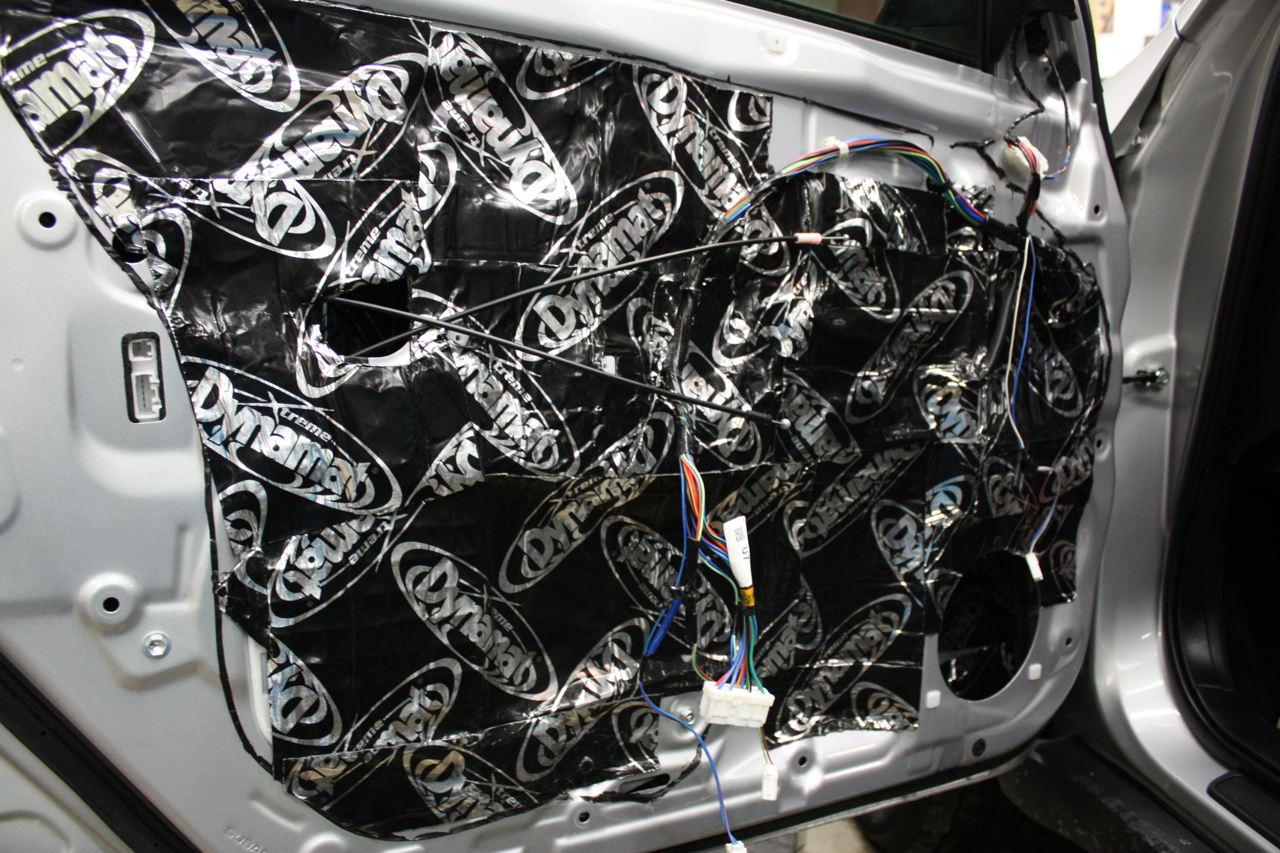
Credit: carstereochick.com
How Much Dynamat Do You Need? By Area
The amount you need depends on what part of your car you want to treat. The more you cover, the better the results. But you don’t always need to cover every inch. Let’s break it down by area.
1. Doors
Most car doors need about 6–8 sq. ft. each. For a 4-door car:
- 4 doors x 7 sq. Ft. = 28 sq. Ft.
- One Bulk Pack (36 sq. Ft.) can usually cover all four doors.
If you want to do only the front doors, a Door Kit (12 sq. Ft. ) is enough.
2. Floor
Car floors are large. A typical sedan floor is about 30–36 sq. ft. If you want to cover the whole floor:
- 1 Bulk Pack (36 sq. Ft.) covers most sedans.
- For larger vehicles (SUVs, trucks), you may need two Bulk Packs.
3. Roof
Roofs are smaller but important for blocking rain noise. Most car roofs are 10–18 sq. ft.:
- 1 Door Kit (12 sq. Ft.) covers small cars.
- Larger cars may need 18 sq. Ft. (half a Bulk Pack).
4. Trunk
Trunk space is usually 10–20 sq. ft.:
- 1 Trunk Kit (20 sq. Ft.) is enough for most cars.
- For SUVs or hatchbacks, you may need more.
5. Hood
The hood is often overlooked. It’s about 5–10 sq. ft.:
- 1 Hood Kit (12 sq. Ft.) covers most hoods.
6. Wheel Wells
Treating wheel wells can cut road noise. Each wheel well is about 2–3 sq. ft.:
- 4 wheel wells x 3 sq. Ft. = 12 sq. Ft.
- A Door Kit (12 sq. Ft.) is usually enough.
How To Calculate Total Dynamat Needed
Add up the areas you want to cover. Measure the length x width of each section. Here’s an example for a standard sedan:
- 4 doors: 28 sq. Ft.
- Floor: 36 sq. Ft.
- Roof: 12 sq. Ft.
- Trunk: 16 sq. Ft.
- Hood: 8 sq. Ft.
Total = 28 + 36 + 12 + 16 + 8 = 100 sq. ft.
You would need about three Bulk Packs (3 x 36 = 108 sq. ft.) for full coverage.
If you are just starting, focus on the doors and floor. This gives you the most noticeable improvement with less material.
Dynamat Coverage Table: Popular Vehicle Areas
To help you plan, here’s a comparison of common Dynamat coverage needs:
| Area | Average Sq. Ft. | Recommended Kit |
|---|---|---|
| Front Doors (2) | 14 sq. ft. | 1 Door Kit |
| All Doors (4) | 28 sq. ft. | 1 Bulk Pack |
| Floor (Sedan) | 36 sq. ft. | 1 Bulk Pack |
| Trunk | 16 sq. ft. | 1 Trunk Kit |
| Roof | 12 sq. ft. | 1 Door Kit |
Do You Need To Cover 100%?
This is a common question. Dynamat works best when it covers flat metal panels. But you don’t always need to cover every inch. For most cars, 60–75% coverage is enough to get great results. Focus on the largest, flattest areas.
Key insight: Small strips in the center of large panels work better than small pieces at the edges. For example, a single large sheet on the middle of a door is better than many tiny pieces around the edge.
Example: How Much Dynamat For A Sedan Vs. Suv
Let’s look at two real-world examples.
Sedan Example
- 4 doors: 28 sq. Ft.
- Floor: 36 sq. Ft.
- Trunk: 16 sq. Ft.
Total = 80 Sq. Ft.
You would need two Bulk Packs (72 sq. ft.) for solid coverage. For 100% coverage, buy a third pack.
Suv Example
- 4 doors: 32 sq. Ft.
- Floor: 48 sq. Ft.
- Roof: 18 sq. Ft.
- Trunk: 20 sq. Ft.
Total = 118 Sq. Ft.
You would need four Bulk Packs (144 sq. ft.). You might have some leftover, but that’s better than running short.
Dynamat Coverage Comparison: Sedan Vs. Suv
Here’s a simple side-by-side view:
| Vehicle Type | Total Area (sq. ft.) | Bulk Packs Needed |
|---|---|---|
| Sedan | 80–100 | 2–3 |
| SUV | 110–140 | 3–4 |
Common Mistakes When Buying Dynamat
Many beginners buy too little or too much. Here are mistakes to avoid:
- Guessing the area without measuring
- Covering only small spots (not enough effect)
- Overlapping sheets (wastes material)
- Forgetting about wheel wells or trunk
Practical tip: Always measure before buying. Cut a small test piece and try it in your car. This helps you understand how much material you really need.
Is There A Cheaper Alternative?
Dynamat is the most famous brand, but it’s also more expensive. There are other sound deadening options, like Noico, Kilmat, and Hushmat. These can be 20–50% cheaper per square foot. Always check the thickness and reviews.
But: Cheaper brands may not stick as well in hot or cold weather. If you live in a place with extreme temperatures, Dynamat is a safer choice.
How To Install Dynamat For Best Results
Getting the most from Dynamat means installing it correctly. Here’s a short, step-by-step guide:
- Clean the surface with alcohol or a degreaser.
- Cut Dynamat to fit, using scissors or a knife.
- Peel and stick the sheet onto the metal.
- Press firmly with a roller to remove air bubbles.
- Cover the center of each panel first, then add strips at the edges if you have extra.
Non-obvious tip: Warming Dynamat with a hair dryer makes it easier to shape around curves.
Dynamat Cost: What To Expect
Dynamat is not cheap. Expect to pay about $5–$7 per square foot for Dynamat Xtreme. Here are average prices:
- Door Kit (12 sq. Ft.): $60–$80
- Bulk Pack (36 sq. Ft.): $170–$220
- Trunk Kit (20 sq. Ft.): $100–$130
Pro tip: Buy in bulk for the best price per square foot.
How Much Weight Does Dynamat Add?
Adding Dynamat will increase your car’s weight slightly. Each sheet is about 0.45 lbs per sq. ft. If you cover 100 sq. ft., that’s 45 lbs. For most cars, this small increase won’t affect performance.
How Dynamat Improves Sound Quality
Many people use Dynamat to get better sound from their car speakers. Here’s how it helps:
- Reduces outside noise so you hear more music
- Stops vibration in doors and panels (less buzzing)
- Improves bass (deeper, clearer sound)
If you install Dynamat in your doors, you’ll notice a big difference right away. Your music will sound louder and clearer, even at lower volume.

Credit: www.dynamat.com
When Should You Use More Dynamat?
Some car owners want a “luxury” quiet ride. For this, cover all doors, floor, roof, trunk, and wheel wells. For basic sound improvement, focus on doors and trunk. The more you cover, the better the result—but always balance cost with your needs.
Real User Example: Compact Car
A user with a compact hatchback shared this:
- Covered 2 front doors (14 sq. Ft.) and trunk floor (8 sq. Ft.)
- Used one Door Kit (12 sq. Ft.) and some leftover sheets
- Noticed a “huge drop” in road noise and much better bass
Insight: Even a small amount of Dynamat, used in the right places, makes a big difference.
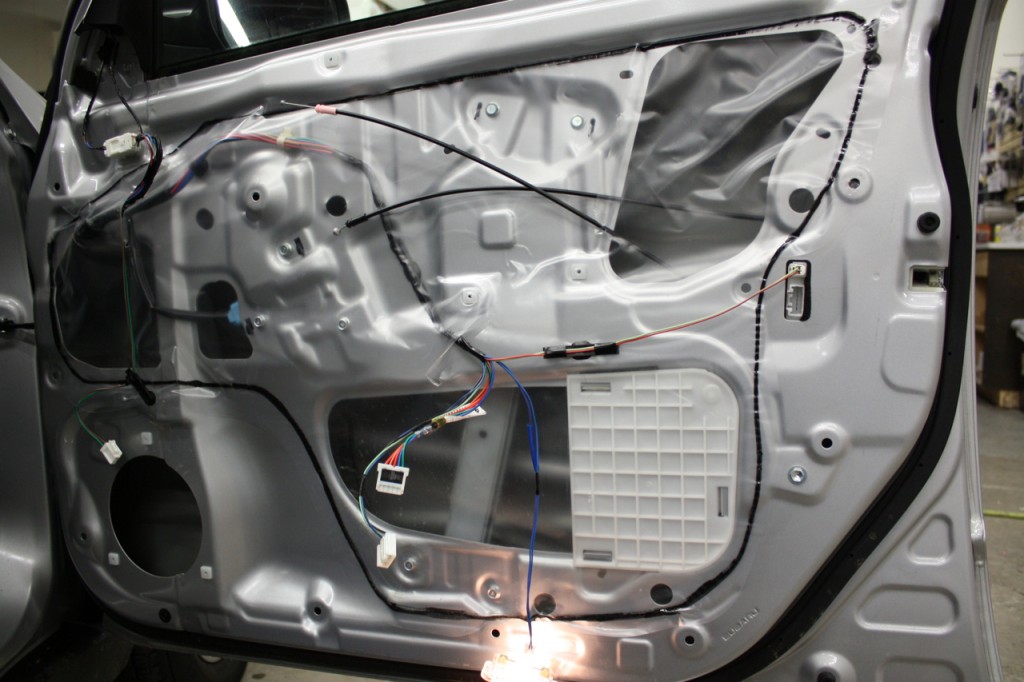
Credit: carstereochick.com
Dynamat For Other Uses
Dynamat isn’t just for cars. It works in vans, RVs, boats, and even home theaters. The same rules apply: measure the area, buy enough sheets, and focus on large metal surfaces.
For more detailed product specs, visit the official Dynamat website.
Frequently Asked Questions
How Do I Measure My Car For Dynamat?
Use a tape measure to find the length and width of each area you want to cover. Multiply to get square feet. Always add 10% extra for mistakes or tricky shapes.
Can I Use Dynamat Only On The Doors?
Yes, and you’ll notice a big improvement. Doors are the largest panels near your ears and often vibrate the most. Start with doors if you’re on a budget.
Will Dynamat Fix Rattles In My Speakers?
Usually, yes. Dynamat stops the metal or plastic around speakers from vibrating. For best results, cover the area around the speaker and the inside of the door.
Is Dynamat Waterproof?
Dynamat is water-resistant and safe for cars, but it’s not fully waterproof. It will not absorb water, but always make sure surfaces are dry before installation.
How Does Dynamat Compare To Other Brands?
Dynamat is known for its quality and strong adhesive. Other brands may be cheaper, but check reviews and thickness. For long-term use or extreme temperatures, Dynamat is a safe choice.
Car soundproofing is a smart upgrade for comfort and music quality. Now you know how to calculate how much Dynamat you need. Measure your car, choose the right kit, and enjoy a quieter ride. The results are worth the effort.