Exploring High Sensitivity Subwoofer: Boost Your Car Stereo Experience
Exploring High Sensitivity Subwoofer For Car Stereo Enthusiasts
Are you a car audio fan who wants deeper bass, but not sure where to start? Many beginners think a bigger subwoofer means better sound. But that’s not always true. High sensitivity subwoofers can give you great bass, even with less power. This is a smart choice, especially if you want strong sound without draining your battery or overloading your car’s audio system.
Let’s explore what makes high sensitivity subwoofers different, why they matter, and how to pick the right one for your car. This guide will use simple words, examples, and real data, so everyone can follow—even if you’re just starting with car audio.
What Is Subwoofer Sensitivity?
Sensitivity in subwoofers means how well the speaker turns power (watts) into sound (volume). It’s measured in decibels (dB). The higher the sensitivity, the louder the subwoofer plays with the same amount of power.
- A typical car subwoofer has a sensitivity of 84–90 dB.
- High sensitivity subwoofers often rate at 90 dB or more.
Example:
If you have two subwoofers—one rated at 88 dB and one at 92 dB—the 92 dB sub will sound almost twice as loud with the same amplifier power.
Why does this matter?
If your car’s audio system isn’t very powerful, a high sensitivity subwoofer helps you get more sound without buying a bigger amp.
Why High Sensitivity Subwoofers Matter
Many car owners think only about subwoofer size or power. But sensitivity can make a big difference for three reasons:
1. Louder Sound With Less Power:
You don’t need a giant amplifier to get strong bass. This saves money and keeps your car battery happy.
2. Better For Stock Systems:
If you’re using your car’s original head unit or a small amp, a high sensitivity subwoofer will sound better than a low sensitivity one.
3. More Efficient:
High sensitivity subs use less energy. They produce less heat, which means a longer life for both the subwoofer and your amp.
Sensitivity Ratings: How Much Is Enough?
It’s easy to get lost in numbers. Here’s a quick look at typical sensitivity ratings and what they mean:
| Sensitivity (dB) | Sound Output | Best For |
|---|---|---|
| 83–87 dB | Low | Very powerful amps |
| 88–90 dB | Medium | Most car systems |
| 91–94 dB | High | Stock or small amps |
| 95+ dB | Very High | Maximum efficiency |
Practical tip:
For most beginners, a subwoofer with 90 dB or higher is a good balance of loudness and efficiency.
Comparing High Sensitivity Subwoofers
Some popular brands make high sensitivity subs designed for car use. Here’s a quick comparison using real data from leading models:
| Model | Sensitivity (dB) | RMS Power (Watts) | Price Range |
|---|---|---|---|
| JL Audio 10W0v3-4 | 85.64 | 300 | $$ |
| Kicker CompC 44CWCS104 | 88.3 | 250 | $ |
| Rockford Fosgate P3D4-12 | 85 | 600 | $$$ |
| Alpine SWT-12S4 | 92 | 300 | $$ |
| Pioneer TS-SW3002S4 | 93 | 400 | $$ |
Observation:
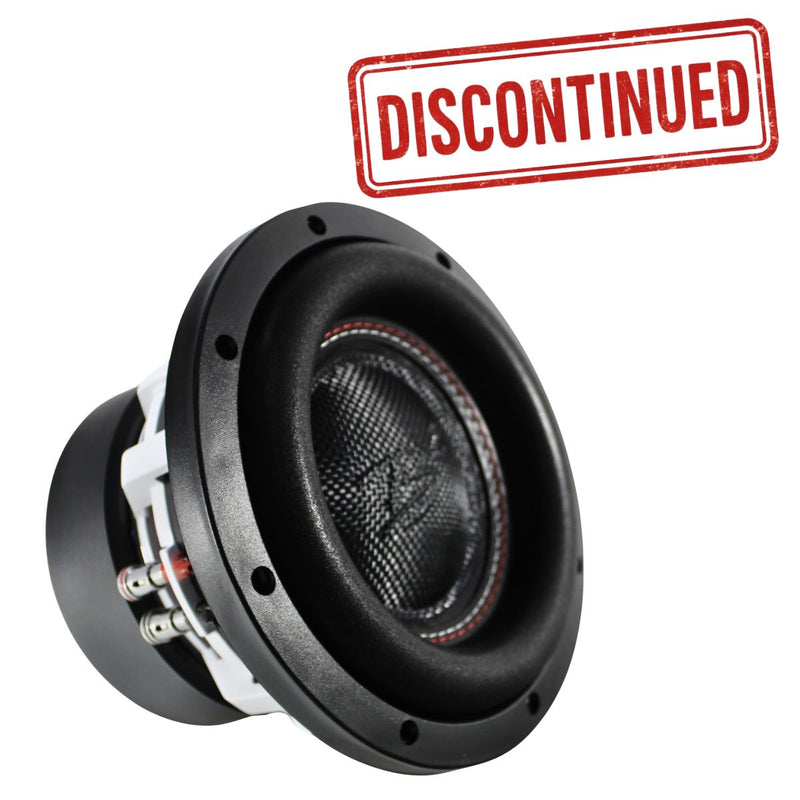
The Pioneer and Alpine models stand out for their high sensitivity—making them great for small or stock systems.
Credit: www.b2audiousa.com
How High Sensitivity Subwoofers Work
High sensitivity subs are built with lighter, more responsive materials. These include:
- Thin cones (often made from treated paper or composite materials)
- Strong, lightweight voice coils
- Flexible surrounds
This design lets the subwoofer move more air using less power. Think of it like a race car with a lightweight body—it goes faster with the same engine.
Non-obvious insight:
High sensitivity subwoofers may produce less “deep” bass compared to low sensitivity models at the same power, but they sound louder and cleaner in most cars.
Key Benefits For Beginners
If you’re new to car audio, high sensitivity subwoofers offer these advantages:
- Easy to install: You don’t need a special high-power amp.
- Less wiring hassle: Lower current needs mean you can often use factory wiring.
- Safer for your car: Less risk of blowing fuses or damaging electrical parts.
- Lower cost: You can spend less on the amplifier and electrical upgrades.
Choosing The Right High Sensitivity Subwoofer
Picking a subwoofer can be confusing. Here’s how to choose the right one:
- Check Your Head Unit or Amp Power
- If your amp gives 200–400 watts RMS, choose a sub with at least 90 dB sensitivity.
- Size and Space
- 10” and 12” subs are most common. Make sure the sub fits your trunk or under your seat.
- Impedance
- Most car subs are 4 ohms. Match the sub’s impedance to your amplifier for best results.
- Budget
- High sensitivity subs aren’t always expensive. Look for good reviews and real specs.
Practical Example:
If your car stereo has a built-in amp with 50 watts, look for a subwoofer with 92 dB or higher. This lets you enjoy bass without upgrading your whole system.
Common Mistakes When Choosing Subwoofers
Beginners often make these errors:
- Focusing only on size: Bigger is not always better. A high sensitivity 10” sub can beat a low sensitivity 12” in most cars.
- Ignoring sensitivity: Many buyers pick the highest RMS power, but forget to check sensitivity.
- Mismatching amp and sub: Too much or too little power leads to poor performance or even damage.
- Overpaying for “famous” brands: Some lesser-known brands offer high sensitivity at better prices.
Installing A High Sensitivity Subwoofer
You don’t need to be a pro to install a subwoofer. Here’s a basic step-by-step:
- Choose a location: Trunk, under seat, or rear cargo space.
- Mount the subwoofer: Use a proper enclosure for best sound.
- Connect to the amp: Use good quality cables.
- Set your amp gains: Start low, then adjust for clean sound without distortion.
- Test the system: Play music you know well and listen for any rattles or weak spots.
Tip:
Always disconnect your car battery before installing any audio equipment.
Real-world Example: Upgrading A Small Car
Let’s say you have a compact car (like a Honda Civic) with a stock stereo. You want more bass, but you don’t want to replace your head unit or add a big amp.
- Add a high sensitivity 10” subwoofer (92 dB or higher) in a sealed box.
- Use a small 200-watt amp.
- Connect using existing speaker wires (with proper adapters).
Result:
You get clean, punchy bass that makes music more enjoyable—without taking up all your trunk space or risking your car’s electrical system.

Credit: www.amazon.com
High Sensitivity Vs. Low Sensitivity: Which Is Better?
This depends on your needs.
- High sensitivity subs:
- Best for most beginners and everyday drivers.
- Great if you don’t want to change your whole audio system.
- Use less power, less heat, and are easier to install.
- Low sensitivity subs:
- Good for extreme bass fans with big amps.
- Can deliver deeper, heavier bass at high volume.
- Require more power and better electrical upgrades.
Non-obvious insight:
In most real-world cars, high sensitivity subs sound better because road noise and cabin size limit the benefits of “super deep” bass.
Maintenance And Longevity
To keep your subwoofer performing well:
- Avoid distortion: Don’t turn up the volume until you hear “buzzing” or “cracking” sounds.
- Check wiring: Loose wires can cause problems or even short circuits.
- Keep it clean: Dust and dirt can hurt moving parts.
- Protect from moisture: Water can damage the cone and electronics.
With proper care, a high sensitivity subwoofer can last 5–10 years or more.
Popular High Sensitivity Subwoofer Brands
Here are some brands known for high sensitivity subwoofers:
- Pioneer
- Alpine
- Kicker
- Infinity
- Kenwood
These brands offer models with 90 dB or higher, making them safe picks for most car audio beginners.
When Not To Choose High Sensitivity
High sensitivity subs are great for most, but not all, situations. You might skip them if:
- You want to build a competition-level system
- You have a very large vehicle (like an SUV) and want very deep, loud bass
- You already own a high-power amplifier and want to use it fully
In these cases, a low sensitivity, high power sub might be better.
Where To Learn More
For detailed specs and deeper technical insights, you can visit resources like Wikipedia.
Frequently Asked Questions
What Does High Sensitivity Mean For A Subwoofer?
High sensitivity means the subwoofer can play louder with less power. This is important if you have a small amplifier or don’t want to upgrade your car’s electrical system.
Is A High Sensitivity Subwoofer Better For Beginners?
Yes, because you get more bass without needing a big amp or complex wiring. It’s easier to install and safer for most cars.
Do High Sensitivity Subwoofers Sound As Good As Low Sensitivity Ones?
They sound louder with less power, but may not produce the deepest bass at very high volumes. For most music styles and everyday listening, they’re an excellent choice.
Can I Use My Factory Car Stereo With A High Sensitivity Subwoofer?
Usually yes, especially if you use a line output converter or a small amplifier. High sensitivity subs are designed to work well with stock systems.
How Do I Know If My Subwoofer Is High Sensitivity?
Check the sensitivity rating on the box or in the manual. Look for 90 dB or higher. You can also search the model number online for specs.
Choosing a high sensitivity subwoofer is a smart, beginner-friendly way to upgrade your car’s sound. With the right model, you’ll enjoy more music, stronger bass, and less hassle—making every drive more fun.

Credit: audiointensity.com