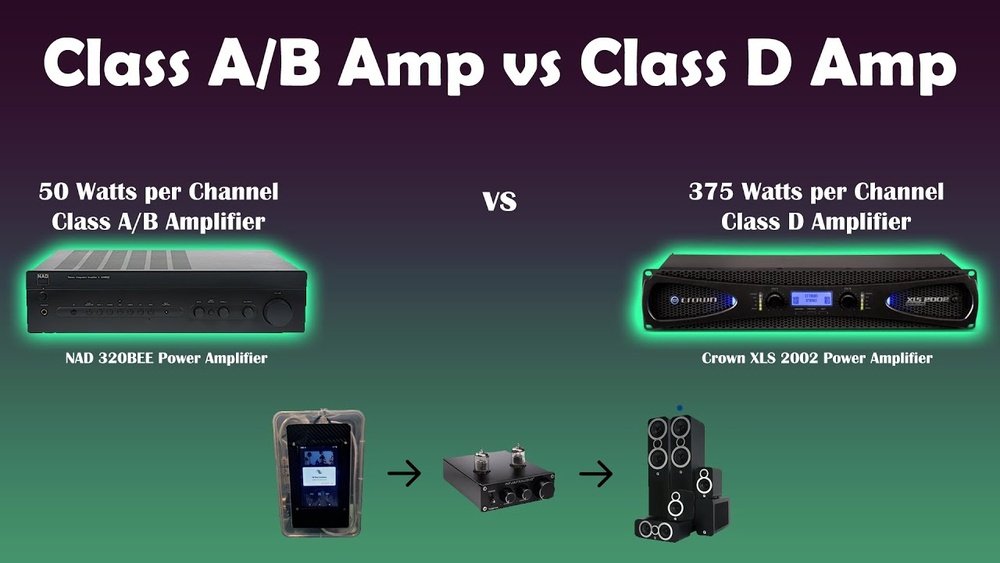
Class D Vs Class A B Amplifiers: Which Is Right for You?
Choosing the right audio amplifier is key for clear sound, low distortion, and energy efficiency. Two popular types are Class D and Class AB amplifiers. Each uses different technology, and both have strong points and weaknesses. If you are new to audio or electronics, these choices can feel confusing. This article will break down the differences, show real data, and help you pick the right amplifier for your needs.
What Is An Audio Amplifier?
An audio amplifier takes a small sound signal and makes it strong enough to drive a speaker. Without an amplifier, your music would be too quiet to hear. Amplifiers are used in home stereos, car audio, musical instruments, and even hearing aids.
There are several types of amplifiers, but Class AB and Class D are the most common today. Understanding how they work will make it easier to choose the right one.
How Class Ab Amplifiers Work
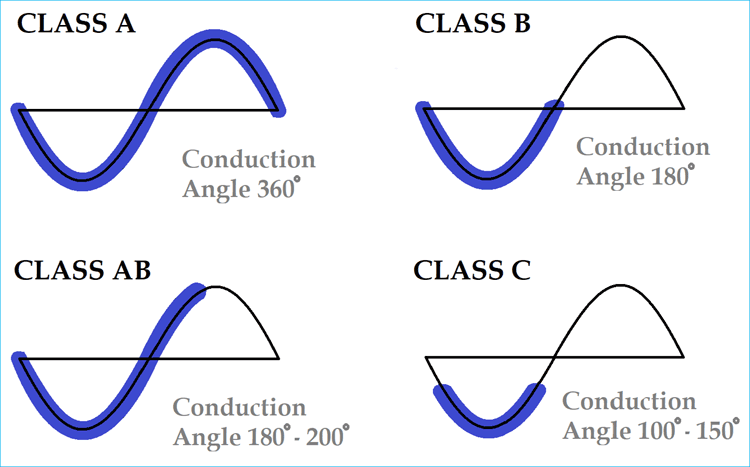
Class AB amplifiers use a mix of two older designs: Class A and Class B. This mix gives good sound quality with less heat.
Basic Operation
- The input sound signal is split into two parts (positive and negative).
- Two transistors handle each half, switching on and off as the music plays.
- There is always a small current flowing, even if there is no sound. This reduces distortion but creates some heat.
Key Points
- Efficiency: Around 50–70%. Some power is lost as heat.
- Sound Quality: Very clean and natural, especially at low and medium volume.
- Size: Needs heatsinks to cool down, so often bigger than other types.
Example
Most home stereo receivers use Class AB. For example, a 100-watt Class AB receiver can handle parties and movie nights without getting too hot.

Credit: www.youtube.com
How Class D Amplifiers Work
Class D amplifiers use a very different method. They turn the sound signal into a rapid series of on/off pulses (like a light switch flicking on and off).
Basic Operation
- The sound signal is changed into a fast digital pulse (PWM – Pulse Width Modulation).
- Transistors act as switches, either fully on or fully off. This creates almost no heat.
- At the end, a filter changes these pulses back into smooth sound for your speakers.
Key Points
- Efficiency: Usually 80–95%. Much less energy lost as heat.
- Sound Quality: Very good, but sometimes less natural than Class AB, especially at high frequencies.
- Size: Much smaller and lighter, even for high power.
Example
Portable Bluetooth speakers and car subwoofers often use Class D. They can play loud music for hours without heavy batteries or big cooling systems.
Comparing Class D Vs Class Ab
To help you see the differences, here’s a side-by-side data comparison:
| Feature | Class AB | Class D |
|---|---|---|
| Efficiency | 50–70% | 80–95% |
| Sound Quality | Very high, low distortion | Very good, sometimes less detailed |
| Size & Weight | Larger, heavier | Small, light |
| Heat | Gets warm/hot | Stays cool |
| Cost | Usually more expensive | Can be cheaper |
| Best Use | Home audio, Hi-Fi, Guitar amps | Portable speakers, Car audio, Power amps |
Efficiency: Power In, Power Out
One of the most important differences is efficiency—how much of the power is used for sound versus lost as heat.
- Class AB: If you give 100 watts of power, only 50–70 watts go to the speaker. The rest is lost as heat.
- Class D: Out of 100 watts, 80–95 watts can reach the speaker. This means less energy wasted and less need for cooling.
This is why Class D is popular for battery-powered devices and car audio systems.
Sound Quality: Warmth Vs Precision
Class AB is famous for its natural, warm sound. Many music lovers and guitar players prefer it, especially for vocals and high-quality music.
Class D has improved greatly in recent years. Most people cannot hear a difference, especially in modern designs. However, very sharp ears may notice a slight loss of detail in high frequencies.
Example: In a blind test, most listeners cannot tell a top-quality Class D from a Class AB, but audio experts sometimes can.
Credit: www.vxaudio.net
Size And Weight: Why It Matters
Class D amplifiers are much smaller and lighter for the same power. This is because they do not need large heatsinks or transformers.
- A 100-watt Class AB amp may weigh 10 pounds.
- A 100-watt Class D amp can weigh less than 2 pounds.
This makes Class D great for portable use, wall-mounted speakers, and car systems where space is tight.
Heat And Cooling
Class AB creates more heat because its transistors are always partly on. This means:
- Bigger metal heatsinks are needed.
- The amplifier can get hot during long use.
Class D stays cool, even at high power. This saves space and lowers the risk of overheating.
Cost And Value
Class D amplifiers are often cheaper to build and buy, especially at high power levels. However, the best Class AB amps can cost more because of their high-quality parts and strong sound.
Beginners’ Insight: Don’t assume more expensive always means better. For most uses, a modern Class D is a smart, budget-friendly choice.
Common Applications
Here are some real-world examples of where each amplifier is used:
| Application | Class AB | Class D |
|---|---|---|
| Home theater receivers | Very common | Increasingly common |
| Portable Bluetooth speakers | Rarely used | Almost always used |
| Guitar amplifiers | Preferred for tone | Rare, but growing |
| Car audio systems | Used in old models | Standard today |
| Professional PA systems | Still common for high-end | Now popular for power |
Distortion And Noise
Class AB amplifiers have very low distortion, especially at low and medium volume. This means the sound is clean and pure.
Class D can have higher distortion, especially in cheaper models. However, modern designs use smart circuits to reduce this problem. If you buy from a trusted brand, distortion is usually not an issue.
Non-obvious insight: The real-world difference is much smaller than older guides suggest. For most home and car use, distortion from a good Class D amp is not audible.
Energy Use And Battery Life
For portable or battery-powered systems, Class D is the clear winner. Its high efficiency means:
- Longer battery life
- Less need for large batteries
- Smaller, lighter devices
This is why almost every Bluetooth speaker and portable PA system uses Class D.
Practical Buying Tips
Here’s what to keep in mind when shopping for an amplifier:
- Purpose matters most. If you need pure sound for a home studio or guitar, consider Class AB. For portable use or car audio, Class D is usually better.
- Check the specs. Look for “Total Harmonic Distortion” (THD) below 0.1% for clean sound.
- Power isn’t everything. 100 watts from a Class D amp is just as loud as 100 watts from a Class AB.
- Brand and reviews. Trusted brands do a better job controlling noise and distortion, especially with Class D.
- Don’t forget speakers. Good speakers are as important as the amp itself.
Beginner mistake: Ignoring speaker quality. Even the best amplifier will sound poor with bad speakers.
Real-world Example: Home Stereo
Suppose you want to power bookshelf speakers in a living room:
- Class AB: You get warm, rich sound. The amp is bigger and runs warmer, but many music lovers feel it’s worth it.
- Class D: You save space, energy, and money. Modern Class D amps can sound almost as good as Class AB, especially with good speakers.
If you need to hide the amp or run it all day, Class D is a smart pick.
Durability And Maintenance
Class AB amps have simple circuits and are easy to repair. They can last many years with basic care.
Class D amps use more complex digital parts. They are reliable but can be harder to fix if something goes wrong.
Pro tip: For most users, reliability is excellent either way. Always use the correct power supply and avoid moisture to extend life.
Environmental Impact
Using less power means less heat and lower electricity bills. Class D amps are more eco-friendly for this reason. If you care about energy use, Class D is the greener choice.
Credit: www.whathifi.com
Summary Table: Which One Is Best For You?
Here’s a quick overview for picking between Class AB and Class D:
| Situation | Best Choice | Why |
|---|---|---|
| Portable speaker | Class D | Light, efficient, long battery |
| Home theater | Class AB or D | Both work, Class D saves energy |
| Guitar amp | Class AB | Classic tone, warmth |
| Car audio | Class D | Compact, efficient |
| High-end Hi-Fi | Class AB (or top Class D) | Best sound quality |
Frequently Asked Questions
What Is The Main Difference Between Class D And Class Ab Amplifiers?
The main difference is how they use power. Class AB mixes two older styles for smooth sound but wastes more energy as heat. Class D switches power on and off quickly, so it is much more efficient and cooler but uses more complex electronics.
Which Amplifier Is Better For Home Theater Systems?
Both work well, but Class D is becoming more popular. It saves energy and space. If you want classic, “warm” sound, some people still prefer Class AB. Most listeners will be happy with either.
Do Class D Amplifiers Sound Worse Than Class Ab?
Modern Class D amplifiers are almost as good as Class AB for most people. Only experts or very careful listeners may hear a small difference, mostly at high frequencies or with very detailed music.
Are Class D Amplifiers Good For Subwoofers?
Yes, Class D is excellent for subwoofers. They provide lots of power with little heat and work well with deep bass sounds. This is why most car and home subwoofers use Class D today.
Where Can I Learn More About Amplifier Classes?
For detailed information, visit the Wikipedia page on amplifiers, which offers clear diagrams and extra details.
Choosing between Class D and Class AB amplifiers depends on your needs, space, and budget. For most modern uses, Class D gives you more efficiency, less heat, and lower cost, with sound quality that is nearly as good as Class AB. If you value classic audio warmth or are a musician, Class AB still has its place. Take time to match your amplifier to your speakers and listening habits, and you will enjoy great sound for years to come.