Are Pyle Car Speakers Any Good? Honest Review and Buyer Guide
Are Pyle Car Speakers Any Good?
Looking for affordable car audio upgrades can be confusing. If you have searched for new car speakers, you have probably seen the Pyle brand pop up often. Many drivers wonder: are Pyle car speakers any good? Are they worth your money, or should you look elsewhere? This guide will break down everything beginners need to know about Pyle speakers, using simple language and real examples.
What Is Pyle?
Pyle is an American electronics company founded in the 1960s. Today, they offer a wide range of products, including car speakers, amplifiers, home audio, and marine equipment. Pyle is known for budget-friendly prices and wide availability online and in stores.
- Pyle’s main focus: Affordable audio
- Products found on Amazon, Walmart, and car audio shops
- Popular among people who want to save money
Pyle speakers are often the first upgrade for car owners who want better sound without spending a lot. But are the low prices too good to be true?
What Makes Car Speakers “good”?
Before judging Pyle, it helps to know what makes a car speaker “good.” Here are the main factors:
- Sound quality: Clear music and strong bass
- Durability: Handles heat, cold, and bumps
- Power handling: Works well with your car stereo or an amplifier
- Ease of installation: Fits standard car speaker holes
- Price: Good value for the money
Every brand has strengths and weaknesses in these areas. Let’s see how Pyle stacks up.
Credit: pyleusa.com
Types Of Pyle Car Speakers
Pyle offers many types of car speakers. The most common are:
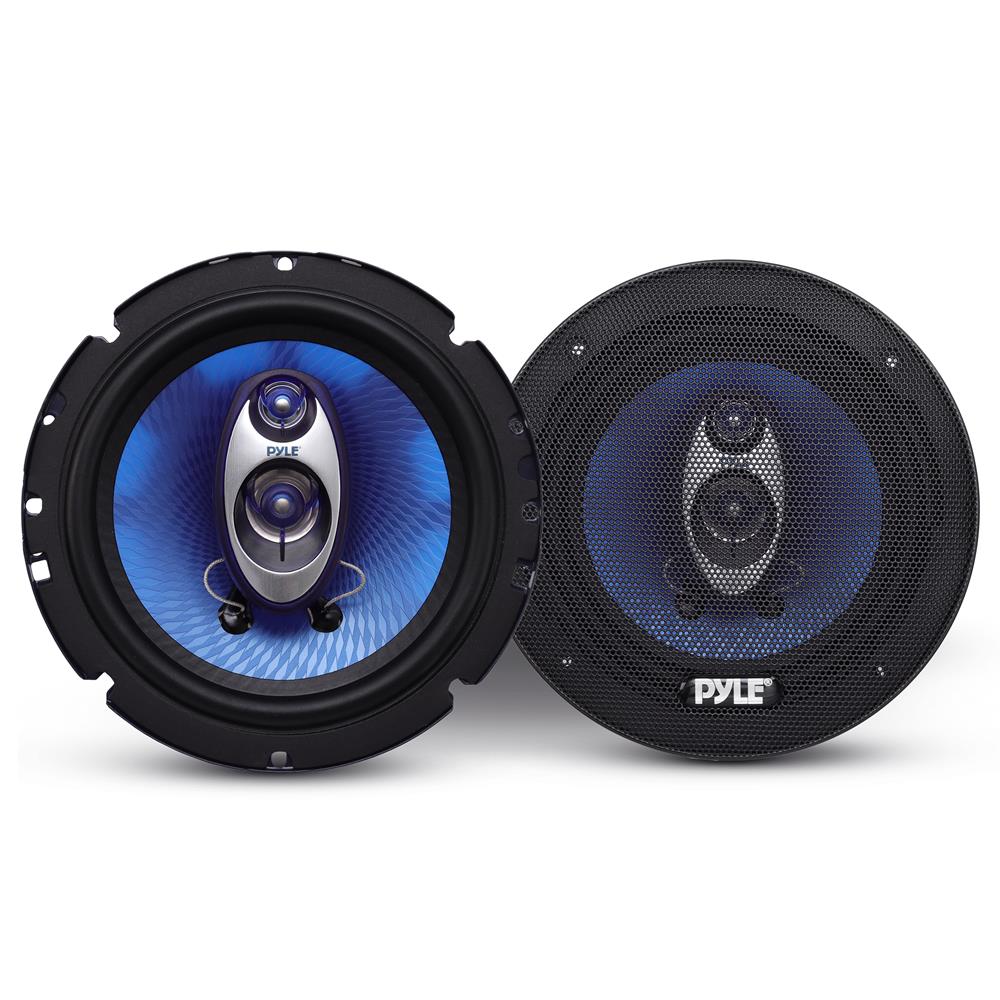
- Coaxial speakers: Also called “full range” speakers. They combine a woofer and tweeter in one unit. Easy to install and budget-friendly.
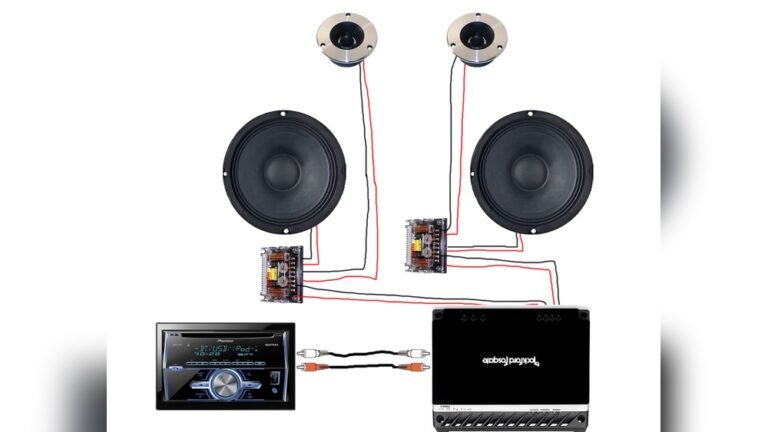
- Component speakers: Separate woofers and tweeters for better sound quality. Usually cost more and need more complex installation.
- Subwoofers: Designed for deep bass sounds.
- Marine speakers: For boats, but some people use them in cars for extra durability.
Popular Pyle Models
Here are a few best-selling Pyle car speakers:
| Model | Type | Size | Peak Power | RMS Power |
|---|---|---|---|---|
| PL63BL | Coaxial | 6.5″ | 360W | 180W |
| PLG6C | Component | 6.5″ | 400W | 200W |
| PLPW10D | Subwoofer | 10″ | 1000W | 500W |
Sound Quality: What Can You Expect?
Most buyers choose Pyle for the price, not for high-end sound. But how do they actually sound?
- Bass: Pyle speakers usually have decent bass, especially larger models and subwoofers.
- Clarity: Mids and highs are clear enough for everyday listening.
- Volume: They can play loud, but may distort at very high volume.
- Comparison: Pyle usually sounds better than old factory speakers, but not as good as premium brands like JBL or Pioneer.
Example: Pyle Vs Factory Speakers
A common upgrade is swapping factory (stock) speakers for Pyle coaxial models. Many users report:
- Music sounds “brighter” and a little louder
- Bass improves, but not “booming”
- Highs may sound harsh if turned up too much
So, Pyle is a step up from most factory speakers, but not at the same level as expensive brands.
Durability And Build Quality
Pyle keeps prices low by using basic materials. This can affect long-term durability.
- Cones: Usually made of polypropylene (plastic), which is water-resistant and light.
- Surrounds: Often use rubber or foam, which can break down over time.
- Grilles: Some models include protective grilles.
Common issues with low-cost speakers include:
- Foam surrounds drying out after a few years, especially in hot climates
- Buzzing sounds if installed incorrectly or played too loud
Still, many Pyle speakers last 2–5 years with normal use. If you want speakers for longer, brands like Alpine or Rockford Fosgate use stronger materials, but cost more.
Power Handling: Matching Your Car Stereo
Choosing the right speaker means matching its power handling to your car’s stereo or amplifier.
- Peak power is the highest the speaker can handle for a short time.
- RMS power is the amount it can handle continuously (more important).
Pyle’s power ratings sometimes look high, but real-world use is lower. Most Pyle speakers work best with standard car stereos (15–50 watts RMS per channel).
Example Power Match
If your car stereo outputs 20 watts RMS per channel, a Pyle speaker rated for 50–100 watts RMS will work well. Using a strong amplifier may not improve sound much and could damage the speakers.
Installation: Beginner Friendly?
One reason Pyle is popular: easy installation. Most speakers are designed to fit standard car sizes:
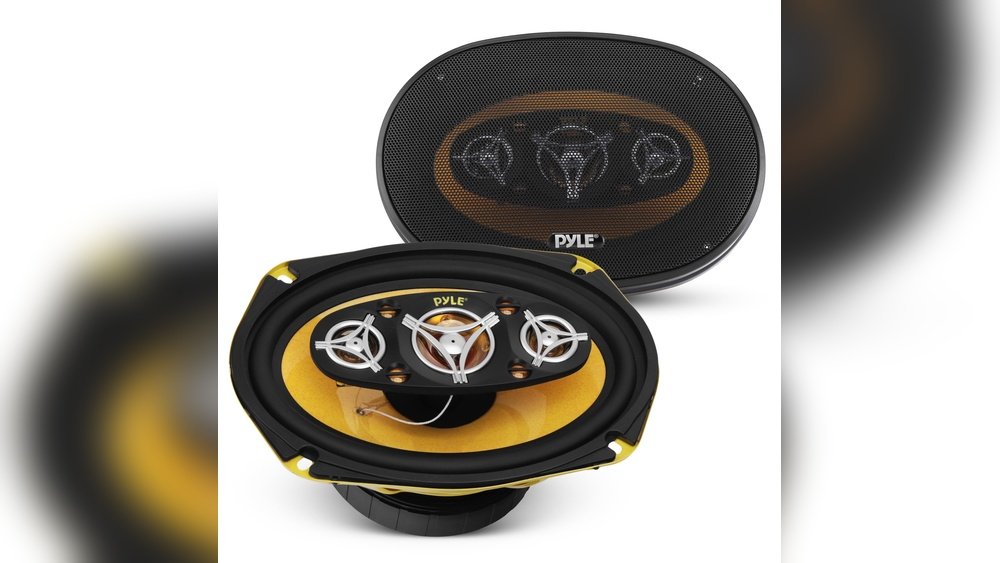
- 6.5″, 6×9″, 5.25″, and more
- Come with mounting hardware and wires
- Many have simple instructions
Some models use shallow baskets, making them easier to fit in tight car doors. However, the instructions can be basic. Watching a YouTube video or asking a car audio shop for advice can help.
Pro Tip: Before buying, measure your car’s speaker openings. Not every “universal” speaker fits every car.
Price: How Affordable Are Pyle Speakers?
Pyle is one of the most budget-friendly brands on the market.
- Coaxial speakers: $15–$40 per pair
- Component sets: $40–$80
- Subwoofers: $25–$60
For comparison, other brands often cost 2–5 times more.
| Brand | Type | Average Price (pair) |
|---|---|---|
| Pyle | Coaxial | $20–$35 |
| Pioneer | Coaxial | $50–$80 |
| JBL | Coaxial | $60–$120 |
This low price makes Pyle a good first upgrade for old or damaged factory speakers.

Credit: pyleusa.com
Real-world Reviews: What Do Users Say?
Pyle speakers get mixed reviews online. Here are some patterns:
Positive feedback:
- Noticeable improvement over factory sound
- Cheap way to replace blown or broken speakers
- Easy DIY install for beginners
Negative feedback:
- Some models fail within 1–2 years
- Not as loud or “clean” as premium brands
- Power ratings can be misleading
On Amazon, many Pyle models have 3. 5–4. 2 star averages. Reviews often mention, “You get what you pay for. ”
Who Should (and Shouldn’t) Buy Pyle Car Speakers?
Pyle is a smart choice for some, but not for all. Here’s who benefits most:
Good For:
- Drivers on a tight budget
- People replacing broken or old factory speakers
- First-time car audio DIYers
- Cars that are used for short trips
Not Ideal For:
- Audiophiles who want rich, detailed sound
- People who play music at very high volumes
- Drivers looking for speakers to last 5+ years
Common Beginner Mistakes With Pyle Speakers
It’s easy to make small errors when upgrading car audio. Here are mistakes to avoid:
- Ignoring RMS ratings: Always match RMS power, not just peak numbers.
- Skipping sound deadening: Adding foam or mat around the speaker can improve bass and reduce rattling.
- Not checking fitment: Always measure your car’s speaker holes before buying.
- No amplifier when needed: If you want more volume, you might need a small amp—but don’t overpower basic Pyle models.
How Do Pyle Speakers Compare To Other Brands?
Pyle fills a unique spot in the market. Here’s a quick comparison:
| Brand | Sound Quality | Durability | Price | Best For |
|---|---|---|---|---|
| Pyle | Basic | 2–5 years | Very Low | Budget Upgrades |
| Pioneer | Good | 5–8 years | Low–Medium | Everyday Use |
| JBL | Very Good | 8+ years | Medium–High | Music Lovers |
| Alpine | Excellent | 10+ years | High | Premium Sound |
Pyle wins on price, but other brands offer stronger sound and longer life.
Two Insights Most Beginners Miss
- Installation matters as much as the speaker. Even the best speaker will sound poor if not installed securely, or if there are air leaks around the mount. Use foam tape or baffles for a tighter seal.
- Upgrading just speakers rarely gives “amazing” sound. Real improvement often comes from upgrading the car stereo, adding an amplifier, or using sound deadening material.
Should You Buy Pyle Car Speakers?
Pyle car speakers are a solid choice for beginners or anyone on a tight budget. You get better sound than most factory systems for a very low price. Installation is usually simple, and most drivers can do it themselves.
But, if you want premium sound or long-term durability, it’s worth saving up for a better brand. Think about your goals, how long you’ll keep the car, and how much you’re willing to spend.
For more detailed specs and user reviews, you can check the Crutchfield Pyle Speakers page.

Credit: www.amazon.com
Frequently Asked Questions
Are Pyle Car Speakers Better Than Factory Speakers?
In most cases, yes. Pyle speakers usually offer clearer sound and better bass compared to basic factory speakers, especially in older cars. However, they are not as high-quality as premium brands.
How Long Do Pyle Car Speakers Last?
Most users report 2–5 years of use before problems appear. Harsh climates, high volume, or poor installation can shorten their lifespan.
Do I Need An Amplifier For Pyle Speakers?
No, most Pyle speakers are made to work directly with factory or basic aftermarket stereos. An amplifier is only needed if you want very loud music, but be careful not to overpower the speakers.
Are Pyle Speakers Waterproof?
Some Pyle marine speakers are water-resistant, but most car models are not fully waterproof. Avoid letting water get into car doors or speaker locations.
Can I Install Pyle Speakers Myself?
Yes. Many beginners install Pyle speakers as their first car audio project. The process is usually simple, but double-check measurements and wiring before starting.
Upgrading your car’s audio system can be fun and rewarding. If you want a simple, affordable way to boost your sound, Pyle car speakers are a reasonable choice—just keep your expectations realistic and enjoy the music.