How are Car Speakers Measured: Ultimate Guide to Speaker Size
Are you thinking about upgrading your car’s sound system but feeling stuck on how to choose the right speakers? One of the most important steps is knowing exactly how car speakers are measured.
It’s not just about the size you see on the box—there are specific measurements that determine whether a speaker will fit perfectly in your car’s doors and deliver the sound quality you want. If you’ve ever been confused by terms like “mounting depth” or “cutout diameter,” this guide is for you.
Keep reading, and you’ll learn how to measure your car speakers the right way, so you can shop with confidence and get the best audio experience on the road.
Credit: soundcertified.com
Car Speaker Size Basics
Understanding car speaker size basics helps you pick the right fit. Speaker size affects installation and sound quality. Knowing common sizes and why size matters makes shopping easier.
Common Speaker Sizes
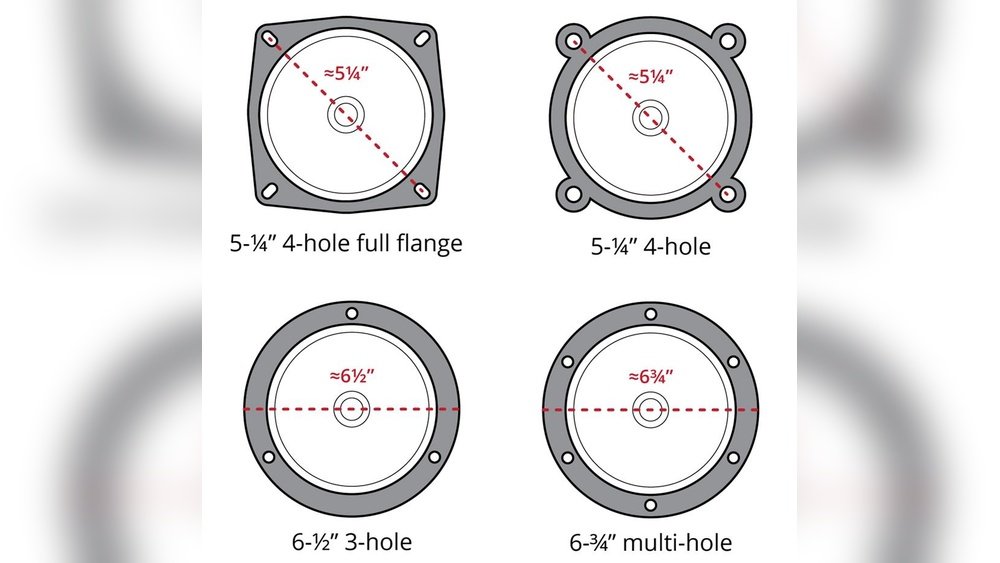
Car speakers come in standard sizes like 3.5, 4, 5.25, 6.5, and 6×9 inches. These numbers refer to the speaker’s diameter across the cone. Smaller speakers fit in tight spaces but may lack bass. Larger speakers produce deeper sounds but need more room. Knowing your car’s speaker size avoids buying the wrong replacement.
Why Size Matters
Speaker size impacts sound quality and installation. A bigger speaker moves more air, creating richer bass. Smaller speakers handle higher frequencies better but may lack volume. The speaker must fit the mounting hole exactly. A wrong size causes poor sound or installation issues. Size balance ensures clear, full sound inside your car.
Key Speaker Measurements
Understanding key speaker measurements helps find the right car speakers. These measurements ensure the new speaker fits perfectly in your car’s door or panel. Accurate measurements prevent installation issues and improve sound quality. Four main measurements matter most when selecting car speakers.
Diagonal Screw Hole Distance
This is the distance between the centers of two opposite mounting screw holes. It ensures the speaker will align with the factory holes in your car. Measure from one screw hole center diagonally to the opposite hole center. This measurement is critical to avoid drilling new holes.
Overall Diameter
The overall diameter is the widest part of the speaker frame. It determines if the speaker fits inside the door cavity or mounting location. Measure straight across the speaker frame from edge to edge. The frame must fit within the available space without obstruction.
Mounting Depth
Mounting depth is the distance from the speaker’s mounting surface to the back of its magnet. This measurement prevents the speaker from hitting the car window or door components. Ensure the depth fits the space behind the mounting surface to avoid damage.
Cutout Diameter
The cutout diameter is the size of the hole in the door panel or mounting surface. It must be wide enough for the speaker cone to fit through. Measure the opening where the speaker cone sits, not the entire frame. Correct cutout size is essential for proper installation and sound.
Measuring Techniques
Measuring car speakers accurately is essential for choosing the right replacements. This process requires specific steps and attention to detail. Proper measuring techniques help avoid errors and ensure a perfect fit. Understanding these methods makes speaker installation easier and improves sound quality in your vehicle.
Removing The Door Panel
Start by carefully removing the door panel. This gives clear access to the speaker and mounting area. Use a panel removal tool or a flat plastic prying tool to avoid damage. Take out screws and clips holding the panel in place. Once removed, you can see the speaker and surrounding space clearly.
Using Proper Tools
Use a tape measure or ruler with clear markings for accuracy. A digital caliper provides precise measurements if available. Measure the speaker frame, mounting holes, and cutout diameter carefully. Avoid guessing or estimating sizes. Accurate tools prevent mistakes and ensure the new speakers fit well.
Measuring Front And Rear Speakers
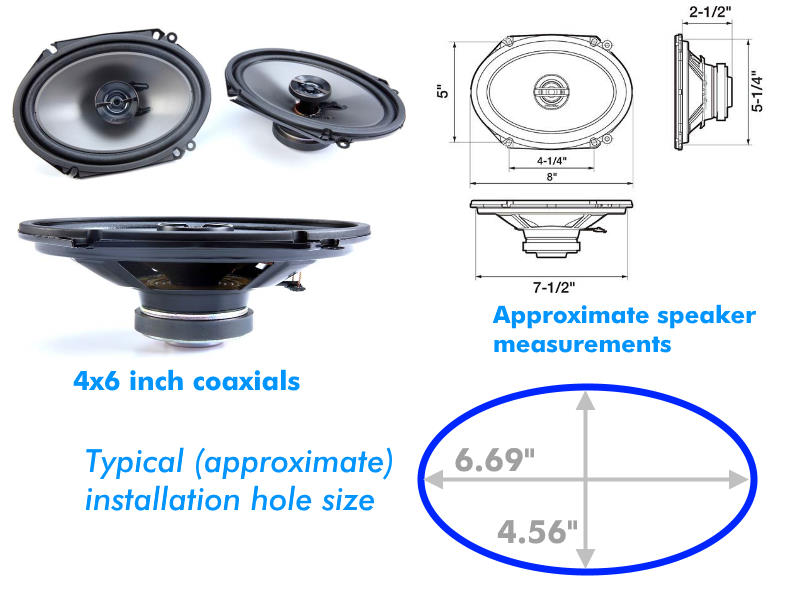
Measure both front and rear speakers separately. Front speakers often have different sizes or shapes than rear ones. Note the diameter, mounting hole spacing, and depth for each location. Some cars use oval or rectangular speakers in the rear. Record all dimensions to find suitable replacements for every position.
Fitting Speakers In Your Car
Fitting new car speakers requires more than just picking the right size. The space inside your car doors and other factors influence how well the speakers fit and perform. Proper installation ensures clear sound and prevents damage to your car or speakers.
Consider the speaker’s size and shape, plus how it fits within the door panel. Checking all these details before installation makes the process smoother and safer.
Checking Door Cavity Space
Measure the space inside your car door where the speaker will sit. Remove the door panel if possible to get a clear view. Check the width, height, and depth of the cavity. This helps you choose a speaker that fits without forcing it.
Remember, some speakers have larger frames or magnets. Ensure the cavity can handle these parts. Avoid speakers that are too big or too deep for the door space.
Avoiding Window Interference
Car windows move up and down inside the door frame. Check the space behind the speaker location to avoid blocking the window. A speaker that is too deep can hit or interfere with the window’s movement.
Roll the window up and down to test clearance. Make sure the speaker and its wiring do not touch the glass or window mechanisms. This prevents damage and noise issues.
Using Spacers And Mounting Brackets
Spacers and mounting brackets help fit speakers that do not match the factory hole positions exactly. They add space between the speaker and door panel. This solves clearance problems and secures the speaker firmly.
Choose brackets that fit your speaker and car model. Use spacers to adjust mounting depth if the speaker is too thick. Proper brackets and spacers protect your speakers and improve sound quality.
Speaker Size And Sound Quality
Speaker size plays a key role in car audio quality. It affects how sound waves move and how deep the bass can go. Larger speakers usually move more air, creating richer sound. Smaller speakers handle higher frequencies better, making vocals and instruments clearer.
Choosing the right size balances sound quality and space in your car. Understanding speaker size helps you get the best audio experience possible.
Impact Of Size On Audio Performance
Larger speakers produce stronger bass and louder sound. They move more air because of their bigger cones. This makes low sounds feel fuller and more powerful. Smaller speakers offer crisp highs and better clarity. They respond faster to high-frequency sounds like cymbals and vocals.
Mid-sized speakers aim to cover a wide range of sounds. They try to balance clear highs with good bass. The size also affects speaker placement and installation options inside a car door or panel.
Choosing The Right Size For Your Needs
Think about your music style and listening habits. If you enjoy bass-heavy music, bigger speakers work best. For talk radio or podcasts, smaller speakers may be enough. Check your car’s speaker space before buying. Some cars only fit certain sizes.
Match speaker size with your car’s audio system for the best fit. Proper size improves sound and avoids installation problems. Choose a size that fits your budget and listening preferences.
Common Measurement Mistakes
Measuring car speakers can be tricky, and many people make common mistakes. These errors often lead to buying the wrong size or type of speaker. Accurate measurements ensure your new speakers fit perfectly and sound great. Avoiding these mistakes saves time and money.
Measuring Through Grills
Some try to measure speakers through the grills or covers. This method is not accurate. Grills add extra space, making the speaker look bigger. Removing the grill gives a true size of the speaker frame. Always measure directly on the speaker for precise results.
Assuming Uniform Sizes
Not all speakers with the same name have the same size. Brands and models may vary slightly. Assuming all 6.5-inch speakers are identical causes fitting problems. Check both the frame diameter and mounting hole distance. Confirm the specs for your exact speaker model.
Ignoring Mounting Depth
Mounting depth is the space needed behind the speaker frame. Many forget to check this measurement. A speaker too deep can touch the window or door panel. Measure from the mounting surface to the back of the speaker magnet. This step prevents clearance issues during installation.
Tips For Accurate Measurement
Measuring car speakers correctly ensures a perfect fit and optimal sound. Mistakes in measurement lead to buying the wrong size speaker. Follow these simple tips to get precise measurements every time. Accurate measuring helps avoid extra costs and installation problems.
Keep your tools ready, take your time, and check your work carefully. These steps guarantee you pick the right speaker size for your car.
Double-checking Measurements
Measure each part twice to confirm accuracy. Use a tape measure or ruler with clear markings. Write down your measurements and compare them again. Small errors add up and cause fitting issues. Double-checking saves time and frustration later.
Consulting Manufacturer Specs
Look at the speaker and car manufacturer guides. They list exact sizes and mounting details. Specs include cutout diameter, mounting depth, and screw hole distance. These details help match your measurements with available models. Always trust official specs over guesses.
Using Templates And Guides
Use paper templates or plastic guides from speaker brands. Place them on your car door to see if the speaker fits. Templates show exact hole placement and size needed. They make measuring easier and more precise. Many companies offer free downloadable templates online.

Credit: www.reddit.com

Credit: www.wikihow.com
Frequently Asked Questions
How Is Car Speaker Size Measured?
Car speaker size is measured by the diagonal distance between mounting holes. Also, check overall diameter and mounting depth to ensure proper fit.
What Is The 83% Rule For Speakers?
The 83% rule for speakers means the speaker cone should occupy about 83% of the speaker frame’s diameter. This maximizes sound efficiency and clarity.
Is 200w Loud For A Speaker?
A 200W speaker can be loud, depending on its efficiency and environment. Wattage alone doesn’t determine loudness.
What Does 6.5 Inch Speaker Mean?
A 6. 5 inch speaker refers to the diameter of the speaker cone. It measures 6. 5 inches across the cone’s widest part. This size affects sound quality and fits specific car speaker openings. Proper size ensures easy installation and optimal audio performance.
Conclusion
Understanding how car speakers are measured helps you pick the right fit. Always check diagonal screw hole distance, overall diameter, and mounting depth. These measurements ensure your new speakers mount correctly and sound great. Don’t forget to remove the door panel for accurate measuring.
Measure both front and rear speakers, as sizes may vary. Taking time to measure carefully saves frustration later. Good measurements mean better sound and easier installation. Choose wisely for a better listening experience on the road.