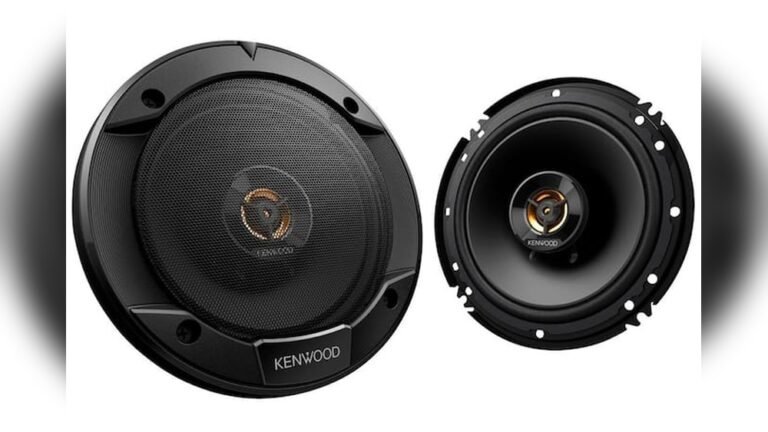
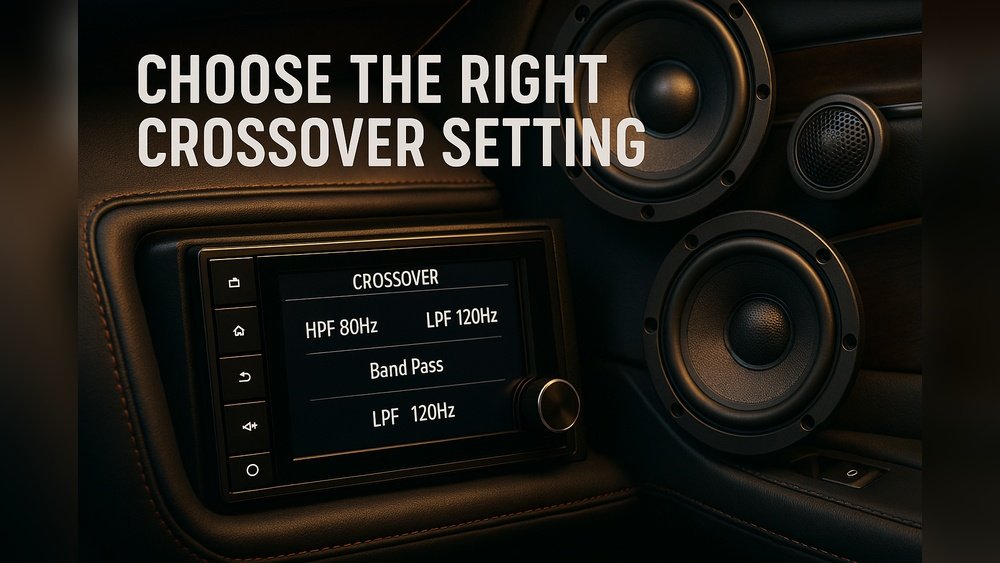
Car Subwoofer Crossover 80Hz or 120Hz: Which Is Best?
Car Subwoofer Crossover 80hz Or 120hz
Choosing the right crossover frequency for your car subwoofer is one of the most important steps in building a great car audio system. Many beginners get confused between common settings like 80Hz and 120Hz. Some think a higher number always means more bass, while others believe lower is always better. But the answer is not that simple.
The right crossover setting can change how your music feels. It affects the punch, clarity, and blend between your subwoofer and main speakers. Setting the crossover wrong can make your music sound muddy or leave gaps in the sound. In this guide, you’ll learn the real differences between 80Hz and 120Hz, how they sound, and which is best for you.
Simple explanations, practical examples, and real-world advice will help you make the right choice for your car audio setup.
What Is A Crossover Frequency?
A crossover frequency is a point where your audio system decides which sounds go to your subwoofer and which go to your main speakers. It acts like a traffic cop, sending low bass notes to the subwoofer and higher sounds to other speakers.
- Subwoofers are designed for deep bass (low frequencies)
- Midrange and tweeter speakers handle higher notes
If the crossover is set too high, your subwoofer may try to play sounds it can’t handle well. Too low, and you may miss some bass.
Why Crossover Settings Matter
Picking the right crossover frequency is not just about numbers. It’s about sound quality and speaker health:
- Better blend: The right setting helps your subwoofer and main speakers play together smoothly.
- Speaker protection: Stops smaller speakers from trying to play bass they can’t handle.
- Cleaner sound: Reduces distortion and muddiness in your music.
Many beginners set the crossover to a random number. But with a bit of knowledge, you can get much better sound.
The Most Common Settings: 80hz Vs 120hz
Let’s look at why 80Hz and 120Hz are the most common crossover points.
80hz: The Classic Reference Point
- Used in home theater and by many car audio pros
- Often recommended by the Audio Engineering Society
- Ideal for systems where main speakers can handle some bass
At 80Hz, your subwoofer takes over the deepest bass. Your main speakers play everything above 80Hz. This usually gives a clean, balanced sound.
120hz: The Higher Cutoff
- Used when main speakers are small or weak in bass
- Lets the subwoofer handle more mid-bass
- Can make music sound bass-heavy or boomy if not set carefully
120Hz is helpful if your car’s door speakers are tiny and struggle with lower notes. It sends more of the “thump” to the subwoofer, so your main speakers don’t have to work as hard.
How 80hz And 120hz Sound Different
Here’s what you’ll notice when you use these settings:
- 80Hz: Tighter, cleaner bass. The subwoofer blends better with good quality main speakers. Vocals and instruments are clearer.
- 120Hz: More bass “energy,” but sometimes less clear. The subwoofer plays more of the mid-bass, which can make sound feel heavier but sometimes “muddy.”
Many music lovers prefer 80Hz for accuracy. But 120Hz can be useful in small cars with tiny speakers.
Practical Examples And Real-world Data
Example 1: Factory Car Speakers
Most stock car speakers are 4″–6. 5″ and mounted in doors.
- These can usually play down to about 100Hz, but not much lower
- If you set the crossover at 80Hz, you protect them from deep bass
- If you set it at 120Hz, you protect them more, but may lose some “punch” if your subwoofer isn’t powerful
Example 2: Upgraded Component Speakers
If you install high-quality 6.5″ or 6×9″ speakers:
- These can often handle bass down to 60–80Hz
- An 80Hz crossover lets these speakers add “kick” to music
- The subwoofer only handles the deepest notes
Example 3: Small Subwoofer
A smaller subwoofer (like 8″) may not play deep bass as well as a big one.
- Setting the crossover at 120Hz helps it play louder with less distortion
- But you may hear more “directional” bass (you can tell where the bass is coming from)
Data Comparison
Here’s a simple comparison of how different speakers react to crossover settings:
| Speaker Type | Safe Crossover (Hz) | Result |
|---|---|---|
| Factory 4″ Door | 120Hz | Protected from bass damage |
| 6.5″ Component | 80Hz | Full, clean sound |
| Large Subwoofer (12″) | 80Hz | Deep, powerful bass |
| Small Subwoofer (8″) | 120Hz | Louder, but less deep bass |
How To Set Your Crossover: Step-by-step
Getting the best sound is about more than picking a number. Here’s how you can set your car subwoofer crossover for the best results:
- Check your speakers’ specs
- Look for the lowest frequency your main speakers can handle (often in the manual or online).
- Start with 80Hz
- If your speakers are good quality, begin here.
- Listen to familiar music
- Play music you know well. Listen for smooth blending and clear sound.
- Adjust up or down
- If you hear your main speakers distorting, raise the crossover (try 100Hz or 120Hz).
- If the bass feels “separate” or too strong, lower the crossover.
- Fine-tune
- Small changes (even 5Hz) can make a difference.
- Ask a friend to listen from different seats in your car.
Pro Tips Beginners Miss
- Overlap zone: Your main speakers and subwoofer should not play the same notes too loudly. This causes “boominess.”
- Slope matters: The crossover “slope” (12dB, 18dB, 24dB per octave) affects how sharply the cutoff happens. A steeper slope means less overlap.
- Phase issues: If bass disappears at the crossover point, try flipping the subwoofer’s phase (usually a switch or wire change).
80hz Vs 120hz: Which Is Best For You?
There’s no single “best” setting for everyone. But here’s how to make your choice:
| Your System | Best Starting Point | Why |
|---|---|---|
| Factory speakers, small car | 100–120Hz | Protects weak speakers, keeps bass strong |
| Aftermarket speakers, quality subwoofer | 80Hz | Balanced, accurate sound |
| Music style: EDM, hip hop | 80–100Hz | Strong, clean bass punch |
| Music style: rock, jazz | 80Hz | Keeps instruments clear |
Hidden Insights Most Miss
- Room gain: The small space in a car boosts bass. You may not need as much subwoofer output as you think.
- Crossover “holes”: Don’t set the subwoofer crossover below your main speakers’ limit. If your main speakers stop at 100Hz and your sub is set to 80Hz, you’ll have a “hole” with missing bass.
Common Mistakes When Setting Crossovers
Even experienced installers make mistakes. Watch out for these:
- Setting both crossovers the same way: The amplifier and the head unit may both have crossovers. If both are set, you may accidentally cut off too much or too little bass.
- Not matching the slope: If your subwoofer and main speakers have different slopes, you may get uneven sound.
- Testing with unfamiliar music: Always use music you know well. You’ll notice problems more easily.

Credit: www.ebay.com
When Should You Use 80hz?
- Your main speakers can handle some bass (6.5″ or bigger)
- You want clean, accurate sound
- You listen to music with natural instruments or vocals
80Hz is often the “standard” for a reason. It’s recommended by groups like THX for home theater and by many car audio experts. It lets the subwoofer focus on what it does best—deep bass—while letting main speakers add “punch.”
When Should You Use 120hz?
- Your main speakers are small (4″–5.25″) or low quality
- You notice distortion or rattling from the main speakers at lower settings
- You want more “thump” and don’t mind some loss of clarity
120Hz is not “wrong.” It’s a practical choice for systems where the main speakers can’t handle bass well. It helps protect your speakers and keeps the system sounding full.
How Crossover Slope Affects Your Choice
The crossover slope controls how quickly the bass cuts off. For example, a 12dB/octave slope means the sound drops off by 12 decibels for every “octave” below the crossover point.
- Shallow slope (6dB–12dB): More overlap between subwoofer and speakers. Smoother blend, but more chance of muddiness.
- Steep slope (18dB–24dB): Cleaner cutoff. Less overlap, but harder to blend perfectly.
If your system has a steep slope, you can set the crossover closer to your main speakers’ lower limit. If it’s shallow, you may need to raise the crossover to avoid overlap problems.
How To Test Your Settings
Testing is the key to getting the best sound. Here’s a simple method:
- Set crossover to 80Hz
- Play a bass-heavy track at normal volume
- Listen for:
- Bass “coming from the back” (subwoofer is too loud)
- Weak or missing bass (crossover too low)
- Main speakers rattling (crossover too low)
- Raise to 100Hz, repeat
- Raise to 120Hz if needed
Don’t be afraid to adjust a few times. What sounds best to you is most important.
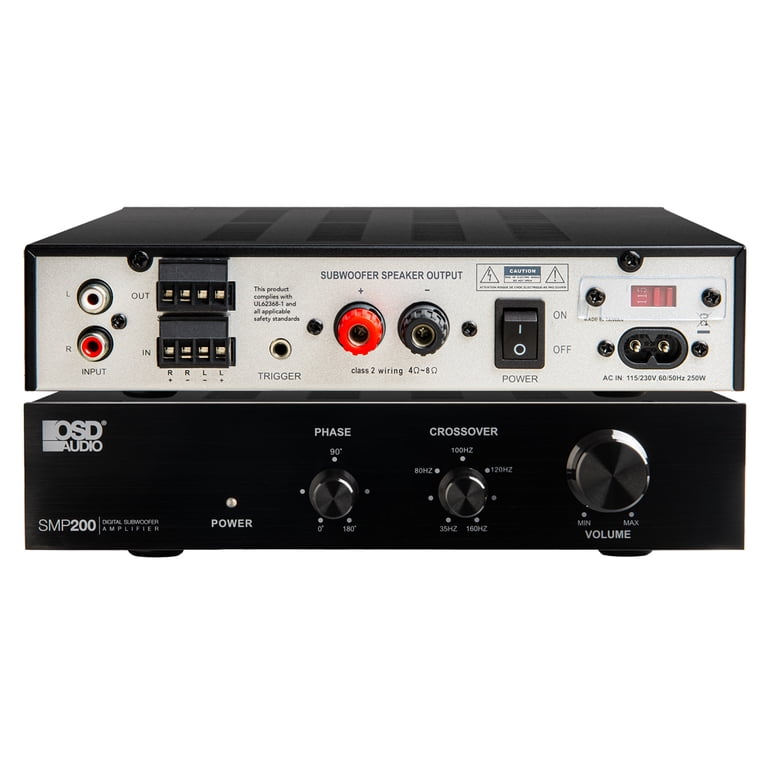
Credit: www.walmart.com
Advanced Tip: Using Measurement Tools
If you want even better results, use a measurement app or microphone. Apps like AudioTools or Room EQ Wizard can show you exactly where your bass is too strong or too weak.
- Play a “sweep” (a sound that goes from low to high)
- Watch for dips or peaks around your crossover setting
- Adjust crossover or subwoofer level until the graph looks smooth
This is how professionals tune car audio for competitions.
Summary: Making The Right Choice
- Start at 80Hz if your main speakers are good quality
- Try 100–120Hz if your main speakers are small or weak
- Adjust by ear using music you know well
- Use a measurement tool for best results (optional)
- Avoid overlap or holes between subwoofer and main speakers
Every car and every ear is different. The right crossover makes your music sound better, your speakers last longer, and your driving more fun.
For more technical details about subwoofer crossovers, you can visit this Wikipedia article.

Credit: www.youtube.com
Frequently Asked Questions
What Is The Best Crossover Setting For Most Car Subwoofers?
The best starting point is usually 80Hz. This setting works well if your main speakers are 6.5″ or larger. If your speakers are smaller, try 100Hz or 120Hz to protect them from deep bass.
Will Setting The Crossover To 120hz Damage My Subwoofer?
No, 120Hz will not damage your subwoofer. But it might make your bass less accurate. You may also hear more “directional” bass, meaning you notice where the subwoofer is located.
Can I Use Both The Head Unit And Amplifier Crossover Together?
You can, but it’s often best to use just one. Using both can cause confusion and may cut off too much or too little bass. Pick the one that’s easiest to adjust and leave the other “flat” (off).
How Do I Know If My Crossover Is Set Too High Or Too Low?
If the crossover is too low: Main speakers will distort or rattle, and you may miss some bass.
If the crossover is too high: Bass may sound “boomy” or disconnected from the music, and you may hear vocals coming from the subwoofer.
Is 80hz Always Better Than 120hz?
Not always. 80Hz is best for clean, balanced sound if your speakers can handle it. 120Hz is helpful if your main speakers are small or struggle with bass. The right choice depends on your system and your ears.
Choosing between 80Hz and 120Hz is not about picking the “best” number, but finding what works best for your car, your music, and your taste. With a little testing and the tips above, you’ll enjoy better bass and a smoother sound every time you drive.