Loudest 6.5 Speakers for Your Car Stereo: Top Picks for 2024
If you want your car stereo to turn heads and make every drive exciting, the right speakers matter. Many car lovers want a louder, clearer sound, but they feel lost when choosing speakers—especially 6. 5-inch models, which are the most common size for car doors and rear decks.
Not all 6. 5-inch speakers are built for loudness. Some focus on clarity, others on deep bass, and only a few can truly fill your car with powerful, punchy sound.
Let’s break down the loudest 6.5-inch speakers for car stereos. We’ll cover real-world performance, power ratings, and what makes each model stand out. Whether you like hip-hop, rock, or podcasts, this guide will help you make a clear, confident choice.
Why Loudness Matters In Car Speakers
Loudness is more than just volume. It means your music stays clear and exciting even with the windows down or on the highway.
- Loud speakers cut through road noise.
- You enjoy details in vocals and instruments.
- There’s less distortion at high volume.
But loudness is not only about watts. Speaker sensitivity, build quality, and power handling all play a role.
What To Look For In Loud 6.5-inch Car Speakers
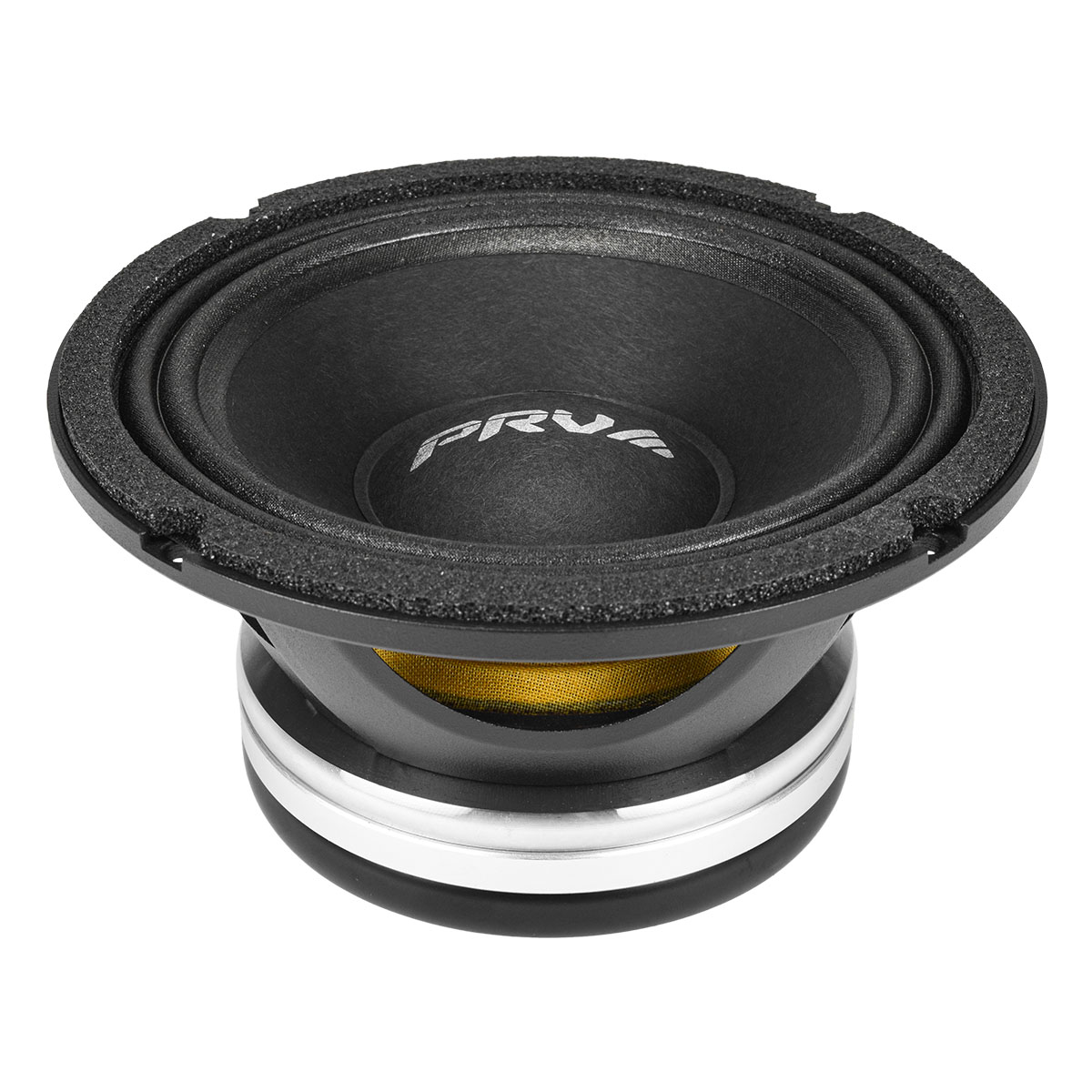
Before you buy, understand what makes a 6. 5-inch speaker loud and crisp.
- Power handling (RMS/Peak): RMS is the real power a speaker can handle continuously. Peak is the absolute max for short bursts. Look for higher RMS for more reliable loudness.
- Sensitivity (dB): Measures how efficiently a speaker turns power into volume. Above 90 dB is considered high.
- Materials: Rigid cones and quality voice coils mean more sound with less distortion.
- Design: Some speakers are coaxial (all-in-one), others are component (separate tweeter and woofer). Coaxials are easier to install; components can sound even better.
Credit: prvaudio.com
The Loudest 6.5-inch Car Speakers: Top 6 Picks
Let’s dive into the best 6. 5-inch speakers built for loudness. Each one offers unique strengths, and all are favorites among car audio enthusiasts.
1. Pioneer Ts6900pro
The Pioneer TS6900PRO stands out for its raw power and punchy sound. Designed for serious listeners, this model delivers amazing volume without losing clarity.
- RMS Power: 100 watts
- Peak Power: 600 watts
- Sensitivity: 92 dB
Why it’s loud: Its high sensitivity and robust build let it handle a lot of power, turning every watt into strong, clear sound. The large voice coil and rigid cone design mean less distortion even at top volume.
Beginner insight: Many people focus only on wattage, but the Pioneer’s high sensitivity means you get more loudness even with a modest car amplifier.
Practical tip: This speaker is best for people who like energetic music and want to feel the beat.
2. Jbl Gto629 Premium
JBL is famous for its car audio, and the GTO629 is a top choice for those who want both loudness and clean sound.
- RMS Power: 60 watts
- Peak Power: 180 watts
- Sensitivity: 93 dB
Why it’s loud: The GTO629 uses JBL’s Plus One cone technology, which gives you a bigger surface for pushing air. More air means more sound—without needing a huge amplifier.
Beginner insight: Many beginners overlook the importance of cone size and material. Here, the carbon-injected cone offers both lightness and strength.
Practical tip: If you want to upgrade your factory speakers without changing your whole system, the GTO629 is a smart pick.
3. Rockford Fosgate R165x3
The R165X3 is perfect for those who want a volume boost on a budget. It balances loudness, price, and durability.
- RMS Power: 45 watts
- Peak Power: 90 watts
- Sensitivity: 91 dB
Why it’s loud: It uses a three-way design (woofer, midrange, tweeter) to cover the full range of sound. Even at higher volumes, you hear crisp highs and solid mids.
Beginner insight: Many new users ignore frequency response. The R165X3’s range (52 Hz–20 kHz) means you hear both deep bass and clear vocals.
Practical tip: This speaker is easy to install and works well with most factory stereos.
4. Kicker 43dsc6504
Kicker is a well-known name for car audio fans who want a booming sound. The 43DSC6504 is designed for high output and reliability.
- RMS Power: 60 watts
- Peak Power: 240 watts
- Sensitivity: 90 dB
Why it’s loud: The thin-profile design lets it fit in more cars, but it doesn’t sacrifice performance. Its stiff polypropylene cone and UV-treated foam surround let you crank up the volume without worry.
Beginner insight: Many people think bigger speakers are always louder, but fit and quality matter more. The Kicker delivers big sound in a small package.
Practical tip: It pairs well with aftermarket amplifiers for even more volume.
5. Alpine R-s65
Alpine is known for precise, high-quality sound. The R-S65 is built for listeners who want loudness and clarity.
- RMS Power: 100 watts
- Peak Power: 300 watts
- Sensitivity: 88 dB
Why it’s loud: It uses a unique multi-layer fiber cone that handles high power without flexing. The result is loud, distortion-free sound at any volume.
Beginner insight: Many overlook lower sensitivity ratings, but Alpine’s build quality means it can handle more power for longer without overheating.
Practical tip: For best results, use an aftermarket amp to unlock its full potential.
6. Focal Access 165 Ac
Focal is a premium brand from France. The Access 165 AC is for drivers who want luxury sound and high output.
- RMS Power: 70 watts
- Peak Power: 140 watts
- Sensitivity: 91.5 dB
Why it’s loud: The woven fiberglass cone is both light and strong, helping it play louder with less power. The aluminum inverted dome tweeter adds brightness and detail.
Beginner insight: Many car owners forget that speaker material affects loudness and clarity. Focal’s design gives you both.
Practical tip: These speakers shine with high-quality audio files and a good amplifier.
Side-by-side Comparison: Loudness & Power
Here’s a quick look at the most important specs for each speaker:
| Model | RMS Power (watts) | Peak Power (watts) | Sensitivity (dB) |
|---|---|---|---|
| Pioneer TS6900PRO | 100 | 600 | 92 |
| JBL GTO629 | 60 | 180 | 93 |
| Rockford Fosgate R165X3 | 45 | 90 | 91 |
| Kicker 43DSC6504 | 60 | 240 | 90 |
| Alpine R-S65 | 100 | 300 | 88 |
| Focal Access 165 AC | 70 | 140 | 91.5 |
How To Choose: Key Factors For Beginners
With so many numbers and specs, choosing can feel confusing. Here’s what you should really focus on if you’re new to car audio:
- Match power with your stereo or amp. Don’t buy a high-power speaker if you’re using a factory stereo with low output. You’ll waste money and get less volume.
- Check sensitivity. Higher sensitivity means more sound for every watt. It’s great for factory systems with low power.
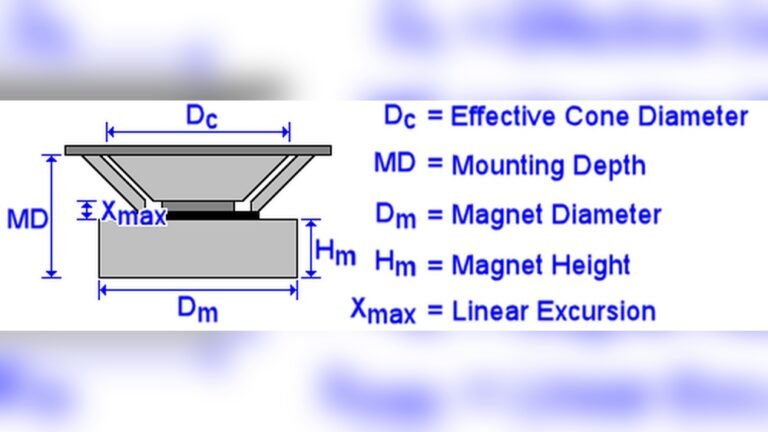
- Fit matters. Not all 6.5-inch speakers fit every car. Check your door depth and shape before buying.
- Don’t ignore quality. Cheap speakers may be loud, but they often sound harsh or break quickly.
- Install properly. Even the best speaker won’t sound good if installed poorly or with weak wiring.
Real-world Performance: What To Expect
Here’s a practical look at how much louder these speakers can get compared to typical factory speakers:
- Factory speakers: 87–89 dB sensitivity, 15–30 watts RMS
- Upgraded speakers from this list: 90–93 dB sensitivity, 45–100 watts RMS
Result: You’ll hear a 30–100% increase in volume and clarity, especially if you use an aftermarket amplifier.
Example
Imagine you have a car stereo that puts out 20 watts RMS per channel. Replacing 88 dB factory speakers with 93 dB JBL GTO629s means:
- Every 3 dB increase in sensitivity = about double the loudness for the same power.
- So, a 5 dB increase (from 88 to 93) makes a huge difference, even without upgrading your head unit.
Upgrading Tips For Maximum Loudness
- Use quality wiring. Thin, old wires can lose power. Use 16-gauge or thicker.
- Seal doors and use sound deadening. This reduces rattles and makes your speakers sound even louder.
- Tune your stereo. Adjust the equalizer settings to get the best sound from your new speakers.
- Consider an amplifier. Even a small aftermarket amp can unlock much more loudness and clarity.
Common Mistakes Beginners Make
- Chasing max watts. Peak power looks impressive but is not useful for real listening. Focus on RMS.
- Ignoring sensitivity. High sensitivity is the secret to loud sound with less power.
- Poor installation. Loose mounts or bad wiring can ruin even the best speakers.
- Not checking fit. Always measure your car doors before buying.

Credit: www.amazon.com
Durability And Build Quality Comparison
Not all loud speakers last long. Here’s how these models compare for durability and materials:
| Model | Cone Material | Tweeter Type | Build Quality |
|---|---|---|---|
| Pioneer TS6900PRO | Cellulose | Bullet Tweeter | Very Durable |
| JBL GTO629 | Carbon-injected | Edge-driven Soft Dome | High Quality |
| Rockford Fosgate R165X3 | Polypropylene | Silk Dome | Good for Price |
| Kicker 43DSC6504 | Polypropylene | PEI Dome | Rugged |
| Alpine R-S65 | Multi-layer Fiber | Silk Dome | Premium |
| Focal Access 165 AC | Woven Fiberglass | Aluminum Inverted Dome | Very High-End |
Is An Amplifier Necessary?
You can use these speakers with a standard car stereo, but for the loudest and cleanest sound:
- Factory stereos (15–25 watts RMS) can power high-sensitivity speakers.
- Aftermarket amplifiers (50–100 watts RMS) are recommended for lower-sensitivity or high-power models like the Alpine R-S65.
- Adding an amp unlocks the full volume and bass potential.
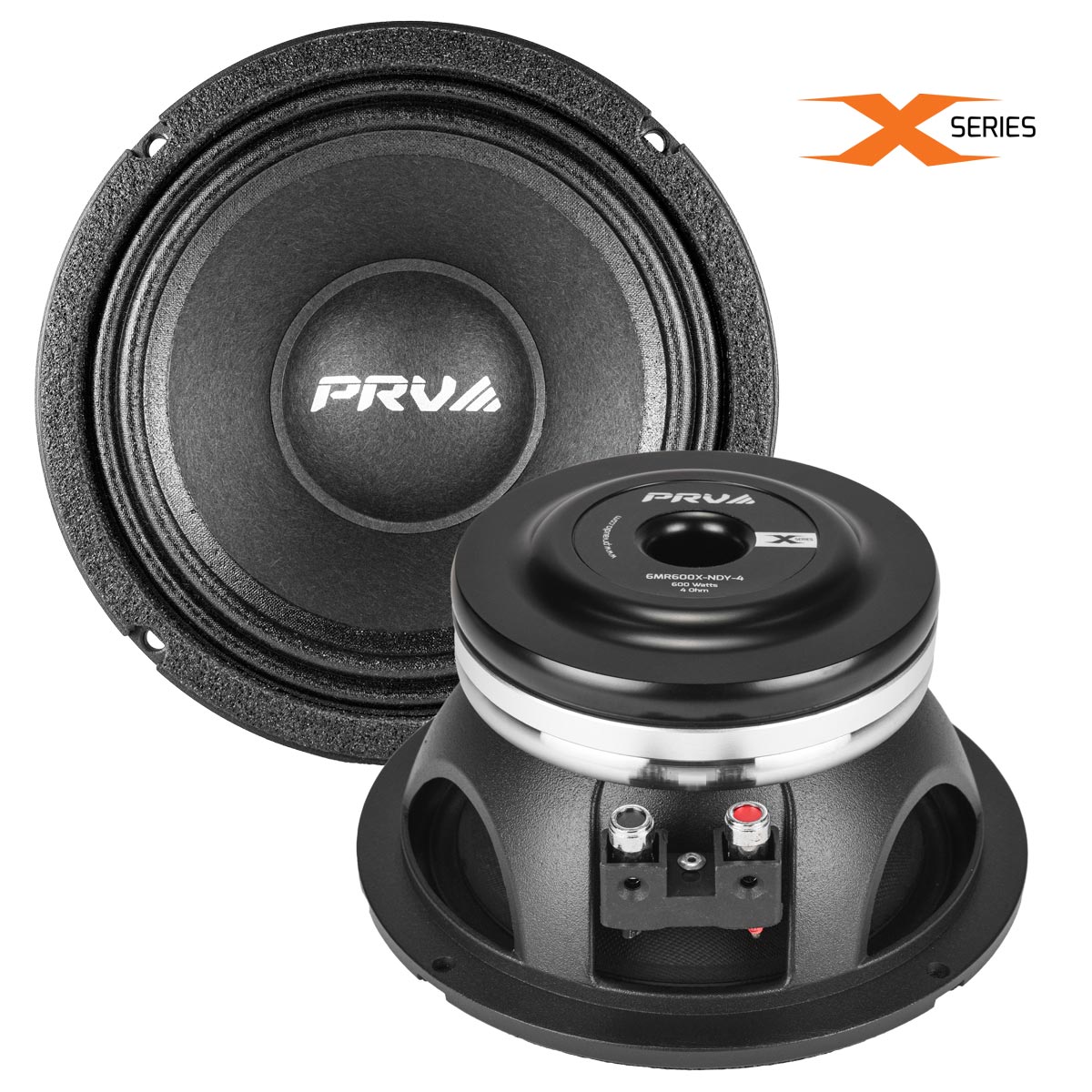
Credit: prvaudio.com
Where To Buy And What To Avoid
Buy from trusted retailers or official online stores to avoid fakes. Check warranty and return policies. Be careful with deals that look too cheap—counterfeit speakers are common.
For more detailed specs and user reviews, visit Crutchfield.
Frequently Asked Questions
What Is The Difference Between Rms And Peak Power In Car Speakers?
RMS power is the amount of power a speaker can handle continuously without damage. Peak power is the maximum the speaker can handle for a short burst. Always focus on RMS ratings for everyday use.
Will Loud 6.5 Speakers Fit My Car?
Most cars use 6.5-inch speakers, but door depth and mounting holes can differ. Measure your car’s speaker openings before buying. Many brands provide fit guides online.
Do I Need An Amplifier For These Loud Speakers?
If you want the maximum volume and clarity, an amplifier is recommended, especially for speakers with high RMS ratings. High-sensitivity models can still sound great with factory stereos.
Can I Install These Speakers Myself?
Yes, if you have basic tools and patience. Watch installation videos and follow the included guides. If you’re unsure, a car audio shop can help.
How Do These Speakers Compare To Factory Speakers?
Upgraded 6.5-inch speakers usually offer 30–100% more loudness and much better sound quality. You’ll notice deeper bass, clearer vocals, and less distortion at high volume.
Upgrading to the right 6. 5-inch speakers can transform your car stereo. Pick the model that fits your needs, install it carefully, and get ready for a driving experience that’s loud, clear, and exciting.