How to Break in a Subwoofer: Expert Tips for Maximum Performance
When you buy a new subwoofer, it’s exciting to set it up and hear deep, powerful bass for the first time. But to get the best sound and avoid damage, it’s important to break in your subwoofer properly. Breaking in means helping the subwoofer’s parts loosen up and work smoothly. This makes the sound clearer and bass richer, and helps your sub last longer. Many beginners skip this step, but it can make a big difference.
This guide will show you, in simple steps, how to break in a subwoofer. You’ll learn why break-in matters, how to do it safely, and common mistakes to avoid. By following these tips, you can enjoy better sound and protect your investment.
What Does “break In” Mean For A Subwoofer?
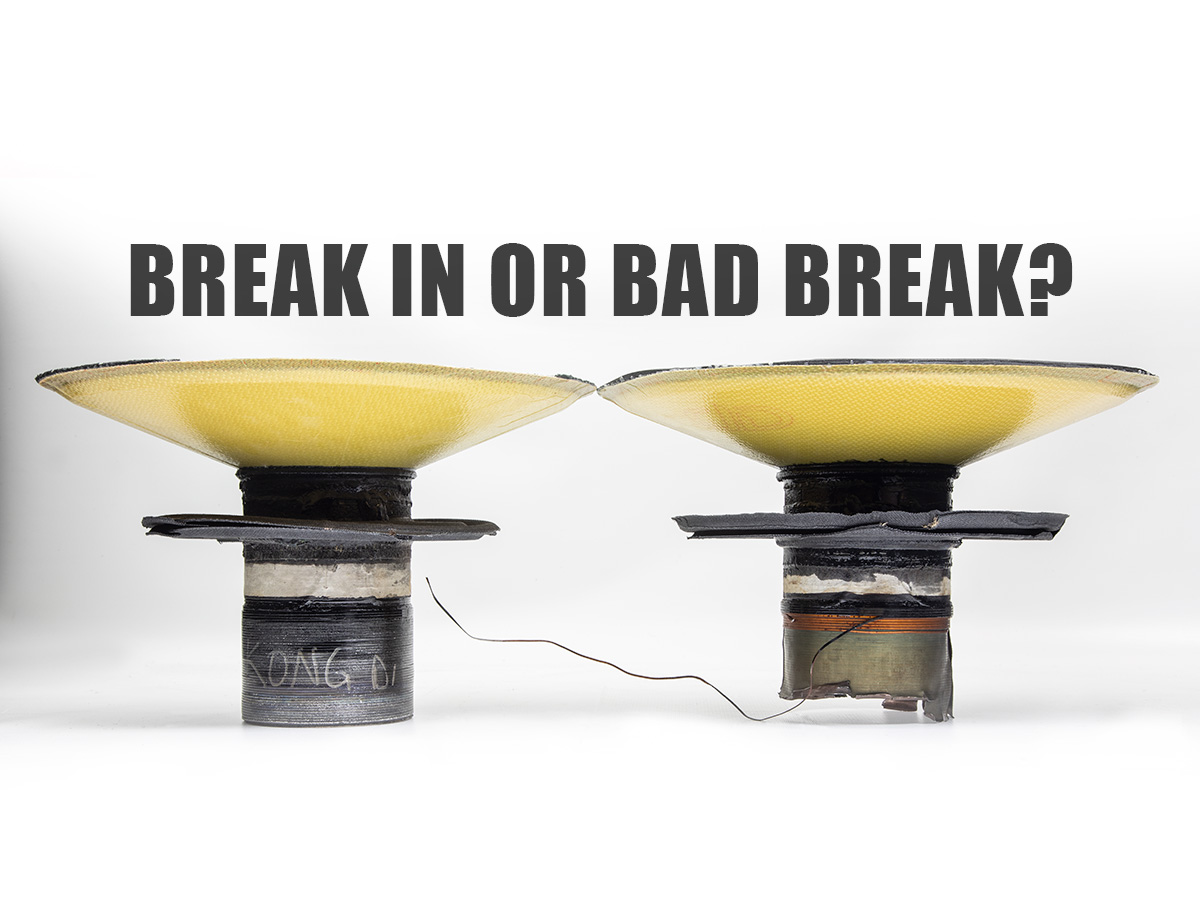
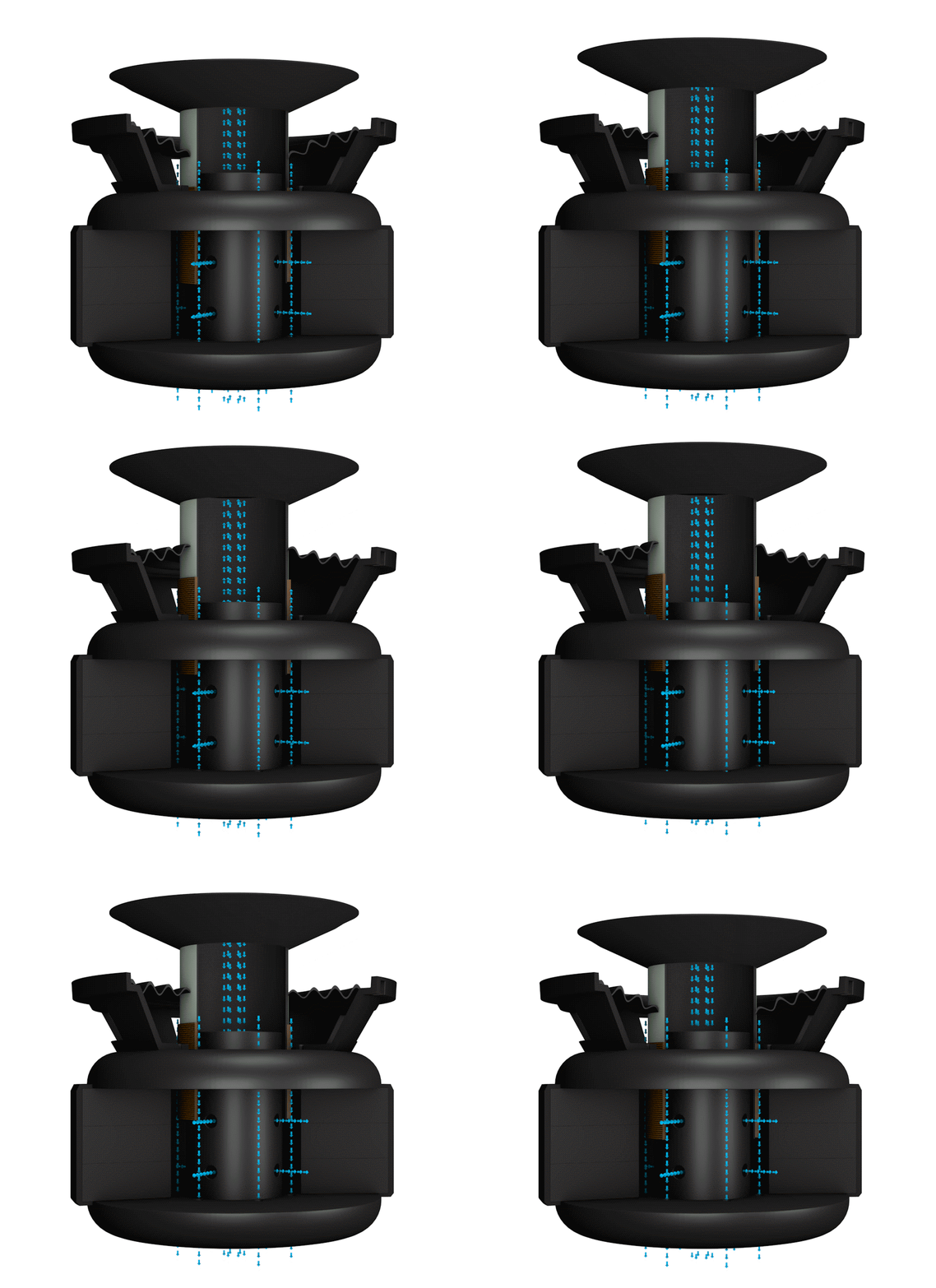
Breaking in a subwoofer means playing it gently for a set time. This allows the suspension system (the spider and surround) to loosen. Out of the box, these parts are stiff. With careful use, they move more freely, giving better bass response.
Manufacturers often recommend a break-in period, but many users ignore it. Think of it like stretching before exercise. If you push too hard too soon, you could damage your subwoofer. With break-in, you get:
- Deeper bass after a few hours of use.
- Smoother sound with less distortion.
- Longer lifespan for your sub.
Why Is Breaking In A Subwoofer Important?
Many ask if breaking in a subwoofer is just a myth. But experts and manufacturers agree it’s important, especially for high-performance models.
Here’s why it matters:
- Reduces stiffness: The spider and surround soften, allowing more natural movement.
- Prevents early damage: Avoids tearing or stressing parts when new.
- Improves sound: The bass gets tighter and more accurate after break-in.
A new subwoofer may sound “tight” or “thin” at first. After break-in, you’ll notice a warmer, fuller bass.

Credit: www.youtube.com
What Changes During Break-in?
Two main parts in a subwoofer change during break-in:
- Spider: The woven part that holds the voice coil in place. It’s stiff when new.
- Surround: The rubber or foam ring around the cone. This supports the cone’s movement.
Both need to flex smoothly for the sub to produce deep bass. As they loosen, the subwoofer reaches its full potential.
Example: Measured Changes
Here’s how the resonant frequency (Fs) can change after break-in:
| Subwoofer Model | Fs (Before Break-In) | Fs (After Break-In) |
|---|---|---|
| Model A | 40 Hz | 35 Hz |
| Model B | 37 Hz | 33 Hz |
A lower Fs means deeper bass after break-in.
How Long Does It Take To Break In A Subwoofer?
There’s no single answer, but most subwoofers need 10 to 30 hours of gentle use to break in. Some high-end models may need more. Here’s a rough guide:
| Subwoofer Type | Break-In Time (Hours) |
|---|---|
| Entry-Level (Home) | 10 – 20 |
| Car Audio | 15 – 25 |
| High-End/Professional | 20 – 40 |
You don’t need to do this in one session. Several hours a day over a week works fine.
Credit: ddaudio.com
How To Break In A Subwoofer: Step-by-step
Here’s a simple, beginner-friendly process:
1. Set Up Your Subwoofer Safely
- Place your sub in its final location.
- Connect to your amplifier or receiver.
- Check wiring for correct polarity and secure connections.
- Start with the manufacturer’s recommended settings.
2. Play Test Tones Or Music At Low Volume
- Use a test tone (like a 20–60 Hz sine wave) or bass-heavy music.
- Set the volume to about 1/4 of max power.
- Play for 2–3 hours, taking breaks to avoid overheating.
Pro Tip: You can find free test tones on YouTube or audio sites.
3. Gradually Increase Volume
- After the first few hours, raise the volume to half power.
- Play for another 5–10 hours, mixing music and test tones.
- Avoid sudden spikes in volume.
4. Monitor Subwoofer Temperature
- Touch the sub’s enclosure. It should feel warm, not hot.
- If it overheats, lower the volume or pause for cooling.
5. Listen For Changes
- After 10–20 hours, you’ll hear deeper, smoother bass.
- The sub should sound more natural and less “tight.”
Example Break-in Schedule
| Stage | Volume | Duration | Notes |
|---|---|---|---|
| Initial | 25% | 2–3 hours | Test tones or soft music |
| Mid | 50% | 5–10 hours | Bass-heavy tracks |
| Final | 60–70% | 5+ hours | Normal listening, mixed genres |
Common Mistakes To Avoid
Beginners often make errors that can shorten a subwoofer’s life or ruin the break-in process.
- Playing too loud, too soon: This can tear the surround or spider.
- Using only one type of sound: Mix music and tones for best results.
- Ignoring overheating: Always check if the enclosure is getting too hot.
- Skipping break-in: You risk poor sound quality and possible damage.
- Not checking settings: Incorrect crossover or gain can cause distortion.
Extra Tips For Better Results
- Choose the right music: Bass-heavy, but not distorted tracks are best. Avoid songs with sudden loud bursts.
- Monitor your amp: Make sure the amplifier isn’t clipping (distorting at high volume).
- Ventilation: Keep your subwoofer in a well-ventilated spot to prevent overheating.
- Patience pays off: Rushing the process can do more harm than good.
- Check manufacturer advice: Some brands have specific break-in tips for their models.
Real-world Example: Car Subwoofer Break-in
Alex just bought a 12-inch car subwoofer. He’s excited to feel the bass but wants the best sound and long life. Here’s how he broke in his sub:
- Day 1–2: Played test tones at 20% volume for 2 hours each day.
- Day 3–5: Switched to hip-hop tracks at 50% volume, 2 hours a day.
- Day 6–7: Mixed music genres at 60% volume, 3 hours a day.
After a week, the bass felt deeper, and the sub sounded much better. Alex noticed less rattle and more control in the low notes. He avoided turning the volume up fully until the second week. By then, the subwoofer’s sound had improved a lot, and he knew he’d protected his investment.
Does Every Subwoofer Need Break-in?
Most new subwoofers benefit from break-in, but a few come “pre-conditioned” from the factory. Check your user manual. For foam or rubber surrounds, break-in is almost always needed. High-end or pro models often have stiffer parts that need extra time.
Exception: Small, budget models sometimes use soft suspension and may need less break-in. Still, a gentle start is always safer.
How To Tell If Your Subwoofer Is Fully Broken In
Signs your subwoofer is broken in:
- Deeper bass: Low frequencies sound fuller and less “thin.”
- Smoother sound: Less distortion at medium and high volumes.
- No harsh noises: You don’t hear rattling or mechanical sounds.
If you notice these changes after a week or two of normal use, your sub is ready for regular listening.
Credit: ddaudio.com
How Break-in Affects Sound Quality
After break-in, expect these improvements:
- Extended bass response: The sub can play lower notes clearly.
- Better power handling: You can turn up the volume without distortion.
- Faster response: The sub reacts quickly to changes in the music.
Data Insight: Some tests show a 10–20% increase in bass output after 20 hours of break-in. This means you’ll hear more punch and richness in your favorite songs.
When To Seek Help
If your subwoofer still sounds bad or makes strange noises after break-in:
- Double-check wiring and amplifier settings.
- Try a different audio source.
- Contact the manufacturer if problems continue.
Non-obvious tip: Some new subs have a “burn-in smell” (like rubber or glue). This is normal, but it should fade after a few uses. If you smell burning or see smoke, stop using the sub immediately.
Frequently Asked Questions
How Loud Should I Play My Subwoofer During Break-in?
Keep the volume at 25–50% of the subwoofer’s rated power for the first 10 hours. Avoid sudden volume jumps. After the initial break-in, you can gradually increase to normal listening levels.
Can I Use My Subwoofer Normally While Breaking It In?
Yes, you can use it for movies or music, but avoid very high volumes or bass-boosted tracks. Mixing different types of audio helps the break-in process.
What Happens If I Skip The Break-in Process?
Skipping break-in can lead to stiff bass and a higher chance of damage during early use. You might not get the deep, smooth bass your subwoofer is designed for.
Is Break-in Needed For Powered Subwoofers?
Yes, powered subwoofers (with built-in amps) also need break-in. The process is the same—start at low volume and increase over time.
Where Can I Find More Tips On Subwoofer Setup?
You can get detailed advice on subwoofer setup and optimization from resources like the Crutchfield Subwoofer Guide.
Taking time to break in your subwoofer is a small effort for big rewards. You’ll enjoy deeper, more powerful bass and a longer-lasting sub. Don’t rush the process—follow the steps above, and your music or movies will sound better than ever.