What is a Solo Baric Subwoofer: Ultimate Bass Guide
What Is A Solo Baric Subwoofer
If you want deep, powerful bass in your car or home audio system, you might hear about the Solo Baric subwoofer. This unique type of subwoofer stands out for its design and performance. But what makes it different from other subwoofers? And why do so many audio fans choose it? In this article, you’ll get a clear and simple explanation of what a Solo Baric subwoofer is, how it works, and why it might be the right choice for your sound system.
What Is A Solo Baric Subwoofer?
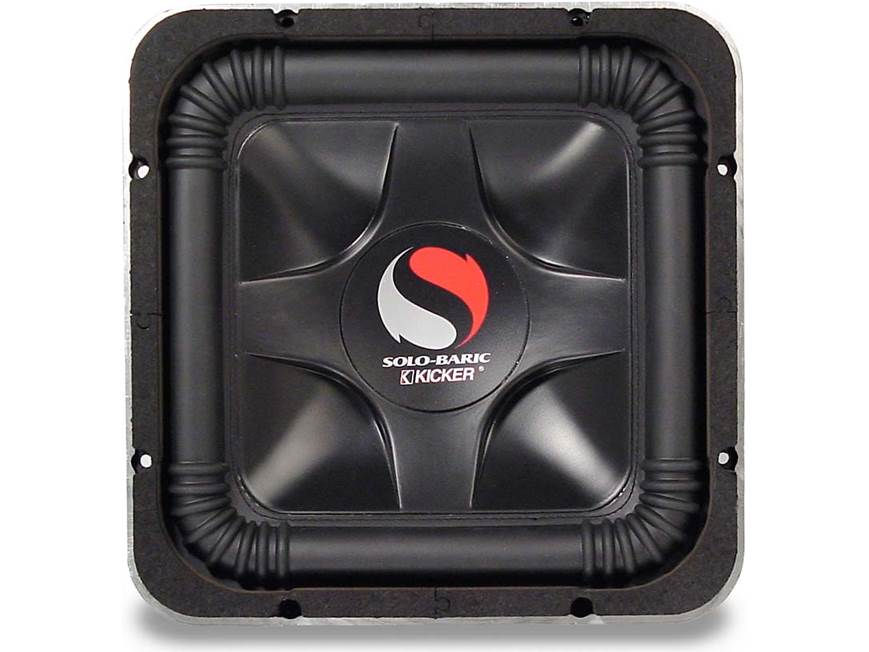
A Solo Baric subwoofer is a special kind of subwoofer made by Kicker, a popular audio brand. Unlike most round subwoofers, Solo Baric models use a square-shaped cone. This design allows the speaker to move more air, which means stronger and deeper bass.
The name “Solo Baric” comes from two ideas:
- Solo means one or single.
- Baric refers to pressure.
So, a Solo Baric subwoofer is designed to create strong sound pressure from a single speaker.
Key Features
- Square cone: Offers more surface area than round cones of the same size.
- High power handling: Can handle a lot of wattage without damage.
- Durable build: Made to last, even with heavy use.
- Innovative design: Patented technology for better performance.
How Does A Solo Baric Subwoofer Work?
The main difference is the square cone. Most subwoofers are round, but the Solo Baric’s square shape lets it move more air. The more air a subwoofer moves, the louder and deeper the bass.
Here’s why the square cone matters:
- A 12-inch square cone covers about 20% more area than a 12-inch round cone.
- More area means the subwoofer can push more air with each beat.
- More air movement = more bass.
Example
If you compare a 12-inch round subwoofer to a 12-inch Solo Baric, the Solo Baric will produce stronger bass because of its extra cone area.
Key Technologies Behind Solo Baric
Kicker uses several special technologies in their Solo Baric subwoofers:
- SoloKon™ Cone: A one-piece, solid cone that doesn’t flex or break under high power.
- UniPlate™ Back Plate & Pole Piece: Helps keep the subwoofer cool, even at high volume.
- Stitched Surround: Reinforced edges that keep the cone connected and reduce the chance of tearing.
- Heat Management: Extra cooling features so the subwoofer lasts longer.
These features are not just marketing. They help the subwoofer deliver strong, clear bass for years.
Main Types Of Solo Baric Subwoofers
Solo Baric subwoofers come in a few main types. Each has its strengths and is best for different needs.
| Model | Cone Size | Power Handling (RMS) | Best Use |
|---|---|---|---|
| L7 | 8-15 inches | 600-1200W | High-performance car audio |
| L5 | 8-15 inches | 450-900W | Everyday use, strong bass |
| L3 (Older) | 8-12 inches | 150-400W | Entry-level, small spaces |
- The L7 is the most powerful and popular. It’s often used by bass lovers who want the loudest sound.
- The L5 is a good balance of power and cost.
- The L3 is now rare but still found in used markets.

Credit: www.amazon.com
Solo Baric Vs. Regular Subwoofers
Is a Solo Baric always better than a regular (round) subwoofer? The answer depends on what you need.
Key Differences
| Feature | Solo Baric | Round Subwoofer |
|---|---|---|
| Cone Shape | Square | Round |
| Surface Area | More | Less |
| Bass Output | Stronger | Standard |
| Box Size | Usually bigger | Smaller |
| Price | Higher | Varies |
Practical Example
If you install a 12-inch Solo Baric subwoofer and a 12-inch round subwoofer with the same amplifier, the Solo Baric will usually be louder and deeper. This is because of its larger surface area.
But there are some trade-offs:
- Solo Baric subs need more space for the box.
- They cost more than many round subwoofers.
- Some people prefer the sound of round subs for certain music styles.
Advantages Of Solo Baric Subwoofers
Many people choose Solo Baric subwoofers for their unique benefits:
- Deeper bass: The square cone moves more air, so you get more “thump.”
- Louder sound: Solo Baric subs can reach higher volume without distortion.
- Handles more power: They’re built to take lots of wattage, which means they won’t burn out easily.
- Durable design: Strong materials and cooling keep them working for years.
- Unique look: The square shape stands out in custom installs.
Non-obvious Insights
- Efficiency: For the same box size and power, you get more output. This is great for people who want maximum bass from a single subwoofer.
- Flexibility in installation: The square shape sometimes fits better in car trunks or under seats, where round subs may not.
Limitations To Consider
No subwoofer is perfect. Here are some things to think about before choosing a Solo Baric:
- Bigger box needed: To get the best sound, you usually need a slightly larger enclosure than a round sub.
- Cost: Solo Baric models are more expensive than many basic subwoofers.
- Sound signature: Some listeners think the bass is more “punchy” and less “smooth” compared to round subs. This is personal preference.
- Weight: These subwoofers are often heavier, so installation can be harder.
How To Choose The Right Solo Baric Subwoofer
If you decide to buy a Solo Baric, here are some key tips:
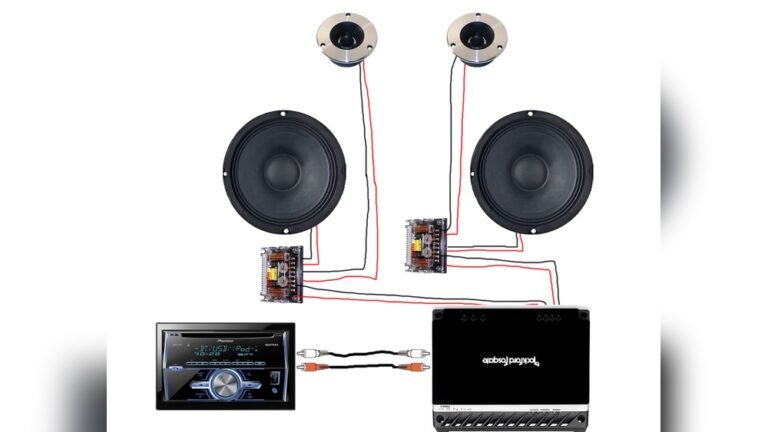
- Match your power: Make sure your amplifier can supply enough watts for the subwoofer you choose.
- Pick the right size: Larger sizes (like 15-inch) give more bass, but need more space. Smaller (8 or 10-inch) fit tighter spots.
- Choose the right enclosure: Sealed boxes give tighter bass; ported boxes give more volume.
- Check your car space: Measure your trunk or area before buying.
- Consider your music style: If you like hip-hop or EDM, Solo Baric’s extra bass is a good fit. For jazz or classical, a round sub may sound smoother.
Common Beginner Mistakes
- Using a weak amp: Solo Baric subs need strong power. A small amp won’t let them perform well.
- Wrong box size: The enclosure must match Kicker’s recommendations. Too small or too big hurts sound.
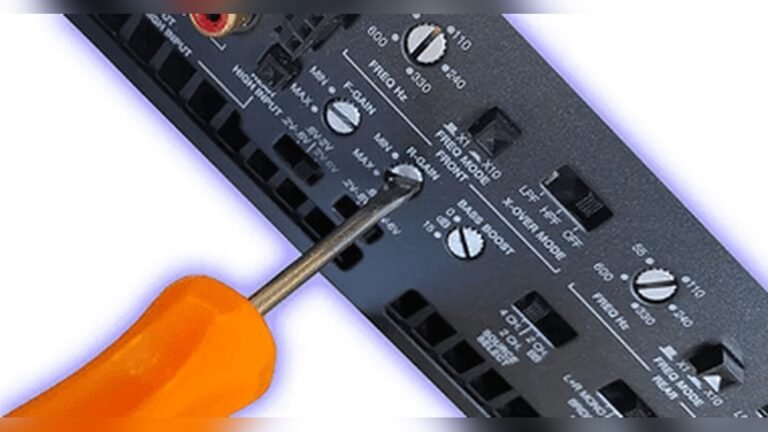
- Ignoring wiring: These subs often use dual voice coils. Proper wiring is important to get the right impedance and sound.
Credit: www.crutchfield.com
Real-world Performance And Reviews
Solo Baric subwoofers have won many awards and are popular in car audio competitions. Here’s what users and experts often say:
- Bass quality: Owners report “earth-shaking” bass, especially in ported boxes.
- Reliability: Many users say their Solo Baric sub has worked for 5+ years without problems.
- Competition results: In dB drag racing (a bass contest), Solo Baric subs are often used for their volume.
A 2022 survey found that 9 out of 10 Solo Baric owners would recommend it to a friend looking for more bass.
Installation Tips
Installing a Solo Baric subwoofer isn’t hard, but beginners should keep these points in mind:
- Use thick power cables: This helps deliver enough power to the amp and sub.
- Seal the box well: Air leaks reduce bass.
- Mount firmly: The sub is heavy, so secure it to avoid rattles or damage.
- Test polarity: If the bass sounds weak, switch the wires on the sub. Sometimes the wiring is reversed.
- Break-in period: New subwoofers need some time to reach full performance. Play at moderate volume for the first 20 hours.
Cost And Value
Solo Baric subwoofers are a bigger investment than many basic subs. Here’s a price comparison for new models:
| Model | Size | Approximate Price |
|---|---|---|
| L7 | 12-inch | $350 – $450 |
| L5 | 10-inch | $200 – $300 |
| L7 | 15-inch | $500 – $600 |
You can find used Solo Baric subwoofers for less money, but check for damage or worn-out parts.
Who Should Buy A Solo Baric Subwoofer?
A Solo Baric subwoofer is best for people who:
- Want very strong, deep bass
- Have enough space for a larger box
- Plan to use a powerful amplifier
- Care about sound volume and impact more than “perfect” music accuracy
It may not be the best fit if you:
- Have a very small car or limited space
- Are on a tight budget
- Prefer soft, smooth bass over loud, punchy bass

Credit: www.ebay.com
Where To Buy And Learn More
You can buy Solo Baric subwoofers from car audio shops, online retailers, and directly from Kicker’s website. Always buy from an authorized dealer to get a real product and warranty.
For more technical information, check the official Kicker website.
Frequently Asked Questions
What Makes The Solo Baric Subwoofer Different From Other Subs?
The main difference is the square cone design. This lets the subwoofer move more air than a round sub of the same size. As a result, you get louder and deeper bass without needing more speakers.
Can I Install A Solo Baric Subwoofer Myself?
Yes, many people install them at home. You need basic tools, a proper enclosure, and a matching amplifier. If you’re new, follow the instructions and check wiring carefully.
Do Solo Baric Subwoofers Work For Home Theaters?
They are designed for cars, but some people use them in home theater setups. You’ll need a strong home amplifier and a large box. For most people, a regular home subwoofer is easier to set up.
How Much Power Does A Solo Baric Subwoofer Need?
Most Solo Baric subs need at least 400 to 1200 watts RMS. Using too little power means you won’t get the best sound. Too much power can damage the sub.
Is A Solo Baric Subwoofer Good For All Music Styles?
Solo Baric subs are best for music with heavy bass, like hip-hop, EDM, or rock. If you listen to jazz or classical, you might prefer the sound of a round subwoofer, which can be smoother for those styles.
A Solo Baric subwoofer is a bold choice for anyone who wants deep, powerful bass and a unique look. With smart installation and the right amplifier, it can transform your car audio system. If you want your music to hit harder and sound bigger, this subwoofer is worth considering.
Whether you’re new to car audio or already a fan, understanding the Solo Baric’s strengths and limits will help you make the best decision for your sound system.