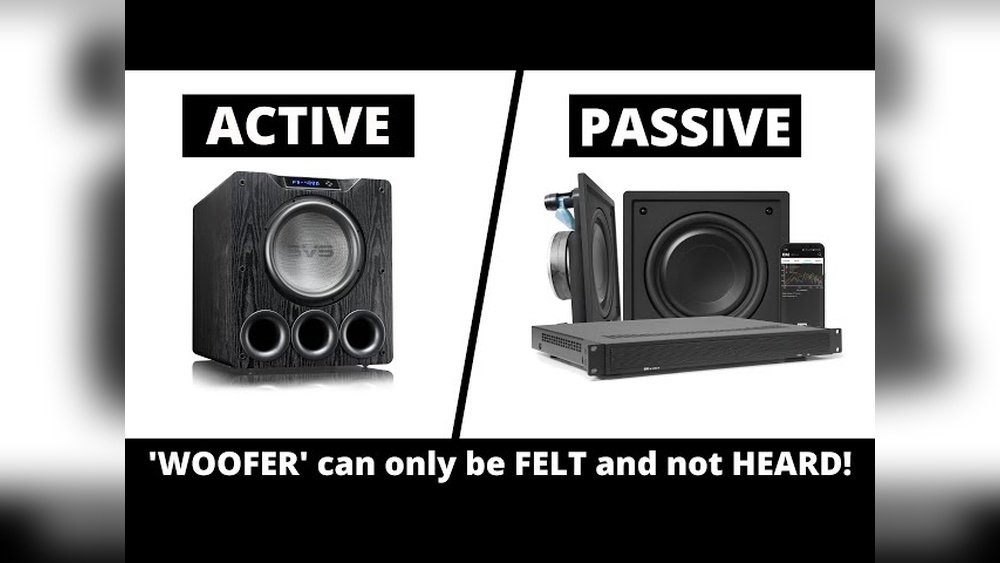
Active Vs Passive Subwoofer: Which Is Best for Your Home Audio?
When you want deep, powerful bass in your home theater or car audio setup, the right subwoofer makes a huge difference. But one question confuses many beginners: active vs passive subwoofer—which is better, and why? The answer depends on your needs, your budget, and how you plan to use your sound system. Understanding the difference helps you avoid common mistakes and ensures you get the most value for your money.
This guide will break down what makes each type special, who should use them, and how to choose the best subwoofer for your situation. We’ll use real data, clear examples, and simple language, so even if you’re new to audio, you’ll finish with full confidence.
What Is A Subwoofer?
A subwoofer is a speaker designed to play low-frequency sounds. These are the deep rumbles in movies, the thump of a bass drum, or the growl of a bass guitar. Regular speakers struggle with these sounds, but subwoofers handle them easily. They typically cover frequencies from about 20 Hz up to 200 Hz.
Subwoofers add energy and impact to music, movies, and games. Without one, your audio may feel flat or weak, especially in home theaters.
Active Subwoofer Explained
An active subwoofer has a built-in amplifier. This means you only need to connect it to a power source and your audio system—no need for an extra amplifier. The amplifier inside is matched to the subwoofer’s speaker, so it works efficiently and safely.
Benefits of Active Subwoofers:
- Easy setup: Fewer cables and less equipment.
- Consistent power: The built-in amplifier is designed for the speaker.
- Built-in controls: Usually includes volume, phase, and crossover adjustments.
- Popular for home theaters: Most modern systems use active subs.
Example: The popular Klipsch R-120SW is an active subwoofer. It plugs into your wall outlet and connects to your audio receiver with a simple cable.
Passive Subwoofer Explained
A passive subwoofer has no built-in amplifier. It’s just the speaker in a box. You must connect it to an external amplifier or receiver that can provide enough power.
Benefits of Passive Subwoofers:
- Flexible system design: Choose your own amplifier and adjust power as needed.
- Upgrade possibilities: Replace the subwoofer or amp separately.
- Common in car audio and large venues: Gives installers more control.
Example: Many in-wall subwoofers used in custom home installations are passive. The installer picks a separate amp based on the room size and the number of subs.
Key Differences: Active Vs Passive Subwoofer
To help you see the main differences at a glance, here’s a simple comparison:
| Feature | Active Subwoofer | Passive Subwoofer |
|---|---|---|
| Amplifier Included | Yes (built-in) | No (external required) |
| Setup | Simple, plug-and-play | More complex |
| Controls | Often on subwoofer | Usually on amplifier/receiver |
| Cost | Usually higher | Usually lower |
| Usage | Home theaters, easy upgrades | Custom systems, car audio |
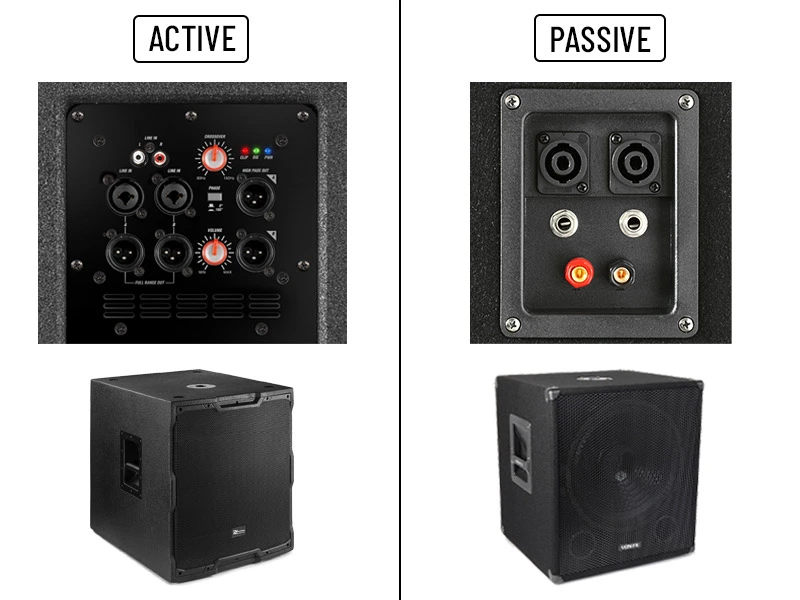
Credit: electromarket.co.uk
Sound Quality: Which Is Better?
Many beginners think that active subs always sound better, but this isn’t true. Sound quality depends on several factors, including:
- The quality of the speaker and amplifier
- Correct matching of power and speaker size
- Room acoustics
Active subwoofers often sound better out of the box because the amp and speaker are designed to work together. However, with the right amplifier, a passive subwoofer can match or even beat an active subwoofer in sound quality.
Non-obvious insight: The placement of the subwoofer in your room affects sound more than the type (active or passive). Corners give more bass, but can cause boomy or uneven sound.
Power Handling And Amplification
Understanding wattage is important for both types.
- Active subwoofers: The built-in amp is perfectly matched. For example, a sub rated at 200 watts RMS means its internal amp delivers 200 watts of continuous power.
- Passive subwoofers: You must match the amp’s power output to the sub’s “RMS” rating. Too little power, and you won’t get strong bass. Too much, and you risk damage.
Example: A passive sub rated for 300 watts RMS needs an amp that can deliver about 300 watts RMS at the right impedance (ohms).
Setup And Installation
Active subwoofers are easier for beginners. You only need to:
- Plug into wall power.
- Connect a single cable (RCA or LFE) to your receiver or preamp.
- Adjust volume and crossover on the subwoofer.
Passive subwoofers require more steps:
- Connect speaker wire from the amp to the sub.
- Make sure the amp matches the sub’s impedance and power rating.
- Adjust settings on the amplifier or receiver.
Common mistake: Using a weak amplifier with a passive subwoofer leads to low, disappointing bass. Always check the power requirements before buying.
Size And Placement
Subwoofers come in many sizes—8-inch, 10-inch, 12-inch, even 15-inch drivers. In general:
- Larger subs (12-15″) give more bass, but need more power and space.
- Smaller subs (8-10″) fit in tight spaces, with less output.
Active subwoofers are often found in compact boxes for home theaters. Passive subs can be built into walls or custom enclosures, especially in cars or large rooms.
Tip: Place your subwoofer near a wall or corner for stronger bass, but avoid blocking the port or driver.

Credit: soundcertified.com
Cost Differences
Let’s compare costs in a simple way:
| Type | Entry-Level Price | Mid-Range Price | High-End Price |
|---|---|---|---|
| Active Subwoofer | $100–$250 | $300–$600 | $800+ |
| Passive Subwoofer | $50–$150 | $200–$400 | $600+ |
Active subs cost more because they include an amplifier. Passive subs need an amp, which adds to the total cost.
Non-obvious insight: If you already have a powerful receiver or amp, a passive subwoofer may save money. But if you don’t, active is usually cheaper and simpler.
Use Cases: Which One Should You Choose?
Here are typical use cases for both types:
Choose An Active Subwoofer If:
- You want easy setup and don’t want to match amps and speakers.
- Your receiver doesn’t have a “subwoofer out” for a passive sub.
- You want built-in controls for quick adjustments.
- You’re building a home theater or desktop audio system.
Choose A Passive Subwoofer If:
- You already have a powerful amplifier or receiver.
- You’re installing multiple subwoofers in a large room or car.
- You want flexibility to upgrade amp or subwoofer separately.
- You like custom or hidden installations (in-wall, in-car).
Pros And Cons
A quick look at the upsides and downsides:
| Active Subwoofer | Passive Subwoofer | |
|---|---|---|
| Pros |
|
|
| Cons |
|
|
Common Mistakes Beginners Make
When choosing between active and passive subwoofers, many beginners:
- Forget to match the amplifier’s power and impedance to the passive subwoofer.
- Buy a subwoofer too big for their room, causing muddy sound.
- Place the subwoofer in a corner without testing, which can create “boomy” or uneven bass.
- Ignore the subwoofer’s crossover settings, leaving a gap or overlap in sound.
Tip: Always check your receiver or amplifier’s manual for subwoofer compatibility before buying.
How To Pick The Right Subwoofer For You
To choose between active and passive:
- Check your receiver: Does it have a “sub out” (often labeled LFE)? Most receivers support active subwoofers.
- Room size: Small rooms usually need only one 10” or 12” active sub. Large rooms or home theaters may need multiple subs or higher power.
- Budget: Include the cost of an external amp if considering passive.
- Future upgrades: If you want to upgrade parts later, passive offers more flexibility.
- Installation: For quick setup, active is best. For custom installs, passive gives more options.
Real-world Examples
- Home Theater: Most people use an active subwoofer like the SVS SB-1000 Pro. It connects easily and offers deep bass for movies and music.
- Car Audio: Many car enthusiasts use passive subwoofers with a separate amp. This allows for custom box sizes and power levels.
- Custom Home Install: In-wall passive subwoofers are popular in high-end homes. The installer matches a hidden amp to several subs for even bass.
External Resource
To learn more technical details about subwoofer design and setup, visit the Wikipedia subwoofer page.
Frequently Asked Questions
What’s The Main Difference Between Active And Passive Subwoofers?
The main difference is that an active subwoofer has a built-in amplifier, so it powers itself. A passive subwoofer needs an external amplifier to work.
Can I Use A Passive Subwoofer With A Regular Home Theater Receiver?
Most modern receivers only support active subwoofers through a “sub out” port. To use a passive sub, your receiver must have a dedicated powered subwoofer output or you’ll need a separate amp.
Which Type Is Better For Beginners?
For most beginners, an active subwoofer is better. It’s easier to set up, has fewer parts, and usually sounds great right out of the box.
Do Active Subwoofers Use More Electricity?
They can, since they include an amplifier. However, most home active subs use about 30–300 watts, similar to a small lamp or TV. Passive subwoofers use power from your external amp.
Can I Upgrade My Sound System More Easily With Passive Subwoofers?
Yes. With passive subwoofers, you can upgrade the amp or the subwoofer separately, which gives you more flexibility for future changes.
Choosing the right subwoofer—active or passive—depends on your setup, your skills, and your goals. Both can deliver powerful bass, but active subs are usually easier and better for most home users, while passive subs offer more flexibility for custom installs and car audio.
With the information in this guide, you’ll be able to make a smart choice and enjoy great sound for years to come.

Credit: www.youtube.com