How to Bypass Bose Factory Amp: Easy Steps for Better Sound
Bypassing a Bose factory amp is a task many car audio fans face. Maybe you want to upgrade your stereo, fix sound problems, or add an aftermarket unit. But Bose systems are not like regular car speakers. They use special amplifiers and wiring. This makes the process tricky for beginners. In this guide, you will learn how to bypass a Bose factory amp safely and correctly. We’ll use simple words, real examples, and practical tips for every step.
Why Bypass The Bose Factory Amp?
A Bose factory amp is designed for Bose speakers and head units. When you install a new stereo or speakers, the Bose amp can cause problems:
- Sound distortion or poor audio quality
- Volume issues (too low or too high)
- Compatibility problems with new radios or subwoofers
Bypassing the amp sends the audio signal directly from your new stereo to the speakers. This gives you clearer sound and more control.
Key Things To Know Before You Start
Many beginners make mistakes because they don’t understand the Bose system. Here are some important facts:
- Bose amps are active: They process and boost sound, not just pass it through.
- Wiring is different: Bose uses unique connectors and wire colors.
- Bypassing is not the same as removing: You don’t have to take the amp out of the car.
Non-obvious insight: Some Bose systems run at low speaker impedance (like 1 or 2 ohms). Regular aftermarket speakers may not match. Always check your speaker specs before connecting directly.
Tools And Materials You’ll Need
Before you start, gather these tools:
- Wire cutters and strippers
- Soldering iron or crimp connectors
- Electrical tape or heat shrink tubing
- A wiring diagram for your car model
- Aftermarket stereo harness (optional but recommended)
- Basic hand tools (screwdrivers, panel removal tool)
Practical tip: Always disconnect your car battery before working with wiring. This prevents shorts and protects you from shocks.
Step-by-step Guide: How To Bypass A Bose Factory Amp
Let’s break down the process for most common Bose systems in cars like Nissan, Mazda, Infiniti, or Chevrolet. Steps may be slightly different, but the idea is the same.
1. Locate The Bose Amp
- Usually found under a seat, in the trunk, or behind panels
- Use your car’s service manual or search online for exact location
2. Identify The Input And Output Wires
- The input wires bring sound from the head unit to the amp
- The output wires carry amplified sound to the speakers
- Use a wiring diagram for your car (many are free online)
3. Disconnect The Amp
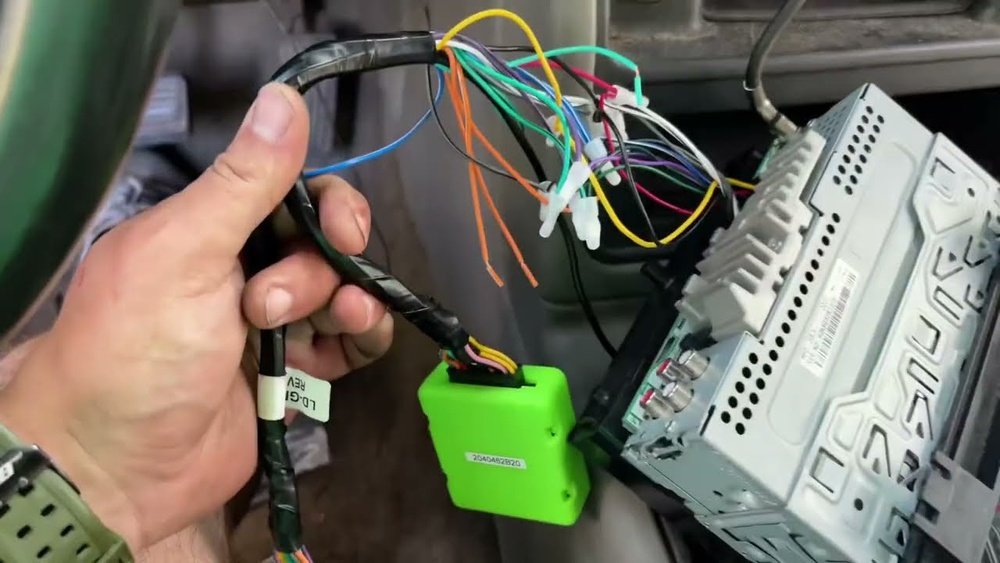
- Unplug the main amp harness
- You can now access the input and output wires separately
4. Connect Head Unit Outputs Directly To Speakers
- Find which wires go from the head unit to the amp (input) and which go to speakers (output)
- Cut the output wires from the amp harness
- Connect the head unit’s speaker wires to the amp output wires (that go to the speakers)
Here’s a simple connection example:
| Original Connection | Bypass Connection |
|---|---|
| Head Unit → Amp Input → Amp Output → Speaker | Head Unit → Speaker (amp removed) |
- Use solder or crimp connectors for strong, reliable joints
- Cover connections with tape or heat shrink
Non-obvious insight: Some factory amps also power subwoofers. If you bypass the amp, you may lose factory subwoofer function. Consider adding an aftermarket amp for your sub.
5. Test The System
- Reconnect the car battery
- Turn on your stereo and check each speaker for sound
- If a speaker is not working, double-check your wiring
6. Secure And Insulate
- Tape or heat-shrink all connections to prevent shorts
- Tuck away unused amp connectors safely
Example: Bypassing A Bose Amp In A Nissan Altima
Let’s look at a real case. In a 2015 Nissan Altima with Bose, the amp is under the driver seat.
- The input wires are small-gauge (from the head unit)
- The output wires are thicker (to speakers)
- After unplugging the amp, connect the head unit’s speaker wires to the output wires going to each speaker
- Test for sound—now you have direct head unit-to-speaker wiring
Pros And Cons Of Bypassing The Bose Factory Amp
Bypassing is not always the best choice for every car owner. Here’s a quick look at the trade-offs:
| Pros | Cons |
|---|---|
|
|
Tip: If you plan to keep your Bose speakers, check their impedance rating. Most aftermarket head units are designed for 4-ohm speakers.
Credit: lljcustoms.com
Common Mistakes And How To Avoid Them
- Not using a wiring diagram: Guessing wires can blow fuses or damage equipment.
- Leaving wires exposed: Bare wires can cause shorts and fires.
- Skipping the battery disconnect: Always remove the negative battery cable before wiring work.
- Forgetting about the subwoofer: The factory sub may stop working after bypassing the amp.
- Poor connections: Twisting wires together is not enough. Use proper connectors.
When You Should Not Bypass The Bose Amp
- If you want to keep the factory navigation voice prompts
- If your car’s warning chimes run through the speakers
- If you plan to keep all Bose speakers and subwoofer
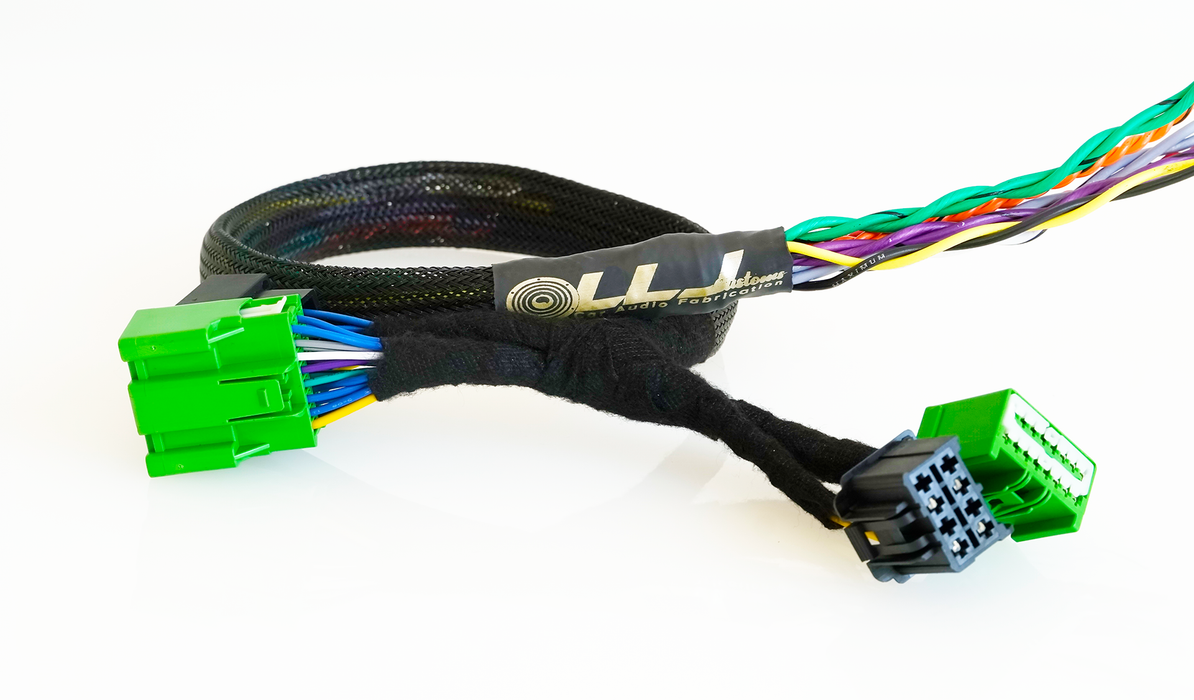
In these cases, consider using a line output converter or integration module. These devices let you add a new stereo while keeping the Bose amp.
Using A Line Output Converter As An Alternative
A line output converter (LOC) is a small device that lets you connect an aftermarket head unit to the Bose amp without bypassing it. It converts high-level speaker signals to low-level RCA signals.
When to use an LOC:
- You want to keep the factory amp and speakers
- Your new head unit does not have preamp outputs
- You want to avoid cutting factory wires
Example: The PAC SNI-35 is a popular LOC model. It costs about $15–$20 and is easy to wire in behind the head unit.
Which Cars And Years Use Bose Factory Amps?
Bose amps are found in many cars, including:
- Nissan Maxima, Altima, Pathfinder (mid-1990s to present)
- Mazda 6, CX-5, CX-9 (2000s to present)
- Infiniti G35, Q50 (2000s to present)
- Chevrolet Corvette, Tahoe, Silverado (late 1990s to present)
Each model may have a slightly different amp location and wiring color, so always check your specific car’s manual.
Cost And Time Estimate
Bypassing a Bose factory amp can be a DIY job or done by a pro. Here’s a quick breakdown:
| Method | Estimated Cost | Time Needed |
|---|---|---|
| DIY (basic tools) | $0–$20 (if you have tools) | 2–4 hours |
| Professional installer | $100–$250 | 1–2 hours |
Tip: Beginners often underestimate the time needed for troubleshooting. Take your time and double-check each connection.
Safety And Warranty Considerations
- Bypassing the amp may void part of your car’s audio warranty.
- Incorrect wiring can cause electrical shorts.
- Always disconnect the battery before working on your car’s audio system.
If you are unsure, seek help from a car audio specialist.
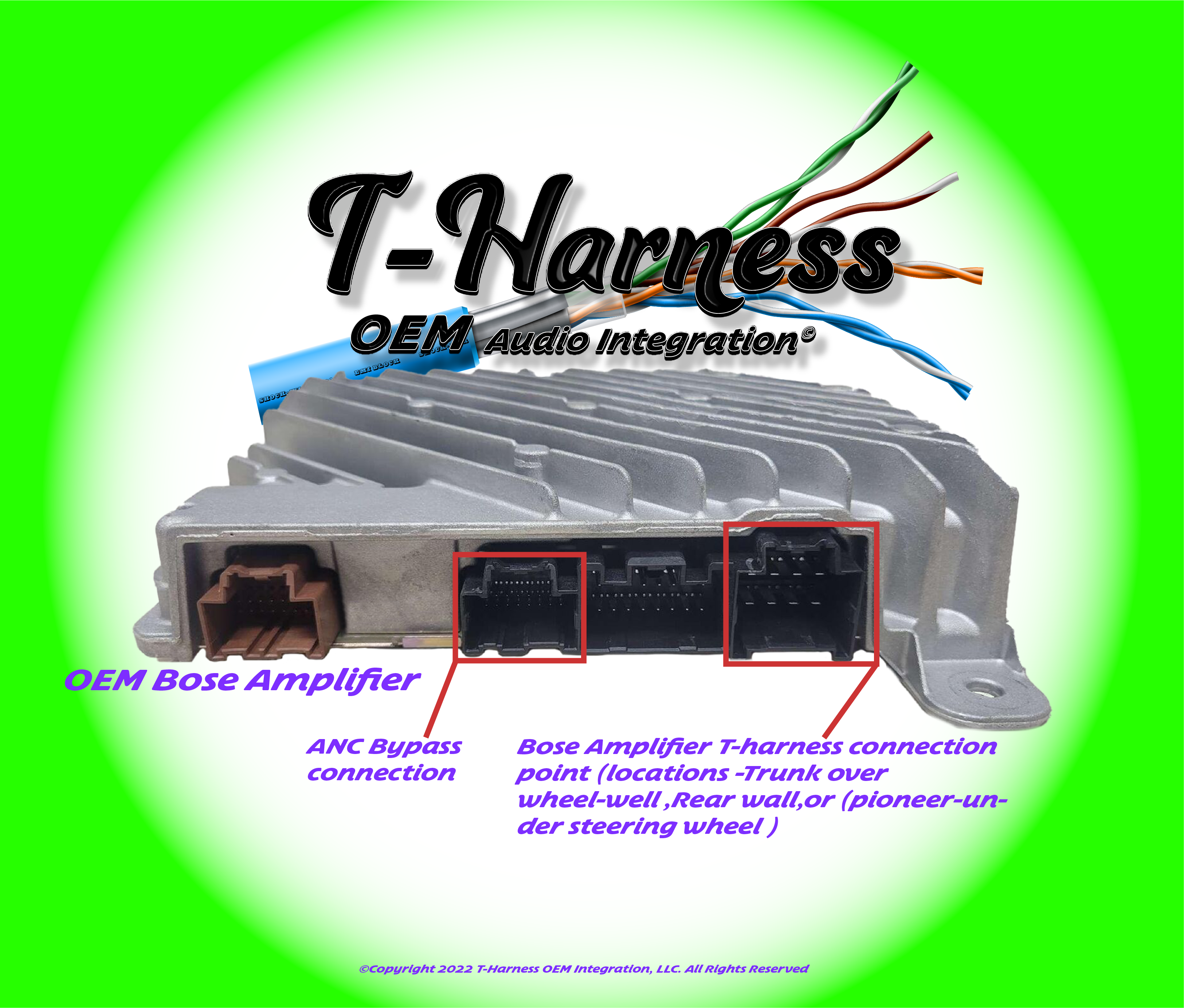
Credit: t-harness.com
Where To Find Reliable Wiring Diagrams
Having the right wiring diagram is key. Here are some trusted sources:
- Crutchfield.com: Offers free diagrams for most cars if you buy from them
- The12volt.com: Large database of wiring colors and guides
- Service manuals: Official books from your car’s maker
You can also check The12volt.com for free wiring guides.
Final Thoughts
Bypassing a Bose factory amp is a good way to upgrade your car’s sound and get the most from a new stereo. With the right tools, a good wiring diagram, and careful work, even beginners can do it. Remember to check your speaker specs, test each step, and protect all connections.
If you run into trouble, a professional can finish the job and keep your car safe.

Credit: www.youtube.com
Frequently Asked Questions
What If My Car Has More Than One Bose Amp?
Some high-end cars have separate amps for speakers and subwoofers. Check your wiring diagram to see how many amps you have. You may need to bypass each one or use a line output converter.
Will Bypassing The Bose Amp Damage My Speakers?
If your factory Bose speakers are low impedance (like 1 or 2 ohms), connecting them directly to an aftermarket head unit can overload the stereo. Always check speaker specs and consider replacing them with 4-ohm speakers.
Can I Reinstall The Factory Amp Later?
Yes. If you use connectors and avoid cutting the main harness, you can put the amp back. Label your wires and keep the old connectors safe.
Will I Lose My Steering Wheel Controls?
Bypassing the amp does not affect steering wheel controls. But if you change the head unit, you may need a special adapter to keep those functions.
How Do I Know If My Car Has A Bose System?
Look for Bose logos on speaker grilles, check your car’s manual, or search your VIN online. Bose systems usually have an amp and unique speaker wiring.
By following these steps and tips, you can bypass your Bose factory amp with more confidence and get the sound upgrade you want.