Dust Cap Vs Bullet Midrange Speaker: Which Delivers Better Sound?
If you’re new to car audio or building a sound system, you may notice two popular types of midrange speakers: dust cap and bullet midrange speakers. Both play a key role in producing clear vocals and instruments, but they have unique designs and sound profiles. Understanding the difference can help you choose the right speaker for your needs.
Let’s break down their features, compare them side by side, and see real-world examples so you can make a smart choice. Whether you want better sound in your car or home, this guide will answer your main questions.
What Are Midrange Speakers?
Midrange speakers are designed to handle frequencies in the middle of the audio spectrum, usually from about 300 Hz to 5,000 Hz. These frequencies include most vocals, guitars, piano, and many instruments. If you want clear, detailed sound, midrange speakers are essential.
- Woofers handle low bass.
- Tweeters handle high treble.
- Midrange speakers fill the gap, delivering the heart of the music.
A good midrange speaker improves sound quality, especially when combined with woofers and tweeters.
What Is A Dust Cap Midrange Speaker?
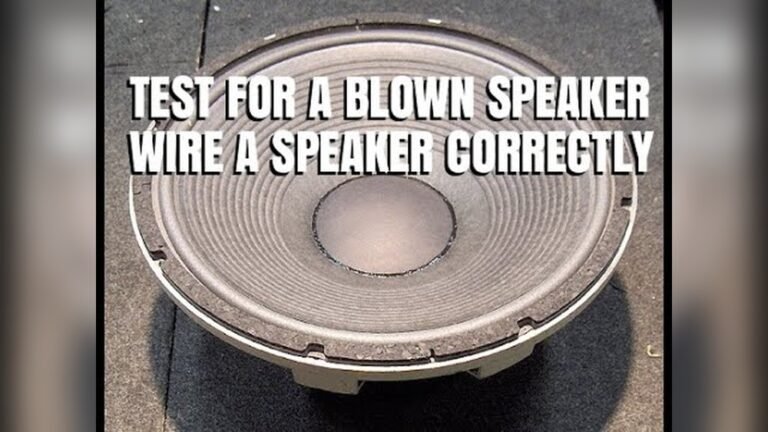
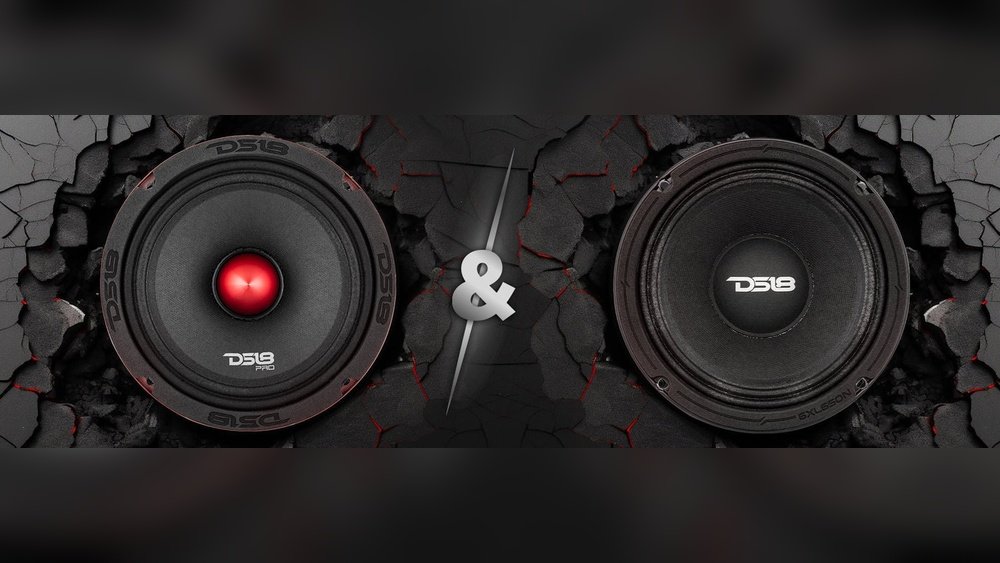
A dust cap midrange speaker has a round dome (the dust cap) at the center of the cone. Its main job is to keep dust and dirt away from the voice coil and inner parts. But it also affects how the speaker sounds.
- The dust cap is usually made of paper, fabric, or plastic.
- It sits in the middle of the cone, covering the voice coil.
- The shape and material can change the speaker’s tone.
Dust cap midrange speakers are common in home and car audio systems. They’re known for a smooth, natural sound.
Key Features
- Smooth response: The dust cap helps the cone move evenly, so sound is clear and balanced.
- Protects components: Keeps dust and debris out of the voice coil.
- Versatile: Works well in many types of enclosures and setups.
What Is A Bullet Midrange Speaker?
A bullet midrange speaker has a metal or plastic “bullet” (sometimes called a phase plug) instead of a dome-shaped dust cap. This bullet sits at the center of the cone and shapes how sound waves spread.
- The bullet is often made of aluminum or hard plastic.
- It’s pointed or rounded, designed to push sound forward.
- The bullet also helps cool the speaker by letting air flow around the voice coil.
These speakers are popular in pro audio, loud car systems, and places where you need sound to travel far.
Key Features
- High power handling: Bullet midrange speakers can play louder without distortion.
- Focused sound: The bullet helps project sound further, making it more direct.
- Bright, punchy tone: Often used for music with strong vocals or instruments.
Main Differences: Dust Cap Vs Bullet Midrange
Let’s compare the two types in a clear, visual way.
| Feature | Dust Cap Midrange | Bullet Midrange |
|---|---|---|
| Center Design | Dome dust cap | Bullet-shaped phase plug |
| Typical Material | Paper, fabric, plastic | Metal, plastic |
| Sound Profile | Smooth, natural | Bright, punchy |
| Power Handling | Moderate | High |
| Sound Projection | Wide spread | Focused, long throw |
| Best Use | Home, balanced car audio | Pro audio, loud car setups |
How Each Type Affects Sound Quality
Dust Cap Midrange
- Smooth vocals: Great for voices, acoustic music, and detailed sound.
- Less harshness: The dome shape spreads sound, making it softer to the ears.
- Balanced soundstage: Good for listening at home or in cars where you want clear, even music.
Bullet Midrange
- Louder output: Can handle more power, so music sounds louder and more energetic.
- Sharper details: The bullet projects sound directly, which can make vocals and instruments stand out.
- Cut through noise: Ideal for outdoor events or cars with lots of road noise.
Insight: Many beginners don’t realize that bullet midrange speakers can sound harsh or fatiguing if paired with the wrong tweeters. Dust cap speakers, on the other hand, are more forgiving in basic systems.
When To Choose Each Type
Dust Cap Midrange
Choose this if you want:
- A natural, smooth sound for music or voice.
- A speaker that works well with most tweeters.
- Easy setup in home or car audio systems.
Example: A family car stereo, living room sound system, or background music at a restaurant.
Bullet Midrange
Choose this if you need:
- High volume in loud environments.
- Sound that can be heard at a distance.
- Speakers for shows, outdoor use, or competition-level car audio.
Example: Car audio competitions, DJ setups, or outdoor parties.
Practical Performance: Real-world Examples
To see the difference, let’s look at two popular midrange speakers:
- JBL GTO629 (dust cap)
- PRV Audio 6MR500-NDY-4 BULLET (bullet midrange)
| Model | Type | Frequency Range | Power Handling | Sensitivity (dB) |
|---|---|---|---|---|
| JBL GTO629 | Dust Cap | 53Hz – 21kHz | 60W RMS | 93 |
| PRV 6MR500-NDY-4 BULLET | Bullet | 500Hz – 8kHz | 250W RMS | 96 |
- JBL GTO629 gives a wide frequency range, smooth sound, and fits most cars.
- PRV 6MR500-NDY-4 BULLET handles more power, is very loud, but covers a smaller frequency range.
Non-obvious insight: Bullet midrange speakers often need a crossover to stop low bass from reaching them, or they might distort or get damaged. Dust cap types often have a wider range and are less demanding on your setup.
Pros And Cons
Dust Cap Midrange
Pros:
- Natural sound
- Easy to blend with other speakers
- Less risk of harshness
Cons:
- Not as loud as bullet types
- May struggle in noisy spaces
Bullet Midrange
Pros:
- Very loud and clear in high noise
- Handles more power
- Focuses sound directly
Cons:
- Can sound harsh or “shouty”
- Needs careful system matching

Credit: www.amazon.com
How To Choose: Key Factors For Beginners
Before buying, ask yourself:
- What is your main use?
- Daily driving or home use: Dust cap.
- Car shows, outdoor events: Bullet.
- How loud do you need it?
- Moderate volume: Dust cap.
- Very loud: Bullet.
- What is your system setup?
- Simple, plug-and-play: Dust cap is easier.
- Advanced, with amplifier and crossover: Bullet can shine.
- Do you prefer smooth or bright sound?
- Smooth and warm: Dust cap.
- Bright and energetic: Bullet.
Beginner mistake: Many new users pick a bullet midrange for “loudness” but don’t have the right amplifier or crossover, so the speaker sounds rough or breaks.
Technical Details: What Makes The Difference?
Construction
- Dust cap: Dome covers the voice coil, connected to the cone.
- Bullet: Phase plug is fixed and does not move, helps direct sound and cool the coil.
Sound Dispersion
- Dust cap: Spreads sound wider, filling the room or car.
- Bullet: Projects sound straight, less spread, more “in your face.”
Power Handling
- Dust cap: Usually from 30W to 100W RMS.
- Bullet: Can handle 150W to 300W RMS or more.
Cost
- Dust cap: Often cheaper, with more variety.
- Bullet: Usually more expensive, built for demanding use.

Credit: ds18.com
Common Myths And Misunderstandings
- Myth: Bullet speakers always sound better.
Fact: They sound different, not always better. It depends on your needs.
- Myth: Dust cap speakers are low quality.
Fact: Many high-end home speakers use dust cap midrange drivers for smoothness.
- Myth: Bullet midrange speakers can replace tweeters.
Fact: They do not play high treble well and should not be used alone.
Matching With Other Speakers
For the best sound, pair your midrange with the right tweeter and woofer.
- Dust cap midrange: Works with both soft dome and metal tweeters.
- Bullet midrange: Needs a strong tweeter to match its power and brightness.
Tip: Always use a crossover to direct the correct frequencies to each speaker. This prevents damage and keeps sound clear.
Installation Tips
- Choose the right size: Most midrange speakers are 6.5″, but measure your space.
- Seal your enclosure: Prevents air leaks, keeping sound strong.
- Check amplifier power: Make sure your amp matches the speaker rating.
- Set crossover points: For bullet speakers, block low bass (below 500 Hz) to avoid distortion.
Which Is Best For Your Car Or Home?
Dust cap midrange is best for:
- Everyday music and podcasts
- Families or casual listeners
- Balanced, relaxed sound
Bullet midrange is best for:
- Car audio competitions
- DJs or outdoor events
- People who want very high volume
Case Study: Real-world Choices
A local car audio shop installed a system for two customers:
- Customer A: Wanted clear music for daily driving. Chose dust cap midrange. Result: Smooth, enjoyable sound with no harshness.
- Customer B: Entered car audio contests. Chose bullet midrange. Result: Very loud system, but had to adjust the crossover and tweeters to avoid ear fatigue.
Key lesson: The right choice depends on your goals, not just the “loudest” option.
Advanced Tips (for Those Ready To Experiment)
- Try listening to both types before buying. Bring your favorite music and compare.
- Ask the installer to show you the difference in sound projection.
- If using bullet midrange, invest in a quality crossover and amplifier.
Many beginners overlook the importance of tuning the system after installation. Even the best speaker can sound bad if not set up correctly.
Where To Learn More
If you want to dive deeper into speaker design and audio basics, resources like Wikipedia’s Loudspeaker page offer great technical details.
Frequently Asked Questions
What Is The Main Difference Between Dust Cap And Bullet Midrange Speakers?
The main difference is the center design. Dust cap speakers use a dome to protect the voice coil and give a smooth sound. Bullet midrange speakers use a phase plug (bullet) to focus and project sound, making them louder and more direct.
Which Type Is Better For Car Audio?
It depends on your needs. For most drivers, a dust cap midrange gives a smoother, more natural sound. If you want to compete or need very loud music, a bullet midrange may be better.
Can I Mix Dust Cap And Bullet Midrange Speakers In One System?
It’s possible, but not ideal for beginners. Each type has a different sound character and power need. Mixing them can lead to uneven sound. Most experts recommend using the same type for a balanced system.
Do Bullet Midrange Speakers Need A Crossover?
Yes. Bullet midrange speakers often require a crossover to block low bass frequencies. This protects the speaker and keeps sound clear. Beginners often miss this step and damage their speakers.
Are Dust Cap Speakers Good For Home Use?
Yes. Dust cap midrange speakers are excellent for home use. They give a warm, balanced sound and work well with most tweeters and woofers.
The choice between dust cap and bullet midrange speakers comes down to your listening style, volume needs, and budget. Dust cap types are smooth and forgiving, great for most users. Bullet midrange speakers are powerful and focused, perfect for high-energy or competitive setups.
Choose wisely, match your system, and enjoy the music that fits your life.

Credit: ds18.com