What is Dso Audio: Everything You Need to Know Explained
What Is Dso Audio
If you are new to the world of audio equipment, you might see the term DSO Audio in online forums, product descriptions, or technical reviews. Many beginners find this term confusing. What does DSO Audio really mean? Is it a type of sound system, a feature, or a measurement? Understanding DSO Audio will help you choose better audio devices and get more from your listening experience.
In this article, you will learn exactly what DSO Audio is, why it matters, where it is used, and how it compares to other audio technologies. We will also cover common misunderstandings, practical examples, and answer the most frequent questions beginners have.
By the end, you will feel confident about DSO Audio, whether you want to buy a new speaker or just want to know more about sound quality.
What Does Dso Audio Mean?
DSO Audio stands for Dynamic Sound Optimization Audio. This is not a universal technical standard, but a term often used by manufacturers—especially in car audio and portable speaker industries. DSO Audio describes sound processing technologies that aim to optimize or improve the way audio is delivered in a specific space.
- Dynamic means the system adjusts audio in real time.
- Sound Optimization refers to adjusting frequencies, timing, and output to match the environment.
- Audio simply means it relates to sound.
The main goal of DSO Audio is to make music, voices, and effects sound clearer and more natural. It does this by adjusting the sound output based on room size, speaker position, or how many people are listening. Think of it as a smart assistant for your sound system.
How Dso Audio Works
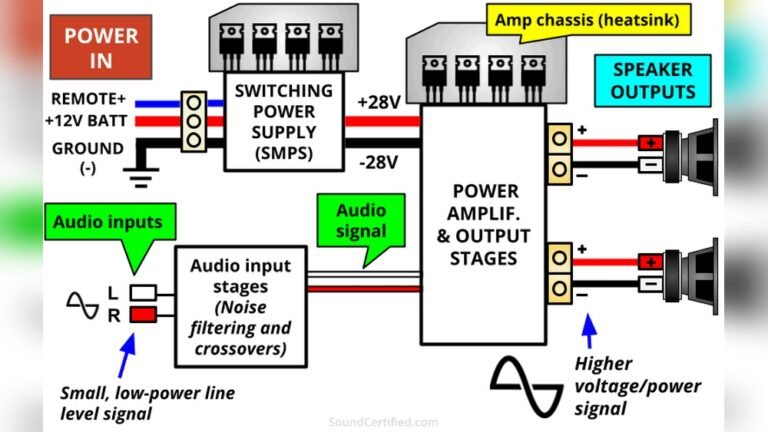
Most DSO Audio systems use digital signal processors (DSPs) and special software. Here’s a step-by-step overview:
- Analyze the Environment: The system measures the room, car cabin, or outdoor area using microphones or preset profiles.
- Adjust Frequencies: It boosts or reduces certain frequencies (like bass, mid, or treble) to fit the space.
- Time Alignment: DSO Audio can delay sounds from different speakers, so they reach your ears at the same time. This makes music sound more realistic.
- Volume Balancing: It changes speaker volume to keep sound even, no matter where you sit or stand.
For example, in a car, DSO Audio makes sure both the driver and passengers hear clear vocals and balanced instruments, even if the speakers are not in perfect positions.
Where Is Dso Audio Used?
DSO Audio is most common in:
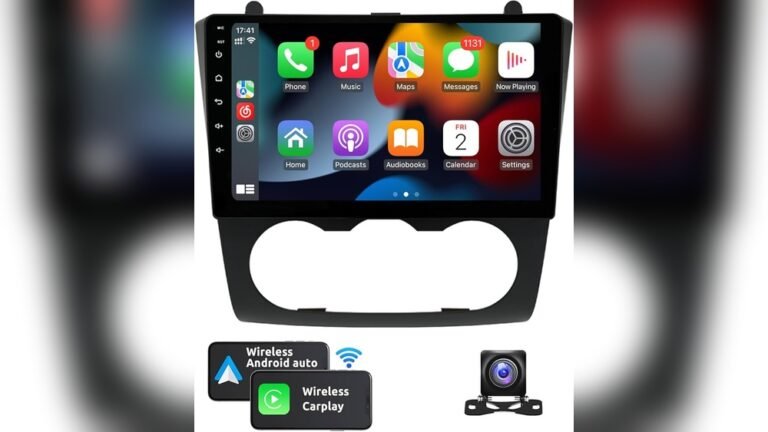
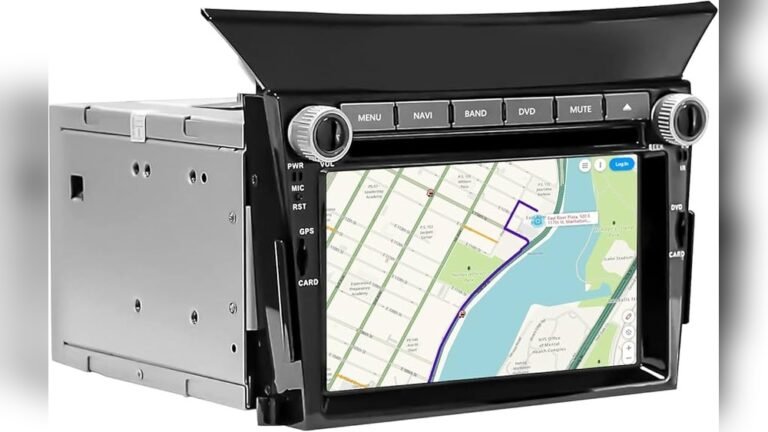
- Car Audio Systems (factory and aftermarket)
- Home Theater Receivers
- Portable Bluetooth Speakers
- High-end Headphones
Many brands use their own names for DSO Audio. For example, Sony calls it “DSO” in some car stereos, while other companies might call it “Room Correction” or “Sound Enhancement. “
Example: Dso Audio In Cars
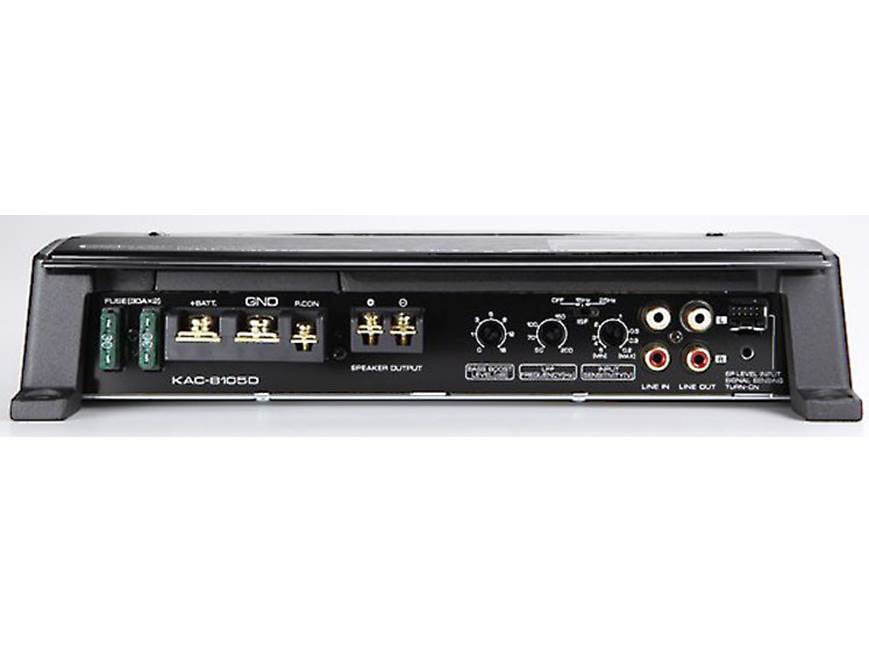
Imagine you are listening to music in your car. The speakers are often placed in doors or behind seats, not directly in front of you. This makes the sound uneven. With DSO Audio, the system detects where you are sitting and changes the sound so that every listener gets a better experience.
Vocals feel like they come from the dashboard, not from the door.
Example: Dso Audio In Home Speakers
In a small living room, too much bass can make music sound muddy. DSO Audio will lower the bass and boost the treble, so every instrument is clear. In a bigger room, it might do the opposite to add warmth.
Credit: www.crutchfield.com
Key Features Of Dso Audio
To understand DSO Audio better, let’s look at its main features:
- Automatic Room Calibration: Uses microphones to measure and adjust sound.
- Real-Time Adjustment: Changes sound as you move or as the environment changes.
- Custom Presets: Many systems let you choose between preset modes like “Movie,” “Music,” or “Podcast.”
- Time Delay Compensation: Matches sound arrival from each speaker.
- Frequency Equalization: Balances bass, mids, and treble based on the room.
These features work together to give you clear, balanced, and immersive sound.
How Dso Audio Improves Listening
The main benefit of DSO Audio is better sound quality, even in difficult spaces. Here’s how it makes a difference:
- Better Clarity: Vocals and instruments sound more natural.
- Consistent Volume: No more sudden loud or quiet spots in the room.
- Deeper Bass: Bass feels strong but not overpowering.
- Wider Soundstage: The music feels like it comes from in front of you, not just the speakers.
Practical Example
Let’s say you host a party in your living room. Without DSO Audio, people near the speakers might hear loud, boomy sound, while those farther away hear muffled music. With DSO Audio, everyone hears balanced, clear sound, no matter where they stand.
Dso Audio Vs. Standard Audio Systems
Many people wonder how DSO Audio compares to regular sound systems. Here’s a quick comparison:
| Feature | DSO Audio | Standard Audio |
|---|---|---|
| Sound Adjustment | Automatic, dynamic | Manual, fixed |
| Room Calibration | Yes | No |
| Time Alignment | Included | Rarely |
| User Effort | Low | High (manual setup) |
| Listening Experience | Consistent everywhere | Varies by position |
As you can see, DSO Audio is more advanced and user-friendly.
Common Misunderstandings About Dso Audio
Beginners often confuse DSO Audio with other sound features. Here are a few myths:
- It’s Just an Equalizer: DSO Audio is more complex than a basic EQ. It analyzes your space and adapts in real time.
- Only for Expensive Systems: Many mid-range devices now include DSO Audio, not just luxury brands.
- It Always Sounds Better: In some cases, manual tuning by a sound expert can give better results. DSO Audio is made for convenience and good quality, not always for perfection.
- It Works the Same Everywhere: Each brand and device may use DSO Audio differently. Always read the manual or try different settings.
Key Technologies Behind Dso Audio
To deliver optimized sound, DSO Audio uses several technologies:
Digital Signal Processing (dsp)
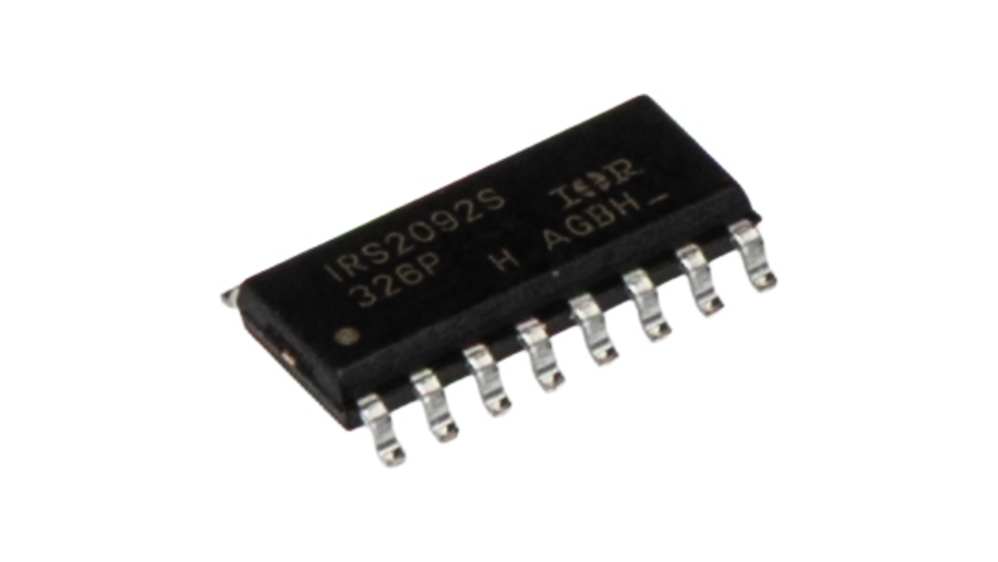
DSPs are small chips or software that process audio signals in real time. They:
- Remove unwanted noise or echoes.
- Adjust frequency balance automatically.
- Match speaker timing using time alignment.
Microphone Calibration
Some DSO Audio systems come with a small microphone. Place it where you sit, run the calibration, and the system creates a map of your room. It then adjusts sound settings to match your space.
Preset Sound Modes
Many DSO Audio devices offer preset sound profiles. For example:
- Cinema: Boosts dialog and effects for movies.
- Music: Focuses on a natural sound balance.
- Speech: Makes voices clearer for podcasts or radio.
Dso Audio In Popular Products
Several major brands use DSO Audio or similar technology in their products:
- Sony Car Stereos: The DSO feature helps center the sound in the car.
- Denon AV Receivers: Use Audyssey or similar systems for room correction.
- Bose Speakers: Use ADAPTiQ, which is a form of DSO Audio.
- Yamaha Home Theaters: Have YPAO, a calibration system that works like DSO Audio.
These systems are designed for easy setup, making them beginner-friendly.

Credit: www.ebay.com
Pros And Cons Of Dso Audio
No technology is perfect. Here’s a simple overview:
| Pros | Cons |
|---|---|
|
|
How To Get The Most From Dso Audio
If you buy a device with DSO Audio, here are some tips:
- Follow the Setup Instructions: Use the included microphone or app for best results.
- Try Different Presets: Each mode is made for a specific use (movies, music, speech).
- Update Firmware: Manufacturers release updates to improve DSO Audio features.
- Listen and Adjust: If something sounds off, you can usually tweak the settings.
- Don’t Place Speakers in Corners: Corners can make bass too strong, making DSO Audio’s job harder.
Non-obvious Insight
Many users think DSO Audio only helps with music. In reality, it can make movies, podcasts, and even phone calls sound much clearer. Also, if you move furniture or change rooms, re-run the calibration for best sound.
Credit: twen.rs-online.com
Dso Audio And The Future Of Listening
DSO Audio is part of a larger trend called smart audio. As devices become smarter, they will use even more sensors and AI to improve sound. Imagine a speaker that changes its sound as people walk around a room, or a car stereo that knows when windows are open and adjusts the sound automatically.
Manufacturers are adding more advanced microphones, better processors, and even smartphone apps to control DSO Audio. This means better sound for everyone, not just experts.
For more details on the technology behind DSO Audio, you can visit the Digital Signal Processing Wikipedia page.
Frequently Asked Questions
What Devices Use Dso Audio?
Many car stereos, home theater receivers, and portable speakers use DSO Audio or similar technology. Brands like Sony, Denon, Yamaha, and Bose are popular examples.
Is Dso Audio The Same As An Equalizer?
No. While both adjust sound, an equalizer needs you to set levels manually. DSO Audio analyzes your space and adjusts sound automatically in real time.
Can I Turn Off Dso Audio?
Yes. Most systems let you turn DSO Audio on or off. Some users prefer manual control, especially for special music styles.
Does Dso Audio Work For All Types Of Music?
DSO Audio improves most music and voices. However, some audiophiles prefer natural sound and turn off DSO Audio for classical or jazz music.
How Do I Know If My Speaker Has Dso Audio?
Check the product manual or specifications. Look for terms like “Dynamic Sound,” “Room Correction,” or “DSO.” The feature is often listed in the sound settings menu.
DSO Audio is a valuable tool for anyone who wants better sound without the need for complex setup or technical knowledge. As technology grows, expect DSO Audio features to become even smarter, making great sound easy for everyone.