Car Stereo FAQs Answering Your Top Questions Clearly
Car Stereo Faqs Answering Your Top Questions
Upgrading your car stereo can make every drive more enjoyable. Whether you want better sound, easier connectivity, or a fresh look, choosing the right system can feel confusing. Many beginners worry about compatibility, sound quality, or installation. In this article, you’ll find clear answers to the most common questions about car stereos.
You’ll also discover practical tips, real-world examples, and useful comparison tables to help you make smart decisions. Let’s dive into the details so you can confidently upgrade your car’s audio system.
What Is A Car Stereo?
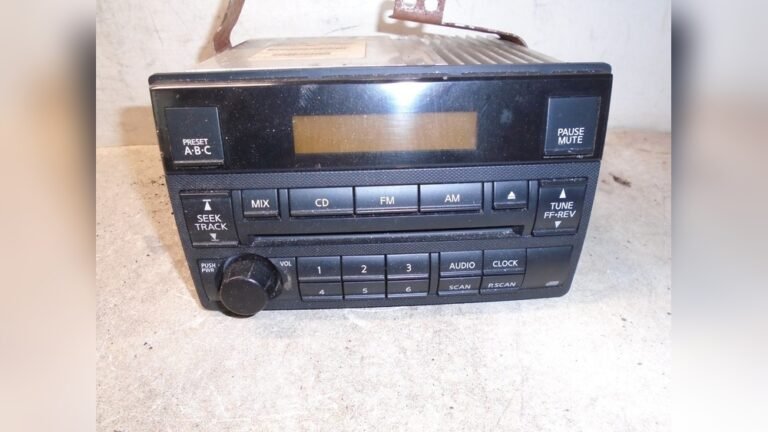
A car stereo is the main device that controls audio in your vehicle. It lets you play music, radio, podcasts, or connect to your phone. Modern car stereos often include features like Bluetooth, USB ports, touch screens, and support for apps.
- Head unit: The main control panel, usually found in the dashboard.
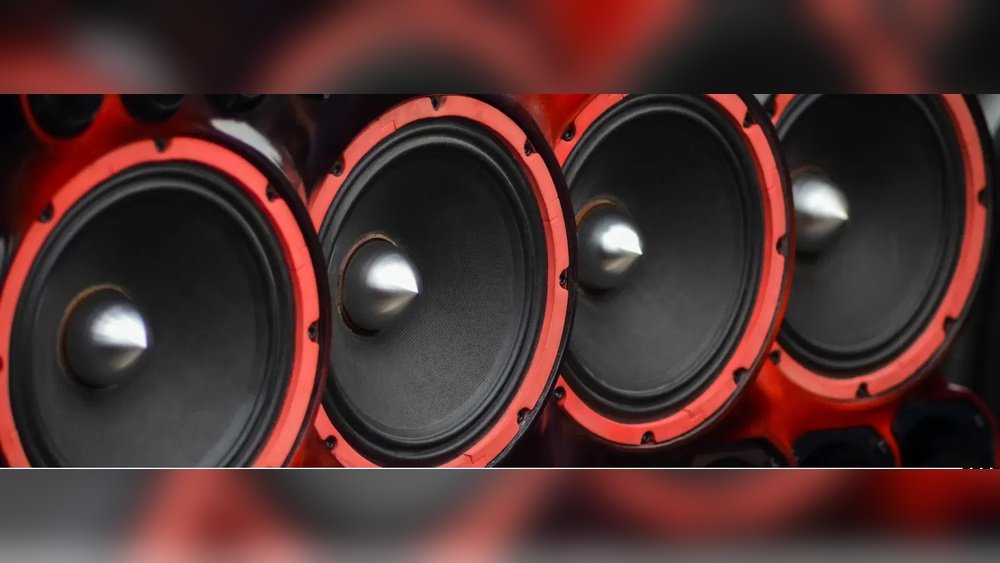
- Speakers: Produce the sound you hear.
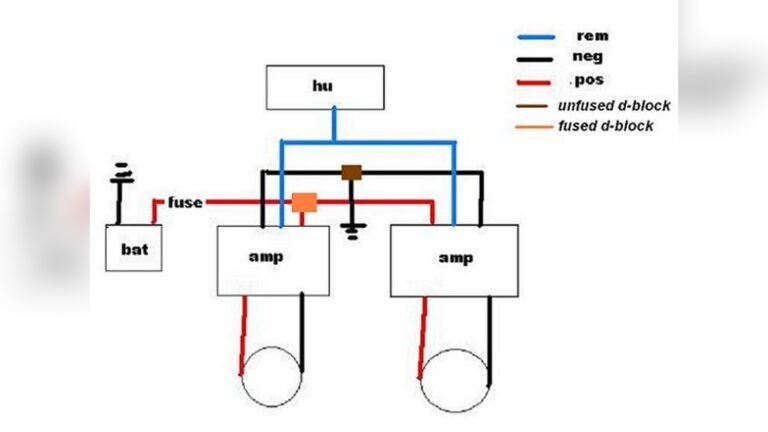
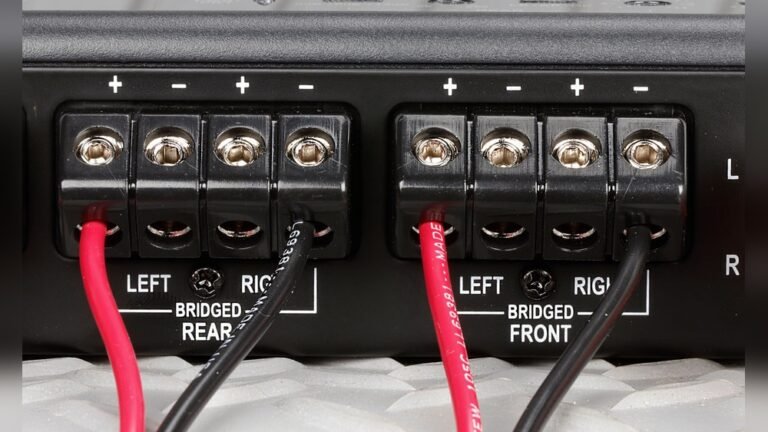
- Amplifier: Boosts the signal for louder, clearer audio.
- Wiring: Connects everything together.
Most cars come with a basic stereo, but you can upgrade for better sound or more features.
Types Of Car Stereo Systems
Choosing the right stereo starts with understanding the main types. Each type offers different features and fits specific needs.
| Type | Main Features | Best For |
|---|---|---|
| Single-DIN | Simple controls, fits most older cars, usually no screen | Basic upgrades, tight spaces |
| Double-DIN | Larger, often with touch screen, supports video and apps | Modern vehicles, multimedia use |
| OEM (Factory) | Installed by car maker, usually basic features | Stock replacement |
| Aftermarket | Custom options, better sound, more connectivity | Personalization, advanced needs |
Single-din Vs Double-din
- Single-DIN units are about 2 inches tall. They fit most cars made before 2010.
- Double-DIN units are about 4 inches tall. They have larger screens and more features.
Check your car’s dashboard size before buying. Most newer cars use double-DIN, but adapters are available.
Key Features To Look For
When picking a car stereo, focus on features that matter for your driving and listening style.
- Bluetooth: Lets you stream music and make hands-free calls.
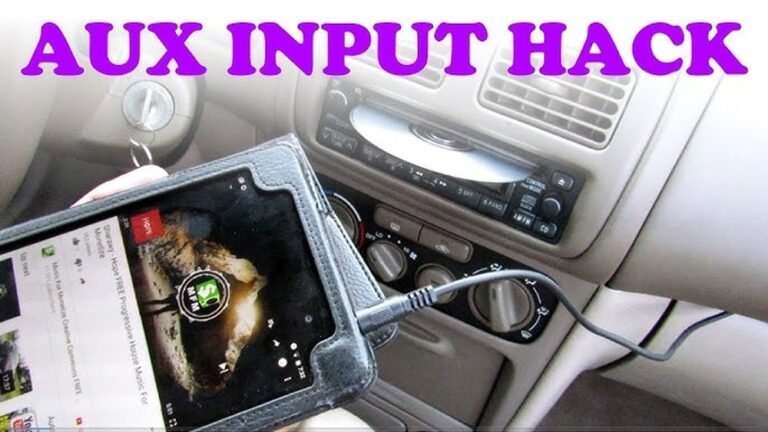
- USB/AUX Inputs: Connect your phone or music player directly.
- Touch Screen: Easier control, supports navigation and apps.
- Apple CarPlay/Android Auto: Integrates your phone with the stereo.
- FM/AM Radio: Still useful for local news and music.
- Sound Equalizer: Adjust bass, treble, and balance.
- Removable Faceplate: Extra security against theft.
Example: Comparing Features
| Feature | Basic Stereo | Mid-Range Stereo | High-End Stereo |
|---|---|---|---|
| Bluetooth | No | Yes | Yes |
| Touch Screen | No | Small | Large HD |
| CarPlay/Android Auto | No | Optional | Yes |
| Sound Settings | Basic | Customizable | Advanced EQ |
Beginners often miss the importance of future-proofing. If you plan to keep your car for years, choose a stereo with up-to-date connectivity.
How To Install A Car Stereo
Installing a car stereo can be simple or complex, depending on your car and the system. Most beginners can handle basic installations with the right tools.
Basic Steps
- Check compatibility: Make sure the stereo fits your car’s dashboard.
- Disconnect battery: Prevent electrical issues.
- Remove old stereo: Use special tools to avoid damage.
- Connect wiring: Match wires by color and function.
- Install new stereo: Secure it in place.
- Test everything: Check sound, power, and features.
Example: Tools Needed
- Screwdrivers
- Wire stripper
- Stereo removal kit
- Electrical tape
- Wiring harness adapter
Common Mistakes
- Forgetting to disconnect the battery (can cause short circuits)
- Mixing up wires (can damage stereo or car)
- Not securing the unit (can rattle or fall out)
If you’re unsure, professional installation costs around $100–$200 in the US.
Credit: www.panopto.com
Sound Quality: What Matters Most
Sound quality is a big reason people upgrade their car stereo. Several factors affect how your music sounds.
- Speaker quality: Cheap speakers can ruin even the best stereo.
- Amplifier: Boosts power, delivers clearer sound.
- Speaker placement: Where speakers are installed matters.
- Source quality: Streaming apps often compress music, reducing clarity.
Data Example: Speaker Power
Most factory speakers are 15–20 watts RMS (real power). Aftermarket speakers often start at 35–50 watts RMS. Upgrading speakers can double your volume and clarity.
Tip: Don’t Ignore The Subwoofer
A subwoofer adds deep bass. You don’t need a huge system—many compact models fit under seats and cost $100–$300.
| Speaker Type | Price Range | Power (RMS) | Best For |
|---|---|---|---|
| Factory Speaker | $20-$50 | 15-20W | Basic listening |
| Aftermarket Speaker | $50-$150 | 35-50W | Music lovers |
| Subwoofer | $100-$300 | 100-300W | Bass boost |
Compatibility With Your Car
One of the biggest worries is whether a new car stereo will fit your car. Compatibility depends on size, wiring, and connections.
- DIN size: Measure your dashboard’s stereo slot.
- Wiring harness: Adapters match factory wiring to the new stereo.
- Steering wheel controls: Some stereos support them, others need extra adapters.
Example: Popular Car Models
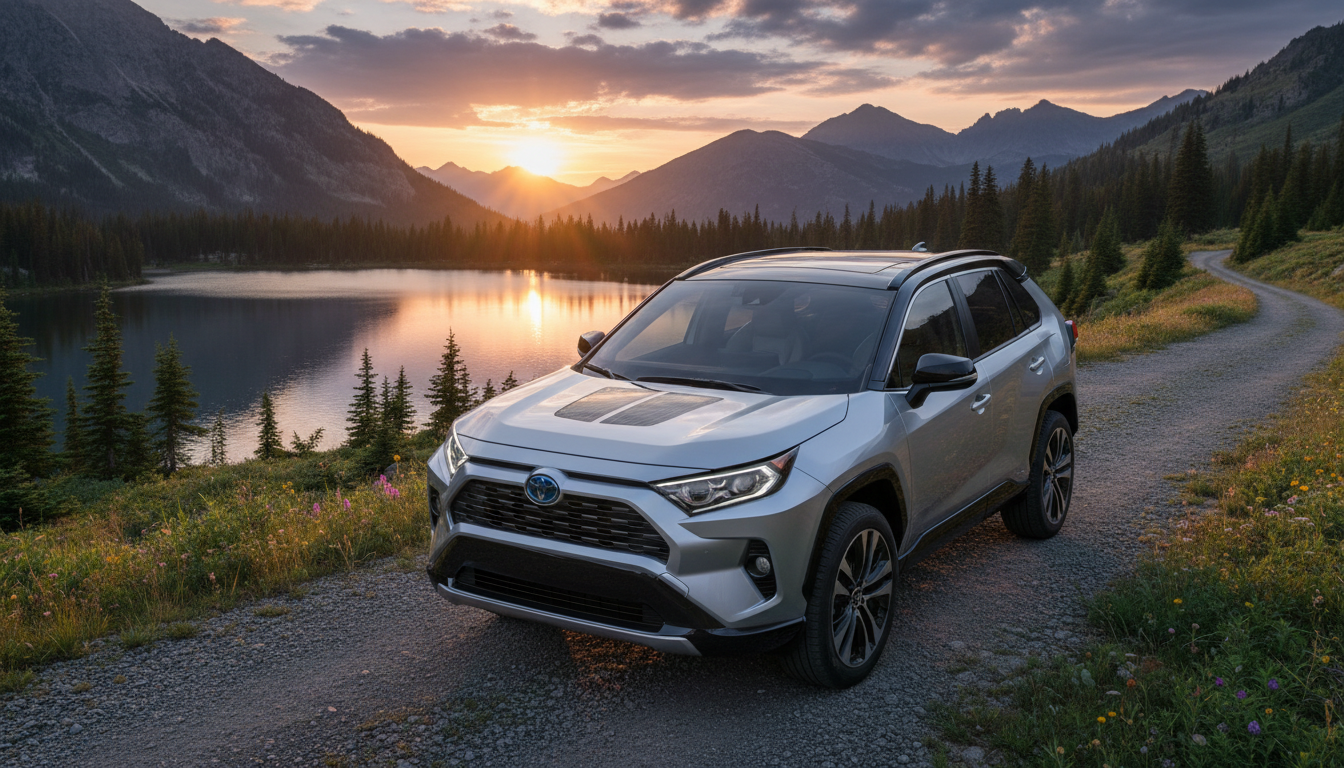
Some cars have unique dashboards (like Toyota Prius or Ford F-150). You may need special kits or adapters. Always check before buying.
Credit: www.tustintoyota.com
Bluetooth And Smartphone Connectivity
Modern car stereos often include Bluetooth and smartphone integration. This lets you play music, call hands-free, or use navigation.
- Bluetooth: Works with most phones, streams music wirelessly.
- Apple CarPlay/Android Auto: Mirrors your phone’s apps on the stereo screen.
- USB ports: Charge your phone or play music from a flash drive.
Non-obvious Insight
Many beginners don’t realize you can update some stereo software to add new features. Check the manufacturer’s website for firmware updates.
Safety And Security Features
Car stereos can improve safety and protect against theft.
- Hands-free calling: Keeps your focus on the road.
- Backup camera support: Many double-DIN units connect to cameras.
- Removable faceplate: Makes it less likely to be stolen.
Example: Insurance Discounts
Some insurers give discounts for cars with backup cameras or advanced security features. Ask your provider for details.
Cost: What Should You Expect?
Car stereo prices vary widely. Here’s a breakdown:
- Basic single-DIN: $50–$100
- Double-DIN with touch screen: $150–$500
- High-end systems: $500–$1000+
- Installation: $100–$200
Don’t forget accessories like wiring harnesses ($10–$30) or dash kits ($20–$40).
Practical Tip
Set a budget that includes installation and accessories. Beginners often forget these extra costs.
Upgrading: When And Why?
You should upgrade your car stereo if:
- Your current system sounds bad or has broken parts.
- You want new features like Bluetooth or navigation.
- You need better compatibility with modern devices.
Example: Real-world Upgrade
A 2012 Honda Civic owner upgraded to a double-DIN stereo with CarPlay for $350. The new system offered better sound, navigation, and hands-free calling.
Beginner Mistakes To Avoid
- Ignoring compatibility: Always check size and wiring.
- Buying cheap speakers: Good sound needs quality speakers.
- Skipping professional installation: If you’re unsure, pay for expert help.
- Not updating firmware: New updates can fix bugs or add features.
- Overlooking accessories: Dash kits and wiring harnesses are often needed.
Comparing Popular Brands
Different brands offer different strengths. Here’s a quick comparison:
| Brand | Price Range | Main Features | Reliability |
|---|---|---|---|
| Pioneer | $100–$600 | Great sound, CarPlay/Android Auto | High |
| Kenwood | $120–$700 | Strong Bluetooth, touch screens | High |
| JVC | $80–$400 | Budget-friendly, good features | Medium |
| Alpine | $200–$1000 | Premium sound, advanced controls | High |
Extra Tips For Better Experience
- Try before you buy: Visit stores and test stereos.
- Read user reviews: Look for feedback on reliability.
- Check for support: Choose brands with good warranty and customer service.
- Consider resale value: High-end systems may boost your car’s value.
Frequently Asked Questions
What Is The Difference Between Single-din And Double-din?
Single-DIN stereos are smaller (2 inches tall), usually with simple controls and no touch screen. Double-DIN units are bigger (4 inches tall), often include touch screens, and offer more features. Check your dashboard size before choosing.
Can I Install A New Car Stereo Myself?
Yes, if you have basic tools and some patience. Make sure to check compatibility, use a wiring harness adapter, and follow instructions closely. If you’re unsure, professional installation is recommended.
Will A New Car Stereo Improve Sound Quality?
A new stereo can help, but upgrading speakers and adding an amplifier or subwoofer is often needed for the best results. Factory speakers may limit sound quality even with a good stereo.
How Do I Know If A Stereo Fits My Car?
Check your car’s DIN size, dashboard shape, and wiring. Look up your car’s make and model online for compatibility guides. Many sites, like Crutchfield, offer fit check tools.
Are Expensive Stereos Worth It?
If you want advanced features, high sound quality, and future-proofing, pricier stereos can be a smart investment. For basic needs, a mid-range stereo is usually enough.
Upgrading your car stereo is a great way to enjoy music, podcasts, and navigation on the road. With the right information, you can avoid common mistakes and choose a system that fits your needs and budget. Remember to check compatibility, focus on features you’ll use, and consider professional installation if you’re not confident.
With these tips, your next drive will sound better than ever.

Credit: www.amazon.com