How to Bridge 2 Amps Together for Maximum Power Output
Bridging two amplifiers together can sound confusing at first, especially if you’re new to audio setups. But with the right steps and clear understanding, you can boost your power and get better sound for your speakers or subwoofers. Many people try to bridge amps for louder music or deeper bass.
If you want to learn how to do it safely and correctly, this guide will help. Here, you’ll find practical advice, real examples, and simple explanations so you can bridge your amps without risking damage.
What Does Bridging Amplifiers Mean?
Bridging is a method used to combine the power of two amplifier channels. You connect the channels so they work together as one. This increases the output, letting you drive bigger speakers or subwoofers.
- Bridging joins two channels into one.
- You get more wattage for a single speaker.
- It’s common in car audio and home stereo systems.
For example, if each channel of an amp delivers 50 watts, bridging them can give you 100 watts (sometimes more). This is useful for powering demanding speakers.
Why Bridge Two Amps Together?
Most people bridge amps to get more power. Some main reasons:
- Boost output for larger speakers.
- Save money by upgrading your current setup.
- Improve bass for subwoofers.
- Run fewer wires, making the setup cleaner.
Bridging is popular in car audio systems. Many subwoofers need extra power, and bridging lets you deliver that without buying a new amplifier.

Credit: www.youtube.com
Can You Bridge Two Separate Amplifiers?
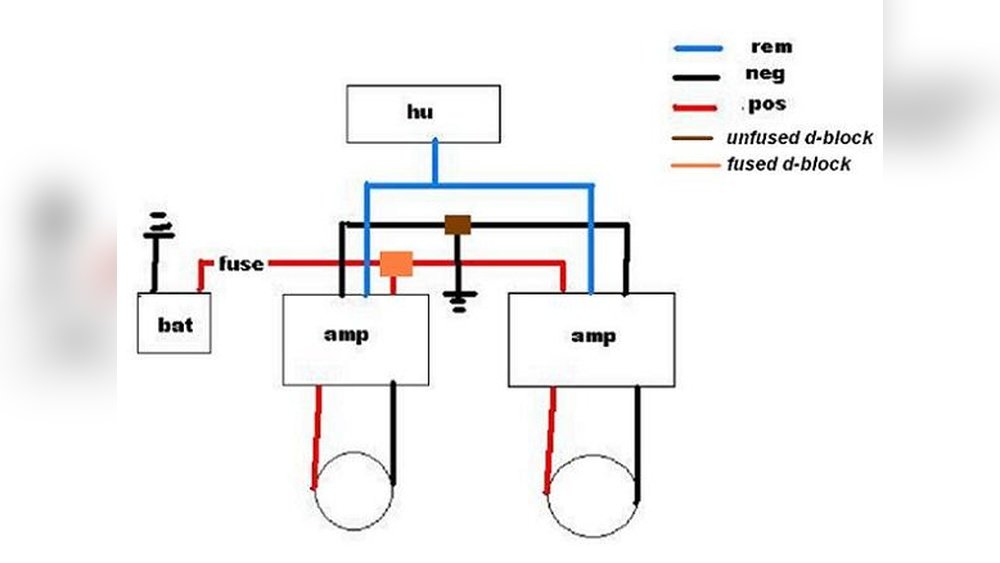
This is where many beginners get confused. Bridging works best with two channels of the same amplifier, not two separate amps. Some people try to bridge two different amplifiers, but this is risky.
- Bridging inside one amp is standard.
- Bridging two different amps together can cause damage.
- Only advanced setups, like synchronized mono amps, can do this safely.
If you want to bridge two separate amplifiers, you need special hardware or synchronization. For most users, bridging two channels from the same amp is safer and easier.
How Does Bridging Work? (with Practical Data)
Bridging changes how the amp delivers power. Here’s a simple way to understand it:
- Each channel sends power to the speaker.
- Bridging combines the positive terminal of one channel and the negative terminal of another.
- The speaker connects across these two points.
Let’s look at a practical example:
Suppose you have a stereo amplifier with these specs:
- Each channel: 60 watts RMS at 4 ohms
- Bridged output: 120 watts RMS at 8 ohms
If you bridge, you can power a bigger speaker. But notice the impedance (ohms) changes. Always check your amp’s manual for bridging instructions and supported speaker impedance.
| Amplifier Mode | Channels Used | Power Output | Speaker Impedance |
|---|---|---|---|
| Stereo | 2 | 60W RMS each | 4 ohms |
| Bridged | 1 | 120W RMS | 8 ohms |
Step-by-step: How To Bridge 2 Amp Channels
Most beginners want to bridge two channels on one amplifier. Here’s a simple step-by-step guide:
1. Check Your Amplifier
- Read the manual to confirm bridging is possible.
- Look for bridging instructions or diagrams.
- Not all amps can be bridged.
2. Find The Right Speaker
- Choose a speaker that matches the new power output.
- Make sure the impedance (ohms) fits the amp’s bridged rating.
- Example: If amp supports 120W at 8 ohms bridged, use an 8-ohm speaker.
3. Locate The Terminals
- Find the positive and negative terminals for each channel.
- You’ll use one positive from channel A and one negative from channel B.
4. Wire The Speaker
- Connect the speaker’s positive wire to the amp’s channel A positive terminal.
- Connect the speaker’s negative wire to channel B’s negative terminal.
5. Set The Amp To Bridged Mode
- Some amps have a switch for bridged mode.
- Flip the switch if needed.
- Double-check wiring before powering up.
6. Test Your Setup
- Power on the amp.
- Play music at low volume first.
- Listen for distortion or overheating.
Tip: If your amp gets hot or your speaker sounds odd, turn off and re-check wiring.
Example: Bridging A Car Amplifier
Let’s use a real-world example, bridging a car amp to power a subwoofer.
- Amp: 2-channel, 80W RMS per channel at 4 ohms
- Bridged output: 160W RMS at 8 ohms
Steps:
- Read the amp’s manual for bridging info.
- Choose an 8-ohm subwoofer (160W RMS rating).
- Connect subwoofer’s positive wire to channel 1 positive terminal.
- Connect subwoofer’s negative wire to channel 2 negative terminal.
- Set amp to bridged mode (if there’s a switch).
- Start with low volume and check sound.
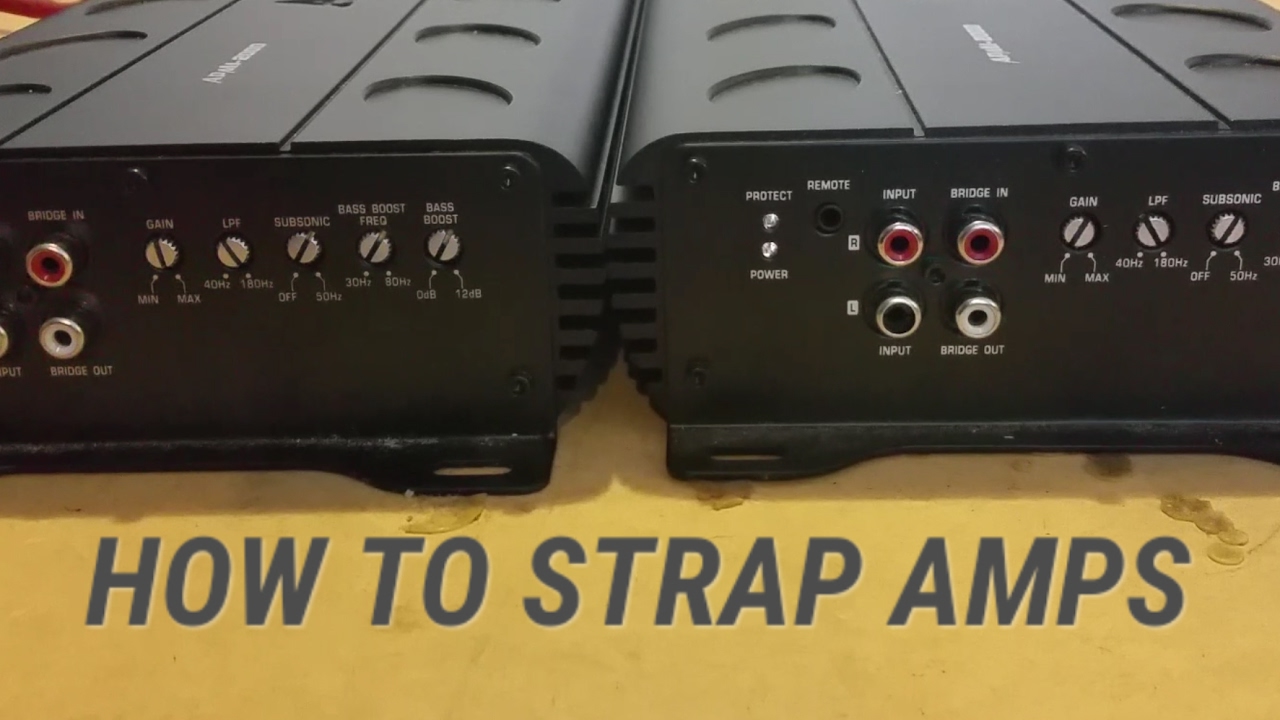
This setup lets you run a single subwoofer with much more power.
Credit: www.youtube.com
Common Mistakes When Bridging Amps
Many beginners make errors that can damage equipment. Here are some to avoid:
- Using a speaker with wrong impedance. Always match the amp’s bridged output.
- Bridging two different amplifiers without proper synchronization.
- Forgetting to check the manual for correct wiring.
- Overloading the amp, causing overheating or distortion.
- Not starting with low volume after setup.
Non-obvious insight: Some amps can’t handle low-impedance loads in bridged mode. For example, a 4-ohm speaker on a bridged amp may cause overheating or shutdown.
What Happens If You Bridge Two Different Amplifiers?
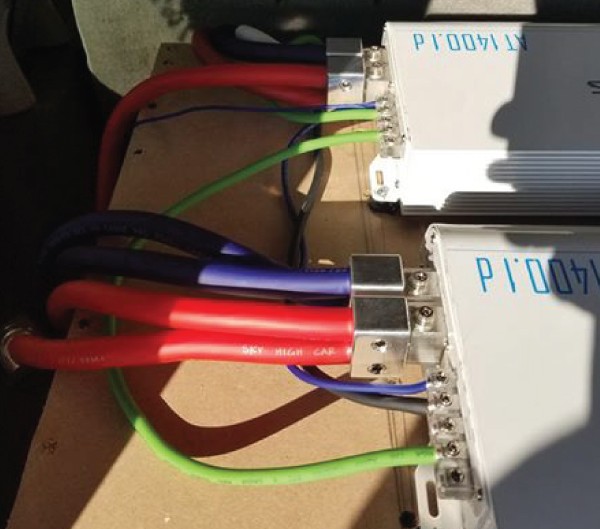
Beginners sometimes ask if they can bridge two separate amps. In most cases, this is dangerous. Unless you use advanced hardware (like a summing device) or both amps are perfectly synchronized, you risk:
- Electrical damage
- Phase problems
- Distorted sound
Professional setups use dual mono amps with special gear. For most users, stick with bridging two channels of one amp.
Credit: www.ctsounds.com
Bridging Vs. Parallel Wiring: Comparison
Many confuse bridging with parallel wiring. Here’s a quick comparison:
| Method | Purpose | Power Output | Speaker Connection |
|---|---|---|---|
| Bridging | Combine two channels into one | Double (or more) power | Across two terminals (one positive, one negative) |
| Parallel Wiring | Connect multiple speakers | Shares power | Both speakers to amp’s positive and negative |
Bridging is for boosting power to one speaker. Parallel wiring is for running multiple speakers from one amp.
Safety Tips For Bridging Amps
Bridging amps can be safe if you follow these tips:
- Always read the manual for your amp.
- Never bridge two amps unless you know advanced audio setup.
- Use the correct speaker impedance.
- Start with low volume after wiring.
- Watch for overheating or strange sounds.
- Don’t use cheap wires; quality wiring reduces risk.
Practical Data: Real Amp Models And Bridging Specs
Let’s look at some common amp models and their bridging abilities:
| Amp Model | Channel Power | Bridged Power | Impedance Needed |
|---|---|---|---|
| Pioneer GM-A6704 | 95W x 4 at 2 ohms | 260W x 2 at 4 ohms | 4 ohms |
| Alpine MRV-F300 | 50W x 4 at 4 ohms | 150W x 2 at 4 ohms | 4 ohms |
| Rockford Fosgate R500X1D | 500W x 1 at 2 ohms | Not bridgeable | N/A |
Notice that not all amps can be bridged. Always check the specs before wiring.
Advanced Bridging: When To Use Two Amplifiers
Some advanced setups use two mono amplifiers for left and right channels. This is called dual mono bridging and is only for professionals.
- Needs special gear to synchronize amps.
- Used in high-end car audio or live sound systems.
- Not recommended for beginners.
Non-obvious insight: Phase issues can ruin your sound if you try this without proper equipment.
Signs Your Bridged Amp Setup Is Working Well
Once you finish bridging, check these signs:
- Music is clear and louder.
- No distortion at normal volume.
- Amp stays cool and doesn’t shut off.
- Speaker is not damaged or rattling.
If you notice problems, re-check wiring and speaker match.
Frequently Asked Questions
Can I Bridge Any Amplifier?
No. Only amplifiers designed for bridging can be safely bridged. Always check the manual for your amp’s bridging ability.
What Speaker Should I Use For A Bridged Amp?
Use a speaker with the correct impedance for the bridged output. For example, if the amp says 8 ohms when bridged, use an 8-ohm speaker.
Is Bridging Amps Safe For Beginners?
Yes, if you bridge two channels on one amp and follow instructions. Bridging two separate amps is not safe for beginners.
What Happens If I Use The Wrong Speaker Impedance?
You risk overheating, distortion, or damaging the amp. Always match the impedance to the amp’s bridged output.
Where Can I Learn More About Amplifier Bridging?
For more technical details, visit Wikipedia.
Bridging amplifiers can make your sound system louder and more powerful. But it’s important to follow safe steps, use the right equipment, and avoid common mistakes. With this guide, even beginners can bridge two amp channels confidently and enjoy better audio.
Always check your amp’s manual, match your speaker correctly, and start with low volume. If you want advanced setups, learn more and use professional gear. With careful wiring, you’ll get the sound boost you want.