Why Does My Car Stereo Make a Buzzing Sound When I Accelerate?
When you’re enjoying your favorite music in the car, nothing spoils the moment faster than a strange buzzing noise coming from the speakers—especially when it gets louder as you speed up. This problem is common, but it can be confusing if you don’t know much about car audio systems.
Understanding why your car stereo makes a buzzing sound when you accelerate can help you fix it quickly and prevent more serious issues later.
Many drivers notice this buzzing sound only when they press the gas pedal. It might start as a soft hum, then turn into a sharp buzz that follows the rhythm of the engine. Sometimes, the noise is barely there at idle, but as you drive faster, the buzzing grows. You might wonder: Is it a speaker problem? Is it electrical? Or is your car’s stereo just old? The answer usually involves a mix of electrical and audio system factors. Let’s break down the reasons, solutions, and how you can stop the buzzing for good.
What Causes Buzzing In Car Stereos When Accelerating?
Buzzing noises related to engine speed are almost always electrical interference. This type of noise is often called “alternator whine.” The alternator is a key part of your car’s electrical system. It charges your battery and powers electronics while the engine runs. When it works, the alternator creates a small, changing electrical signal. If your audio system is not protected, this signal sneaks into the stereo and comes out as a buzzing or whining sound.
Common Causes
- Ground loop problems: If the stereo and the car’s power system are not grounded properly, unwanted signals can flow into the audio path.
- Poor wiring or connections: Old, loose, or corroded wires and connectors can let electrical noise in.
- Faulty alternator: A bad alternator can create extra noise and send it through the car’s electrical system.
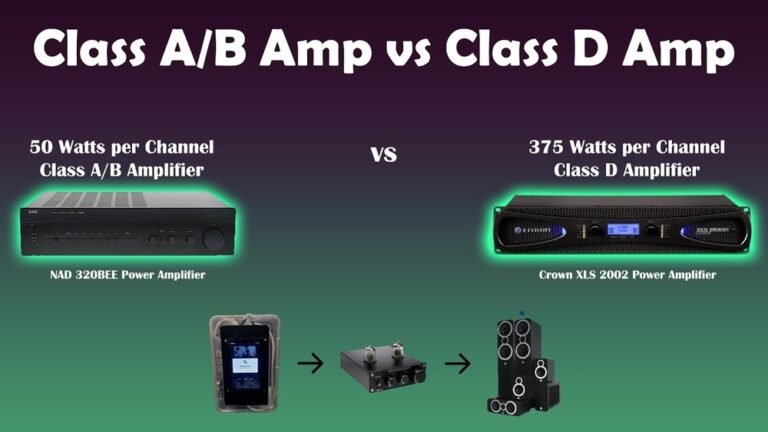
- Low-quality or damaged RCA cables: Cheap or damaged cables connecting your stereo to the amplifier can pick up interference easily.
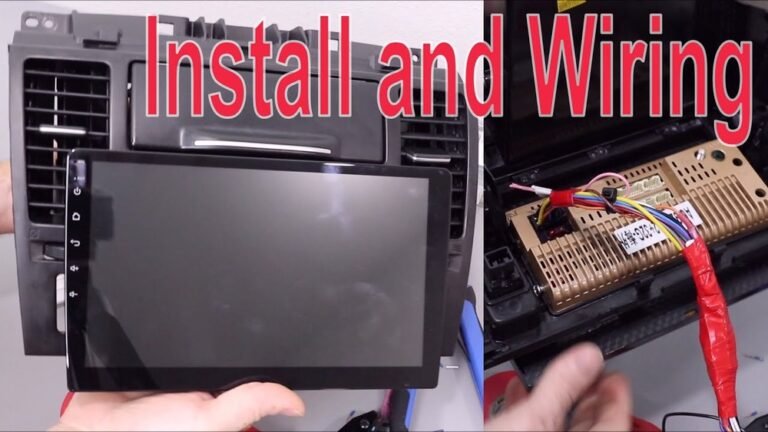
- Aftermarket parts: Installing non-factory (aftermarket) stereos or amps can sometimes make the problem worse if not installed correctly.
Example Scenario
Imagine you have an older car with a recently installed aftermarket stereo. You notice that the buzzing sound was not present before the new stereo. This usually points to a wiring or installation issue, not a problem with the speakers themselves.
How Electrical Noise Gets Into Your Car Stereo
Understanding how the noise travels helps you fix it. The buzzing sound often starts at the alternator, but it can get into your stereo system in several ways:
- Through power cables that are too close to signal (audio) cables.
- Via shared ground points with other electronics, creating a “loop” for noise.
- Through amplifiers that are sensitive to small electrical changes.
This is why the buzzing often follows the engine speed—as you accelerate, the alternator works harder, making more noise.
Typical Noise Pathway
Here’s a simple look at how noise can travel:
- Alternator creates electrical “whine.”
- Whine travels through car’s power lines.
- Stereo or amplifier receives the noise.
- Speakers turn the noise into audible buzzing.
Spotting The Problem: Symptoms And Clues
Before you fix the buzzing, you need to confirm it’s really alternator whine. Here’s what to look for:
- Buzzing changes with engine speed: If the sound gets higher or louder as you accelerate, it’s likely electrical.
- Buzzing only when engine runs: If the stereo is quiet with the engine off but buzzes when on, it’s not a speaker issue.
- Volume control has little effect: Turning the stereo volume up or down doesn’t change the buzzing much.
Quick Test
Turn on your car, but keep the stereo off. If you still hear buzzing from the speakers, the problem is in the wiring or electrical system, not the stereo’s audio source.
How To Fix Buzzing From Your Car Stereo
Solving alternator whine usually means stopping electrical noise from reaching the stereo. Here are the most effective ways to do this:
1. Check And Improve Grounding
- Make sure the stereo and amplifier are grounded to clean, bare metal on the car body.
- Avoid sharing ground points with other electronics. Each device should have its own ground.
- Clean any rust, paint, or dirt from the ground connection area.
2. Use Quality Cables And Proper Routing
- Replace old or cheap RCA and speaker wires with shielded, high-quality cables.
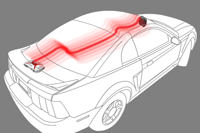
- Run power cables and signal cables on opposite sides of the car to prevent interference.
| Type of Cable | Shielding Level | Noise Resistance |
|---|---|---|
| Standard RCA | Low | Low |
| Shielded RCA | High | High |
| Twisted Pair RCA | Medium | Medium |
3. Install A Noise Filter
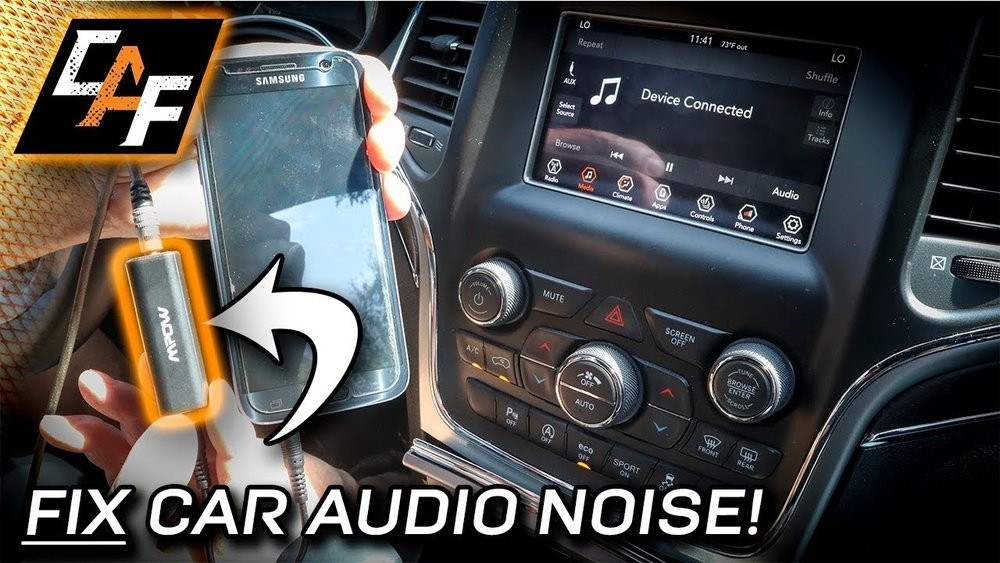
- Add a ground loop isolator or a power line noise filter to the stereo’s power or audio line.
- These devices are simple to install and can block unwanted frequencies.
4. Inspect The Alternator
- If your car’s alternator is failing, it may create more electrical noise. Look for other signs like dimming headlights or battery trouble.
- Have a mechanic check the alternator output.
5. Check All Connections
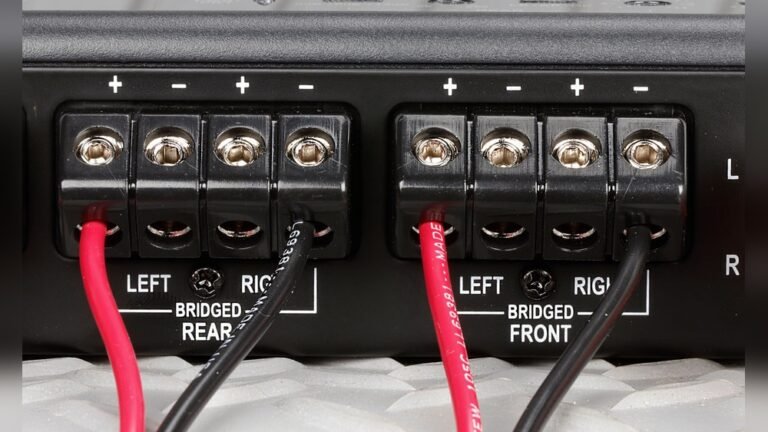
- Secure all stereo and amplifier connections tightly.
- Replace any corroded or damaged plugs and wires.
Real-world Example: A 2010 Honda Accord
Let’s say you drive a 2010 Honda Accord and start hearing a buzzing sound after upgrading your stereo with an aftermarket amplifier. You notice the noise gets louder as you accelerate. After checking, you find:
- The amplifier’s ground wire is attached to a painted surface in the trunk.
- The RCA cables run alongside the main battery cable.
You decide to:
- Move the ground wire to a clean, unpainted metal spot.
- Reroute the RCA cables to the opposite side of the car from the battery cable.
Result: The buzzing is gone. This shows that even small changes in grounding and cable routing can make a big difference.
Prevention: How To Avoid Buzzing In The Future
You can prevent buzzing when you upgrade or repair your car’s audio system:
- Always use high-quality, shielded cables for audio connections.
- Give each device its own ground point on bare metal.
- Don’t let power and signal cables run together for long distances.
- Test your sound system before finishing installation.
- Choose professional installation if you’re not sure about wiring.
Credit: www.crutchfield.com
Data: How Common Is This Problem?
Buzzing and alternator whine are not rare. Surveys among car audio installers show:
- About 40% of aftermarket stereo installs report some kind of noise problem.
- In most cases, improper grounding or poor-quality cables are the main causes.
- Factory stereos have fewer issues (less than 10%) due to better design and installation.
| Car Audio System Type | Reported Buzzing Issues (%) |
|---|---|
| Factory Stereo | 8% |
| Aftermarket Stereo | 39% |
| Aftermarket Stereo + Amp | 47% |
Common Mistakes When Trying To Fix The Problem
Beginners often make the same errors when dealing with buzzing:
- Ignoring ground connections: Not checking or cleaning ground points is a frequent mistake.
- Buying the cheapest cables: Low-quality wiring is more likely to pick up interference.
- Using a “bandaid” fix: Adding a noise filter without checking wiring or grounds may only hide the problem, not solve it.
- Not testing each step: Making multiple changes at once can make it hard to find the real cause.
When To Seek Professional Help
Sometimes, the buzzing will not go away, even after checking grounds and replacing cables. If you:
- Notice the noise stays even after disconnecting the stereo’s RCA cables (from the head unit),
- See other electrical issues in the car,
- Or feel unsure about working with electrical systems,
It’s time to visit a car audio professional. They have the tools and experience to trace and fix complex noise issues safely.
Key Insights Most Beginners Miss
- Alternator whine is not a speaker problem. Beginners often replace speakers, but the issue is almost always in the wiring or grounding.
- Ground location matters. Not all metal in your car is equal. Painted, dirty, or rusted surfaces make poor ground points. Always sand down to bare metal.
Quick Comparison: Factory Vs Aftermarket Stereo Noise Risk
| Feature | Factory Stereo | Aftermarket Stereo |
|---|---|---|
| Noise Shielding | High | Medium/Low |
| Installation Quality | Professional | Varies (DIY/Shop) |
| Buzzing Risk | Low | Higher |
Practical Tips For A Quiet Car Audio System
- Use shorter cables where possible—long runs increase the chance of noise.
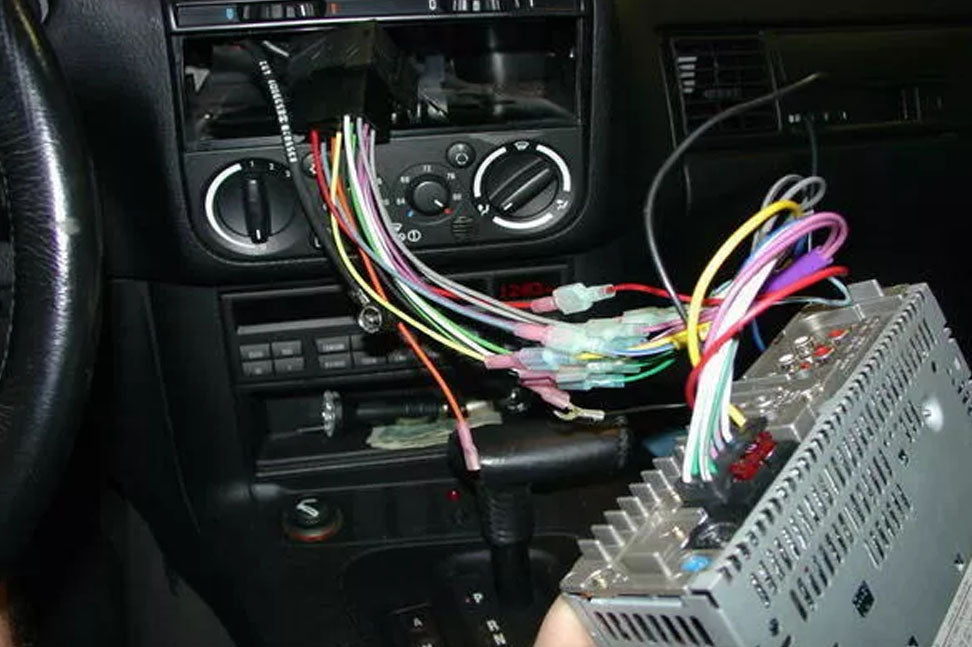
- If you add an amplifier, buy a separate amp wiring kit with quality components.
- After installation, turn on the car and listen for buzz before replacing panels or seats.
- Avoid connecting multiple devices (like phone chargers) to the same outlet as your stereo or amp.
Credit: eliteautogear.com
External Resources For Deeper Learning
For more technical details on car audio noise and how to stop it, check out the Wikipedia page on ground loops.
Car stereo buzzing when accelerating is a frustrating but fixable problem. Most of the time, the real issue is electrical noise getting into your audio system, not a bad speaker. By focusing on good grounding, quality cables, and careful installation, you can enjoy clear music at any speed. If you’re stuck, don’t hesitate to ask a pro for help—sometimes, a fresh set of eyes finds a problem you missed.
Frequently Asked Questions
Why Does The Buzzing Get Louder When I Drive Faster?
The buzzing increases with speed because your alternator works harder as the engine accelerates. More alternator activity creates more electrical noise, which enters your audio system if not properly shielded.
Can Replacing My Speakers Fix The Buzzing Noise?
Usually, replacing speakers does not solve this problem. The buzzing is caused by electrical noise, not speaker failure. Focus on wiring, grounding, and cable quality first.
What Is A Ground Loop Isolator, And Does It Help?
A ground loop isolator is a device that blocks unwanted electrical signals between components. It can help reduce or remove buzzing, but it’s best used after checking grounds and cables.
Is Alternator Whine Dangerous For My Car Or Stereo?
Alternator whine is not dangerous, but it is annoying. It does not harm your car or audio system. However, it can be a sign of poor installation or electrical issues that may need attention.
Should I Install My Own Stereo Or Hire A Professional?
If you’re comfortable with basic wiring and following instructions, you can try installing yourself. If not, or if you have noise problems you can’t solve, professional installation is safer and can save time.
With a little attention to detail and the right fixes, you can enjoy your car music without the annoying buzz, no matter how fast you drive.

Credit: www.youtube.com