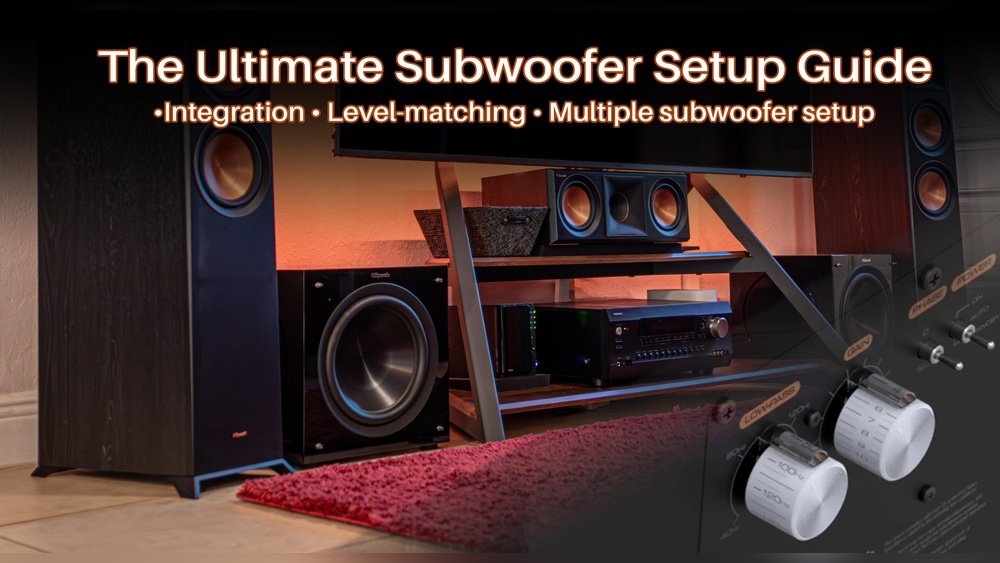
How Do I Adjust My Subwoofer Settings: Expert Tips for Perfect Bass
Setting up a subwoofer can seem hard, especially if you’re new to home theater or car audio. But the right subwoofer settings can change your listening experience completely. A well-tuned subwoofer adds deep, clear bass to movies and music without making the sound muddy or overwhelming.
If you’ve ever wondered, “How do I adjust my subwoofer settings? ”—this guide will help you, step by step. You’ll learn how to get the best bass for your room, your system, and your ears.
What Does A Subwoofer Do?
A subwoofer is a special speaker made to play very low sounds—bass and sub-bass. These sounds are usually below 120 Hz (Hertz). Regular speakers can’t play these deep tones well. That’s why adding a subwoofer makes action movies, hip-hop music, and even classical pieces sound fuller and more exciting.
Why Subwoofer Settings Matter
Many people just plug in their subwoofer and hope for the best. But every room and sound system is different. Bass waves interact with walls, floors, and furniture. If you don’t adjust your settings, you might get too much bass, too little, or strange “boomy” noises in some spots.
Correct settings help you:
- Hear deep, clear bass without distortion
- Balance the bass with your main speakers
- Avoid rattling windows or annoying your neighbors
Even small changes can make a big difference.
Key Subwoofer Settings Explained
Before you start, it helps to know the main settings you can adjust. Let’s break them down simply.
1. Volume (gain)
The volume knob on your subwoofer sets how loud the bass will be. Too high, and it will overpower everything. Too low, and you’ll barely hear it.
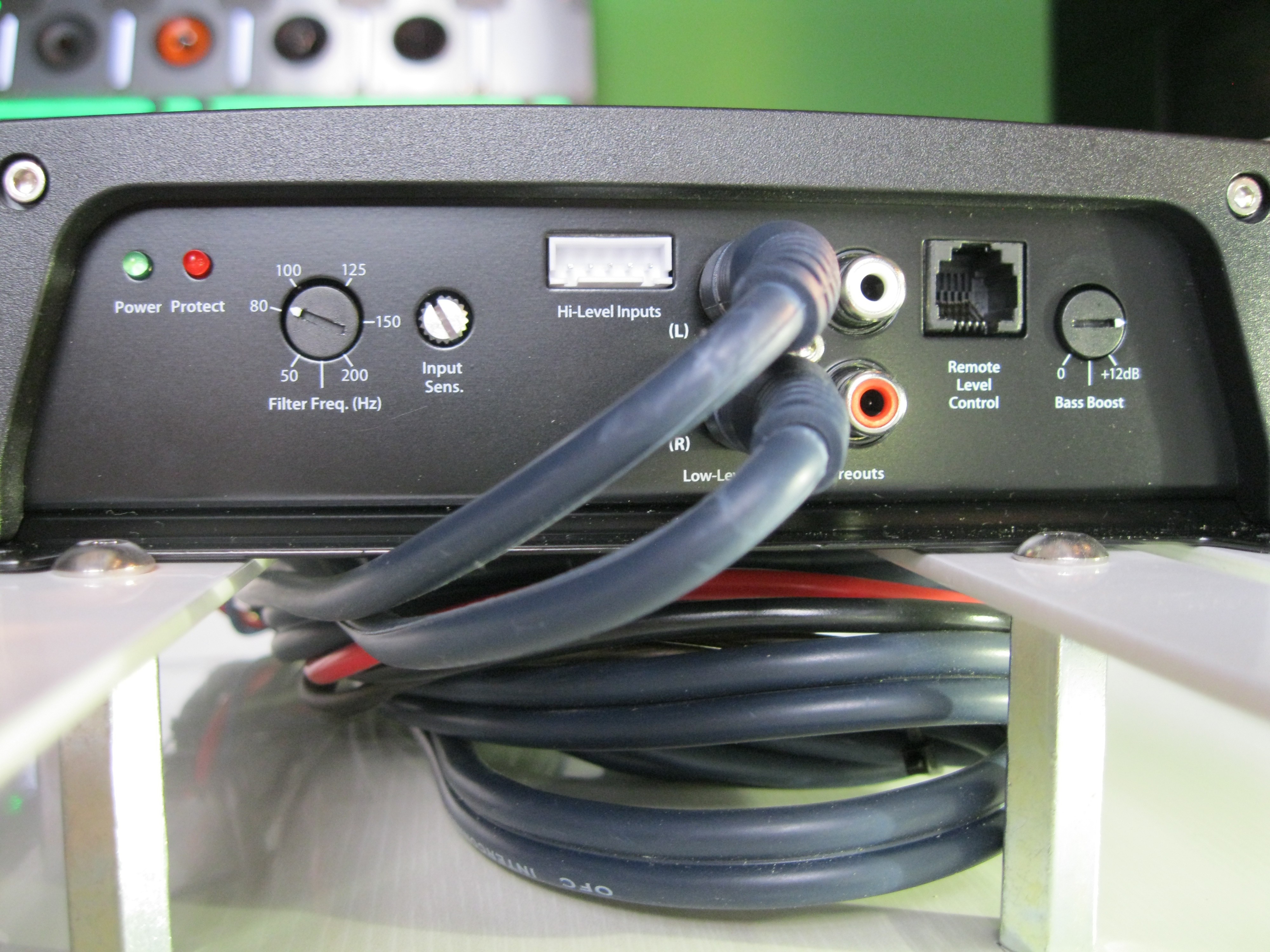
2. Crossover Frequency
The crossover tells your subwoofer where to start playing bass. For example, if you set it at 80 Hz, the subwoofer will play sounds below 80 Hz, and your main speakers will handle everything higher.
3. Phase
Phase helps your subwoofer’s sound “line up” with your other speakers. If it’s out of phase, bass can sound weak or disappear.
4. Low Pass Filter
This filter stops higher notes from reaching your subwoofer. It works with the crossover to make the bass smooth.
5. Placement
Where you put your subwoofer in the room also acts like a “setting. ” Bass can double or disappear based on location.
Step-by-step Guide: How To Adjust Your Subwoofer Settings
Getting your subwoofer right takes a few simple steps. Follow these in order for the best results.
1. Place Your Subwoofer
Where you put your subwoofer matters even more than the dials.
- Place it near your main speakers at first.
- Avoid corners if the bass sounds too “boomy.”
- Try the subwoofer crawl: Put the sub where you usually sit, then play bass-heavy music. Walk around the room and find where the bass sounds best. Put the subwoofer there.
2. Set The Volume (gain)
Start with the volume knob at about 10 or 11 o’clock (about 30-40% of the way up).
- Play something with strong, regular bass (like a drum beat).
- Listen at your normal volume.
- Turn the subwoofer up until the bass is clear but not shaking everything.
- If you can hear where the bass is coming from, it’s probably too loud.
3. Set The Crossover Frequency
Most people set the crossover between 80 and 120 Hz.
- If your main speakers are small (bookshelf size), set the crossover higher (100-120 Hz).
- If your speakers are large, set it lower (60-80 Hz).
- Never set the subwoofer’s crossover higher than your speakers can handle.
Here’s a simple table to help:
| Main Speaker Size | Recommended Crossover (Hz) |
|---|---|
| Small (Bookshelf) | 100-120 |
| Medium (Standmount) | 80-100 |
| Large (Floorstanding) | 60-80 |
4. Adjust The Phase
Most subwoofers have a phase switch (0° or 180°).
- Play some bass-heavy music.
- Flip the switch and listen. Pick the setting where the bass is strongest and smoothest at your seat.
- Some models have a dial from 0° to 180°. Turn it slowly and listen for the fullest bass.
5. Set The Low Pass Filter
If your receiver or amplifier already has a crossover setting, set the low pass filter on the subwoofer to its highest setting (like 150-200 Hz) or turn it off. This avoids double filtering.
If not, set the low pass filter to match your crossover.
6. Fine-tune With Test Tones Or Music
Now, play real music or movies. Listen for:
- Bass that is strong but not overpowering
- No rattling or buzzing in the room
- Smooth transition between your main speakers and subwoofer
If something sounds off, go back and adjust the settings one by one.
Practical Example: Home Theater Setup
Let’s say you have a small home theater with bookshelf speakers and a powered subwoofer.
- Put the subwoofer near the TV, away from corners.
- Set the volume to 30%.
- Set the crossover to 100 Hz.
- Set phase to 0° and test. If bass is weak, try 180°.
- Play a movie with lots of bass (like an action film). Adjust volume and crossover until the bass feels powerful but not too much.
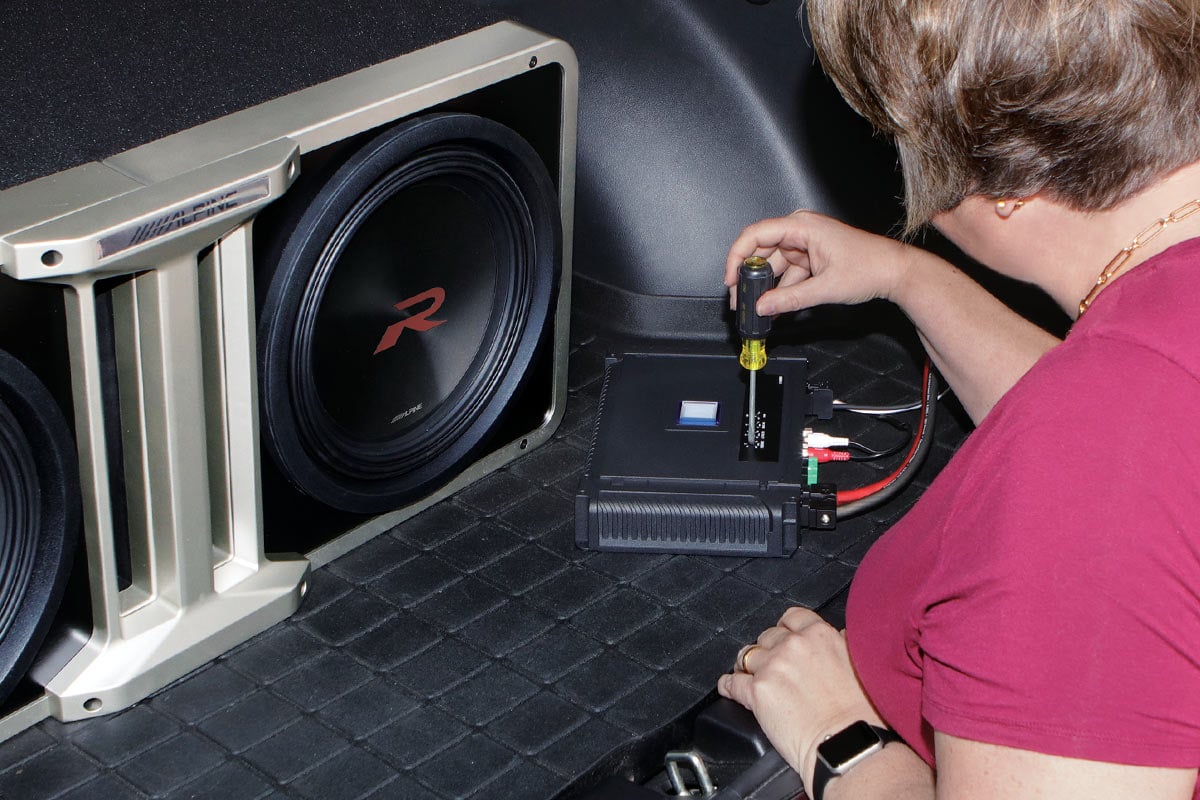
Practical Example: Car Subwoofer Setup
Car subwoofers need special care because small space can boost bass too much.
- Place the subwoofer in the trunk, facing backward.
- Set the gain to low.
- Try a crossover at 80 Hz.
- Set phase to 0° at first.
- Listen to bass-heavy music and adjust the gain for balance.
Using An Av Receiver Or Audio Processor
If you have an AV receiver, you might see settings like “LFE” or “Bass Management. ”
- Set your main speakers to “Small” if you want the subwoofer to handle all bass.
- Set the subwoofer output to “On.”
- Use the receiver’s crossover instead of the subwoofer’s knob.
- Many receivers have auto-calibration (like Audyssey or YPAO). Run this and then tweak by ear.
A quick comparison:
| Setting | On Subwoofer | On Receiver |
|---|---|---|
| Volume/Gain | Yes | No |
| Crossover | Yes | Yes (recommended) |
| Phase | Yes | Rarely |
| Low Pass Filter | Yes | Yes |
Common Beginner Mistakes
Many beginners make these mistakes:
- Turning the bass too high. This can annoy neighbors and distort the sound.
- Ignoring phase. Not checking phase leads to weak bass.
- Placing subwoofer in a corner. This can cause “boomy” sound and uneven bass.
- Not matching crossover to speakers. If the crossover is set too high or low, you lose sound quality.
- Not checking with different music. Always test with several songs or movies.
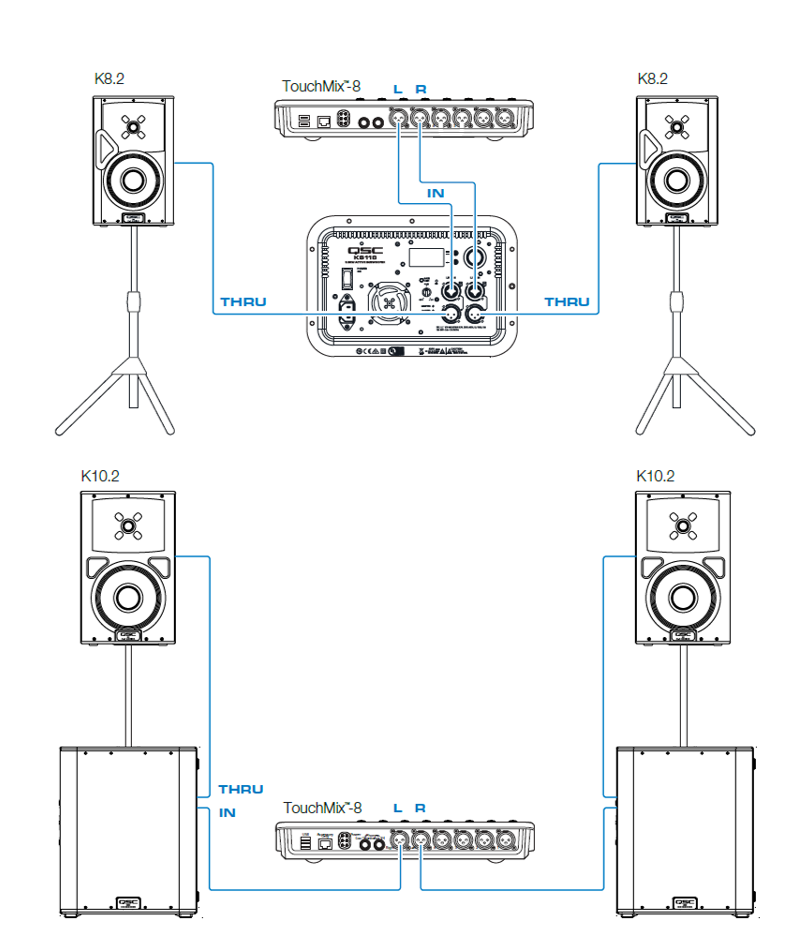
Credit: blogs.qsc.com
Two Insights Most Beginners Miss
1. Room Size Changes Everything:
A subwoofer that sounds great in a small room may be too weak in a large one. Try moving your subwoofer or adjusting settings if you change rooms or move furniture.
2. Human Ears Are Sensitive to Bass Location:
Even though bass is “non-directional,” if you set the subwoofer volume too high, you’ll notice where the bass is coming from. This ruins the illusion of surround sound.
Fine-tuning For Your Room
Every room is different. Walls, couches, and even carpet affect bass. For best results:
- Try different positions for your subwoofer.
- Add a thick rug or curtains if bass is too “sharp.”
- Use foam or pads under the subwoofer to cut vibrations.
A helpful tip: If you want to see how bass changes around your room, use a sound meter app on your phone. Play a test tone (like 60 Hz), then measure at your main seat and other spots.
Using Test Tracks And Tools
Some people use special test tracks or apps to help adjust their subwoofer.
- Search for “subwoofer test tone” videos on YouTube.
- Download a decibel meter app to check loudness.
- Use white noise tracks to check for even bass.
These tools aren’t required, but they can help you get more precise results.
How To Adjust Subwoofer Settings On Different Systems
Home Theater Av Receiver
- Use the receiver’s on-screen setup.
- Set main speakers to “Small.”
- Set crossover to 80 Hz for most setups.
- Adjust subwoofer volume until bass is clear but not too strong.
Soundbar With Subwoofer
- Use the soundbar’s remote to adjust “bass” or “subwoofer” level.
- Some models have an app for fine-tuning.
- Place subwoofer near the main unit for best sync.
Stereo Amp With Sub Out
- Set the crossover and phase on the subwoofer directly.
- Use music with deep bass to fine-tune.
Best Subwoofer Settings For Different Uses
Here’s a quick guide for common uses:
| Use Case | Crossover (Hz) | Volume | Phase |
|---|---|---|---|
| Home Theater | 80-100 | Medium | Test both |
| Music Listening | 60-80 | Low-Medium | Test both |
| Gaming | 100-120 | Medium-High | Test both |
| Car Audio | 60-80 | Low | Test both |
When To Use Eq Or Calibration Tools
Modern AV receivers and some subwoofers have auto-EQ features. These use a microphone to listen to test sounds and adjust settings for you.
- Run the auto-calibration and listen to the results.
- Tweak the volume or crossover if you’re not happy.
- Remember, your ears are the final judge.
Credit: carstereochick.com
How Often Should You Adjust Subwoofer Settings?
You don’t need to adjust your subwoofer every day. But check your settings when:
- You move your subwoofer or change room layout
- You add new speakers or change receiver
- You notice bass is missing or too strong
Getting The Most Out Of Your Subwoofer
A good subwoofer setup should make you forget it’s there. The bass should blend with your speakers and fill the room without drawing attention to itself.
- Trust your ears. If it sounds good, it is good.
- Try small adjustments and test with different content.
- Don’t be afraid to experiment.
For more technical details and expert tips, you can visit the Audioholics Subwoofer Setup Guide.
Credit: www.crutchfield.com
Frequently Asked Questions
What Is The Best Crossover Frequency For A Subwoofer?
The best crossover frequency is usually 80 Hz for most home theater setups. If your main speakers are small, try 100-120 Hz. If they are large, 60-80 Hz is better. Always match the crossover to your speakers’ size and range.
How Do I Know If My Subwoofer Is Too Loud?
If you can easily tell where the bass is coming from, or if the bass overpowers voices or music, your subwoofer is likely too loud. Lower the gain until the bass blends with the sound, not stands out.
Should I Use The Phase Switch On My Subwoofer?
Yes, try both settings (0° and 180°). Use the setting where the bass sounds stronger and fuller at your listening spot. Some models let you adjust phase with a dial for more fine-tuning.
Where Is The Best Place To Put A Subwoofer?
The best spot is often near your main speakers but not in a corner. Use the “subwoofer crawl” method: Put the subwoofer at your seat, play bass, and walk the room. Where the bass sounds best, place the subwoofer there.
How Can I Get Deeper Bass From My Subwoofer?
For deeper bass:
- Place the subwoofer away from walls and corners if possible
- Lower the crossover frequency slightly
- Make sure the phase is set correctly
- Try adding a rug or foam to cut unwanted vibrations
With these steps, you can get clear, powerful bass in any room. Adjusting your subwoofer settings takes a little time, but the results are worth it. Enjoy your music and movies like never before!