How Can You Tell If Your Amp is Blown? Key Signs to Check
How Can You Tell If Your Amp Is Blown
Guitar amps, car amplifiers, and home audio amps all play a big role in sound. But what happens when your amp suddenly stops working or sounds strange? Knowing how to tell if your amp is blown saves time, money, and frustration.
Many people—especially beginners—struggle to spot the problem. This guide explains simple ways to check your amp, common symptoms, and practical steps to confirm if your amp is blown.
Common Signs Your Amp Is Blown
When an amp is blown, it often shows clear signs. Beginners sometimes miss these because they expect the amp to stop working completely. In reality, problems can be subtle.
1. No Sound At All
If your speakers produce zero sound—even after checking connections—this is a major warning sign.
2. Distorted Sound
When the amp produces crackling, buzzing, or static, even at low volume, the internal parts may be damaged.
3. Overheating
If the amp gets unusually hot, or shuts off after a few minutes, something is likely wrong inside.
4. Strange Smells
A burnt smell, especially like plastic or chemicals, often means a component is fried.
5. Lights And Indicators
If the power light does not turn on, or blinks oddly, your amp could be blown. Some amps have a “protect mode” light that turns on during failure.
6. Fuses Blowing Repeatedly
If you replace the amp’s fuse but it blows again, this usually means an internal problem.
7. Unusual Noises
Humming or popping when you turn the amp on or off is another warning.
Beginners sometimes miss these signs, thinking it’s a cable or speaker issue. Always check cables and speakers first, but don’t ignore these symptoms.
Why Amps Blow: Main Causes
Understanding why amps blow helps you prevent problems and spot issues faster.
- Short circuits: If wires touch each other or a speaker wire is loose, it can send too much current through the amp.
- Overloading: Playing very loud for a long time or connecting too many speakers can stress the amp.
- Poor ventilation: Amps need air to cool. Blocked vents or placing the amp in a small space can cause overheating.
- Old or low-quality parts: Cheap or old amps are more likely to break.
- Power surges: Sudden voltage spikes (like during a storm) can damage the amp’s circuits.
Pro tip: Most blown amps are caused by user mistakes, not just age.
Step-by-step: How To Check If Your Amp Is Blown
Checking your amp is not hard. Follow these steps to avoid guessing and save money on repairs.
1. Check The Basics
- Make sure the amp is plugged in.
- Check that the power switch is on.
- Inspect all cables for damage or loose connections.
- Test your speakers with another amp or device.
2. Listen And Observe
- Turn the amp on.
- Listen for clicks, hums, or silence.
- Look for power lights or flashing indicators.
3. Smell And Touch
- Carefully smell near the amp (don’t touch hot parts).
- Notice if it’s much hotter than usual.
4. Test With A Different Setup
- Try the amp with a different instrument, phone, or device.
- Use different cables and speakers.
- If the amp still fails, the problem is likely inside the amp.
5. Check The Fuse
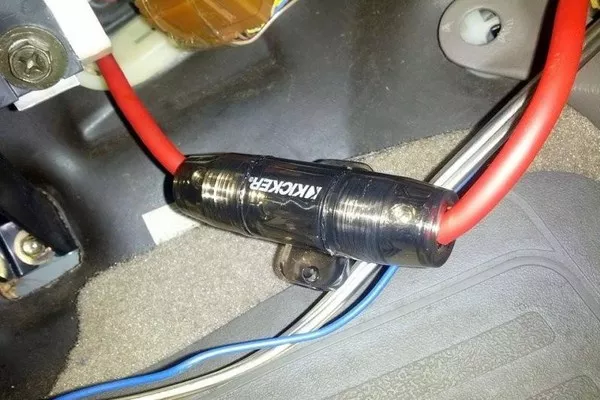
Many amps have a small, replaceable fuse near the power plug. If the amp shows no lights or sound:
- Unplug the amp.
- Open the fuse holder.
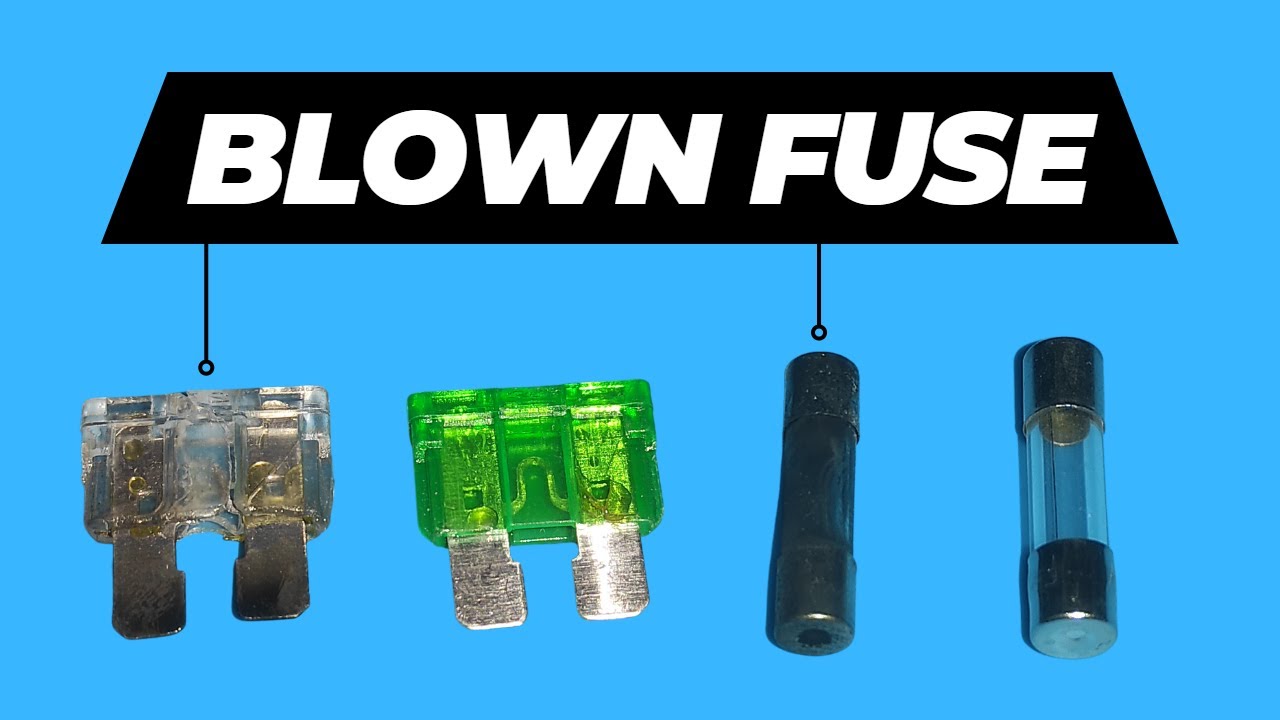
- Inspect the fuse: If the wire inside is broken or black, it’s blown.
- Replace the fuse with the same type and rating.
Warning: If the new fuse blows immediately, the amp has a deeper problem.
6. Try The Direct Input
Some amps have a direct line input or headphone out. Try plugging headphones directly into the amp. If you hear nothing, this suggests an internal issue.
7. Use A Multimeter (for Advanced Users)
A digital multimeter can check if parts inside the amp are getting power. This step is optional for beginners but useful if you’re comfortable.
- Set the multimeter to measure voltage or resistance.
- Test the power cord, fuse, and output terminals.
- If you get no readings, the amp is likely blown.
Comparing Blown Amp Symptoms Vs. Other Problems
It’s easy to confuse a blown amp with other audio issues. This comparison helps you spot the difference.
| Symptom | Blown Amp | Speaker/Cable Issue |
|---|---|---|
| No sound | Possible | Possible |
| Crackling/static | Likely | Possible (if cable is bad) |
| Burnt smell | Common | Rare |
| Blown fuse | Very common | Unlikely |
| Overheating | Common | Unlikely |
| Works with another amp/device | No | Yes (problem is not the amp) |
Insider tip: Always test speakers and cables on another amp before blaming your amp.

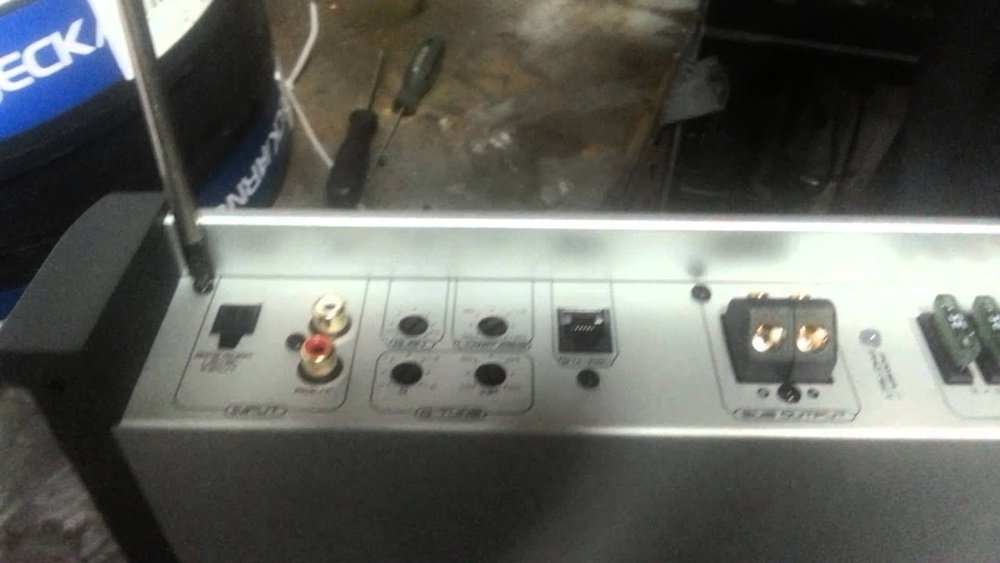
Credit: www.reddit.com
Practical Examples: Real-world Scenarios
Seeing real situations helps you recognize a blown amp. Here are practical examples:
- Home stereo amp: You turn it on, but no lights come on, and you smell burning. The fuse is black. Likely blown.
- Guitar amp: There’s a loud hum, but no guitar sound. Changing cables does not help. The amp feels very hot. This points to internal damage.
- Car amplifier: The music is weak and distorted. The protect mode light stays on. Replacing the fuse makes no difference. The amp is probably blown.
How To Avoid Blowing Your Amp
Preventing damage is easier than repair. Follow these tips:
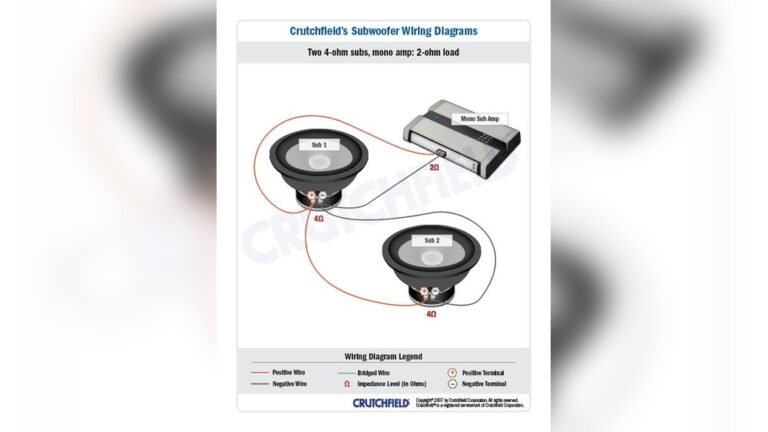
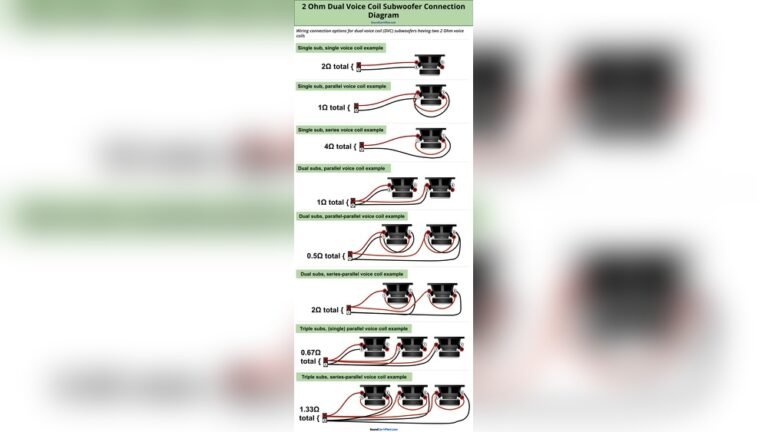
- Use correct speakers: Match speaker impedance (ohms) to what the amp supports.
- Don’t crank the volume: Avoid playing at maximum volume for long times.
- Allow airflow: Keep vents clear and don’t stack heavy items on the amp.
- Check connections: Loose wires cause shorts. Plug and unplug with the amp off.
- Use a surge protector: This guards against power spikes.
- Service old amps: Get professional cleaning or checkups for amps over 5 years old.
Beginner mistake: People often overlook airflow. Even a towel on top of an amp can cause overheating.
Common Myths About Blown Amps
Many people believe things about amps that simply aren’t true. Here are some myths—debunked:
- “If the light is on, the amp is fine.”
Not true. Amps can still be blown inside even if the light works.
- “Only old amps blow.”
New amps can blow if overloaded or misused.
- “All blown amps make noise.”
Sometimes, a blown amp is just silent.
- “If you fix the fuse, the amp is fixed.”
Often, a blown fuse means another part is damaged.
Cost Of Repair Vs. Replacement
Is it better to repair or replace a blown amp? The answer depends on age, quality, and repair cost.
| Amp Type | Repair Cost (USD) | New Amp Cost (USD) | Repair Worth It? |
|---|---|---|---|
| Basic guitar amp | 50–120 | 100–250 | Sometimes |
| High-end guitar amp | 100–400 | 500+ | Usually |
| Car amplifier | 60–200 | 120–400 | Case by case |
| Home stereo amp | 80–250 | 150–500 | Sometimes |
Insight: For budget amps, replacement is often cheaper. For high-end amps, repairs make sense if you value the amp’s unique tone.
Credit: www.youtube.com
When To Seek Professional Help
Not all amp problems can be fixed at home, especially if you’re a beginner. Call a technician if:
- The fuse keeps blowing.
- There are burnt smells or visible damage inside.
- The amp shuts off or enters protect mode repeatedly.
- You see melted wires or leaking fluids.
- You’re unsure about opening the amp.
Pro tip: Opening an amp can be dangerous due to stored high voltage. If in doubt, don’t open it.
Advanced: How Technicians Diagnose A Blown Amp
Professionals use tools and methods to pinpoint faults:
- Signal tracing: Sending test signals and following them through the amp’s circuit.
- Oscilloscope: Checking the waveform for distortion.
- Component testing: Measuring resistors, capacitors, and transistors for failure.
- Visual inspection: Looking for burnt or swollen parts.
If you’re curious, you can learn more about amp electronics from Wikipedia.
Credit: philkotse.com
Frequently Asked Questions
How Do I Know If My Amp Fuse Is Blown?
Remove the fuse and hold it up to the light. If the thin wire inside is broken or dark, it’s blown. Replace it with the same type. If the new one blows quickly, the amp has a bigger problem.
Can A Blown Amp Damage My Speakers?
Yes, a badly blown amp can send a sudden voltage spike or DC current to speakers, causing speaker damage. Always test speakers on another amp after an amp failure.
What Does “protect Mode” Mean On An Amp?
Protect mode is a safety feature. If the amp detects a problem (like overheating or a short), it shuts off sound and may blink a light. This protects internal parts from further damage.
Is It Safe To Open My Amp And Check Inside?
It’s not safe unless you know what you’re doing. Even unplugged amps can hold dangerous voltage. If you see burnt or melted parts, call a technician.
Can A Blown Amp Be Fixed, Or Do I Need A New One?
Many blown amps can be fixed, especially if the damage is minor (like a fuse or a single part). For major failures or cheap amps, replacement may be better.
Knowing how to tell if your amp is blown helps you act quickly and avoid bigger issues. Watch for the signs, double-check your setup, and don’t be afraid to ask a pro for help. With these tips, you can troubleshoot confidently and keep your music playing strong.