Can You Run 4 Ohm Speakers at 2 Ohms? Expert Guide
Can You Run 4 Ohm Speakers At 2 Ohms
Many people who enjoy audio equipment wonder if they can use 4 ohm speakers at 2 ohms. This question comes up when connecting speakers to amplifiers, especially in home theaters, cars, or custom audio setups. If you’re new to audio, the numbers can feel confusing. Let’s break down what this means, why it matters, and what happens if you try it. By the end, you’ll know exactly what to do and what to avoid, with clear examples and practical advice.
Understanding Speaker Ohms
Ohms are units of electrical resistance. In speakers, the ohm rating tells you how much resistance the speaker gives to the electric signal from the amplifier.
- 4 ohm speakers: These need more current from the amplifier than higher-ohm speakers (like 8 ohms).
- 2 ohm speakers: Even less resistance, so they demand more current.
The amplifier must match the speaker’s resistance. If the match is wrong, your sound quality suffers and your equipment can get damaged.
Why Ohm Ratings Matter
Matching the ohm rating is important for three main reasons:
- Power delivery: Amplifiers send power based on the load. If the load is too low, the amp can overheat.
- Sound quality: Wrong ohm settings can cause distortion or weak sound.
- Safety: Using the wrong ohm rating can damage your amplifier or speakers.
For beginners, remember: the lower the ohm rating, the harder your amplifier must work.
Credit: abtec.co.nz
What Happens If You Run 4 Ohm Speakers At 2 Ohms
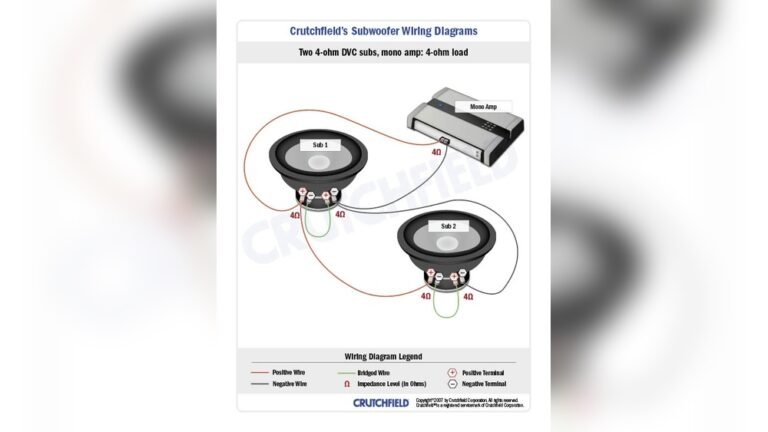
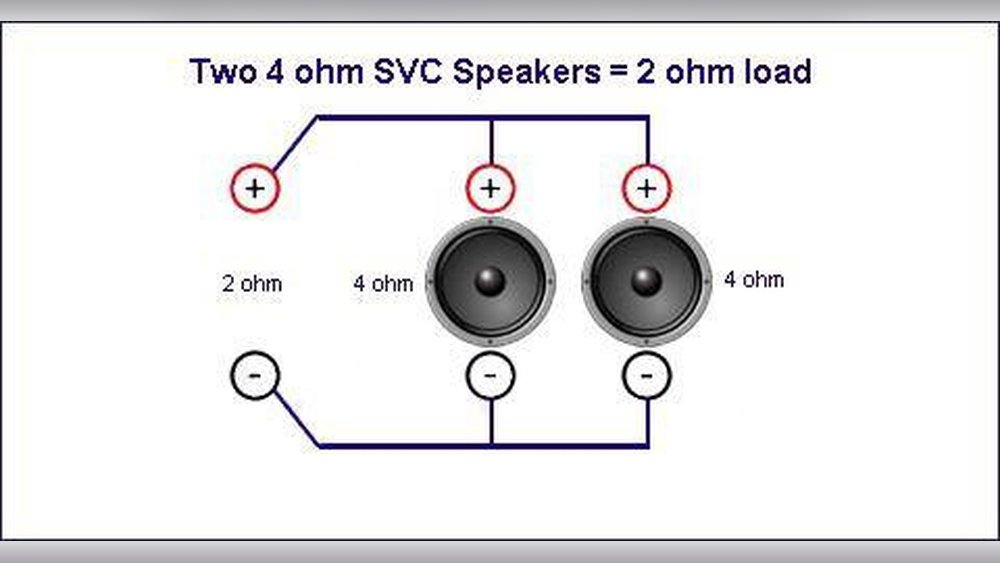
When people ask “Can I run 4 ohm speakers at 2 ohms?” they usually mean connecting speakers in a way that the total resistance is 2 ohms. This can happen if you wire two 4 ohm speakers in parallel. Here’s what happens:
- The amplifier sees a 2 ohm load.
- It must deliver more current than it’s designed for.
- This can cause overheating, distortion, or even permanent damage.
It’s not recommended unless your amplifier is specifically rated for 2 ohm loads.
Four Key Items You Must Know
There are four crucial points to understand before trying to run 4 ohm speakers at 2 ohms. Let’s look at each one:
1. Amplifier’s Minimum Ohm Rating
Every amplifier has a minimum ohm rating. This is the lowest resistance it can handle safely.
- If your amp is rated for 4 ohms minimum, do NOT use a 2 ohm load.
- Many car amplifiers can handle 2 ohms, but home audio amps often can’t.
- Check the amp’s user manual or label for this information.
Example: If your amp says “Minimum impedance: 4 ohms,” and you connect two 4 ohm speakers in parallel (making 2 ohms), you risk overheating.
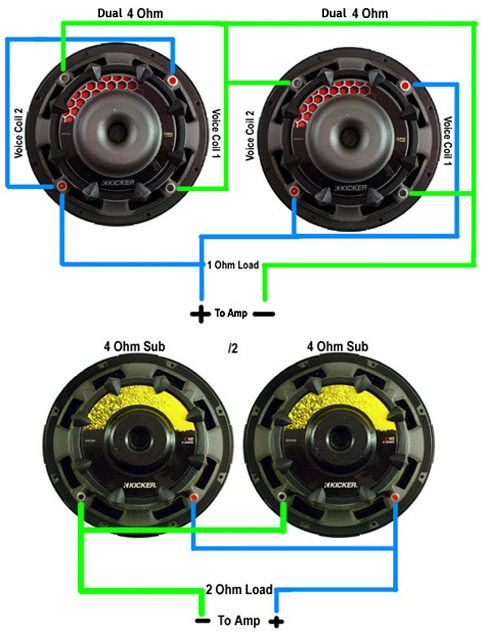
2. Wiring Configuration: Series Vs Parallel
How you wire your speakers changes the total resistance:
- Series wiring: Adds the ohm ratings together.
- Parallel wiring: Reduces the resistance.
Practical Example:
- Two 4 ohm speakers in series: 4 + 4 = 8 ohms.
- Two 4 ohm speakers in parallel: 1/(1/4 + 1/4) = 2 ohms.
Beginners often forget: Parallel wiring demands more from the amplifier. Series wiring is safer but may reduce volume.
3. Amplifier Power Output
Amplifiers deliver different power depending on the resistance:
- Lower resistance = more power output.
- Too much power can cause distortion or speaker damage.
Data Example:
If an amp delivers 100 watts at 4 ohms, it might deliver 200 watts at 2 ohms. But only if it’s designed for 2 ohms!
Common mistake: Thinking more power is always better. It’s not. Too much power can fry your speakers.
4. Risk Of Equipment Damage
Running speakers at the wrong ohm can cause:
- Overheating: Amp gets hot, may shut down or break.
- Distortion: Sound quality drops, music sounds fuzzy.
- Fire hazard: Rare, but possible with poor wiring.
Non-obvious insight: Damage isn’t always immediate. Sometimes, your amp will work for a while, then fail suddenly.
Practical Examples And Data
Let’s use a simple example to show how resistance affects your setup:
- You have two 4 ohm speakers.
- You wire them in parallel to the same channel.
- Your amplifier is rated for 4 ohms minimum.
Result: Total resistance is 2 ohms. The amp must deliver twice the current it’s designed for.
Data Table: Amp Power Output at Different Ohms
| Ohms | Power Output (Watts) | Risk Level |
|---|---|---|
| 8 | 50 | Safe |
| 4 | 100 | Safe |
| 2 | 200 | High Risk |
The table shows why running at 2 ohms is risky unless your amp is built for it.
How To Safely Use 4 Ohm Speakers
If you want to use 4 ohm speakers but avoid problems:
- Use series wiring if you must connect multiple speakers.
- Check your amp’s specs first.
- If unsure, stick with a total resistance of 4 ohms or higher.
Bullet points for safety:
- Never wire speakers so resistance is lower than amp rating.
- Double-check connections before powering on.
- If your amp overheats, turn it off immediately.
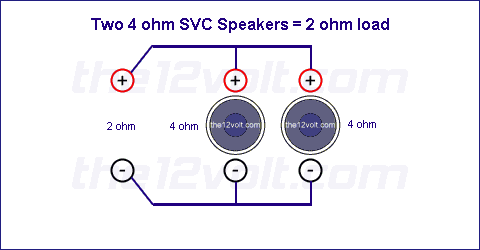
Credit: www.the12volt.com
Comparing Series And Parallel Wiring
Understanding series and parallel wiring is key for beginners. Here’s a quick comparison:
| Wiring Type | Total Resistance | Sound Output | Safety |
|---|---|---|---|
| Series | Higher (add ohms) | Lower volume | Safer |
| Parallel | Lower (divide ohms) | Higher volume | Riskier |
Most beginners don’t realize that series wiring can protect your amp but may make your speakers quieter.
What If Your Amplifier Supports 2 Ohms?
Some amplifiers are 2 ohm stable. If yours is, you can run 4 ohm speakers in parallel safely.
- Check the manual for “2 ohm stable” label.
- Car audio amps often support this.
- Home amps rarely do.
Example: If your car amp says “2 ohm stable,” wiring two 4 ohm speakers in parallel is fine.
Non-obvious insight: Even with a 2 ohm stable amp, wires and connections must be good quality. Cheap cables can fail under high current.
Common Beginner Mistakes
Beginners often make these errors:
- Not checking the amplifier’s minimum ohm rating.
- Using cheap wires that overheat.
- Thinking more speakers always mean better sound.
- Ignoring distortion and pushing the amp too hard.
If you avoid these mistakes, your audio system lasts longer and sounds better.
Real-world Example
Let’s say you have a basic home amplifier:
- Minimum impedance: 4 ohms
- Two 4 ohm speakers
If you wire them in parallel, you get 2 ohms. The amp will:
- Work fine at low volume, but
- Overheat or shut down at higher volume.
If you wire them in series, you get 8 ohms. The amp will:
- Stay safe, but
- Produce lower volume.
Choose the setup that matches your amp’s rating.
Data Table: Typical Amplifier Ratings
| Amplifier Type | Minimum Ohms | Safe Speaker Setup |
|---|---|---|
| Car Amp (modern) | 2 | Parallel |
| Home Theater Amp | 4 | Series or single |
| Vintage Stereo | 8 | Series |
Most home audio systems are built for 4 or 8 ohms. Car amps are more flexible.
Safety Tips For Using 4 Ohm Speakers
- Always check amp specs before wiring.
- Use quality cables to handle higher current.
- If your amp overheats, stop and check your setup.
- Don’t assume louder is better—distortion means something is wrong.
Pro tip: Test your setup at low volume first. If the amp stays cool and sound is clear, increase volume slowly.
When Should You Not Run 4 Ohm Speakers At 2 Ohms?
- If your amp is not 2 ohm stable.
- If you use old or cheap wires.
- In home audio setups not designed for low resistance.
- If you notice distortion or overheating.
Never force a setup that risks your equipment.
Where To Learn More
For deeper technical details, visit Wikipedia: Speaker Impedance. It’s a reliable source for understanding ohms and wiring.
Frequently Asked Questions
Is It Safe To Run 4 Ohm Speakers At 2 Ohms?
No, unless your amplifier is rated for 2 ohms. Otherwise, you risk overheating, distortion, and damaging your equipment.
How Do I Check If My Amplifier Can Handle 2 Ohms?
Look for a label or manual that says “2 ohm stable” or “minimum impedance: 2 ohms.” If you don’t see this, stick with 4 ohms or higher.
What’s The Difference Between Series And Parallel Wiring?
Series wiring adds the ohms together, making resistance higher and sound quieter. Parallel wiring reduces resistance, making sound louder but riskier for the amp.
Can I Wire Two 4 Ohm Speakers In Series?
Yes, this gives you 8 ohms total. It’s safe for most amps but may reduce volume.
What Happens If I Ignore The Ohm Rating?
You may get distorted sound, overheating, or permanent damage to your amplifier or speakers. Always match the amp’s rating to your speaker setup.
Final Thoughts
Running 4 ohm speakers at 2 ohms is risky unless your amplifier is designed for it. Most home audio amps are not 2 ohm stable, so avoid parallel wiring in these setups. Always check your amp’s specs, use good cables, and test your system at low volume first. With careful planning, you’ll enjoy clear sound and protect your equipment for years.
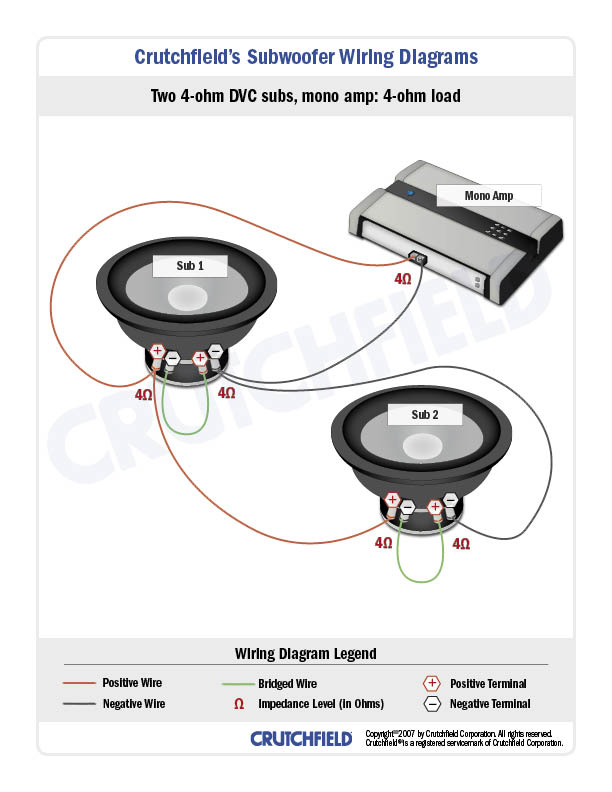
Credit: nilds.gov.ng