Class Ab Vs Class D Amplifiers Sound Quality: Which Is Better?
Class Ab Vs Class D Amplifiers Sound Quality
If you enjoy music or build sound systems, you have likely heard about Class AB and Class D amplifiers. These two types are everywhere—from home theaters to cars and portable speakers. But which one sounds better? And what makes them different? Understanding this can help you choose the right amplifier for your needs.
This article explains the sound quality differences between Class AB and Class D amplifiers in simple words. You will learn how each type works, their strengths and weaknesses, and get real-life examples. Whether you are a beginner or someone curious about audio gear, you will find clear answers here.
What Is An Amplifier?
An amplifier is a device that makes a weak audio signal strong enough to drive speakers. It takes the small output from your phone, computer, or music player and makes it loud and clear. There are many types of amplifiers, but Class AB and Class D are the most popular for music systems.
How Do Class Ab And Class D Amplifiers Work?
Understanding how these amplifiers work helps you see why their sound is different.
Class Ab Amplifiers
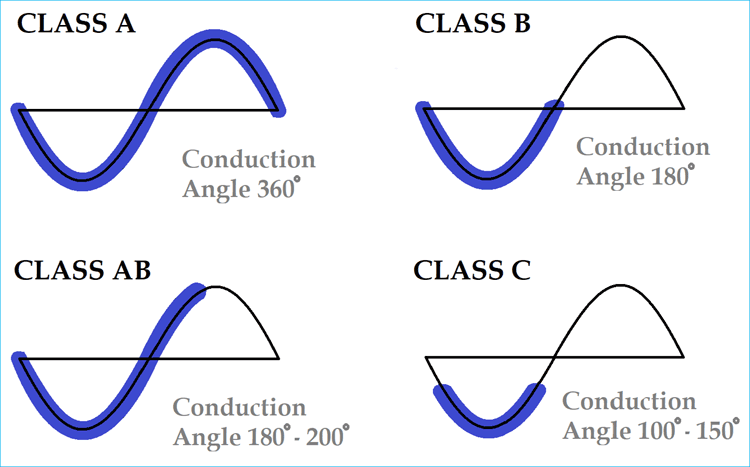
- Use a combination of Class A (always on) and Class B (on half the time) technology.
- Transistors handle the audio signal in a way that reduces distortion but still uses a lot of power.
- Generate more heat because they are not very efficient.
Example: Many high-end home audio receivers and professional studio amps use Class AB technology for its smooth sound.
Class D Amplifiers
- Use a technology called pulse-width modulation (PWM), switching the signal on and off very quickly.
- Are much more efficient—often above 90%.
- Stay cooler and use less power, making them great for portable or battery-powered devices.
Example: Most Bluetooth speakers and car amplifiers today use Class D because they are small, light, and efficient.
Key Differences: Class Ab Vs. Class D
The main differences come down to sound quality, efficiency, and size. The table below gives a quick overview:
| Feature | Class AB | Class D |
|---|---|---|
| Efficiency | 50–70% | 85–95% |
| Heat Output | High | Low |
| Sound Quality | Very Good | Good to Excellent |
| Size | Larger | Compact |
| Price | Moderate to High | Low to Moderate |
Sound Quality: What Does It Mean?
Sound quality is how closely an amplifier reproduces the original audio without adding noise or distortion. It includes:
- Clarity: How clear are the voices and instruments?
- Distortion: Is the sound changed in a bad way?
- Noise: Is there unwanted hum or hiss?
- Frequency response: Does it play both high and low notes accurately?
- Dynamics: Can it handle both loud and soft parts well?
Let’s see how Class AB and Class D compare.

Credit: soundcertified.com
Class Ab Amplifier Sound Quality
Strengths
- Natural, warm sound: Many people describe Class AB amps as smooth and pleasant. This is because their design keeps distortion very low, especially in the mid and high frequencies.
- Good at low volume: Class AB amplifiers sound clean and full even when playing quietly.
- Low distortion: Total harmonic distortion (THD) is usually below 0.05%. That means the music sounds very close to the original.
Example: Many audiophiles prefer Class AB amplifiers for high-fidelity (hi-fi) home systems.
Weaknesses
- Heat: Because they are less efficient, they get hot. This can affect sound if the amp is not cooled properly.
- Size and weight: They are bigger and heavier, making them less practical for portable systems.
- Power draw: They use more electricity, which may matter for long-term use.
Class D Amplifier Sound Quality
Strengths
- High efficiency: Less power is wasted as heat. This means Class D amps can be very small and still sound powerful.
- Clean bass: Modern Class D amps are excellent at delivering strong, clear bass, making them popular for subwoofers and car audio.
- Lighter and smaller: Easy to fit in portable speakers, soundbars, and compact home systems.
Example: The latest Bluetooth speakers and even some high-end home systems now use Class D amplifiers.
Weaknesses
- Early designs had poor sound: Older Class D amps were known for harsh or “digital” sound, especially at high frequencies.
- Switching noise: They can add high-frequency noise if not designed well, but most modern amps use filters to remove this.
- Distortion at high volume: Some cheaper models distort more when played very loud.
Practical Data: Measured Sound Quality
Engineers measure amplifier performance using several key numbers:
- Total Harmonic Distortion (THD): Shows how much the sound is changed. Good Class AB amps have THD around 0.01%–0.05%. Modern Class D amps can also reach 0.01%–0.1%.
- Signal-to-Noise Ratio (SNR): Higher is better—shows how much louder the music is compared to background noise. Both types can reach over 100dB.
- Frequency response: Good amplifiers can handle from 20 Hz (deep bass) up to 20,000 Hz (high treble), the full range of human hearing.
A practical test:
| Amplifier Type | THD (%) | SNR (dB) | Frequency Range (Hz) |
|---|---|---|---|
| Class AB (Yamaha A-S501) | 0.019 | 99 | 20–20,000 |
| Class D (Topping PA5) | 0.005 | 110 | 20–20,000 |
As you can see, modern Class D amplifiers now match or even beat Class AB in some numbers.
Real-world Listening: What Do You Hear?
Numbers are important, but what about real listening? Here’s what most people find:
- Class AB: Very natural and relaxed sound, especially for vocals and acoustic music. Works well for long listening sessions.
- Class D: Punchy and powerful, especially with bass-heavy music. Modern designs sound clean and detailed, but some listeners say they are a bit “clinical” compared to Class AB.
Non-obvious insight: In blind tests, many people cannot reliably hear the difference between a well-designed Class AB and a good modern Class D amplifier. The speaker and the room itself have a bigger effect on sound than the amplifier type.

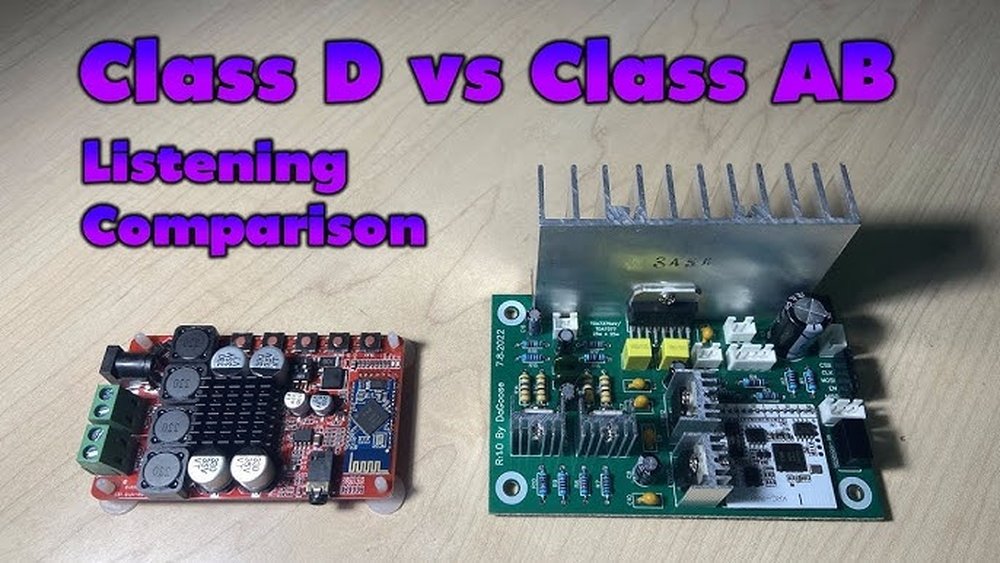
Credit: www.youtube.com
Where Each Amplifier Shines
Best Uses For Class Ab
- Home stereo systems where sound quality matters most
- Studio monitors for music production
- High-end headphone amplifiers
Best Uses For Class D
- Portable speakers and Bluetooth devices
- Car audio systems
- Subwoofers (for deep bass)
- Budget or compact home systems
What Beginners Usually Miss
- Speaker quality matters more: A cheap speaker with a great amp still sounds worse than a great speaker with a basic amp. Focus on speakers first, then match the amp.
- Modern Class D is much better: Many reviews online talk about old Class D designs. Today’s models are much improved, so do not judge based on old opinions.
Credit: www.vxaudio.net
Common Mistakes To Avoid
- Choosing by specs alone: Numbers do not tell the whole story. Listen to both types if you can.
- Ignoring cooling needs: Class AB amps get hot. Make sure they have space and ventilation.
- Overpaying for “audiophile” features: Unless you have high-end speakers and a quiet room, you may not notice the difference between amp types.
Head-to-head: Which Is Better For You?
It depends on your needs:
- Want the absolute best sound for home listening? Class AB is still the choice for many purists.
- Need a small, cool-running amp for a portable or car system? Go with Class D.
- On a budget? Modern Class D amps give excellent value and sound.
But remember, both types can sound great with good design and matched speakers.
Example Brands And Models
- Class AB: Yamaha A-S301, Cambridge Audio CXA61, NAD C316BEE
- Class D: Topping PA5, SMSL AO200, Fosi Audio BT20A
Many companies now offer both types, sometimes even in the same price range.
Comparison: Power, Size, And Heat
Here’s a direct look at how these amps compare for a 100-watt system:
| Type | Physical Size | Weight | Heat Produced | Power Draw |
|---|---|---|---|---|
| Class AB | Large | 10–20 lbs | High | 200–250W |
| Class D | Small | 2–4 lbs | Low | 110–120W |
This shows why Class D is popular for portable or small-space uses.
Future Trends
Technology is always improving. In the past, audiophiles avoided Class D. Today, high-end brands like NAD, Marantz, and even luxury companies use advanced Class D chips for their best products. Expect the differences to get even smaller over time.
For deeper reading, you can check out the engineering behind amplifier classes at the Wikipedia Amplifier Classes page.
Frequently Asked Questions
What Is The Main Difference Between Class Ab And Class D Amplifiers?
The main difference is in how they handle the audio signal. Class AB uses analog components and is less efficient but often praised for natural sound. Class D switches the signal on and off very quickly, making it much more efficient and cooler but sometimes requiring extra filtering for clean sound.
Can Most People Hear The Difference Between Class Ab And Class D?
Most beginners cannot hear a clear difference, especially with modern, well-designed Class D amplifiers. The quality of your speakers and room matters more.
Is Class D Always Better For Portable Speakers?
Yes, Class D is better for portable speakers because it uses less power and stays cooler. That is why most Bluetooth and battery-powered speakers use Class D amplifiers.
Are Class Ab Amplifiers Better For Home Audio?
Many audiophiles and music lovers still prefer Class AB for home audio, especially for critical listening. But modern Class D amps are catching up, and for most people, both can sound excellent.
Do Class D Amps Last As Long As Class Ab Amps?
Yes, if built well, Class D amps can last as long as Class AB. They also run cooler, which can help with long-term reliability.
Class AB and Class D amplifiers each have their place in the audio world. If you want classic, smooth sound for home listening, Class AB is a strong choice. If you need efficiency, portability, and value, Class D is the clear winner.
But with today’s technology, you do not have to sacrifice sound quality with either option. Always match your amplifier to your speakers and your needs for the best results.