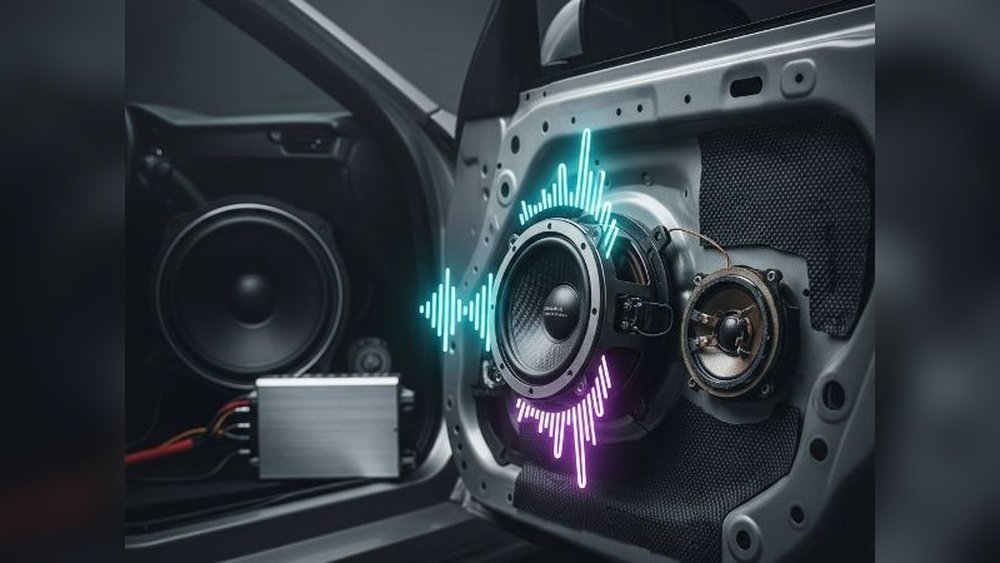
How to Upgrade Stock Car Stereo: Easy Steps for Superior Sound
Are you tired of your car’s stock stereo sounding flat and dull? You don’t have to settle for lackluster audio every time you hit the road.
Upgrading your stock car stereo can transform your driving experience, making every song clearer, richer, and more powerful. But where do you start? Whether you want booming bass, crisp highs, or just better overall sound, this guide will show you simple, smart steps to upgrade your car’s audio without breaking the bank or getting overwhelmed.
Keep reading to discover how you can turn your factory system into a concert on wheels—your ears will thank you.

Credit: www.youtube.com
Assess Your Stock Stereo
Before upgrading your car stereo, assess your stock stereo carefully. Understanding its strengths and weaknesses helps plan your upgrade. This step saves money and improves sound quality effectively.
Check what your current stereo can and cannot do. Test the sound and features. Notice any limits or missing functions. This review guides your upgrade choices.
Identify Limitations
Start by listening to your stereo at different volumes. Notice if the sound is clear or distorted. Pay attention to bass, treble, and midrange balance.
Check if your stereo supports modern inputs like Bluetooth, USB, or AUX. Many stock stereos lack these options. Also, note if the display is small or hard to read.
Look for any issues such as weak volume, poor radio reception, or missing controls. These problems show where upgrades will help most.
Check Speaker Quality
Speakers affect sound quality more than the stereo itself. Listen closely to each speaker in your car. Are voices clear? Does music sound full and rich?
Stock speakers often use cheap materials. They may produce distorted or tinny sound at high volume. Check if any speakers rattle or buzz.
Consider the speaker size and placement. Small or poorly placed speakers limit sound performance. Knowing this helps when choosing replacements.
Evaluate Head Unit Features
The head unit controls your stereo functions. Check what features your stock unit offers. Common features include radio, CD player, and basic equalizer.
Look for modern conveniences like touchscreen controls or smartphone integration. Many older units lack these, limiting your listening experience.
Test the user interface for ease of use. Complex or slow controls can frustrate drivers. Knowing your head unit’s limits helps pick the right upgrade.
Credit: www.dualav.com
Plan Your Upgrade Budget
Planning your upgrade budget is the first step in improving your stock car stereo. It helps you avoid overspending and ensures you get the best sound within your price range. Careful budgeting makes the process smoother and more organized.
Set Priorities
Decide which parts of your car stereo need the most improvement. Focus on speakers, the head unit, or adding an amplifier. Prioritize based on what will give you the biggest sound boost. This keeps your spending focused and effective.
Compare Component Costs
Research prices for different stereo parts online and in stores. Look for quality products that fit your budget. Compare brands and features before buying. This helps you find the best value for your money.
Consider Installation Expenses
Think about the cost of professional installation or tools if you plan to do it yourself. Some upgrades need special wiring or parts. Include these costs in your budget to avoid surprises. Proper installation ensures your system works well and lasts longer.
Replace Or Enhance Head Unit
Replacing or enhancing the head unit is a key step in upgrading your stock car stereo. The head unit controls audio playback and connects to speakers and devices. A better unit can improve sound quality and add modern features. Consider whether to replace the entire unit or add enhancements.
Choose Compatible Units
Select a head unit that fits your car’s make and model. Check the size and mounting type of your current unit. Most cars use single-DIN or double-DIN sizes. Match the wiring harness to avoid complicated rewiring. Confirm compatibility with your car’s power and speaker setup. This helps prevent installation issues and ensures smooth operation.
Explore Features And Connectivity
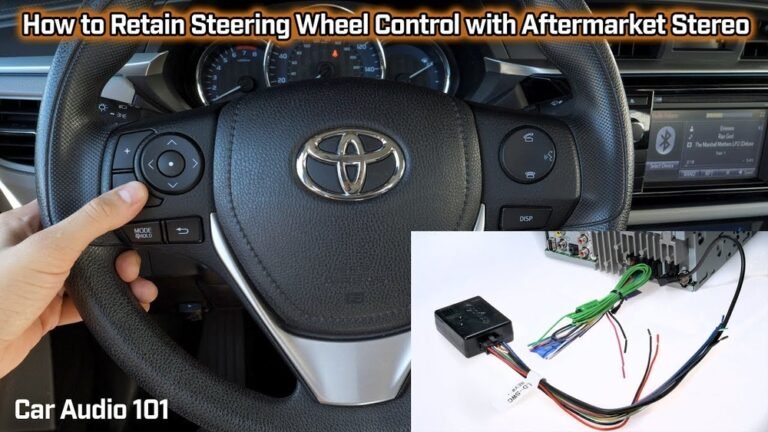
Look for features that suit your needs and budget. Common options include Bluetooth for hands-free calls and music streaming. USB ports allow easy connection of phones and drives. Touchscreen displays give easy access to controls and apps. Some units support Apple CarPlay and Android Auto for seamless phone integration. Consider sound tuning options like equalizers and crossovers for better audio control.
Diy Vs Professional Installation
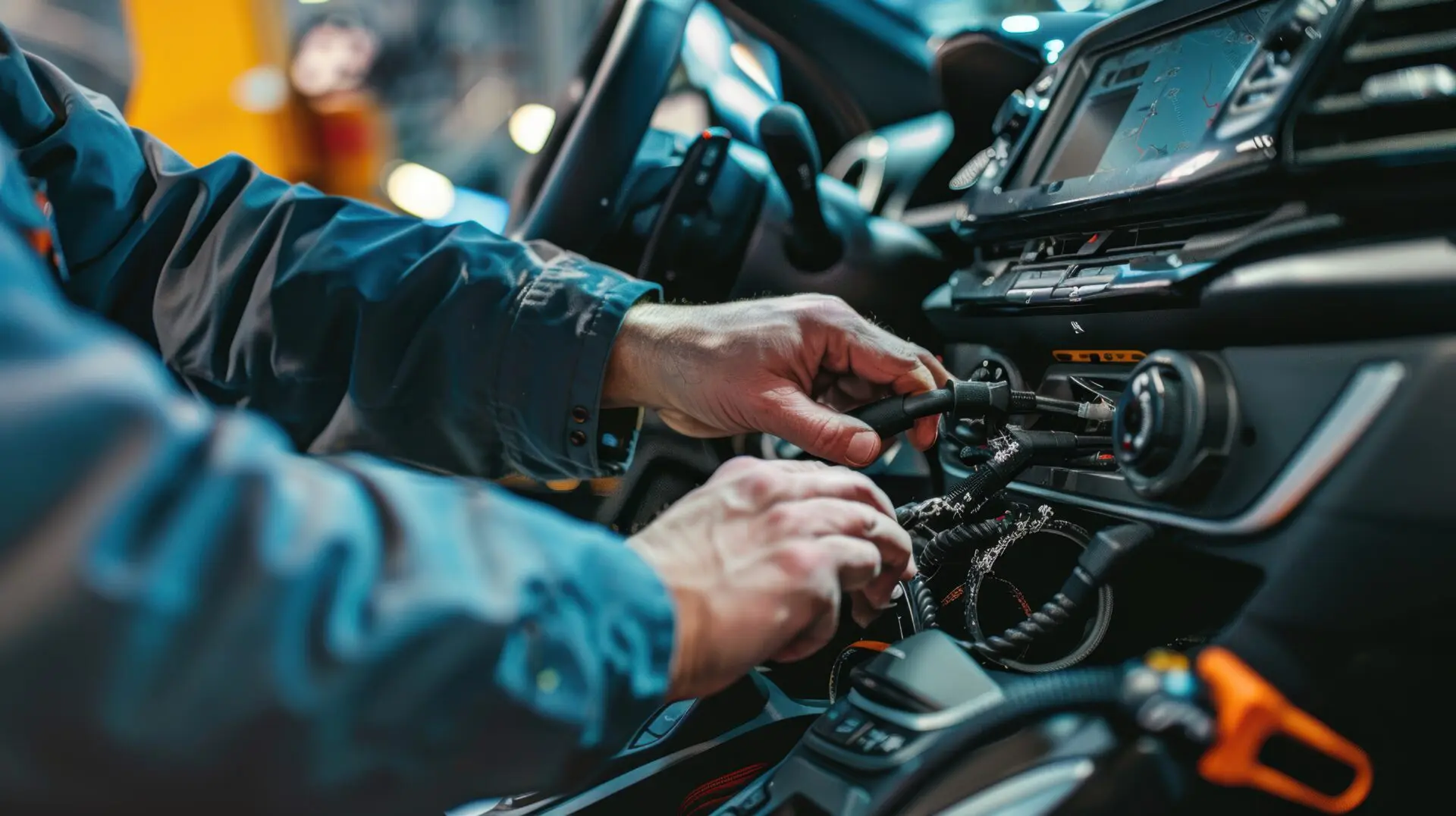
Decide if you want to install the head unit yourself or hire a pro. DIY saves money but requires tools and basic knowledge. Follow instructions carefully to avoid damage. Professional installation costs more but ensures proper fit and wiring. Pros can handle complex systems and integrate factory features. Choose the option that fits your skills and comfort level.
Upgrade Speakers For Clearer Sound
Upgrading your car’s speakers is a great way to improve sound clarity. Stock speakers often lack depth and detail. Replacing them can bring richer music and clearer vocals. This upgrade lets you enjoy your favorite tunes with better quality inside your car.
Select Speaker Types
Choose the right speaker type for your needs. Coaxial speakers combine tweeters and woofers in one unit. Component speakers separate these parts for better sound control. Consider your budget and sound preferences before picking.
Match Speakers To Car Acoustics
Every car has unique sound characteristics. Pick speakers that fit your car’s size and layout. Pay attention to speaker size and power handling. Proper matching reduces distortion and improves overall audio experience.
Install And Test New Speakers
Remove old speakers carefully and install new ones with correct wiring. Secure speakers firmly to avoid vibrations. Test the system by playing different music styles. Adjust settings until sound is clear and balanced.
Add Amplifiers For Power
Adding amplifiers is a smart way to boost your car stereo’s power. Amplifiers increase the audio signal strength, making music louder and clearer. Without an amp, stock stereos often sound weak and flat. Installing the right amplifier improves sound quality and volume significantly.
Understand Amplifier Classes
Amplifiers come in different classes, each with unique traits. Class A amps offer excellent sound but use more energy. Class B amps are more efficient but may cause distortion. Class D amps balance power and efficiency, ideal for car audio. Knowing these classes helps pick the best amp for your needs.
Match Amplifier To Speakers
Speaker and amplifier pairing is crucial. Check speaker power ratings before choosing an amp. Use an amplifier that matches or slightly exceeds speaker power. Too little power causes distortion, too much risks damage. Proper matching ensures clean, strong sound without harming equipment.
Proper Wiring And Placement
Good wiring keeps your amplifier safe and working well. Use quality cables designed for car audio. Keep wiring away from heat and moving parts. Mount the amplifier in a dry, ventilated spot to prevent overheating. Proper setup increases amp lifespan and sound performance.
Include A Subwoofer For Bass
Adding a subwoofer to your car stereo system brings deep, powerful bass. It enhances music by producing low frequencies stock speakers often miss. This upgrade creates a richer, fuller sound that improves your driving experience. A good subwoofer adds impact without distortion, making every song more enjoyable.
Choose Subwoofer Size And Type
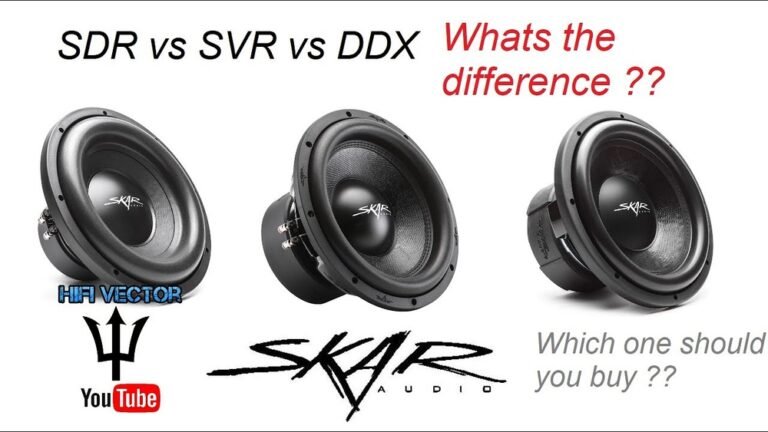
Subwoofers come in different sizes, usually from 8 to 15 inches. Larger subwoofers produce deeper bass but need more space. Smaller ones fit easily but may lack some low-end punch. Choose a size that fits your car and sound needs.
There are two main types: sealed and ported. Sealed subs offer tight, accurate bass. Ported subs deliver louder, booming bass. Think about the music style you listen to when choosing the type.
Positioning For Optimal Bass
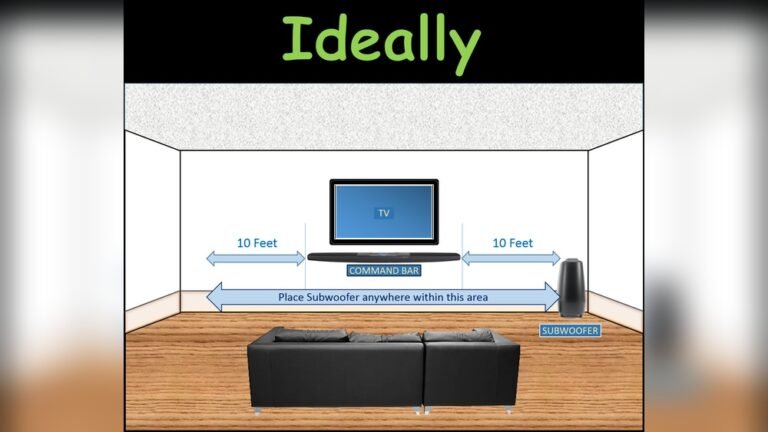
Where you place the subwoofer affects bass quality. Common spots include the trunk, under seats, or rear cargo area. Placing it near a wall or corner can boost bass output.
Test different positions to find the best sound. Make sure the subwoofer is secure to avoid vibrations or noise. Proper placement helps the bass feel balanced and natural.
Tuning Bass Levels
Adjusting bass levels ensures the subwoofer blends well with other speakers. Start with the volume low and slowly increase it. Avoid setting it too high to prevent distortion.
Use the crossover control to set the frequency where the subwoofer starts working. This helps keep sounds clear and prevents overlap with other speakers. Fine-tune bass until the sound feels smooth and powerful.
Improve Acoustic Environment
Improving the acoustic environment in your car is key to a better sound experience. This step helps your upgraded stereo system perform at its best. It reduces unwanted noise and enhances sound clarity. Small changes can make a big difference inside your vehicle.
Apply Sound Deadening Materials
Sound deadening materials block vibrations and echo inside the car. Use mats or foam on doors, floors, and the roof. This stops noise from outside and the car’s frame. It lets your music sound clearer and richer. Many kits are easy to install with basic tools.
Reduce Road Noise
Road noise can drown out your music. Seal gaps in doors and windows to keep noise out. Replace old weather stripping for a tighter fit. Tires also affect noise levels; choose quieter models if possible. Less road noise means you can listen at lower volumes with better sound quality.
Optimize Speaker Placement
Speaker placement affects how sound travels in your car. Position speakers where sound reaches your ears directly. Avoid placing speakers too low or blocked by seats. Adjust angles to reduce echoes and balance bass and treble. Proper placement creates a more natural and full sound stage.
Fine-tune Audio Settings
Fine-tuning your car stereo’s audio settings helps get the best sound possible. After upgrading hardware, adjusting settings improves clarity and balance. Small tweaks can greatly enhance your listening experience. Focus on the equalizer, filters, and signal processing. Testing with different music types ensures your setup sounds great in all conditions.
Adjust Equalizer And Filters
The equalizer (EQ) lets you control bass, midrange, and treble. Raise or lower frequencies to match your preference and car acoustics. Use filters to remove unwanted sounds or reduce distortion. Start with flat settings, then adjust slowly. Avoid boosting too much, which can cause speaker damage. Aim for clear, natural sound across all frequencies.
Use Digital Signal Processors
Digital Signal Processors (DSPs) improve sound by managing audio signals precisely. They help correct timing and phase differences between speakers. DSPs also optimize crossover points for better speaker performance. Many car stereos have built-in DSP features. External DSP units provide more control and better results. Use DSPs to create a balanced and immersive soundstage.
Test Sound With Different Music
Play various music genres to evaluate your settings. Rock, jazz, and classical music highlight different sound aspects. Listen for clarity, bass response, and vocal quality. Adjust settings based on what you hear. Testing with diverse tracks ensures your system sounds good for every type of music. Take your time and make small changes for the best outcome.
Maintain And Upgrade Over Time
Maintaining and upgrading your stock car stereo over time keeps your sound system fresh and enjoyable. Car audio technology changes quickly. Regular care and gradual upgrades help you enjoy better sound without a full replacement. Small improvements add up to a much better listening experience in your car.
Regular System Checks
Check your stereo system often for any issues. Test the speakers and wiring to catch problems early. Clean the connections to avoid static or dropouts. Listening for distortion or weak sound helps spot speaker damage. Keep the stereo unit dust-free to ensure smooth operation.
Upgrade Components Gradually
Start with one part of your system at a time. Replace the head unit first for better controls and features. Next, upgrade your speakers to improve sound clarity. Add an amplifier to boost power and volume. Consider a subwoofer last to enhance bass response. Step-by-step upgrades spread out costs and make installation easier.
Stay Updated With Technology
New car audio technologies appear all the time. Look for Bluetooth or Apple CarPlay features to add convenience. Digital Signal Processors improve sound tuning options. Wireless charging and smartphone integration also enhance the experience. Keep your system compatible with your devices by updating firmware or swapping parts.

Credit: laketownspeedandsound.com
Frequently Asked Questions
How To Upgrade A Factory Car Stereo?
Upgrade a factory car stereo by replacing the head unit first, then add quality speakers, an amplifier, and a subwoofer. Use sound deadening materials to improve acoustics. Adjust settings to optimize sound quality.
How Do I Make My Stock Stereo Sound Better?
Upgrade your stock stereo by adding a quality amplifier, replacing factory speakers, installing a subwoofer, using a digital signal processor, and applying sound deadening materials. These improvements enhance clarity, bass, and overall audio performance without replacing the entire system.
How To Get Subs To Hit Harder?
Add a quality amplifier to boost power. Use a subwoofer with higher wattage. Adjust crossover settings and bass boost for deeper, harder hits. Ensure tight speaker connections and consider sound deadening for better bass response.
Can You Add An Amp To A Stock Stereo?
Yes, you can add an amplifier to a stock stereo to improve sound quality and volume. Ensure compatibility before installation.
Conclusion
Upgrading your stock car stereo can improve your driving experience. Small changes can make a big difference in sound quality. Start with simple upgrades like new speakers or an amplifier. Test settings to find what sounds best to you. Remember, patience helps you get the most from your system.
Enjoy clearer, richer music every time you drive. Take your time and enjoy the process of upgrading. Your car’s audio can sound much better with these steps.