What is a Passive Subwoofer: Complete Guide for Beginners
What Is A Passive Subwoofer
Many people want better sound for their music or home theater. But the world of speakers can be confusing. One common question is: What is a passive subwoofer? If you’re new to audio, this article will help you understand the basics, how passive subwoofers work, and when you might want one.
A subwoofer is a special speaker that plays low-frequency sounds, like deep bass in music or explosions in movies. These sounds are hard for regular speakers to handle. Subwoofers make the audio experience more powerful and realistic. There are two main types: passive subwoofers and active (powered) subwoofers. Each has its own advantages and uses.
Passive Subwoofer: The Basics
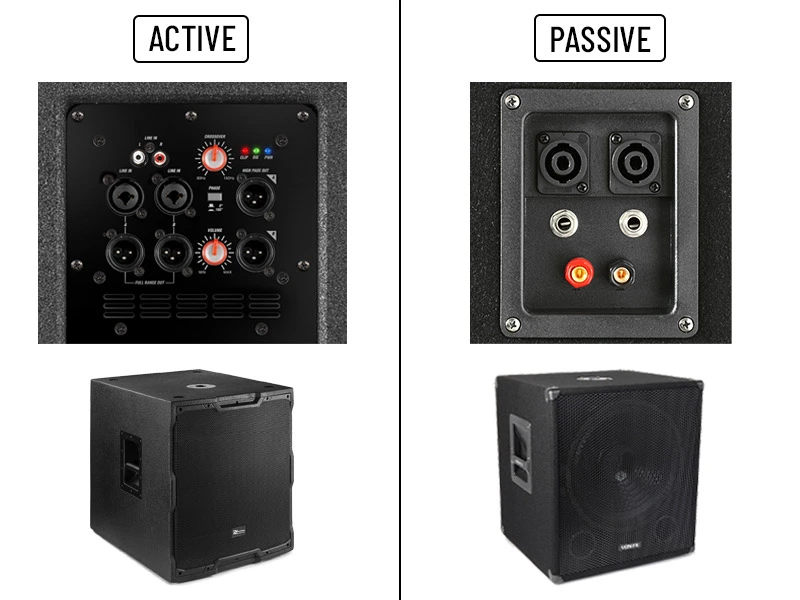
A passive subwoofer is a speaker that needs an external amplifier to work. Unlike active subwoofers, it doesn’t have its own built-in power. You connect it to an amp, which sends the right amount of electricity to make it play bass.
Key Features
- No built-in amplifier
- Needs a separate amp or receiver to work
- Simple design, usually just a speaker box and driver
Passive subwoofers are often used in custom setups, car audio, and some older home theater systems. Many beginners confuse passive with active subwoofers, so let’s break down the difference.
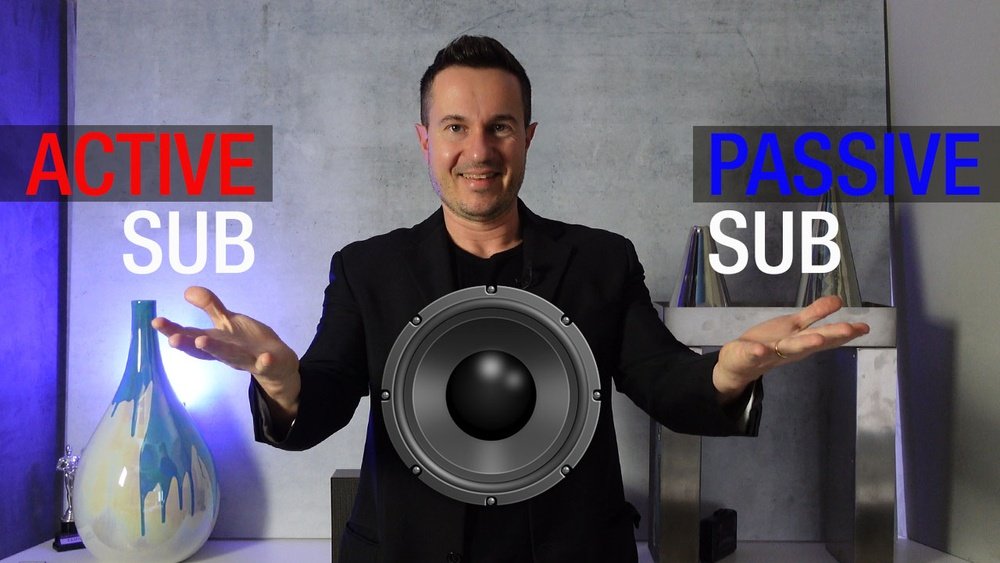
Passive Vs Active Subwoofer
Understanding the difference is important for choosing the right speaker.
| Feature | Passive Subwoofer | Active Subwoofer |
|---|---|---|
| Amplifier | External required | Built-in |
| Setup Complexity | Medium to High | Easy |
| Flexibility | High | Medium |
| Power Source | Needs amp connection | Standard power outlet |
| Price Range | $50-$300 | $100-$700 |
- Active subwoofers are easier for beginners because you just plug them in and connect to your sound system.
- Passive subwoofers are more flexible. You can choose your amplifier and match it to your needs.
Credit: electromarket.co.uk
How Does A Passive Subwoofer Work?
A passive subwoofer is like any other speaker, but it focuses on deep bass. Here’s how it works:
- The subwoofer is connected to an external amplifier.
- The amplifier sends power and audio signals to the subwoofer.
- The subwoofer converts the signals into sound, focusing on frequencies below 200 Hz (the deep bass).
- The box design helps to boost bass and reduce distortion.
Most passive subwoofers use a woofer driver (a round speaker) inside a box. The size and design of the box affect how strong and clear the bass sounds.
Example Setup
Imagine you have a home theater. You buy a passive subwoofer and connect it to your AV receiver’s “subwoofer out” port. The receiver acts as the amplifier. You adjust the sound to get the bass you like.
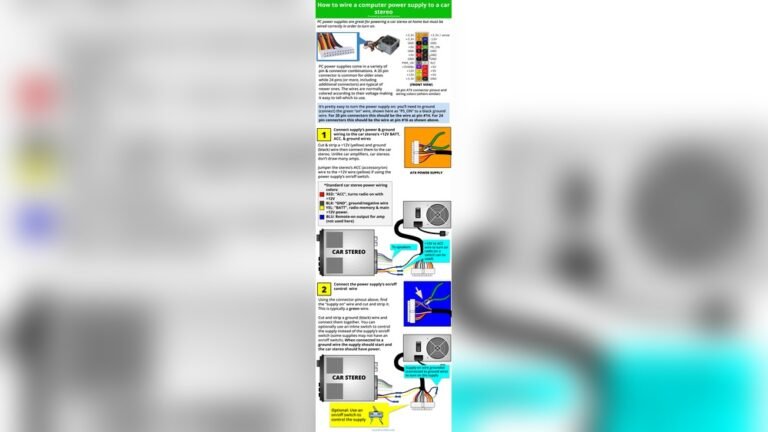
- Speaker wire connects the subwoofer to the receiver.
- The receiver sends bass signals only, so your subwoofer doesn’t play mid or high sounds.
Why Choose A Passive Subwoofer?
There are several reasons people choose passive subwoofers:
1. Customization
You can choose your amplifier and match the power to your room and listening style.
2. Upgrade Options
Easier to upgrade your system. You can switch out the amp or subwoofer separately.
3. Cost Control
Passive subwoofers can be cheaper than powered ones, especially if you already have an amp.
4. Space Saving
No need for extra power sockets or big boxes.
Practical Data
- Most passive subwoofers are 8 to 15 inches in diameter.
- Typical power requirements: 100–500 watts RMS (continuous power).
- Frequency range: 20 Hz–200 Hz.
Common Uses Of Passive Subwoofers
Passive subwoofers are popular in several areas:
- Car Audio Systems
Many car subwoofers are passive. You use an amp in the car to drive them.
- Custom Home Theater
Audio enthusiasts often build their own setups with passive subs for precise control.
- Large Venues
Concert halls and clubs use passive subs because they can handle high power and are easy to replace.
- Older Home Systems
Many older receivers and systems are designed for passive subs.
Setting Up A Passive Subwoofer
Beginners can find setup tricky. Here’s a step-by-step guide:
1. Check Compatibility
Make sure your amplifier or receiver can handle the subwoofer’s power needs.
2. Find The Right Spot
Place the subwoofer near a wall or corner for stronger bass.
3. Connect Speaker Wire
Use thick wire (14–16 gauge) for best signal quality.
4. Adjust Settings
Set crossover frequency on your amp or receiver. Usually, 80–120 Hz is ideal.
5. Test Sound
Play music or movies with deep bass. Adjust volume and settings for clear, punchy sound.
Common Mistakes
- Using a weak amplifier. If the amp can’t deliver enough power, the bass will sound weak.
- Bad placement. If you put the subwoofer in the middle of the room, bass may be thin.
- Wrong crossover setting. Too high and the subwoofer will play mid sounds; too low and you lose bass.
Passive Subwoofer Specifications Explained
When shopping for a passive subwoofer, you’ll see many numbers. Here’s what they mean:
| Specification | What It Means | Why It Matters |
|---|---|---|
| Power Handling (Watts) | How much power it can take | Match with amplifier |
| Impedance (Ohms) | Resistance to electricity | 4 or 8 ohms common |
| Frequency Response | Range of bass it plays | Lower is deeper bass |
| Sensitivity (dB) | How loud for given power | Higher is better |
Example
A subwoofer rated at 300 watts RMS, 8 ohms, 20–200 Hz, and 88 dB sensitivity is good for most living rooms.
Passive Subwoofer Box Types
The type of box affects sound quality. There are three main designs:
1. Sealed Box
Airtight enclosure. Tight, accurate bass. Needs more power.
2. Ported Box
Has a hole or port. Louder, deeper bass. Good for movies and dance music.
3. Bandpass Box
Complex design. Strong bass in a narrow range. Used in cars.
Practical Tips
- For home theater, sealed boxes are best for clarity.
- For car audio, ported boxes give more thump.
- Avoid bandpass unless you know exactly what you want.

Credit: www.youtube.com
Passive Subwoofer Integration
Connecting a passive subwoofer to your system takes planning. Here’s what you need:
- Amplifier or AV Receiver with a subwoofer output.
- Speaker wire of the right thickness.
- Crossover (sometimes built into the amp) to send only bass frequencies.
Example Home Theater Setup
Let’s say you have a Yamaha AV receiver with a subwoofer out. You connect an 8-inch passive subwoofer using 14-gauge wire. Set the crossover at 100 Hz. Place the subwoofer near a corner. You get clear, strong bass for movies.
Passive Subwoofer Vs Powered Subwoofer: Which Is Better?
Choosing between passive and powered depends on your needs.
| Factor | Passive Subwoofer | Powered Subwoofer |
|---|---|---|
| Installation | Needs amp, wiring | Plug and play |
| Customization | High | Low |
| Upgrade Path | Easy | Limited |
| Cost | Lower if amp exists | Higher |
| Sound Quality | Depends on amp | Consistent |
- If you’re a beginner and want quick setup, choose a powered subwoofer.
- If you want to build your own system, and you already have an amp, passive is a smart choice.

Credit: www.reddit.com
Non-obvious Insights For Beginners
Many new users don’t realize:
- Amp Matching Matters
The amp must match the subwoofer’s power and impedance. If not, you risk damage or bad sound.
- Room Placement Is Critical
Bass can change a lot depending on where you put the subwoofer. Corners boost bass, while open spaces weaken it.
- Crossover Tuning Is Key
Setting the right crossover point (usually between 80–120 Hz) prevents the subwoofer from playing midrange sounds. This keeps the sound clear.
Pros And Cons Of Passive Subwoofers
Here’s a summary of the benefits and drawbacks:
Pros
- Flexible setup
- Lower cost if you have an amplifier
- Customizable sound
- Easy to upgrade
Cons
- Complicated installation for beginners
- Needs external amp
- More wiring
- No built-in volume control
Real-world Examples
- Many car audio fans use passive subwoofers to get deep bass with custom amps.
- Some home theater builders use passive subs to match their room size and power needs.
- In large venues, passive subs are connected to big amplifiers for strong, reliable bass.
Frequently Asked Questions
What Is The Difference Between Passive And Powered Subwoofers?
Passive subwoofers need an external amplifier. Powered subwoofers have a built-in amplifier. Powered subs are easier to set up, while passive subs offer more customization.
Can I Use A Passive Subwoofer With Any Receiver?
No. Your receiver must have enough power and a subwoofer output. Check the specs for impedance and wattage to avoid damage.
How Do I Connect A Passive Subwoofer?
You use speaker wire to connect it to the amplifier or receiver. Make sure to use the subwoofer output and set the crossover frequency.
Are Passive Subwoofers Better For Car Audio?
Yes. Most car subwoofers are passive. They allow you to choose your own amplifier and get the bass you want.
What Power Rating Should I Look For In A Passive Subwoofer?
Look for RMS power that matches your amplifier. For home use, 100–300 watts RMS is typical. For cars or big rooms, you may need more.
Passive subwoofers give you control, flexibility, and the chance to build your perfect sound system. They need more setup than powered subs, but you can customize every part. If you’re ready to learn and experiment, passive subwoofers can be a great choice. For more technical details, visit the Wikipedia Subwoofer page.