How to Run Power Wire from Battery to Amp: Step-by-Step Guide
Running power wire from your car’s battery to an amplifier is a crucial step for great car audio. Many beginners worry about safety, wire size, and how to do the job right. If you use the wrong wire or make a mistake, you might damage your system or even cause a fire.
But with the right guide, this task becomes simple, safe, and reliable. Here, you’ll learn every important step, what tools to use, and how to avoid problems. Let’s get started so your amp gets the power it needs for amazing sound.
Why Proper Power Wire Installation Matters
Getting power to your amp isn’t just about connecting a wire. The way you do it affects:
- Audio quality: Inconsistent power means weak sound or distortion.
- Safety: Bad wiring can cause shorts, fires, or damage to electronics.
- System reliability: Correct installation helps your gear last longer.
Many beginners miss one key fact: the power wire must be thick enough for your amp, and the fuse must be close to the battery. Skipping these can lead to dangerous situations.
Tools And Materials You’ll Need
Before you start, gather these essentials:
- Power wire (usually 8, 4, or 0 gauge, depending on amp size)
- Ground wire (same gauge as power wire)
- Fuse holder and fuse
- Wire cutters/strippers
- Crimp connectors
- Electrical tape
- Zip ties
- Drill (if you need to make a hole in the firewall)
- Grommet (to protect wire from sharp metal)
- Screwdriver
- Multimeter (for checking voltage and connections)
Example: Typical Wire And Fuse Sizes
| Amp Power (Watts RMS) | Recommended Wire Gauge | Fuse Size (Amps) |
|---|---|---|
| Up to 400W | 8 gauge | 40A |
| 400W – 1000W | 4 gauge | 60A–100A |
| 1000W+ | 0 gauge | 150A+ |
Tip: Always round up on wire size. Thicker is safer and gives better performance.

Credit: www.youtube.com
Planning Your Wiring Route
Before touching any wires, plan your route. This makes installation easier and avoids mistakes.
- Find the shortest, safest path from the battery to the amp.
- Avoid hot engine parts or moving parts like pedals.
- Keep power and signal wires separate to reduce noise (run them on opposite sides of the car).
- Look for factory grommets in the firewall. If you can’t find one, you may need to drill a new hole.
Running the wire under the car carpet, along the door sills, is common. Use zip ties to keep it secure.
Common Mistakes In Planning
- Placing power wire near speaker wires (causes buzzing or engine noise)
- Letting the wire touch sharp metal (cuts insulation, causes shorts)
- Forgetting to leave slack for connections
How To Run Power Wire From Battery To Amp: Step-by-step
Let’s break down the key steps, from start to finish. Read each carefully to avoid missing important details.
1. Disconnect The Battery
First, disconnect the negative terminal on your battery. This prevents sparks or accidental shorts. Never work on car wiring with the battery connected.
2. Measure And Cut The Power Wire
- Run the wire from the battery, through the firewall, along your planned path, to the amp location.
- Leave a little extra at each end.
- Cut to length.
Important: Don’t cut too short. Extra wire gives flexibility for clean connections.
3. Install The Fuse Holder
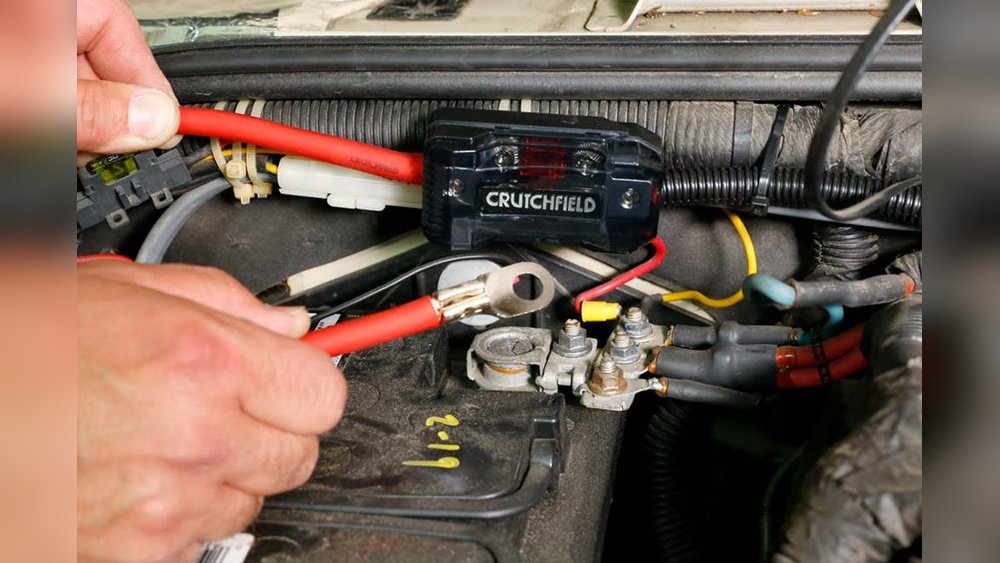
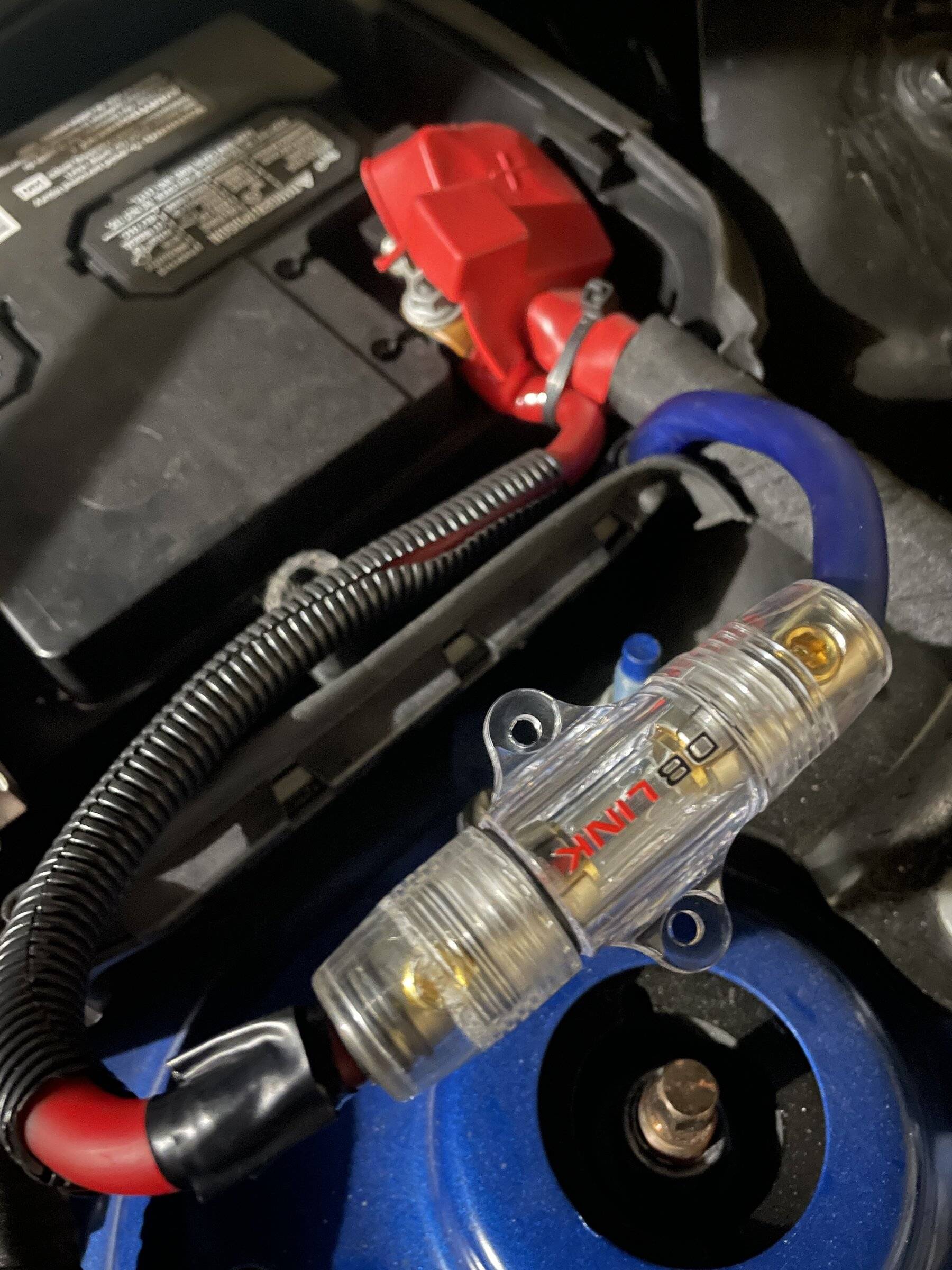
The fuse protects your car if there’s a short. It must be installed within 18 inches of the battery—closer is better.
- Cut the power wire near the battery end.
- Strip insulation and insert into the fuse holder.
- Crimp or solder the connection.
- Insert the correct fuse size.
If you forget this step or put the fuse too far from the battery, a short could set the wire on fire.
4. Pass The Wire Through The Firewall
- Find a safe spot to pass the wire through the firewall.
- If you use an existing grommet, make a small hole for the wire.
- If you drill a new hole, add a grommet to protect the wire from sharp metal edges.
Tip: Use a wire coat hanger to pull the wire through tight spots.
5. Route The Wire To The Trunk Or Amp Location
- Tuck the wire under carpet or trim panels.
- Use zip ties to keep it in place.
- Avoid pinching or bending the wire sharply.
Example: In a sedan, routing along the driver’s side under the door sills is common.
6. Connect The Wire To The Amplifier
- Strip the end of the power wire.
- Insert into the amp’s +12V power terminal.
- Tighten the set screw or clamp.
Make sure the wire is firmly secured. Loose connections can cause heat buildup or poor sound.
7. Connect The Ground Wire
A good ground is just as important as the power wire.
- Use the same gauge as your power wire.
- Connect to bare metal on the car’s chassis (sand off any paint for a solid connection).
- Keep the ground wire as short as possible (under 18 inches).
Fact: Poor grounds cause 70% of car audio noise problems.
8. Final Checks And Reconnection
- Double-check all connections.
- Make sure wires are secure and away from moving parts.
- Reconnect the battery negative terminal.
- Test your system before closing everything up.

Credit: www.youtube.com
Comparing Wire Types And Brands
Not all power wires are equal. Some brands use less copper and more aluminum, which reduces performance.
| Wire Type | Copper Content | Flexibility | Cost |
|---|---|---|---|
| OFC (Oxygen-Free Copper) | 99.9% copper | High | Higher |
| CCA (Copper-Clad Aluminum) | 60% copper, 40% aluminum | Medium | Lower |
Recommendation: Choose OFC wire for best reliability and lowest resistance.
Practical Example: Installing A 600w Amp
Let’s say you have a 600W RMS amp in a compact car.
- Wire gauge: 4 gauge (safe for up to 1000W)
- Fuse size: 60A
- Wire length: Usually 15–20 feet, depending on car size
- Ground: 4 gauge, bolted to chassis near amp
This setup gives reliable performance and room for future upgrades.
Avoiding Common Installation Mistakes
Many beginners make these errors, which can cause big problems:
- Using too small wire: Causes voltage drop, weak sound, or wire overheating.
- Skipping the fuse: No fuse means a short can melt wires or start a fire.
- Bad ground: Loose or painted ground points cause buzzing or amp shutdown.
- Poor routing: Wire near hot parts can melt insulation, causing shorts.
- Not testing: Always check voltage at the amp before closing panels.
Pro tip: After installation, turn on your system and check for engine whine or loss of power when volume is high. This points to power or ground problems.
Cost Breakdown For A Typical Install
What should you budget for wiring parts? Here’s a typical cost comparison.
| Item | Low-End | High-End |
|---|---|---|
| Power Wire Kit (4 gauge, 20ft) | $20 | $60 |
| Fuse Holder & Fuse | $8 | $25 |
| Grommet | $2 | $10 |
| Zip Ties, Tape, Connectors | $5 | $15 |
Total estimate: $35–$110 (higher cost means better-quality copper wire and hardware).
Safety Best Practices
Never skip these critical safety steps:
- Always disconnect the battery before working.
- Use a fuse close to the battery—never skip it.
- Never use household wire (it’s not flexible or rated for cars).
- Double-check all connections before powering up.
- Use a multimeter to verify voltage at the amp.
Non-obvious tip: If your amp has a “protect” light, and it turns on after wiring, double-check your ground and fuse first—these are the most common causes.
Troubleshooting Power Wire Problems
If your amp isn’t working after installation, check these areas:
- No power: Check fuse, battery connection, and amp’s power terminal.
- Amp shuts off: Check ground wire and ensure wire gauge is correct.
- Noise in speakers: Move power and RCA wires further apart.
- Fuse blows instantly: Look for shorts—exposed wire touching metal.
Most issues come from rushing or skipping steps, so slow down and check each connection.
When To Get Professional Help
If you’re not confident, or your car has complex electronics (like newer luxury models), consider asking a pro installer. They can ensure safe, clean wiring and avoid warranty issues. But for most cars, following these steps works well for beginners.
Frequently Asked Questions
How Do I Choose The Right Gauge Power Wire For My Amp?
Match the wire gauge to your amp’s total RMS wattage and the distance from the battery. Use thicker wire for higher power and longer runs. For example, 8 gauge is good up to 400W and 15 feet; 4 gauge for up to 1000W.
Where Should I Place The Fuse On The Power Wire?
Install the fuse holder within 18 inches of the battery, as close as possible. This protects your car if the wire shorts near the battery.
Can I Run Power Wire And Rca Cables Together?
It’s best to keep power wire and RCA cables apart. This prevents noise from entering your audio system. Run them on opposite sides of the car if possible.
What Is The Best Spot For The Ground Wire?
Connect the ground wire to bare metal on the car’s chassis. Remove all paint at the contact point. Keep the wire as short as possible, under 18 inches.
Do I Need A Relay Or Special Switch For The Amp?
Most car amps have a remote turn-on wire. You do not need a relay for the main power wire. Just connect the amp’s remote wire to your head unit’s remote output.
Running power wire from battery to amp is a skill every car audio fan can learn. With careful planning, the right materials, and attention to detail, you’ll get the best sound and protect your car at the same time. If you want to dive deeper, check out guides at Crutchfield for more examples and tips. Enjoy your new system—safe, powerful, and ready to impress.
Credit: www.mustang6g.com