Is It Normal for an Amp to Get Hot? Expert Guide & Solutions
Is It Normal For An Amp To Get Hot
Guitarists, audiophiles, and anyone who loves music often wonder: is it normal for an amp to get hot? If you touch your amp after playing for a while and feel heat, you might worry something is wrong. The good news is, in most cases, a warm amp is part of normal operation. But how hot is too hot? When does heat signal a problem?
Understanding why amps get hot, what temperature is safe, and how to keep your amp healthy can help you avoid costly damage. Let’s break down everything you need to know, step by step, in simple language.
Why Do Amps Get Hot?
All amps—whether for guitars, speakers, or cars—produce heat when they work. This is due to basic electrical principles:
- Electricity flows through parts called transistors, tubes, or chips.
- These parts resist the flow a bit, turning some power into heat.
- Larger amps or louder volumes = more power = more heat.
Types Of Amps And Their Heat
Different amps run at different temperatures. Here’s a quick look:
| Type of Amp | Typical Operating Temp (°F) | Notes |
|---|---|---|
| Solid State (Transistor) | 100–140°F (38–60°C) | Cooler, efficient |
| Tube (Valve) | 140–180°F (60–82°C) | Hotter, tubes glow |
| Car Amplifier | 100–160°F (38–71°C) | Varies by install |
If your amp feels warm but not burning, it’s usually normal.
How Hot Is Too Hot?
Feeling warmth is fine, but excess heat can mean trouble.
- If you can touch the amp for a few seconds without pain, it’s likely okay.
- If it’s too hot to touch, or smells like burning, there’s a risk.
Most electronics are rated for up to 185°F (85°C). Regularly running above this can damage components.
Signs Your Amp Is Overheating
Watch for these warnings:
- The amp shuts down or goes into “protect” mode.
- Distorted or weak sound.
- The outer case is painful to touch.
- You smell plastic or burnt odor.
If you notice these, turn off your amp and let it cool down.
Why Do Some Amps Get Hotter Than Others?
Not all amps heat up the same way. Here’s why:
- Design: Tube amps run hotter than solid-state.
- Power Output: High-watt amps make more heat.
- Ventilation: Poor airflow traps heat inside.
- Load: Driving big speakers or heavy bass increases work.
Practical Example
A 100-watt solid-state amp at moderate volume may only feel slightly warm. But a 50-watt tube amp at the same volume could feel much hotter, due to the tubes inside.
Is It Safe For An Amp To Run Hot?
Warm operation is fine, but excessive heat is not. Most manufacturers design amps to handle normal heat. Problems start when:
- Fans or vents are blocked.
- The amp is in a small, closed space.
- You push the amp at full power for a long time.
Common Mistake
Many beginners put their amp in a tight space, like a shelf or car trunk, with little air around it. This traps heat and raises risk of failure.
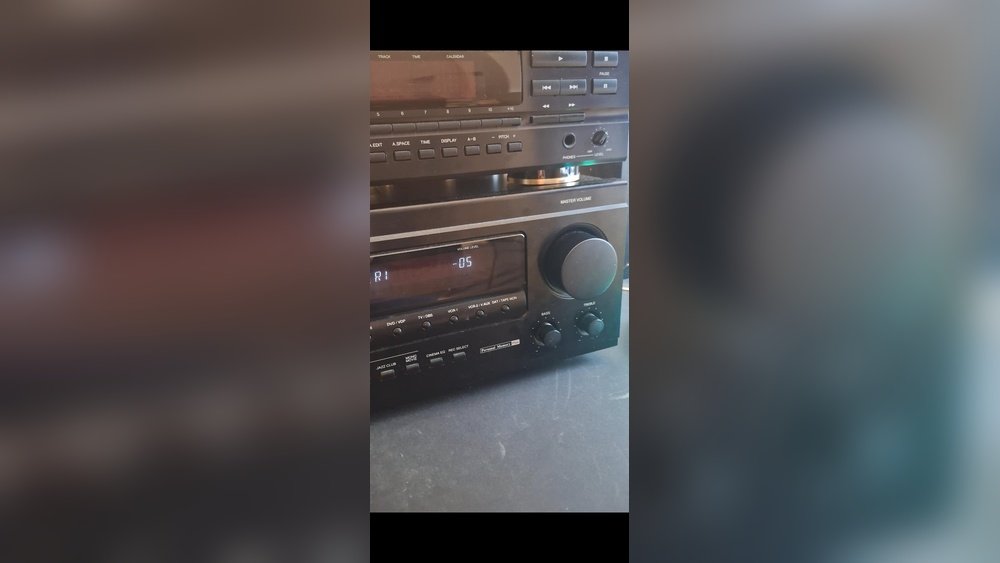
Credit: www.reddit.com
How To Measure Amp Temperature
You don’t need fancy tools. You can:
- Touch test: If you can keep your hand on it for a few seconds, it’s not too hot.
- Infrared thermometer: For more accuracy, point and read.
- Built-in sensors: Some modern amps display temperature.
Safe Temperature Ranges
| Situation | Temperature | Action |
|---|---|---|
| Warm to touch | 100–140°F (38–60°C) | Normal, safe |
| Hot, but touchable | 140–160°F (60–71°C) | Monitor, allow air flow |
| Too hot to touch | Above 160°F (71°C) | Reduce use, improve cooling |
What Causes Excess Heat In Amps?
Several issues can make an amp run hotter than normal:
- Blocked vents: Dust or objects blocking airflow.
- High impedance load: Using wrong speakers or cables.
- Faulty parts: Old tubes, failing transistors, bad fans.
- Overdriving: Playing at max volume for long sessions.
Example
If you run a car amplifier in the trunk with clothes or bags around it, airflow drops. The amp heats up fast, and may shut down to protect itself.
How To Keep Your Amp Cool
Preventing overheating is simple with a few habits:
- Leave space around the amp for air to flow.
- Clean vents and fans regularly.
- Avoid covering the amp with cloth or objects.
- Use the right speakers and cables for your amp’s rating.
- Don’t max out volume for long periods.
Extra Tips
- For tube amps, let them warm up and cool down gently—sudden on/off can shorten tube life.
- In hot climates, consider a small fan or air-conditioned room.
What Happens If An Amp Overheats?
Heat is the enemy of electronics. If an amp overheats often:
- Solder joints weaken and can break.
- Transistors and tubes fail sooner.
- Sound quality drops—distortion, noise, or silence.
- Warranty can be voided if damage is due to poor setup.
Some amps have “thermal protection” circuits. These automatically shut down the amp if it gets too hot, preventing fire or further damage.

Credit: www.reddit.com
Is There A Difference Between Short-term And Long-term Heat?
Yes, and it matters.
- Short-term heat (after a loud session) is less harmful if the amp cools down quickly.
- Long-term high heat (amp always hot) causes slow damage.
Comparison: Short Vs Long-term Heat
| Heat Duration | Effect on Amp |
|---|---|
| Short bursts (minutes) | Usually harmless |
| Long sessions (hours/days) | Component wear, early failure |
If you play often, let your amp rest and cool between sessions.
How To Tell If Your Amp’s Heat Is A Problem
Don’t rely on feel alone. Check for:
- Sound changes: Crackling, cutting out, or weak volume.
- Visual signs: Warped parts, discoloration, or melted plastic.
- Automatic shutdowns: Amp turns off by itself.
If any of these happen, stop using the amp and get it checked by a technician.
When To Worry (and What To Do)
If your amp is hotter than usual or shows warning signs:
- Turn off the amp and unplug it.
- Let it cool for at least 30 minutes.
- Check vents and space—clear anything blocking airflow.
- Test at low volume after cooling.
- If the problem continues, consult a repair expert.
Ignoring overheating risks permanent damage.
Common Myths About Amp Heat
Let’s clear up some misunderstandings:
- Myth: All hot amps are broken.
- Fact: Some heat is normal, especially with tube amps.
- Myth: More power means less heat.
- Fact: Higher watt amps often run hotter.
- Myth: Cooling fans are always needed.
- Fact: Many amps are designed to cool naturally if not blocked.
Knowing real facts helps you care for your gear better.
Pro Tips For Long Amp Life
- Use surge protectors to avoid electrical spikes.
- Service tube amps every 1-2 years—tubes wear out.
- Keep amps dry; moisture plus heat is a bad mix.
- Label your cables and ports to avoid wrong connections.
Expert Insight: What Do Manufacturers Say?
Amp makers like Yamaha, Fender, and Marshall provide guidelines:
- Tube amps can get hot enough to burn if touched directly.
- Solid-state amps stay cooler, but still need airflow.
- Car amps installed under seats or in trunks should always have open space.
For more, see this detailed guide from Wikipedia.

Credit: www.reddit.com
Frequently Asked Questions
Why Does My Amp Feel Warm Even When Not In Use?
Some amps have standby modes that keep parts powered for instant use. This can cause mild warmth. If the amp is hot when fully off, there may be a wiring problem.
Can A Hot Amp Cause A Fire?
While rare, severe overheating and electrical faults can start fires. Proper ventilation and safe wiring reduce this risk. If you smell burning, turn off and unplug the amp immediately.
How Can I Cool My Amp Without A Fan?
Simple steps help:
- Place the amp in open space.
- Avoid stacking gear on top.
- Clean dust from vents.
Fans are helpful, but not always required for basic setups.
Is It Normal For Tube Amps To Glow And Get Hot?
Yes. Tube amps glow as a normal part of their operation and run hotter than solid-state amps. Just avoid touching the tubes or metal parts when in use.
Should I Worry If My Car Amp Is Hot After A Long Drive?
Warmth is normal, but if the amp is too hot to touch, check for blocked airflow, overpowered speakers, or loose wires. High heat for long drives can shorten amp life—improve cooling where possible.
Taking care of your amp means understanding its normal heat and acting quickly if something seems off. With the right setup and habits, your amp can give you years of great sound without overheating worries.