
Single Cab Sound System Setup for Maximum Audio Experience Guide
Single Cab Sound System Setup For Maximum Audio Experience
Music makes driving more enjoyable, especially in a single cab truck. But many owners feel disappointed with their factory audio. The sound is often weak, muddy, or lacks bass. If you want a real upgrade, setting up a single cab sound system can transform your daily drive. This guide explains everything in clear, simple terms—so beginners can understand each part, make smart choices, and avoid mistakes. You’ll learn what matters most, see practical examples, and get expert advice for maximum audio experience.
Understanding Single Cab Challenges
A single cab truck has less space than SUVs or sedans. This affects sound in several ways:
- Limited space means speakers and subwoofers must be smaller or carefully placed.
- Sound reflection: Hard surfaces like glass and metal can cause echo or distortion.
- Bass response: Small areas can make bass sound “boomy” or weak, depending on placement.
Beginners often think bigger speakers mean better sound. In a single cab, size isn’t everything. What matters is speaker quality, placement, and matching components.
Choosing The Right Speakers
Speakers are the heart of your audio system. For single cab trucks, you need speakers that fit the space but still produce clear, rich sound.
Types Of Speakers
- Coaxial speakers: These combine woofer and tweeter in one unit. They’re easy to install and affordable.
- Component speakers: Separate woofer, tweeter, and crossover. They offer better clarity but need more space and wiring.
For most beginners, coaxial speakers are easier and still sound good. If you want the best, choose component speakers—but check your cab space first.
Speaker Size And Fit
Most single cabs use 4” to 6. 5” speakers in doors or dash. Always measure before buying.
- Use a speaker fit guide from your truck manufacturer.
- Avoid cutting door panels unless you know what you’re doing.
Speaker Quality
Look for these features:
- Frequency range: Wider range means better highs and lows.
- Sensitivity: Higher sensitivity (90+ dB) is better for low-power systems.
- Build material: Polypropylene cones and rubber surrounds last longer.
Example Data
Here’s a quick comparison of popular speaker types for single cabs:
| Type | Size | Sensitivity (dB) | Frequency Range (Hz) | Average Price (USD) |
|---|---|---|---|---|
| Coaxial | 6.5″ | 92 | 45-20,000 | $50 |
| Component | 6.5″ | 90 | 35-22,000 | $120 |
| Coaxial | 4″ | 89 | 60-18,000 | $35 |
Selecting The Right Head Unit
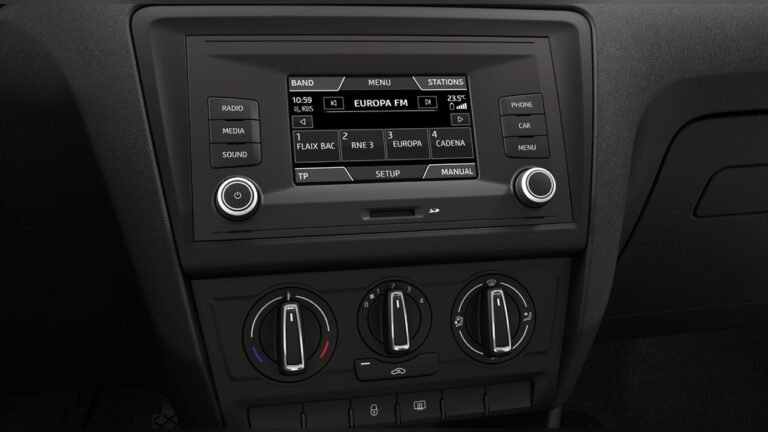
The head unit (car stereo) controls your system. It affects sound quality, connectivity, and power.
Features To Look For
- High RMS output: RMS wattage matters more than “peak” ratings.
- Bluetooth: For wireless music and hands-free calls.
- Equalizer (EQ): Adjust bass, treble, and balance easily.
- Preamp outputs: Needed if you add external amps.
Many beginners skip the head unit upgrade. But even good speakers sound weak with a poor stereo. For single cabs, a single DIN or double DIN unit will fit most dashboards.
Comparing Head Unit Features
| Feature | Standard Unit | Upgraded Unit |
|---|---|---|
| RMS Output | 10-15W | 20-25W |
| Bluetooth | No | Yes |
| EQ Settings | Basic (Bass/Treble) | Advanced (9+ bands) |
| Preamp Outputs | None/1 | 2-3 |
Amplifiers: Powering Up Your System
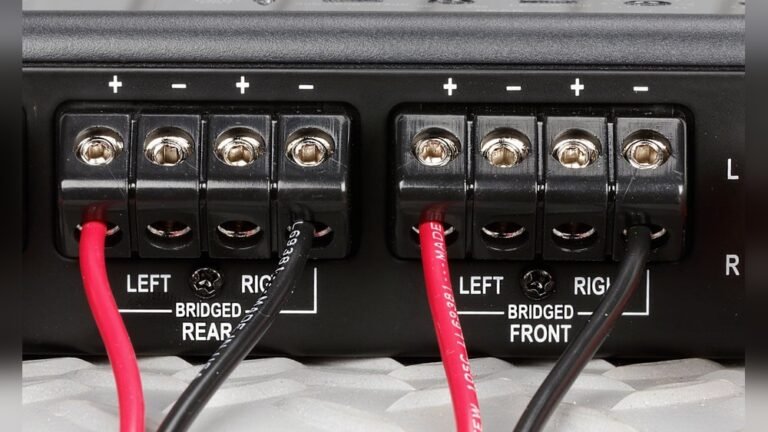
An amplifier boosts power so your speakers and subwoofers play louder and cleaner. Factory stereos usually don’t have enough power for aftermarket speakers.
How Many Channels?
- 2-channel amp: For just front speakers.
- 4-channel amp: Front and rear, or add a subwoofer.
- Mono amp: Only for a subwoofer.
What Power Is Needed?
- Match amp RMS power to speaker RMS rating.
- Don’t overpower—too much wattage can damage speakers.
Practical Example
If your speakers are rated at 50W RMS, pick an amp with 40–60W RMS per channel.

Credit: simplehomecinema.com
Subwoofers: Adding Deep Bass
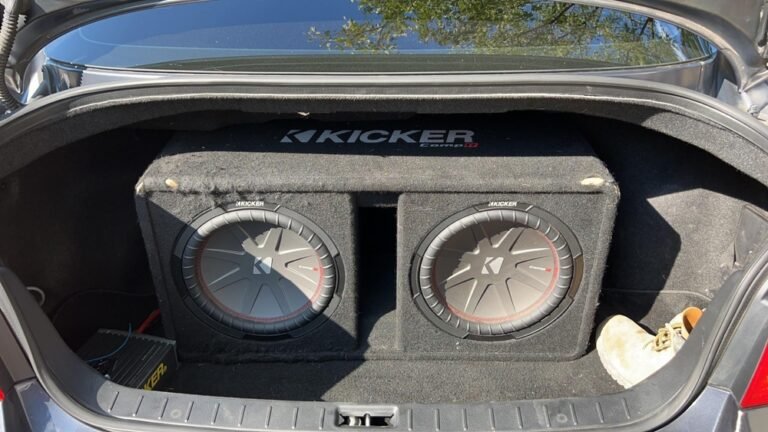
Bass is what most factory systems lack. In a single cab, you need a subwoofer that fits behind or under the seat.
Types Of Subwoofers
- Shallow mount: Slim, fits tight spaces.
- Powered subwoofer: Built-in amp, easy for beginners.
Placement Tips
- Behind the seat: Most common for single cabs.
- Under the seat: Works for shallow mount subs.
Size Matters
- 8” or 10” subs are best for single cab trucks.
- Larger subs may not fit and can overpower small space.
Example Comparison
| Subwoofer Type | Size | Depth (inches) | Power (W RMS) | Fits Single Cab? |
|---|---|---|---|---|
| Shallow Mount | 8″ | 3.5 | 150 | Yes |
| Powered | 10″ | 2.8 | 120 | Yes |
| Standard | 12″ | 6.5 | 300 | No |
Wiring And Installation
A good sound system depends on proper wiring. Poor connections cause static, distortion, or even failure.
What You Need
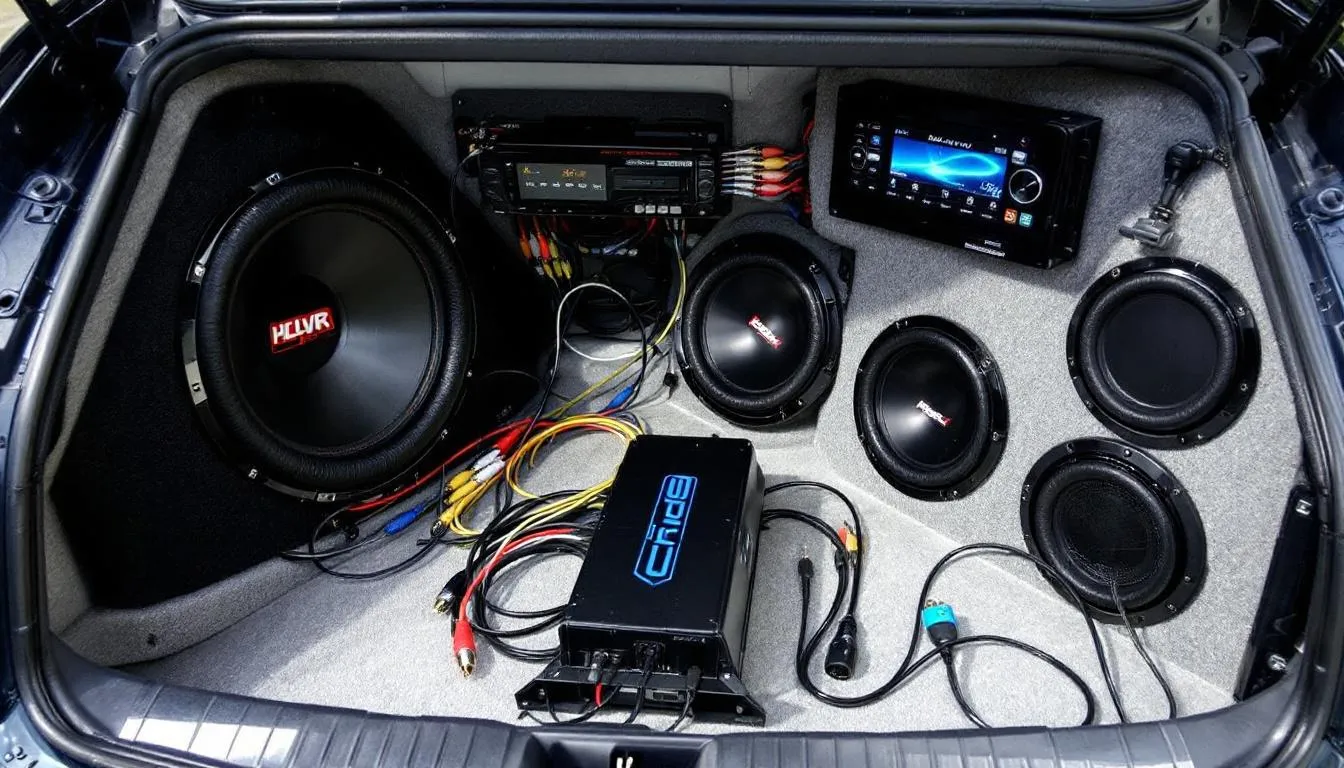
- Quality wiring kit: Includes power, ground, speaker, and RCA cables.
- Fuse holder: Protects your system from electrical surges.
- Sound deadening material: Reduces vibration and road noise.
Installation Tips
- Run power wire away from speaker wires to avoid interference.
- Use crimp connectors and solder for secure connections.
- Hide wires under carpets or panels for safety and a clean look.
Beginners often skip sound deadening. Even thin mats inside doors can make music clearer by blocking outside noise.
Credit: www.bibliotecaoscura.com
Tuning Your Audio System
After everything is installed, you need to tune the system. This step is often missed but makes a huge difference.
Key Steps
- Set EQ (equalizer) to flat, then adjust bass, mid, and treble for your taste.
- Balance left-right and front-rear speakers.
- Adjust subwoofer gain so bass is strong but not overpowering.
Common Mistakes
- Too much bass: Makes music muddy and hides details.
- High treble: Causes harsh, painful sound.
- Over-driving: Turning volume up too high can damage speakers.
Practical Tuning Example
Start with all settings at zero. Play a favorite song. Increase bass until it’s punchy but not booming. Raise treble just enough for vocals to sound clear. Adjust balance so sound feels centered.
Cost Breakdown And Planning
Building a good single cab sound system doesn’t have to be expensive. Here’s a typical cost breakdown:
- Speakers: $50–$120
- Head unit: $80–$200
- Amplifier: $80–$150
- Subwoofer: $100–$180
- Wiring kit: $40–$60
- Sound deadening: $30–$50
Total: $380–$760 (not including labor if you hire a pro).
Budgeting Tips
- Upgrade in stages: Start with speakers and head unit, add amp/subwoofer later.
- Buy bundles: Some brands offer packages that save money.
- DIY installation: Saves labor cost, but watch tutorials if you’re new.
Avoiding Common Beginner Mistakes
Many beginners waste money or end up with poor sound because they overlook simple details. Here are the most common mistakes and how to avoid them:
- Buying oversized speakers: Always check fit before buying.
- Ignoring head unit quality: Cheap stereos limit your system’s potential.
- Skipping sound deadening: Even basic mats improve clarity.
- Wrong amp pairing: Match amp RMS to speaker/subwoofer RMS.
- Bad wiring: Use quality cables and connectors.
- Poor tuning: Take time to adjust settings—don’t just “set and forget.”
Real-world Example: Single Cab Upgrade
Let’s see a real-world setup for a 2015 Ford F-150 single cab:
- Speakers: 6.5” coaxial in doors (Infinity Reference, 92 dB sensitivity)
- Head unit: Pioneer DEH-X8800BHS (Bluetooth, 24W RMS, 3 preamp outputs)
- Amplifier: Alpine KTP-445U (45W RMS x4)
- Subwoofer: Rockford Fosgate R2S-1X10 (10” shallow mount, 200W RMS)
- Wiring kit: KnuKonceptz 4 gauge
- Sound deadening: Noico 80 mil mats in doors and rear wall
Total Cost: $650 (diy Install)
Result: Clear highs, strong bass, and minimal road noise. Owner reports “music sounds alive” and “no rattles or distortion.”

Credit: audiojamonline.com
Non-obvious Insights For Beginners
- Speaker placement matters more than size: If you place speakers in optimal locations (like doors at ear height), sound is more natural and immersive.
- Sound deadening is a cheap upgrade: Many users notice clearer music and more bass after adding deadening material, even with factory speakers.
Advanced Tips For Maximum Audio
If you want to go beyond the basics, consider these:
- Add a DSP (digital signal processor): Lets you fine-tune frequencies for perfect sound.
- Use high-resolution audio files: MP3s are compressed; FLAC or WAV files sound cleaner.
- Upgrade speaker wire: Thick, oxygen-free copper wire improves clarity and reduces loss.
Frequently Asked Questions
How Do I Choose The Right Speakers For My Single Cab?
Measure your cab’s speaker openings first. Look for coaxial speakers (easy install) or component sets (better sound). Check sensitivity (90+ dB) and frequency range. Avoid oversized speakers—they won’t fit.
Do I Need An Amplifier, Or Can I Use My Head Unit?
Factory head units often lack power. If you want louder, clearer sound, add an amplifier. Match amp RMS to speaker RMS. For subwoofers, a dedicated amp is essential.
What Size Subwoofer Works Best For Single Cab Trucks?
An 8” or 10” shallow mount subwoofer fits best behind or under the seat. Avoid 12”+ subs—they’re too large and may sound boomy in small spaces.
Is Professional Installation Necessary?
DIY is possible if you follow guides and take your time. Professional install costs $100–$300 extra but ensures safe wiring and tuning. Use sound deadening even if you install yourself.
Where Can I Find More Info About Car Audio For Beginners?
Check trusted guides and forums. One helpful resource is Crutchfield’s Car Audio Guide for clear beginner advice and fit tools.
A great single cab sound system makes every drive feel special. With the right parts, careful install, and proper tuning, you can enjoy clear vocals, deep bass, and true music detail. Don’t rush—plan your setup, avoid common mistakes, and use expert tips for maximum audio experience.
Whether you drive to work or cruise for fun, your upgraded sound system will make every mile better.