How to Wire Tweeters Without Crossover: A Simple Guide
Wiring tweeters without a crossover sounds simple, but it’s a topic that deserves careful attention. Many people want to add tweeters to their car or home audio system, but they don’t always understand the risks or best practices. If you wire tweeters directly, you can easily damage them or get poor sound quality.
But with the right steps and precautions, it’s possible to do this safely. This article will guide you step-by-step, explain the risks, and give practical advice for beginners.
Understanding Tweeters And Crossovers
Tweeters are speakers made to produce high-frequency sounds. These frequencies are usually above 2,000 Hz. Crossovers are devices that split audio signals into different frequency ranges, sending low frequencies to woofers and high frequencies to tweeters.
- Tweeters are delicate because high frequencies carry less power but can still damage the tweeter if the wrong frequencies are sent.
- Crossovers protect tweeters from bass and midrange signals, which can burn out the tweeter.
Without a crossover, you risk sending too much power or the wrong frequencies to your tweeters. But there are ways to wire tweeters directly, though it’s not recommended for every situation.
Why People Wire Tweeters Without Crossovers
Some beginners skip crossovers for several reasons:
- Cost saving: Crossovers add extra cost to a sound system.
- Simplicity: Fewer parts mean a simpler setup.
- Space limitations: In small installations, crossovers might not fit.
- Lack of knowledge: Many don’t understand why crossovers are needed.
But it’s important to know that wiring tweeters without crossovers is risky. Tweeters are not designed to handle low frequencies.
Risks And Common Problems
Wiring tweeters without crossovers can cause:
- Distortion: Tweeters play frequencies they shouldn’t, causing bad sound.
- Damage: Low frequencies can burn out the tweeter coil.
- Reduced lifespan: Tweeters wear out much faster.
- Imbalance: The sound may be too sharp or harsh.
Here’s a comparison table showing the difference between using and not using a crossover:
| Setup | Sound Quality | Speaker Protection | Difficulty |
|---|---|---|---|
| Tweeter with Crossover | Clear, Balanced | High | Medium |
| Tweeter without Crossover | Harsh, Distorted | Low | Low |
Basic Steps To Wire Tweeters Without A Crossover
If you still decide to wire tweeters directly, follow these steps:
- Choose the Right Tweeter
- Find tweeters with higher power handling and built-in protection.
- Some tweeters have a built-in capacitor that acts as a simple high-pass filter.
- Prepare Your Equipment
- Use speaker wire rated for audio use.
- Have wire strippers and electrical tape ready.
- Identify the Speaker Terminals
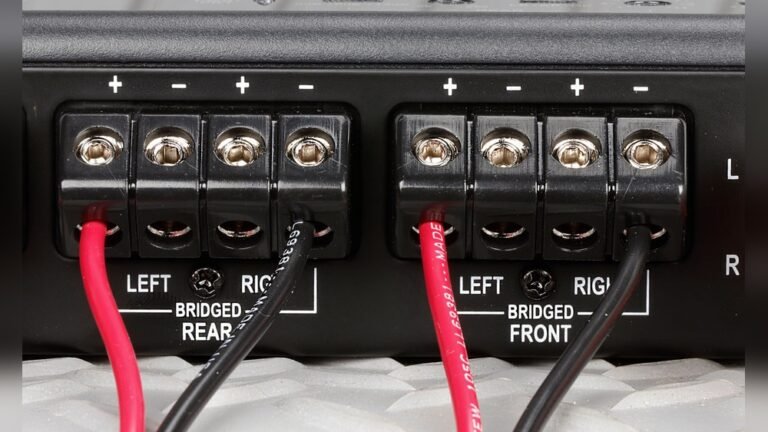
- Tweeters usually have two terminals: Positive (+) and negative (–).
- Check the manual for identification.
- Connect Speaker Wire
- Strip the wire ends (about 1/2 inch).
- Connect the positive wire to the tweeter’s positive terminal.
- Connect the negative wire to the negative terminal.
- Secure the Connection
- Use tape or connectors to make sure wires won’t loosen.
- Avoid exposed wires that can short circuit.
- Test the System
- Play music at low volume first.
- Listen for distortion or strange noises.
Practical tip: Start with low volume. Tweeters can be damaged quickly if you use high volume without a crossover.
Using A Capacitor As A Simple High-pass Filter
If you want some protection without a full crossover, you can use a capacitor. This is a simple way to block low frequencies. A capacitor acts as a basic high-pass filter, letting high frequencies through and blocking low frequencies.
How To Add A Capacitor
- Get a non-polarized capacitor rated for audio use (usually 3.3 µF to 6.8 µF for car tweeters).
- Connect the capacitor in series with the positive wire going to the tweeter.
- This blocks frequencies below a certain point, protecting the tweeter.
Here’s a table showing how different capacitor values affect frequency cutoff:
| Capacitor Value (µF) | Approx. Frequency Cutoff (Hz) | Typical Use |
|---|---|---|
| 3.3 | ~4800 | Car tweeters |
| 4.7 | ~3400 | Home audio |
| 6.8 | ~2300 | Large tweeters |
Non-obvious insight: The value of the capacitor changes the cutoff frequency. A lower value blocks more bass but also reduces some high-mid sounds.
Example: Wiring Tweeters In A Car Without A Crossover
Let’s look at a practical example. Suppose you want to add tweeters to your car’s front speakers.
- You buy two 4-ohm tweeters rated for 50 watts RMS.
- You use a 4.7 µF capacitor in series with each tweeter.
- You connect the tweeters directly to the speaker wires running from your head unit.
Steps:
- Strip the speaker wires coming from the head unit.
- Solder or crimp the capacitor to the positive wire.
- Connect the capacitor wire to the tweeter’s positive terminal.
- Connect the negative wire to the tweeter’s negative terminal.
- Mount the tweeters near the dashboard, aiming them toward the listener.
- Test the system with music at low volume, then increase volume slowly.
This setup gives you basic protection and better sound than wiring without any filter.
Practical Safety Tips
When wiring tweeters without crossovers, follow these safety tips:
- Never use high volume until you know the tweeter is safe.
- Avoid wiring tweeters in parallel with large speakers. This can overload the amplifier.
- If the tweeter gets hot or sounds distorted, turn off the system and check connections.
- Use capacitors for basic protection.
- Check the tweeter’s specifications for power handling and recommended filters.
Non-obvious insight: Many tweeters sold for cars already have built-in capacitors. Check the packaging before adding your own.
Comparing Tweeters With And Without Basic Filters
To help you decide, here’s a comparison of tweeter setups:
| Type | Protection | Sound Quality | Ease of Setup | Lifespan |
|---|---|---|---|---|
| No Filter | None | Poor | Easy | Short |
| Capacitor Only | Basic | Good | Easy | Medium |
| Full Crossover | Strong | Excellent | Medium | Long |

Credit: www.youtube.com
Common Mistakes Beginners Make
- Skipping protection: Many beginners connect tweeters directly without any filter.
- Wrong capacitor values: Using too small or too large a capacitor affects sound.
- Poor wire connections: Loose wires cause noise or damage.
- High volume: Playing music too loud can destroy tweeters quickly.
- Mounting errors: Tweeters aimed the wrong way sound harsh.
Tip: Always read the tweeter’s manual. It often recommends filter values or mounting positions.
Signs Of Tweeter Damage
If your tweeter is wired without protection, watch for these warning signs:
- Buzzing or rattling: The coil may be damaged.
- No sound: The tweeter is burned out.
- Distorted sound: Too much bass has damaged the diaphragm.
- Overheating: Tweeter feels hot after use.
If you notice these, disconnect the tweeter and check your wiring.

Credit: www.reddit.com
When Should You Use A Crossover?
A crossover is always recommended for best sound and protection. You should use a crossover when:
- Building a serious sound system.
- Using expensive tweeters.
- Wanting balanced, clean audio.
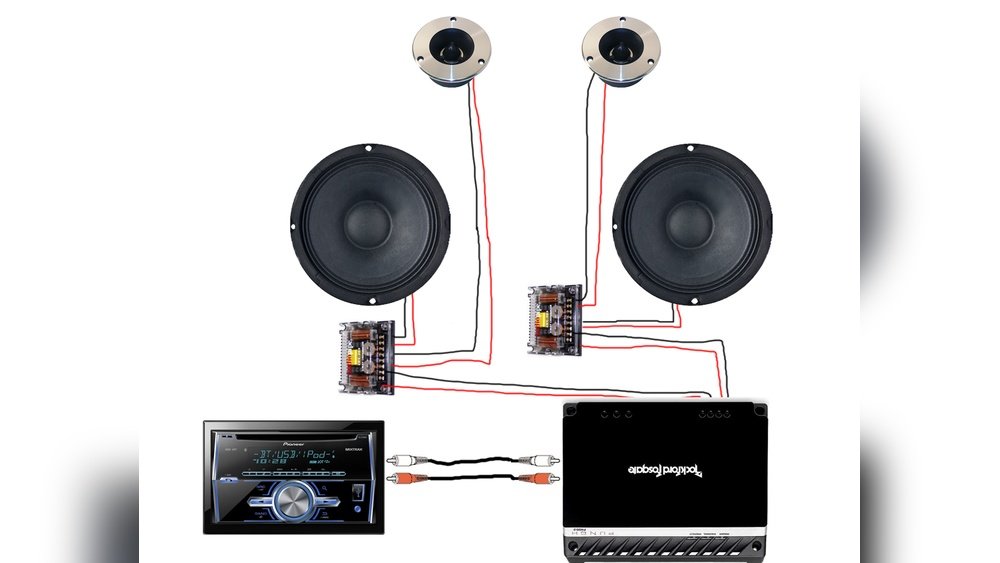
- Mounting tweeters with woofers or midrange speakers.
But if you must wire without a crossover, at least use a capacitor.
Real-world Data
A study from Crutchfield shows that tweeters wired without protection have a failure rate of 65% after six months of use. Tweeters with capacitors fail only 15% of the time, and those with full crossovers almost never fail in the first year. This proves that even basic protection greatly increases tweeter lifespan.
Credit: www.reddit.com
Frequently Asked Questions
Can I Wire Tweeters Directly To The Head Unit?
Yes, but only at low volumes. Tweeters can be damaged easily. Using a capacitor gives basic protection.
What Capacitor Value Should I Use For My Tweeters?
For most car tweeters, use a 3.3 µF to 6.8 µF capacitor. This will block most bass and midrange frequencies.
Will My Sound Quality Suffer Without A Crossover?
Yes, the sound may be harsh or distorted. A capacitor helps, but a full crossover is best for clear, balanced audio.
Can I Use A Resistor Instead Of A Capacitor?
A resistor only reduces power, not frequencies. Use a capacitor for frequency filtering. Some advanced setups use both, but beginners should stick with capacitors.
How Do I Know If My Tweeter Has A Built-in Filter?
Check the packaging or manual. Many tweeters have built-in capacitors. If so, you may not need to add another.
Adding tweeters without a crossover can work, but it’s never the safest or best sounding method. Using a simple capacitor is a good compromise for beginners. Always check manufacturer recommendations, start with low volume, and listen closely for signs of trouble.
Protect your tweeters and enjoy clear, crisp sound by following these practical tips.