What Gauge Wire Should I Use for My Subwoofer: Expert Guide
Choosing the right wire gauge for your subwoofer is essential. Many people overlook this step, but it impacts sound quality, safety, and even the lifespan of your audio system. If you are new to car audio or home theater setups, wire gauge might sound confusing.
This article will guide you step by step, using simple words and practical examples, so you can pick the best wire for your subwoofer without doubts.
Why Wire Gauge Matters For Subwoofers
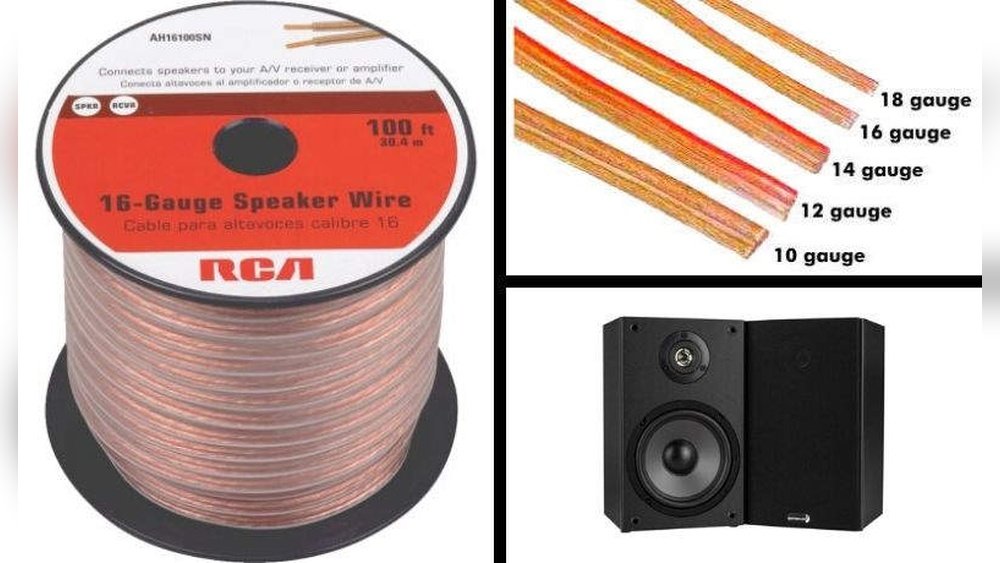
The wire gauge is a measurement of the wire’s thickness. Thicker wires have lower numbers (like 8 AWG), while thinner wires have higher numbers (like 18 AWG). When you connect a subwoofer, the wire transfers electrical power from the amplifier. If the wire is too thin, it can cause:
- Voltage drop: Less power reaches the subwoofer, so your bass sounds weak.
- Overheating: Thin wires can get hot and may even melt, damaging your setup.
- Distortion: Poor signal means less clear sound.
Picking the right wire gauge means your subwoofer performs at its best and stays safe.
Understanding Awg (american Wire Gauge)
Wire gauge is usually listed as AWG, which stands for American Wire Gauge. Here’s how it works:
- Lower AWG number = thicker wire = more power can flow.
- Higher AWG number = thinner wire = less power can flow.
For subwoofers, the most common wire gauges are 8 AWG, 10 AWG, 12 AWG, 14 AWG, and 16 AWG.
Example: Why Gauge Matters
If your amplifier sends 500 watts to your subwoofer, using 18 AWG wire (very thin) could make the wire hot and cause voltage loss. Using 10 AWG wire (much thicker) keeps the signal strong and safe.

Credit: www.youtube.com
Key Factors For Choosing Wire Gauge
Several factors affect which wire gauge you need:
- Power (Wattage): More powerful subwoofers need thicker wires.
- Length of Wire Run: Longer wires lose more power, so you need thicker wire for longer runs.
- Impedance (Ohms): Lower impedance means more current, requiring thicker wire.
Let’s break these down with real numbers.
Typical Subwoofer Setup Example
Suppose you have:
- 1 subwoofer powered by a 400-watt amplifier
- Wire run distance of 15 feet
- Subwoofer impedance: 4 ohms
You’ll need a wire thick enough to carry 400 watts over 15 feet without losing power.
Recommended Wire Gauge By Power And Distance
Here is a practical table to help you select the right gauge. It shows the minimum recommended wire gauge for different power levels and distances.
| Power (Watts) | Distance (Feet) | Recommended Gauge |
|---|---|---|
| 100-200 | Up to 10 | 16 AWG |
| 200-400 | 10-20 | 14 AWG |
| 400-1000 | 20-30 | 12 AWG |
| 1000+ | Over 30 | 10 AWG |
Tip: If your setup falls between two options, go for the thicker wire. It’s safer and delivers better sound.
Credit: www.bestcaraudio.com
How To Calculate The Right Wire Gauge
If you want to be precise, you can calculate the correct gauge using these steps:
- Find your subwoofer power (watts).
- Measure the wire length from amplifier to subwoofer.
- Check subwoofer impedance (ohms).
- Use an online calculator or refer to wire gauge charts.
A simple formula is:
Longer distance + higher power = thicker wire (lower AWG).
Common Wire Gauge Choices
Most people use these gauges for subwoofers:
- 16 AWG: For small setups, short runs (under 10 feet, under 200 watts)
- 14 AWG: Mid-sized setups, average runs (10–20 feet, up to 400 watts)
- 12 AWG: Larger setups, longer runs (20–30 feet, up to 1000 watts)
- 10 AWG: High-power setups, long runs (30+ feet, over 1000 watts)
Wire Gauge Comparison Table
Here’s a quick comparison of common gauges and their typical uses.
| Gauge (AWG) | Max Power (Watts) | Max Distance (Feet) | Typical Use |
|---|---|---|---|
| 16 | 200 | 10 | Small subwoofer, home theater |
| 14 | 400 | 20 | Car audio, mid-range subs |
| 12 | 1000 | 30 | Large subs, pro setups |
| 10 | 2000 | 50 | Very powerful subs, long runs |
Example: Choosing Wire Gauge For A Car Subwoofer
Let’s say you have a car subwoofer with:
- Amplifier power: 600 watts RMS
- Wire distance: 15 feet
According to the tables above, 12 AWG is the best choice. It handles the power and distance safely. If you use thinner wire (like 16 AWG), you risk losing sound quality and damaging your equipment.
What Happens If You Use The Wrong Wire Gauge?
Many beginners think any wire will work. This is a common mistake.
- Too thin wire: Causes voltage drop, overheating, poor sound, and risk of fire.
- Too thick wire: Safe, but more expensive and harder to install.
Always pick a wire thick enough for your setup. It’s better to have a thicker wire than a thinner one.
Insulation And Wire Quality
Not all wires are equal. Besides gauge, check the insulation quality. Good insulation prevents short circuits and protects against heat. Look for:
- Oxygen-Free Copper (OFC): Best for clean signal and durability
- Copper-Clad Aluminum (CCA): Cheaper, but less efficient
OFC wires are recommended for serious setups. CCA is fine for budget systems.
Practical Tips For Beginners
- Measure wire length before buying. Always buy a bit extra.
- Choose wire with clear AWG labeling. Don’t guess the thickness.
- Use quality connectors. Loose connections cause sound loss.
- Avoid sharp bends in wire. This weakens the wire and signal.
How To Install Subwoofer Wire Correctly
Follow these steps for a safe and clean installation:
- Cut the wire to the right length.
- Strip the insulation carefully (don’t cut copper strands).
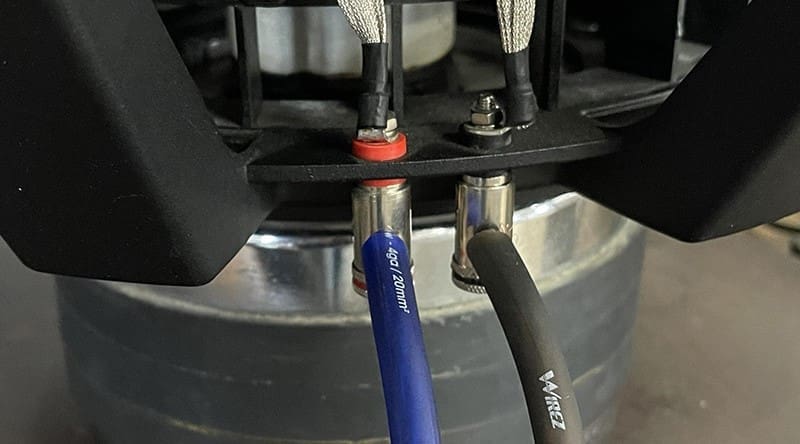
- Use proper connectors for both amp and subwoofer.
- Run wire away from power cables to avoid interference.
- Test the system before finalizing installation.
Real-world Wire Gauge Mistakes
Non-obvious insight #1: Many people use old speaker wire from home systems for subwoofers. Home wire is often 18 AWG, which is too thin for most car or high-power setups.
Non-obvious insight #2: Some beginners try to join two thin wires to make a thicker wire. This does not work well and can be dangerous.
Always buy the correct wire gauge for your system. Don’t cut corners.
Subwoofer Wire Gauge And Signal Quality
Using the right gauge not only prevents problems but also improves bass. Thick wire ensures your subwoofer gets full power, so music feels punchy and clear. Thin wire makes the bass sound weak or distorted.
Wire Gauge For Multiple Subwoofers
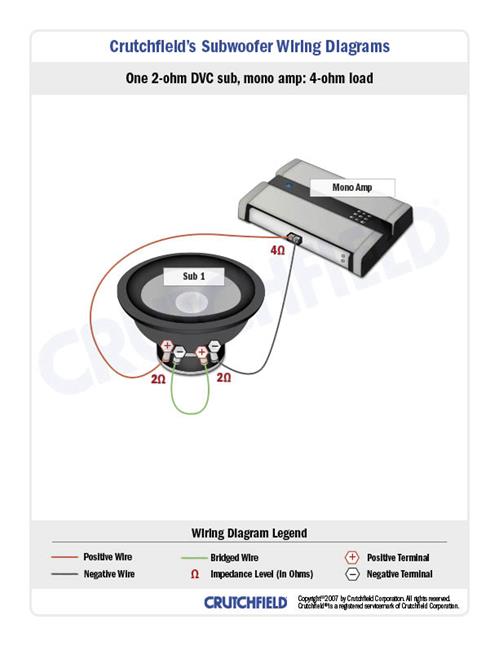
If you run several subwoofers, combine the total power and wire length when choosing gauge. For example:
- 2 subs, each 500 watts, 20 feet wire: Total power = 1000 watts. Use 12 AWG or thicker.
Credit: www.crutchfield.com
When Should You Upgrade Your Wire?
Upgrade if:
- You add more powerful subs or amps
- You notice sound distortion or weak bass
- Wires get warm or hot during use
A wire upgrade is a cheap way to improve sound quality.
Cost Of Subwoofer Wire
Wire cost depends on gauge and material:
- 16 AWG: $0.10–$0.20 per foot
- 14 AWG: $0.15–$0.30 per foot
- 12 AWG: $0.25–$0.50 per foot
- 10 AWG: $0.40–$0.80 per foot
OFC wire costs more than CCA. For the best sound, invest in good wire.
Comparing Ofc Vs. Cca Wire For Subwoofers
Here’s a quick comparison of the two main wire types:
| Type | Conductivity | Durability | Cost | Best Use |
|---|---|---|---|---|
| OFC | High | Excellent | Higher | Premium setups |
| CCA | Medium | Good | Lower | Budget setups |
For best results, use OFC for powerful systems.
Expert Advice: Don’t Forget Fuse Rating
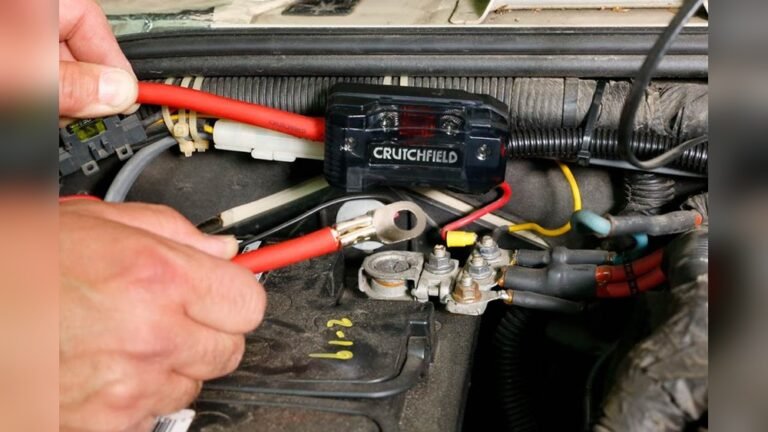
When you install subwoofer wire, match the fuse rating to the wire gauge. If you use thick wire but a small fuse, the fuse will blow before the wire fails. If you use thin wire and a large fuse, the wire can overheat before the fuse reacts.
- Find the correct fuse rating for your wire.
- Install the fuse close to the battery or power source.
Where To Find Reliable Wire Gauge Charts
If you want more detailed charts or calculators, visit Crutchfield. They have expert guides and tools to help you choose the right wire.
Frequently Asked Questions
What Happens If I Use Too Thin Wire For My Subwoofer?
If the wire is too thin, less power reaches the subwoofer. This results in weak bass, distortion, and possible wire overheating. In severe cases, it can cause fire risk.
Can I Use Regular Speaker Wire For My Subwoofer?
You can use regular speaker wire if it’s thick enough (14 AWG or lower). Thin speaker wire (like 18 AWG) is not suitable for powerful subwoofers.
How Do I Know What Gauge My Wire Is?
Check the wire packaging or print on the wire itself. Look for numbers like 12 AWG or 14 AWG. If you’re unsure, measure the wire diameter or compare with charts online.
Do I Need To Use The Same Wire Gauge For Both Positive And Negative Connections?
Yes, both connections should use the same gauge. Using different gauges creates imbalance and can cause signal problems.
What Is The Best Wire For A 1000-watt Subwoofer?
For a 1000-watt subwoofer, use 12 AWG or thicker wire (like 10 AWG) for best performance and safety. Also, choose OFC wire for higher quality.
Getting the right wire gauge is a small step that makes a huge difference. It protects your equipment and ensures strong, clear bass. Always measure your setup, choose the correct gauge, and invest in quality wire. This way, your subwoofer will deliver the sound you expect, safely and reliably.