How Do I Get My Amp Out of Protect Mode: Quick Fix Guide
Getting your car amplifier out of protect mode can feel confusing, especially if you’re new to car audio systems. You might be worried that your amp is broken, but in most cases, the problem is something simple you can fix yourself. Protect mode is a safety feature. It’s designed to stop the amp from damaging itself when something goes wrong. Understanding why amps enter protect mode—and how to fix it—will help you get your music playing again quickly.
What Is Protect Mode?
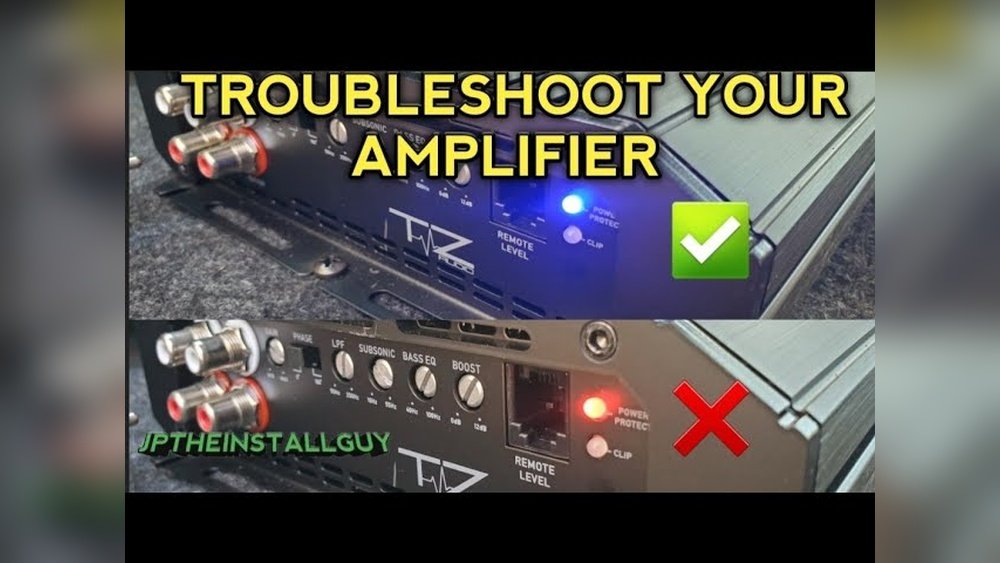
Protect mode is a built-in safety function found in most modern car amplifiers. When the amp detects a problem, it shuts down or limits power to prevent damage. You’ll know the amp is in protect mode if:
- The amp’s protect light is on (often red)
- There’s no sound from your speakers
- The amp powers on, then shuts off quickly
Common reasons for protect mode:
- Short circuit in wiring or speakers
- Overheating from poor ventilation or high volume
- Low voltage from the battery or alternator
- Internal faults like blown components
Protect mode is not a permanent failure. It’s a sign you need to check for problems before they get worse.
Common Causes Of Protect Mode
Before you start fixing, it helps to know what triggers protect mode. Here are the most frequent causes:
- Speaker Wiring Issues
- Loose or frayed wires
- Speaker wires touching each other (short circuit)
- Wrong speaker impedance
- Power Problems
- Low battery voltage (below 11 volts)
- Bad ground connection
- Overloaded amp (too many speakers)
- Overheating
- Poor airflow around the amp
- Running amp at high volume for long periods
- Faulty Components
- Blown fuses
- Damaged transistors or resistors inside the amp
- External Factors
- Water damage
- Dust buildup
Knowing these causes will help you check the right things first.
Step-by-step Troubleshooting Guide
Getting your amp out of protect mode is usually a process of elimination. Here’s a beginner-friendly step-by-step guide:
1. Turn Off Everything
- Switch off your car.
- Disconnect the amp’s power wire.
This prevents any accidental damage while you check connections.
2. Check Wiring Connections
- Inspect all power, ground, and speaker wires.
- Make sure wires are tight and clean.
- Look for frayed ends or broken insulation.
Example: If two speaker wires touch, the amp will sense a short and enter protect mode.
3. Test Power And Ground
Use a multimeter to check voltage at the amp’s power terminals:
- Voltage should be 12–14 volts with the car running.
- Ground wire should be connected to bare metal (not painted).
If voltage is low, recharge or replace your battery.
4. Inspect Speaker Load
Check if your speakers match the amp’s requirements:
- Look at the amp’s manual for minimum impedance (often 2 or 4 ohms)
- Use a multimeter to measure speaker resistance.
Incorrect speaker load can trigger protect mode.
5. Remove Speaker Wires
- Disconnect all speaker wires from the amp.
- Power on the amp.
If the protect light turns off, the problem is with the speakers or wiring.
6. Check For Overheating
- Touch the amp. If it’s hot, let it cool for 30–60 minutes.
- Make sure there’s space around the amp for airflow.
Overheating is a common reason for protect mode, especially in summer.
7. Inspect Internal Fuses
- Locate fuse on the amp or power wire.
- Remove fuse and check if it’s blown.
- Replace with the same rating if needed.
8. Test With Minimal Setup
- Connect only the power, ground, and remote wire.
- Leave speaker wires disconnected.
- If amp powers up normally, reconnect speakers one at a time.
This helps find which speaker or wire is causing the problem.
9. Reset The Amp
Some amps have a reset button or require a hard reset:
- Disconnect power for 10–15 minutes.
- Reconnect and power on.
10. Consult The Manual
Every amp is different. Refer to your amp’s manual for model-specific advice.
Practical Examples
Let’s look at two common real-world scenarios:
Example 1: Speaker Short
- You install new speakers.
- Protect light comes on.
- You find two speaker wires touching under the seat.
- Fix: Separate wires and wrap with electrical tape.
Example 2: Low Battery Voltage
- Amp enters protect mode after playing music loudly.
- Battery reads only 10.5 volts.
- Fix: Recharge or replace battery, check alternator.

Credit: bossaudio.com
Comparing Protect Mode Triggers
Here’s a simple comparison of triggers and how often they happen:
| Trigger | Frequency (Beginner Installs) | Easy to Fix? |
|---|---|---|
| Speaker Short | Very Common | Yes |
| Low Voltage | Common | Yes |
| Overheating | Moderate | Usually |
| Internal Fault | Rare | No |
Most protect mode cases are caused by wiring or voltage—easy fixes for beginners.
Preventing Protect Mode In The Future
You can avoid protect mode by following some simple rules:
- Use quality wiring (correct gauge for your amp)
- Secure all connections tightly
- Don’t overload your amp with too many speakers
- Give your amp good ventilation
- Check battery voltage regularly
If you install your amp carefully, protect mode will rarely happen.
Data: Protect Mode Occurrence Rates
Car audio forums and surveys show that protect mode is most common after new installations. Here’s some practical data:
| Situation | Protect Mode Occurrence (%) | Typical Cause |
|---|---|---|
| New Amp Install | 46% | Wiring issues |
| Upgrading Speakers | 33% | Impedance mismatch |
| Long-term Use | 15% | Overheating |
| Random/Unknown | 6% | Internal fault |
Beginners often run into protect mode when wiring isn’t checked carefully.
When To Seek Professional Help
Some protect mode problems need expert attention:
- If you find burnt smell or see smoke, stop using the amp.
- If the amp stays in protect mode after all troubleshooting steps.
- If you’re unsure about wiring or electrical tests.
Car audio shops can test the amp and wiring safely. They have tools for checking internal faults. Sometimes, the amp needs repair or replacement.

Credit: www.reddit.com
Non-obvious Tips Beginners Miss
1. Check Remote Wire Voltage
Many beginners forget to test the remote turn-on wire. This wire tells the amp to turn on. If it’s loose or has low voltage, the amp may enter protect mode.
2. Avoid Using Cheap Ground Points
Using a screw in painted metal won’t give a good ground. Always sand the area to bare metal. Poor ground is a top cause for protect mode.
Quick Fixes That Save Time
- Remove the amp’s fuse, wait 10 minutes, then reinstall.
- Try powering the amp with speakers disconnected.
- Swap out speaker wires if you suspect damage.
These steps often bring the amp out of protect mode fast.
Example: Troubleshooting Flow
Here’s how a beginner might solve protect mode step-by-step:
- Amp won’t play music. Protect light is on.
- Check all wiring—find a loose ground wire.
- Tighten ground wire. Protect light turns off.
- Amp plays music normally.
Most fixes are simple once you know what to look for.
Comparing Protect Mode Recovery Methods
Let’s compare which methods are most effective:
| Method | Success Rate | Difficulty |
|---|---|---|
| Check Wiring | 70% | Easy |
| Cool Down Amp | 15% | Easy |
| Replace Fuse | 10% | Moderate |
| Professional Repair | 5% | Hard |
For most beginners, checking wiring and cooling the amp solves protect mode.

Credit: www.reddit.com
Essential Tools For Beginners
If you want to solve protect mode issues yourself, you’ll need:
- Multimeter (for voltage and resistance)
- Wire stripper and cutter
- Electrical tape
- Replacement fuses
- Owner’s manual
These tools help you diagnose and fix most problems safely.
Frequently Asked Questions
Why Does My Amp Keep Going Into Protect Mode?
Most amps enter protect mode due to wiring problems, low voltage, or overheating. Check all connections, voltage, and speaker load first.
Can I Bypass Protect Mode?
No, protect mode cannot be bypassed safely. It’s a built-in feature that protects the amp from damage. Fix the underlying problem instead.
How Do I Know If My Amp Is Damaged?
If your amp stays in protect mode after fixing wiring and voltage issues, or if you see smoke or smell burning, the amp may be damaged internally.
Will A Bigger Fuse Solve Protect Mode?
Never use a fuse larger than recommended. This can damage your amp and wiring. Always use the fuse size listed in your amp’s manual.
Where Can I Find Detailed Amp Troubleshooting Guides?
You can find detailed guides at Crutchfield, which offers step-by-step instructions for most amp models.
Getting your amp out of protect mode is usually easy with the right steps. By checking wiring, voltage, and cooling, you can solve most issues without needing expert help. Remember to use the right tools and consult your manual for model-specific advice.
If your amp still stays in protect mode, don’t hesitate to ask for professional help. With careful installation and regular checks, you’ll enjoy clear, powerful sound from your car audio system—and avoid protect mode in the future.