Does a Subwoofer Box Make a Difference in Car Audio Quality?
If you enjoy music while driving, you might have thought about adding a subwoofer to your car. But you may wonder, does a subwoofer box make a difference in car audio? The simple answer is yes—a subwoofer box can dramatically change the way your music sounds. This article explains why a box matters, how it affects bass, and what you should consider when choosing or building one. Whether you are new to car audio or just want better sound, you’ll find clear answers here.
Why Subwoofer Boxes Matter
A subwoofer is made to play low-frequency sounds—the deep bass you feel as much as you hear. In a car, these sounds are hard to produce because of limited space. A subwoofer box, also called an enclosure, helps the subwoofer work better by:
- Giving the speaker a controlled space to move air.
- Preventing sound waves from the back of the speaker from canceling those at the front.
- Improving bass response and overall sound quality.
Without a box, even the best subwoofer can sound weak or distorted. The right enclosure can make music feel more powerful, balanced, and enjoyable.
How A Subwoofer Box Affects Bass
The box does more than just hold the speaker. It shapes how your bass sounds:
- Tightness: The box can make bass sound quick and punchy or loose and boomy.
- Volume: The right box can make bass louder without needing a bigger amplifier.
- Depth: Some boxes help the subwoofer play deeper notes, so you feel the music.
Real-world Example
Imagine playing a song with a strong bass line. With a proper subwoofer box, you hear clean, deep beats. Without a box, the same subwoofer may sound flat or rattle the car panels. Many car audio installers see customers unhappy with “free-air” subs (no box) because the bass is thin.
Adding even a basic box can solve this.
Types Of Subwoofer Boxes
Not all boxes are the same. The design changes how your music sounds. Here are the main types:
1. Sealed Boxes
- Airtight enclosure with no holes.
- Produces tight, accurate bass.
- Great for music with fast beats or rock.
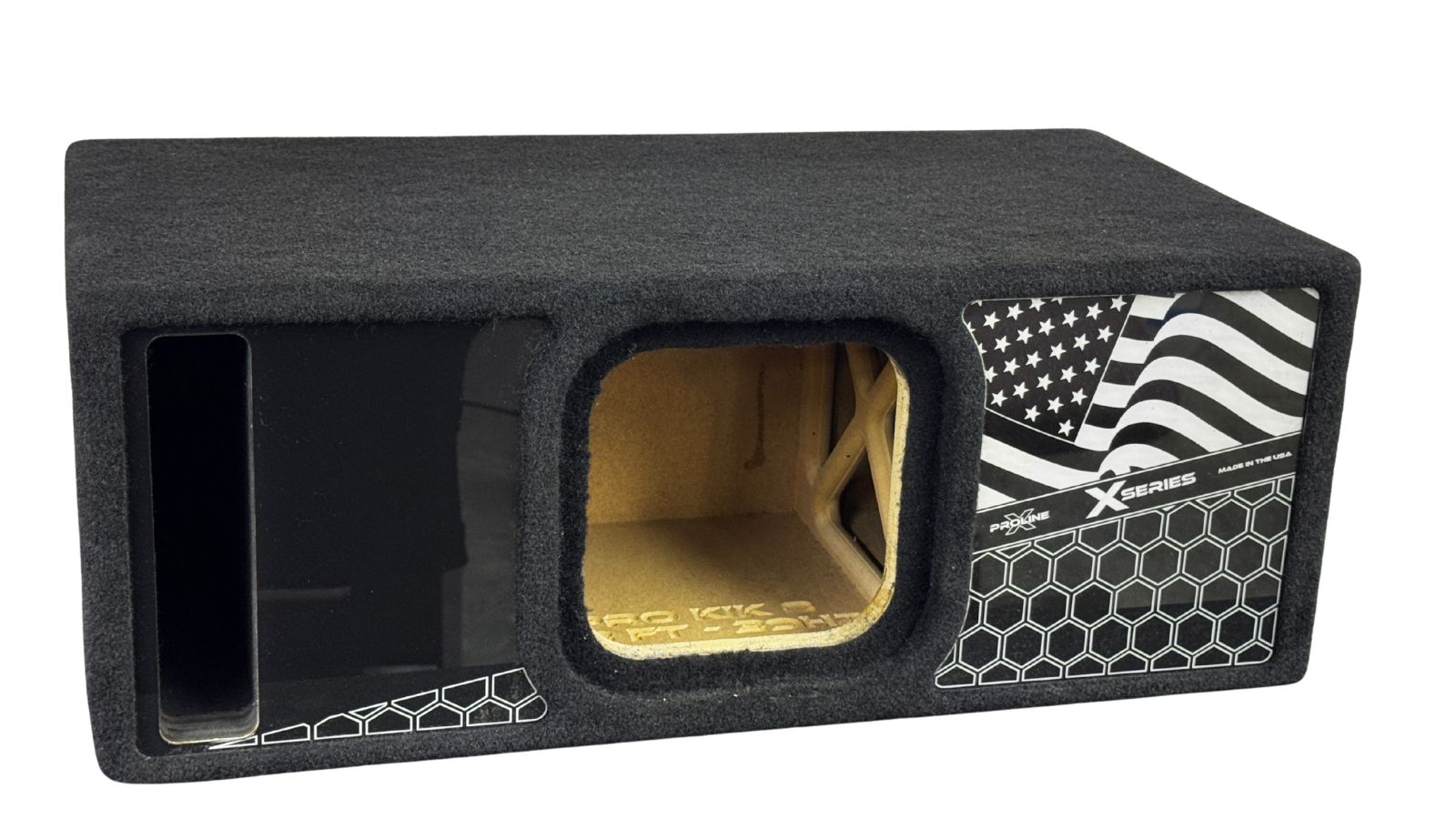
2. Ported Boxes (bass Reflex)
- Has a hole or port to let air move in and out.
- Makes bass louder and deeper.
- Good for hip-hop, EDM, or music with strong bass.
3. Bandpass Boxes
- Complex design with two chambers—one sealed, one ported.
- Very loud bass in a narrow frequency range.
- Not as accurate but can shake your car!
4. Free-air (infinite Baffle)
- No box, just mounted on a board.
- Saves space but bass is usually weak.
- Only works well in a few car setups.
Comparison Of Box Types
Here’s a quick look at how different box types compare:
| Box Type | Bass Quality | Volume | Size | Best For |
|---|---|---|---|---|
| Sealed | Very accurate | Medium | Small/Medium | Rock, Jazz, Pop |
| Ported | Deeper, louder | High | Large | Hip-hop, EDM |
| Bandpass | Very loud, less accurate | Very High | Large | Bass-heavy music |
| Free-Air | Weak | Low | Small | Limited use |
The Science Behind Subwoofer Boxes
When a subwoofer plays, it moves air forward and backward. If the air behind the speaker mixes with the air in front, the sound waves can cancel each other out—this is called phase cancellation. That’s why a box is important.
- Enclosure volume: The size of the box changes how the speaker moves. Too small, and the bass sounds tight but weak. Too big, and the bass is deep but can be muddy.
- Material: Most boxes use MDF (medium-density fiberboard) because it’s strong and doesn’t flex. Thin or weak boxes can create rattles or vibrations.
Example: Box Size And Bass Output
A 12-inch subwoofer in a sealed box of 1. 25 cubic feet will sound different than the same sub in a 2 cubic feet box. The smaller box gives punchier bass, while the larger box allows deeper notes but may lose some accuracy.
Does The Shape And Build Quality Matter?
Yes, both shape and build quality make a difference.
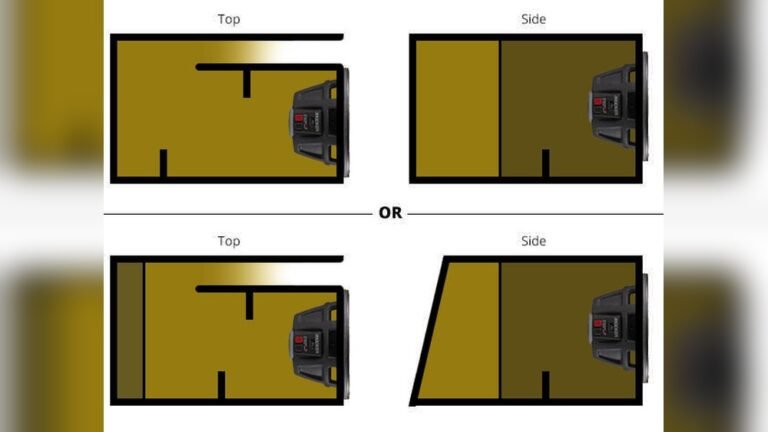
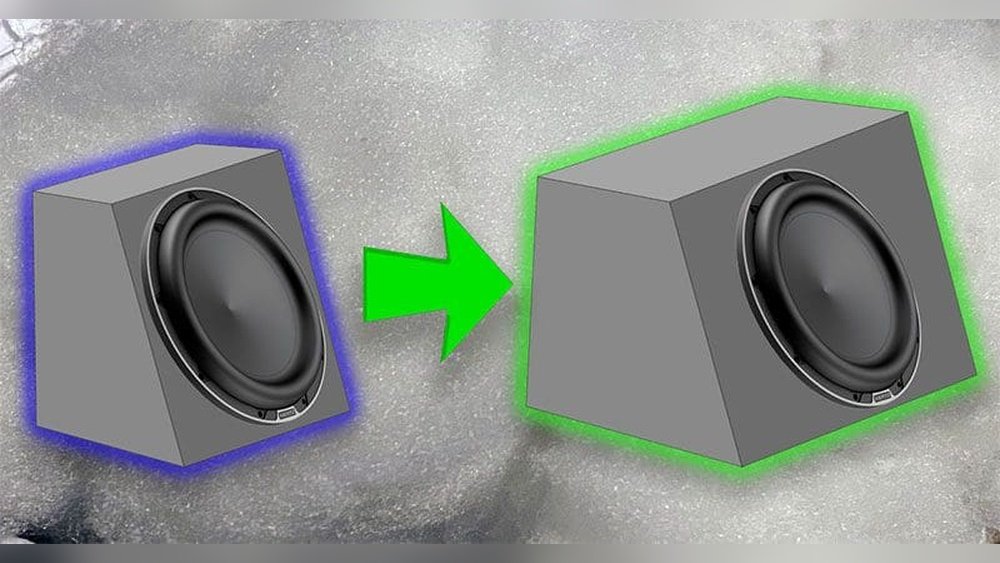
- Shape: While most boxes are rectangular, some are wedge-shaped or custom-fit for certain cars. Odd shapes can fit tight spaces but may change sound quality if not designed right.
- Build Quality: Gaps, leaks, or weak joints let air escape, ruining the bass. A well-built box is airtight and solid.
Tip: Even small leaks or loose screws can make the bass sound sloppy or cause buzzing noises.
How To Choose The Right Subwoofer Box
Picking the right box depends on your goals, car size, and music taste.
Consider These Factors
- Subwoofer Specs: Each subwoofer has recommended box sizes and types. Check the manufacturer’s guide.
- Car Space: Measure your trunk or cargo area. Large boxes won’t fit in all cars.
- Music Style: Like fast, accurate bass? Choose sealed. Want louder, deeper bass? Go ported.
- Budget: Custom boxes cost more but fit better. Pre-made boxes are cheaper but may not be perfect for your sub.
Example Decision
If you drive a compact car and listen to pop and rock, a small sealed box is often best. For a big SUV and hip-hop, a ported box can fill the space with loud bass.
What If You Run A Subwoofer Without A Box?
Some people try using a subwoofer without a box, thinking it saves space or effort. But in most cases, this is a mistake for these reasons:
- Bass loss: The sound from the front and back of the sub cancels out, so you get very little real bass.
- Speaker damage: Without a box, the subwoofer can move too much and break over time.
- Poor sound: Rattles, distortion, and weak bass are common.
Exception: Some cars use “infinite baffle” setups, but these require careful planning and are not true “no box” installs.
Subwoofer Box Vs. No Box: Measured Results
Let’s compare bass output in decibels (dB)—a measure of loudness.
| Setup | Bass Output (dB at 40 Hz) | Sound Quality |
|---|---|---|
| Subwoofer in Sealed Box | 95 dB | Clean, tight |
| Subwoofer in Ported Box | 103 dB | Loud, deep |
| Subwoofer with No Box | 80 dB | Weak, distorted |
You can see that a proper box can make the bass up to 10–20 dB louder and much clearer.

Credit: www.reddit.com
Common Beginner Mistakes
Many first-timers make similar errors when adding a subwoofer box:
- Wrong box size: Using a box too small or large for the sub lowers sound quality.
- Ignoring box type: Not matching the box type to your music taste leads to disappointment.
- Poor installation: Loose wiring, weak box material, or bad seals cause rattles and weak bass.
- Overpowering the sub: Using a powerful amp with a weak box can damage the subwoofer.
Non-obvious insight: Always check the subwoofer’s manual for box recommendations. Using “any box” rarely gives the best results.
Does Box Location Matter In The Car?
Where you put the box also affects sound:
- Facing rear: Most common for hatchbacks and sedans. Uses the car’s space to boost bass.
- Facing up: Popular for SUVs. Spreads bass evenly.
- Facing forward: Used in sealed trunk setups to reduce rattling.
Test different positions before final install. Sometimes, even moving the box a few inches changes how bass feels.

Credit: learn.sonicelectronix.com
Should You Build Or Buy A Box?
- Build: Custom fit, best performance, but needs tools and skill.
- Buy: Fast, easy, but may not fit your sub perfectly.
If you build, use MDF at least 0.75 inches thick. Seal all joints with wood glue and screws. For most beginners, buying a box designed for your subwoofer is safest.
Cost And Value
A good subwoofer box can cost from $40 (basic prefab) to $300+ (custom fit). But, even an affordable box often improves your sound more than upgrading your amplifier or speakers alone.
Important: Spending money on a quality box is a better investment than buying a larger subwoofer with no enclosure.
Practical Tips For Best Results
- Use sound-deadening material in your car trunk to reduce rattles.
- Check all wiring and seals before using the system.
- If possible, listen to your box before final mounting—move it and see how sound changes.
- If you want a stealth install, look for boxes that fit under seats or in spare tire wells.
Real-world Testimonials
Car audio forums are full of stories where people added a box and were amazed:
- “I thought my 10-inch sub was broken. Added a sealed box, and it finally hit the low notes.”
- “Built a ported box for my SUV—now the bass shakes the mirrors!”
For more on the science of speaker enclosures, visit this Wikipedia page.
Frequently Asked Questions
Why Does My Subwoofer Sound Weak Without A Box?
Without an enclosure, the sound from the back of the speaker cancels out the front. This reduces bass and makes music sound thin or noisy.
Can I Use Any Box For My Subwoofer?
No. Each subwoofer has a recommended box size and type. Using the wrong box can damage your speaker or lower sound quality.
Is A Bigger Box Always Better?
Not always. A box that is too big can make bass sound slow or muddy. The right size depends on your subwoofer’s specs.
Can I Put My Subwoofer Box Anywhere In The Car?
You can try different spots, but placement changes how bass sounds. Most people get the best results with the box facing the rear of the car.
What Material Is Best For A Subwoofer Box?
MDF (medium-density fiberboard) is most common because it’s strong, dense, and resists flexing. Avoid thin wood or plastic.
Final Thoughts
Adding a subwoofer box is one of the best ways to improve your car’s sound. The right box brings out the power, depth, and feeling in your music. It helps the subwoofer work as designed and protects your investment. If you want real bass, don’t skip the box—choose the right type, size, and quality for your car and music.
With a little planning, you’ll enjoy every drive with richer, more exciting sound.
Credit: audiointensity.com