Do You Need a Box for a Subwoofer in Car: Essential Guide
Are you thinking about adding a subwoofer to your car but wondering if you really need a box for it? Maybe you’ve heard that some people run subs without enclosures, or you want to save space and skip the extra gear.
The truth is, your subwoofer’s performance depends a lot on whether it’s housed in the right box. Without one, you risk weak bass, distorted sound, or even damaging your speaker. You’ll discover why a subwoofer box matters, how it affects your sound, and which type suits your style best.
Stick around, and by the end, you’ll know exactly what your car’s bass setup needs to hit the road with powerful, clear low-end thumps.
Why Subwoofers Need Boxes
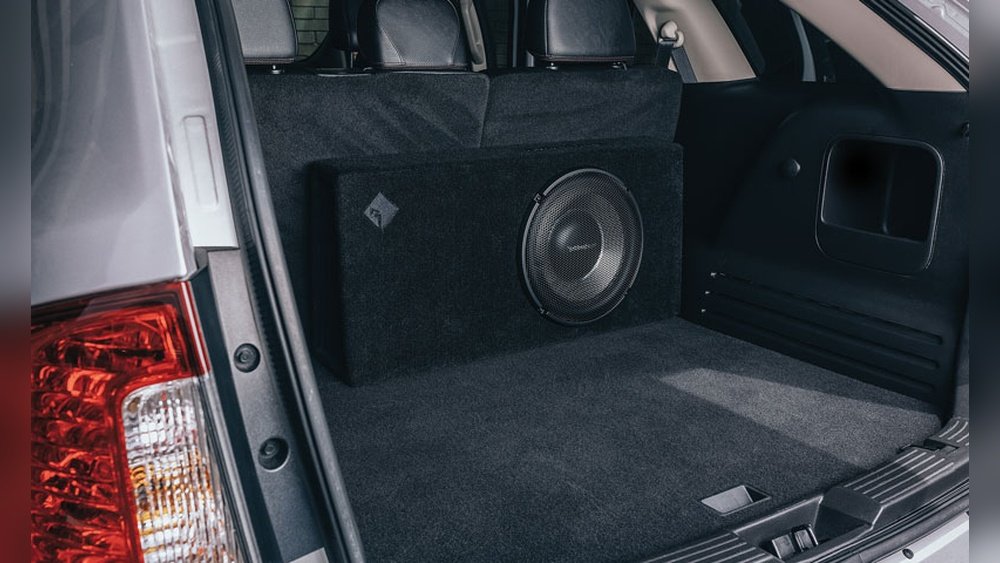
Subwoofers need boxes to perform well in a car. The box shapes the sound and protects the speaker. Without a box, the subwoofer cannot produce clear bass. The box controls air movement, which affects sound quality and speaker safety. This section explains why subwoofers need boxes and how they improve your audio experience.
Air Pressure And Sound Quality
The box holds air inside, creating pressure behind the subwoofer cone. This pressure controls the cone’s movement and helps produce deeper bass. Without a box, the cone moves too freely, causing weak or distorted sound. A well-designed box balances air pressure for smooth, rich bass tones. This improves the overall sound quality in your car.
Protecting Your Subwoofer
The subwoofer box acts like a shield. It protects the subwoofer from damage caused by dust, moisture, and vibrations. The box keeps the subwoofer stable and prevents it from moving inside your car. This extends the life of the subwoofer and keeps it working well for longer. A secure box also reduces rattling noises that affect sound clarity.
Preventing Excessive Excursion
Excursion means how far the subwoofer cone moves back and forth. Too much movement can damage the subwoofer’s voice coil or suspension. The box limits this excursion by controlling air pressure and cone movement. This keeps the subwoofer safe from over-exertion and mechanical failure. A proper box design ensures reliable performance without risking damage.
Types Of Subwoofer Boxes
Choosing the right subwoofer box affects your car’s bass quality and overall sound. Subwoofer boxes come in different types, each designed to produce unique sound effects. Knowing these types helps pick the best box for your listening style and space.
Sealed Boxes For Tight Bass
Sealed boxes are airtight enclosures for subwoofers. They deliver precise, tight bass with good sound accuracy. These boxes are smaller and easier to fit in cars. Sealed boxes control the subwoofer cone movement well. This control reduces distortion and improves sound clarity.
Ported Boxes For Boomy Bass
Ported boxes have one or more holes called ports or vents. They allow air to move in and out of the box. This design makes the bass louder and deeper, often called boomy bass. Ported boxes are larger and need more space in the car. They work well for people who want powerful bass impact.
Free-air Or Infinite Baffle Systems
Free-air systems do not use a box. Instead, the subwoofer mounts directly to the car’s body or a large panel. This setup saves space and produces flat bass response. The subwoofer must be designed for free-air use to avoid damage. These systems usually handle less power and offer less bass than boxed ones.
Choosing The Right Box For Your Car
Choosing the right box for your car subwoofer affects sound quality and performance. A proper enclosure helps your subwoofer deliver clear and powerful bass. The box type, size, and compatibility with your subwoofer must fit your car’s space and your music style. This section guides you through picking the best box for your setup.
Matching Box Type To Music Style
Different boxes create different bass sounds. Sealed boxes give tight and accurate bass. They work well for jazz, classical, and rock music. Ported boxes offer louder and booming bass. These are great for hip-hop, EDM, and pop music. Choose a box type that matches how you enjoy your music most.
Considering Available Space
Space inside your car limits the size of the subwoofer box. Measure the area where you want to place the box. Smaller cars need compact boxes to fit well. Larger vehicles can handle bigger enclosures for more bass power. Plan the box size carefully to avoid blocking seats or storage.
Subwoofer Compatibility
Each subwoofer has specific box requirements for best sound. Check the manufacturer’s recommendations for enclosure type and volume. Using the wrong box can damage the subwoofer or reduce sound quality. Match the box volume and design to your subwoofer’s needs. This ensures longer life and better performance.

Credit: audiointensity.com
Diy Vs Store-bought Enclosures
Choosing between a DIY subwoofer box and a store-bought enclosure affects sound quality and installation. Each option offers unique advantages. Understanding these can help you decide the best fit for your car audio needs.
Benefits Of Custom Boxes
Custom boxes allow precise tuning for your subwoofer. You can match the box size to your subwoofer’s specifications. This control improves bass response and sound clarity. Custom boxes fit perfectly in your car’s available space. They let you pick materials and design styles. Building your own box can save money. Plus, it offers a rewarding hands-on project for enthusiasts.
Convenience Of Pre-made Boxes
Pre-made boxes come ready to install. They save time and require no special tools. These boxes usually meet common subwoofer sizes and types. Most are tested for good sound performance. They reduce the risk of errors in design or construction. Many options exist online and in stores. This makes it easy to find one that fits your budget and car.
Materials And Build Quality
Quality materials affect sound and durability. Custom boxes often use MDF wood for strong, dense construction. This reduces unwanted vibrations. Store-bought boxes vary in material quality. Some use cheaper wood or plastic, which may affect sound. Check if the box is sealed well to prevent air leaks. Proper build quality ensures long-lasting performance and better bass.
Installing A Subwoofer Box In Your Car
Installing a subwoofer box in your car improves sound quality and protects your subwoofer. The enclosure helps the subwoofer deliver deep, clear bass. Proper installation is key for best performance and safety. Follow these simple steps to set up your subwoofer box correctly.
Placement Tips For Best Sound
Place the subwoofer box in your car’s trunk or rear area. Avoid placing it near doors or windows to reduce sound distortion. Position the box so the speaker faces the back of the car. This setup helps the bass reflect and fill the interior. Test different spots to find the best sound. Keep the box away from items that may block the sound waves.
Wiring And Amplifier Setup
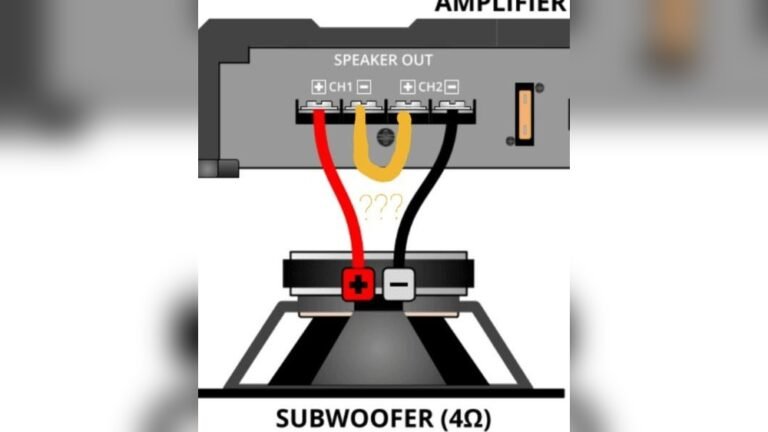
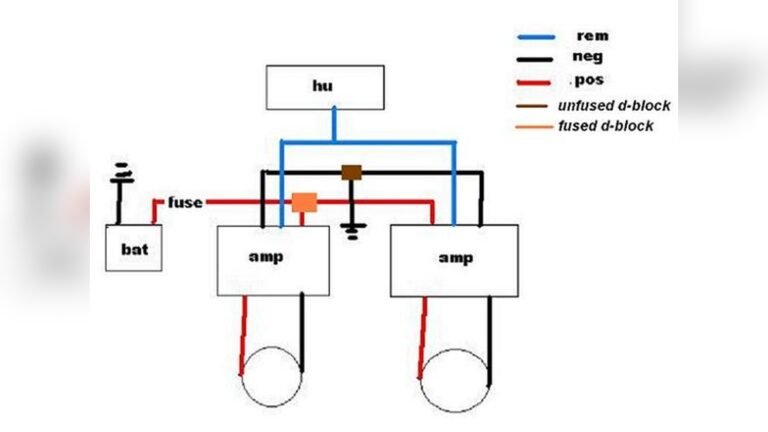
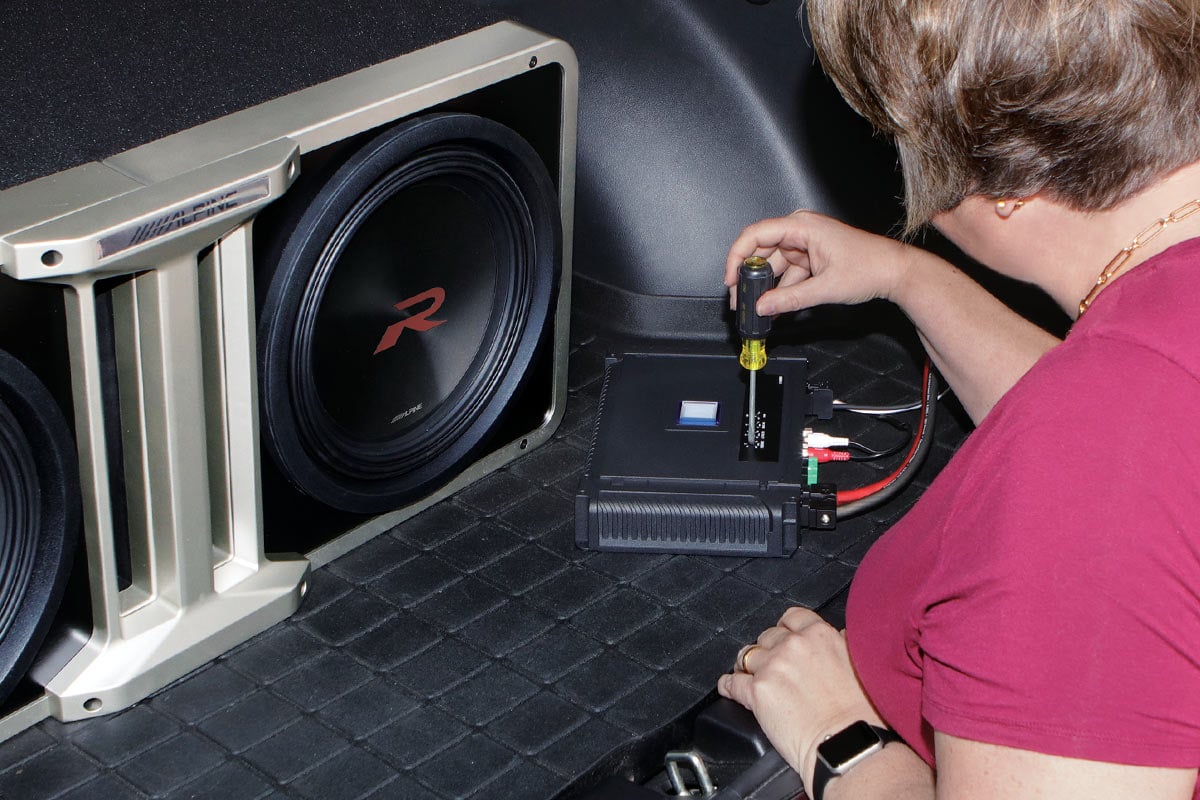
Use quality cables to connect the subwoofer to the amplifier. Run the power wire from the battery with a fuse near the battery terminal. Connect the ground wire to a clean, metal part of the car’s body. Use RCA cables for the audio signal from the head unit to the amplifier. Adjust the amplifier’s gain and crossover settings for clear bass without distortion. Double-check all connections before powering on.
Securing The Enclosure Safely
Secure the subwoofer box using straps or brackets. Prevent the box from moving while driving to avoid damage or injury. Use non-slip mats under the enclosure for extra grip. Tighten all fasteners firmly, but avoid over-tightening. Check the enclosure’s stability regularly. A well-secured box protects your gear and keeps your car safe.
Credit: www.crutchfield.com
Common Mistakes To Avoid
Installing a subwoofer in your car can boost your music’s bass. Avoid common mistakes that harm sound quality and damage your equipment. Understanding what to steer clear of helps protect your subwoofer and improves your listening experience.
Using Subwoofers Without Boxes
Many skip using a box, thinking the subwoofer will work fine alone. Without a box, the sound is weak and unclear. The subwoofer cone moves too much and can break easily. Boxes control the air pressure and improve sound quality. Avoid running your subwoofer without a proper enclosure.
Incorrect Box Size Or Type
Choosing the wrong box size hurts sound performance. A box too small or too large changes the bass tone. Using a sealed box instead of a ported one can affect the bass style. Match the box type to your subwoofer’s specifications. Always check the recommended size for your subwoofer model.
Poor Installation Practices
Improper installation causes rattling and poor sound. Loose screws or bad wiring reduce bass quality. Avoid placing the box where it can move or vibrate. Secure the box firmly and use quality cables. Proper installation keeps your subwoofer safe and sounding great.
Enhancing Bass Performance
Boosting bass performance in your car requires more than just a powerful subwoofer. The right setup enhances sound quality and protects your equipment. A proper enclosure shapes how bass sounds and feels. Small changes can make a big difference in your listening experience.
Explore ways to improve bass with box types, sound dampening, and better electronics. These steps help deliver deep, clean, and strong bass that fills your car without distortion.
Tuning Sealed Vs Ported Boxes
Sealed boxes offer tight, accurate bass. They control the subwoofer’s movement well, reducing distortion. The sound is smooth and precise, perfect for music with deep, punchy bass.
Ported boxes add extra volume and louder bass. They use vents or ports to increase airflow and boost low frequencies. This design creates a booming, more powerful bass experience.
Choose sealed for clarity and control. Pick ported for louder, more energetic bass. The type of music and your bass preference guide this choice.
Adding Sound Dampening Materials
Sound dampening materials reduce vibrations and unwanted noise in your car. They stop panels from rattling and improve overall sound quality. Use foam, mats, or sprays inside doors and around the subwoofer area.
These materials keep bass tight and clean by limiting sound waves that cause distortion. Your music feels clearer and more enjoyable at all volume levels.
Upgrading Amplifiers And Wiring
A strong amplifier powers your subwoofer properly. It controls how much power the sub gets, affecting bass volume and quality. Choose an amp that matches your subwoofer’s power needs.
Good wiring ensures efficient power flow from the battery to the subwoofer. Use thick, high-quality cables for better performance and less power loss. Proper installation avoids shorts and signal loss.
Upgraded amps and wiring improve bass impact and reduce distortion. Your system sounds fuller and more balanced.

Credit: audiointensity.com
Frequently Asked Questions
Can I Run A Subwoofer Without A Box?
You can run a subwoofer without a box, but sound quality will suffer, and the speaker may get damaged. Boxes improve bass response and protect the subwoofer. Some subs are designed for free-air use, but most need an enclosure for optimal performance and durability.
Does A Car Subwoofer Need To Be In A Box?
A car subwoofer needs a box to produce quality bass and prevent damage. Boxes control sound waves and improve performance. Free-air subwoofers exist but require special design and offer lower power handling. For best sound and durability, always use a proper enclosure.
Do I Need A Box For My Subwoofer?
Yes, a subwoofer needs a box to perform properly. The enclosure controls sound quality and protects the speaker.
Can You Just Put A Subwoofer In Your Car?
You can install a subwoofer alone, but it needs a proper enclosure for best sound and durability. Without a box, bass quality suffers and the subwoofer may get damaged. Choose a sealed or ported box based on your bass preference to optimize performance.
Conclusion
A subwoofer performs best inside a proper enclosure. The box controls sound quality and protects the subwoofer. Without a box, bass sounds weak or distorted. Different box types create different bass tones. Choose a box that fits your music style and car space.
Installing a box is simple and improves your audio experience. A good enclosure helps your subwoofer last longer too. So, investing time in a box pays off with better sound.