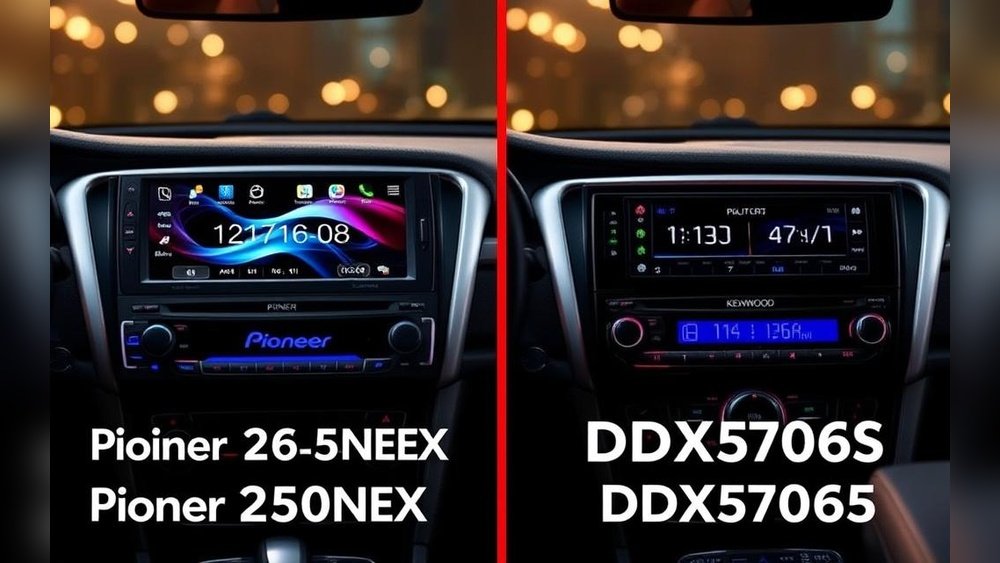
Is the Pioneer Avh 2550Nex Better Than the Kenwood Ddx5706S?
Car audio technology is advancing fast. Drivers want more than just good sound—they look for touchscreen displays, smartphone connections, and easy controls. Two popular choices for double-DIN head units are the Pioneer AVH 2550NEX and the Kenwood DDX5706S. Both are from respected brands and offer modern features. But is the Pioneer AVH 2550NEX really better than the Kenwood DDX5706S? This guide breaks down what matters most so you can choose the right stereo for your car.
Quick Overview: Pioneer Avh 2550nex Vs Kenwood Ddx5706s
Let’s start with a quick comparison. Both units are in a similar price range and target everyday drivers who want smartphone integration and a nice display.
Here’s a side-by-side look at the basics:
| Feature | Pioneer AVH 2550NEX | Kenwood DDX5706S |
|---|---|---|
| Screen Size | 6.8 inches | 6.8 inches |
| Touchscreen Type | Clear Resistive | Clear Resistive |
| Apple CarPlay & Android Auto | Yes (Wired) | Yes (Wired) |
| Bluetooth | Yes | Yes |
| HD Radio | Yes | No |
| DVD/CD Player | Yes | Yes |
| Camera Inputs | 2 | 1 |
| Customizable Display | Yes | Yes |
| Price Range (2024) | $400–$450 | $350–$400 |
Both models cover most needs, but there are clear differences when you look closer.
Display And Interface
A car stereo’s screen is your main point of contact, especially when driving. Both models use a 6.8-inch clear resistive touchscreen. This means the displays are bright but not as sharp or sensitive as capacitive screens (like on smartphones). Beginners often confuse “resistive” and “capacitive”—resistive is less sensitive, but more durable in harsh temperatures.
What sets the Pioneer apart is its customizable home screen. You can move icons and set shortcuts for your favorite apps. Kenwood’s interface is also clean but less customizable.
Both offer:
- Large, easy-to-read icons.
- Brightness adjustment for day and night use.
- Simple navigation.
For beginners, the difference is small. But if you want more control over your screen layout, Pioneer gives you more options.

Credit: www.ebay.com
Smartphone Integration
Smartphone connection is now a must-have. Both units support Apple CarPlay and Android Auto (wired connection). This lets you use maps, music, and calls safely from the dashboard.
What beginners might not realize is that “wired” means you need to plug your phone into the USB port. Neither model offers wireless CarPlay or Android Auto. For most users, this is not a big issue, but it’s important to know before buying.
Both models also support Bluetooth for hands-free calls and wireless audio streaming. Pairing is simple—just activate Bluetooth on your phone and follow the on-screen prompts.
A few practical examples:
- You can use Google Maps or Apple Maps for navigation.
- Control Spotify, Pandora, or local music from your phone.
- Send and receive messages using voice commands.
Pioneer adds iDataLink Maestro compatibility, which can keep some factory car features (like steering wheel controls) when upgrading your stereo. Kenwood also offers this, but Pioneer’s setup is often smoother for beginners.
Audio Quality And Sound Controls
For many, sound quality is the main reason to upgrade. Both Pioneer and Kenwood deliver better sound than most factory units, but there are differences.
Pioneer AVH 2550NEX offers:
- 13-band graphic equalizer for precise tuning.
- High- and low-pass filters for better speaker control.
- Loudness and Bass Boost features.
Kenwood DDX5706S offers:
- 13-band equalizer as well.
- Digital Time Alignment to fine-tune speaker timing for driver position.
- Drive EQ to reduce road noise.
A non-obvious insight: Kenwood’s Digital Time Alignment is great if you want the sound to feel centered on the driver’s seat. Pioneer’s tuning is more straightforward but still powerful for most listeners.
Both units support:
- FLAC audio files (high-quality).
- Subwoofer control.
- Expansion for amplifiers.
For pure sound tuning, Kenwood gives a bit more advanced control. For most users, Pioneer’s options are more than enough.
Media Playback And Connectivity
Music lovers want options. Both models support:
- CD/DVD playback for physical media.
- USB input for flash drives.
- AUX input for older devices.
- Bluetooth streaming.
But Pioneer AVH 2550NEX adds HD Radio—free, higher-quality digital radio in cities. Kenwood does not have HD Radio in this model.
Both models also support SiriusXM (with a separate tuner purchase) and have support for rear camera input. Pioneer allows two camera inputs (front and rear), while Kenwood allows only one.
A practical detail: If you plan to add a front parking camera or trailer camera, Pioneer’s dual input is a big plus.
Installation And Compatibility
Installing a double-DIN unit isn’t always simple. Both Pioneer and Kenwood are designed for wide vehicle compatibility, but the details matter.
Key points for both:
- Fit in most standard double-DIN dashboards.
- Include wiring harnesses and mounting hardware.
- Support for steering wheel controls (with extra adapter).
- Firmware updates via USB.
Pioneer’s menus are a bit more user-friendly for beginners. Kenwood sometimes requires more steps to change settings or update firmware.
A beginner mistake: Not checking if your car needs extra adapters for things like steering wheel controls or backup cameras. Always check your vehicle’s compatibility before buying.
Expandability And Future-proofing
Technology changes fast. It’s smart to buy a head unit that can handle future needs.
Both Pioneer AVH 2550NEX and Kenwood DDX5706S offer:
- Firmware updates (to add features or fix bugs).
- Compatibility with most aftermarket amplifiers and speakers.
- Support for backup cameras.
But Pioneer’s iDataLink Maestro support is a bit wider, meaning it can work with more car models and retain more factory features. Kenwood is good here, but Pioneer often gets updates first.
If you plan to keep your car for many years or might upgrade more parts, Pioneer is slightly more future-proof.
User Experience And Interface Speed
Responsiveness matters. Nobody wants a laggy stereo.
Pioneer’s interface is known for:
- Fast boot-up time (ready in seconds after you start the car).
- Smooth transitions between menus.
- Intuitive controls—easy for beginners to learn.
Kenwood’s interface is also good but sometimes slower, especially when switching between apps or sources.
A small but important detail: Pioneer’s volume knob is larger and easier to use while driving, compared to Kenwood’s smaller buttons.
Reliability And Brand Reputation
Both Pioneer and Kenwood have long histories in car audio. They offer:
- Good warranty coverage (typically 1 year).
- Reliable customer support.
- Regular firmware updates.
Pioneer units are famous for long-term durability. Many users report 5+ years of use with few issues. Kenwood is also reliable, but some users have noted occasional slowdowns or touch sensitivity problems after heavy use.
If you want the safest bet for long-term reliability, Pioneer has a slight edge.
Value For Money
Let’s talk cost. Pioneer AVH 2550NEX is usually $50–$100 more expensive than Kenwood DDX5706S. Is it worth the extra money?
Pioneer gives you:
- HD Radio.
- Dual camera input.
- Smoother interface.
- Wider iDataLink Maestro support.
Kenwood gives you:
- Lower price for similar basics.
- Advanced sound tuning (Digital Time Alignment).
- Trusted brand reputation.
If you want every feature and plan to keep your car for years, Pioneer’s extra cost is justified. If you want good value and basic features, Kenwood is a solid choice.
Credit: www.ebay.com
Real-world Example: Daily Use
Consider “Mike,” a beginner who drives a 2015 Toyota Corolla. He wants easy phone calls, maps, and better music.
- With Pioneer, Mike enjoys customizing his home screen and using HD Radio during long commutes. He plugs in both a backup and a front camera for safer parking.
- With Kenwood, Mike gets great sound, but only one camera. He saves a bit of money but misses HD Radio.
For most beginners, both are great. But Pioneer offers more flexibility, especially if you want extra features.
Comparison Table: Key Features And Differences
To highlight the main differences, here’s another side-by-side table:
| Feature | Pioneer AVH 2550NEX | Kenwood DDX5706S |
|---|---|---|
| HD Radio | Yes | No |
| Dual Camera Inputs | Yes | No |
| Customizable Home Screen | Yes | Limited |
| Digital Time Alignment | No | Yes |
| Firmware Updates | Yes (USB) | Yes (USB) |
| iDataLink Maestro Support | Wide | Good |
| Price (2024) | $400–$450 | $350–$400 |
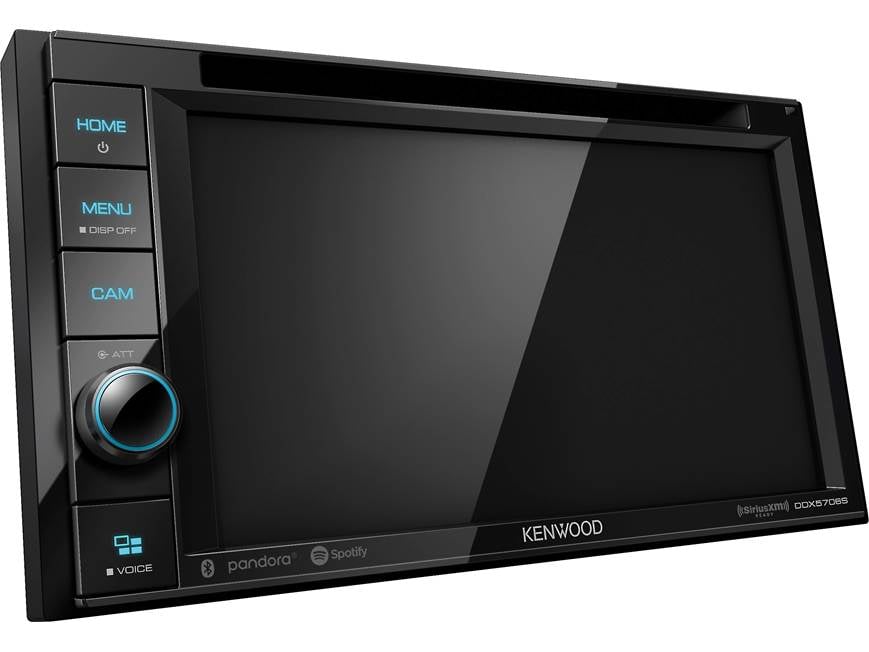
Credit: www.crutchfield.com
Common Mistakes Beginners Make
- Forgetting About Wired Connection: Many think CarPlay and Android Auto are always wireless. Both models need a USB cable.
- Not Checking Camera Inputs: If you want both front and rear cameras, Kenwood’s single input may disappoint.
- Ignoring HD Radio: If you live in a city with HD Radio, Pioneer gives you extra free channels and better sound.
- Overlooking Installation Needs: Some cars need extra adapters for steering wheel controls or factory amps. Always check before buying.
- Judging by Price Only: Sometimes the cheaper unit lacks a key feature you want. Compare features, not just price.
Who Should Choose Pioneer Avh 2550nex?
- You want HD Radio for better FM/AM sound.
- You need two camera inputs (front and rear).
- You like customizing your home screen layout.
- You want a smoother, faster interface.
- Your car needs advanced iDataLink Maestro support.
- You value long-term reliability.
Who Should Choose Kenwood Ddx5706s?
- You want a lower price but still need CarPlay and Android Auto.
- You prefer more advanced sound tuning (like Digital Time Alignment).
- You only need one camera input.
- You value Kenwood’s brand reputation.
- You don’t need HD Radio.
Final Verdict: Which Is Better?
Both the Pioneer AVH 2550NEX and the Kenwood DDX5706S are excellent choices for upgrading your car’s stereo. Pioneer wins on features, speed, and future-proofing—but at a higher price. Kenwood is a good value for those who want solid basics and a little more control over sound.
If you need HD Radio, dual camera inputs, and a customizable interface, Pioneer is the clear winner. If your budget is tighter and you care more about advanced sound tuning, Kenwood is a strong pick.
Before buying, make a list of the features that matter most for your driving. That way, you’ll be happy with your choice for years to come.
For more detailed specs and the latest pricing, the official Crutchfield comparison is a great resource.
Frequently Asked Questions
Is Pioneer Avh 2550nex Compatible With My Car?
In most cases, yes. The Pioneer AVH 2550NEX fits any car with a double-DIN opening. Some vehicles need extra installation kits or adapters, especially for steering wheel controls or factory amplifiers. Check your car’s compatibility before buying.
Does Kenwood Ddx5706s Support Wireless Carplay Or Android Auto?
No, the Kenwood DDX5706S supports wired CarPlay and Android Auto only. You need to connect your phone using a USB cable. Wireless is not available on this model.
Can Both Units Play Cds And Dvds?
Yes, both Pioneer AVH 2550NEX and Kenwood DDX5706S include a CD/DVD slot. You can watch movies (while parked), listen to music, or play audio books from discs.
Which Unit Is Easier For Beginners To Use?
Pioneer AVH 2550NEX is slightly easier for beginners. Its menus are more intuitive, the home screen can be customized, and the large volume knob is simple to use while driving. Kenwood is also beginner-friendly but has more advanced sound settings.
Do I Need Professional Installation?
Professional installation is recommended, especially for beginners. Modern head units often need special wiring, adapters, and careful setup. A pro installer ensures everything works—steering wheel controls, cameras, and sound—without problems. If you’re confident with car electronics, both units come with instructions for DIY installation.