How to Bypass Voltage Regulator on an Alternator Safely
Bypassing a voltage regulator on an alternator is a task that attracts both curiosity and caution. Many car owners or DIY mechanics consider it when facing charging issues or aiming to run custom electrical setups. But before you start, it’s important to understand what a voltage regulator does, why someone might bypass it, and the possible risks.
This guide will walk you through the process in clear, practical steps. You’ll learn not just the “how,” but also the “why,” and see where beginners often make critical mistakes.
What Does A Voltage Regulator Do?
Every alternator in a vehicle includes a voltage regulator. Its main job is to control the output voltage of the alternator, keeping it within a safe range (usually 13.8–14.4 volts for most cars). This prevents overcharging or undercharging your battery.
- Overcharging can damage the battery and electronic components.
- Undercharging leads to a weak battery and poor system performance.
Without a working regulator, the alternator can output too much or too little voltage, causing bigger problems.
Why Would You Bypass The Voltage Regulator?
Bypassing the voltage regulator is not a common repair. But people do it for several reasons:
- Testing the alternator: Mechanics sometimes bypass the regulator to check if the alternator itself is working.
- Emergency situations: If the regulator fails and you need to get home, a bypass may help for a short distance.
- Custom electrical setups: Some racing or off-road vehicles use aftermarket or external regulators for more control.
However, bypassing is never a long-term solution for street vehicles. It’s mostly for temporary use or special projects.
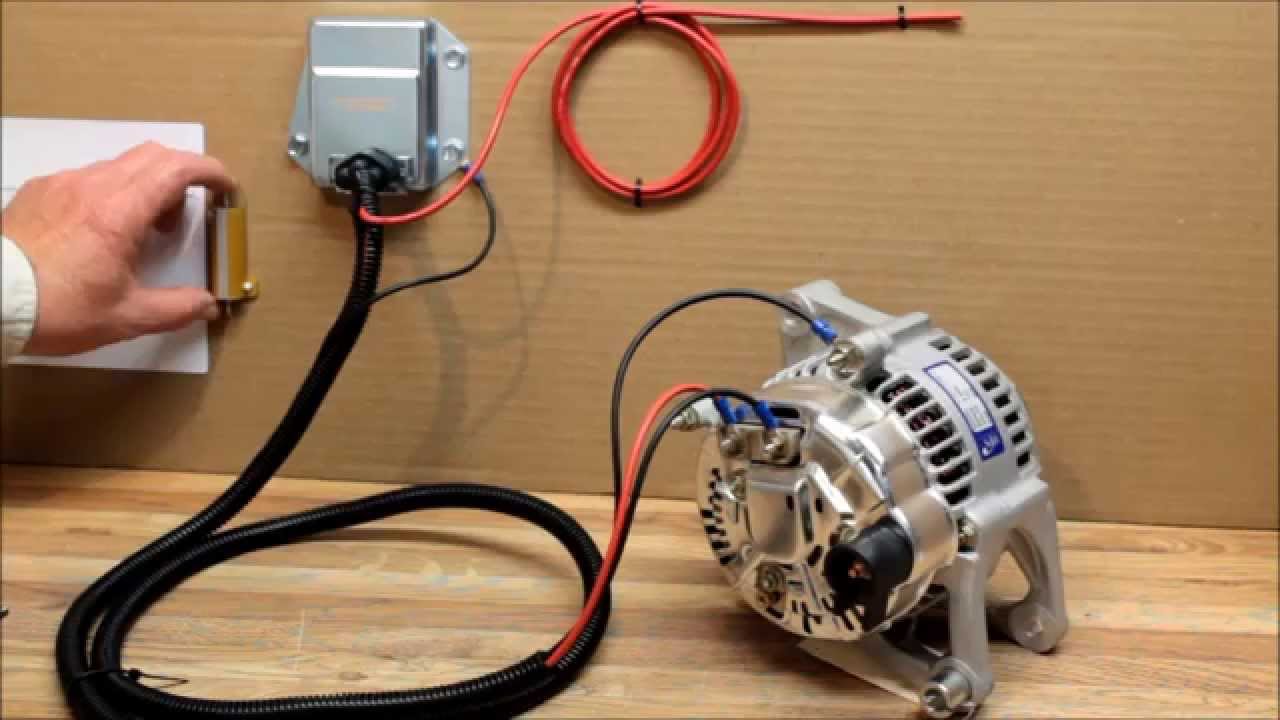
Credit: www.youtube.com
Tools And Materials You’ll Need
Before starting, gather the following:
- Basic hand tools (screwdrivers, pliers, socket set)
- Insulated wire (at least 14 gauge)
- Electrical tape or heat shrink tubing
- Voltmeter or multimeter
- Wiring diagram for your specific alternator
- Safety glasses and gloves
Tip: Always disconnect the battery before working on your alternator.
How Alternator Voltage Regulation Works
To really understand bypassing, you should know how an alternator and regulator work together. Here’s a simple explanation:
- The alternator creates AC voltage as it spins.
- The diode bridge inside changes AC to DC voltage.
- The voltage regulator senses the battery voltage. If voltage is too low, it increases alternator output. If it’s too high, it reduces the output by controlling current to the rotor (field winding).
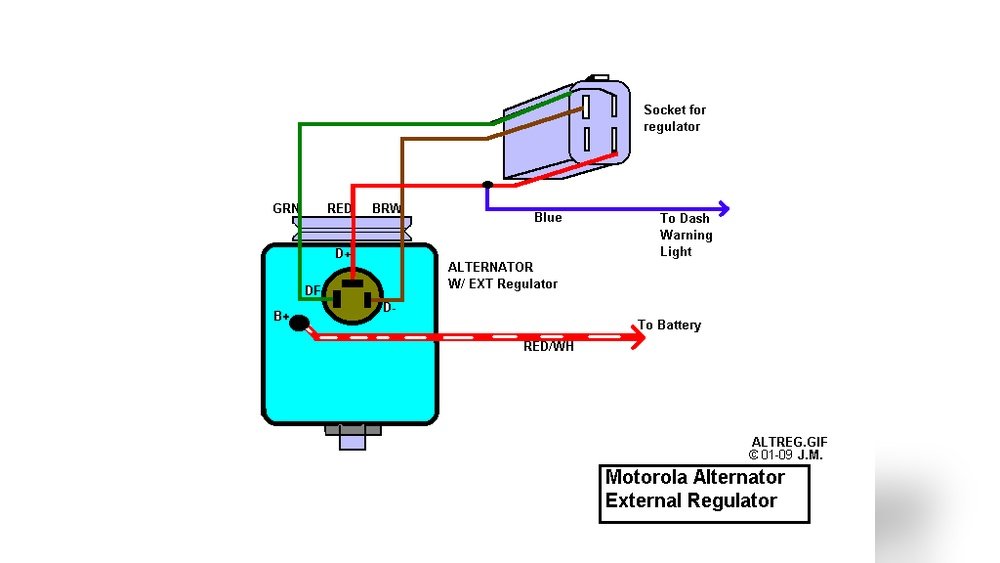
Most modern alternators have internal regulators. Older vehicles may have an external regulator mounted on the fender or firewall.
Common Signs Your Voltage Regulator Is Failing
Before you bypass, make sure you really need to. Watch for these symptoms:
- Dashboard battery/charging warning light stays on
- Headlights get brighter or dimmer with engine speed
- Battery overcharging (bulging, leaking, hot)
- Battery undercharging (car hard to start, lights dim)
- Alternator making whining or buzzing noises
If you see these signs, test your voltage regulator before deciding to bypass it.
Step-by-step: How To Bypass A Voltage Regulator On An Alternator
Bypassing depends on your alternator type. This guide focuses on internal regulator alternators, which are most common. If yours is external, the steps are similar but wiring locations will differ.
1. Locate The Alternator And Identify Terminals
Find your alternator. You’ll see three common terminals:
- B+ (Battery positive): Large wire going to battery
- Field (F or FLD): Controls the rotor
- Ground (G or E): Sometimes present
Consult your vehicle’s wiring diagram if you’re unsure. The field wire is the key to bypassing the regulator.
2. Disconnect The Battery
Always disconnect the negative battery cable to avoid short circuits.
3. Access The Regulator Wiring
- For internal regulators: Find the plug or harness on the alternator.
- For external regulators: Locate the regulator box and its connections.
You may need to remove the alternator for better access.
4. Identify The Field Wire
Use your wiring diagram or alternator markings. The field terminal often has a small wire separate from the main output.
Example: In many GM alternators, the field wire is labeled “F” or “1”.
5. Create A Bypass Wire
- Cut a piece of insulated wire (about 12 inches).
- Strip 1/2 inch from each end.
- Connect one end to the field terminal on the alternator.
- Connect the other end to a switched 12V source (ignition ON position).
This bypasses the regulator by feeding direct battery voltage to the field coil. Use a fuse (5A) in your bypass wire for safety.
Warning: Do NOT connect the field directly to battery positive without a switch or fuse. This can burn out the alternator.
6. Insulate And Secure All Connections
- Wrap connections with electrical tape or use heat shrink tubing.
- Route the wire away from moving engine parts.
- Reconnect the battery.
7. Test The Alternator Output
- Start the engine.
- Measure voltage at the battery with a multimeter.
- You should see unregulated voltage, often 15V–18V (depending on engine speed).
If voltage is too high, turn off the engine immediately.
8. Monitor Closely
Never drive long distances with the regulator bypassed. Unregulated voltage can:
- Destroy the battery
- Damage lights and electronics
Only use this setup for short-term testing or emergencies.
Example: Bypassing A Regulator On A Gm Alternator
GM’s classic alternators (like the Delco 10SI) are popular for this kind of work. Here’s a real-world example:
- Identify the 2-pin connector. “1” is the field, “2” is voltage sense.
- Cut a 14-gauge wire, add a fuse holder, and connect to the “1” terminal.
- Connect the other end to a switched 12V source (like the ignition coil wire).
- Start the engine. Use a voltmeter at the battery.
- If you see over 15V, switch off right away.
This method helps test if the alternator itself works, or if the regulator is the problem.
Comparing Internal And External Regulators
Here’s a simple comparison for clarity:
| Feature | Internal Regulator | External Regulator |
|---|---|---|
| Location | Inside alternator | Mounted separately |
| Wiring Complexity | Simpler | More complex |
| Bypass Difficulty | Moderate | Usually easier |
| Common in | Modern vehicles | Older vehicles |
Risks Of Bypassing The Voltage Regulator
Bypassing is risky. Here’s what can go wrong:
- Overcharging: Alternator may output 16–20V, harming the battery.
- Component damage: Radios, ECUs, and sensors can burn out.
- Fire hazard: Loose or uninsulated wires may cause shorts or fire.
Always use a fuse, and never bypass for daily driving.
Safer Alternatives To Bypassing
If your regulator is bad, consider these options instead:
- Replace the regulator: Most alternators let you swap out just the regulator.
- Install an external regulator: Some vehicles can use a universal external regulator for better control.
- Replace the alternator: If the unit is old, a new alternator is often the best long-term fix.

Credit: www.youtube.com
Practical Data: Voltage Levels To Watch
Understanding voltage helps you stay safe. Here’s a quick reference for common alternator voltages:
| Condition | Normal Voltage | Warning Level |
|---|---|---|
| Engine Off | 12.4V – 12.7V | Below 12.2V |
| Engine Idle (Regulated) | 13.8V – 14.4V | Above 14.7V |
| Bypassed Regulator | 15V – 18V | Over 15V is unsafe |
If you see voltage above 15V, stop and reconnect the regulator.
Common Mistakes Beginners Make
Many beginners run into trouble. Here are mistakes you should avoid:
- Not using a fuse on the bypass wire (increases fire risk)
- Leaving the bypass connected for daily driving (damages system)
- Misidentifying the field terminal, causing no output or a short circuit
- Ignoring battery health—an old or weak battery may not handle unregulated voltage
Pro tip: Always double-check wiring with a diagram, and use a multimeter to confirm each connection before starting the engine.
When Should You Not Bypass The Regulator?
Never bypass the regulator if:
- Your car uses sensitive electronic modules (newer cars, 2000+)
- You lack the correct wiring diagram
- You want a permanent solution (bypassing is temporary)
In these cases, replacing the regulator or alternator is safer and more reliable.
What To Do After Bypassing
After testing or driving with a bypass:
- Reconnect the regulator or replace it before regular use.
- Check battery voltage with the engine off and running.
- Inspect all electrical components for signs of overvoltage (burnt bulbs, error codes).
If any issues appear, stop and seek professional help.

Credit: www.lectriclimited.com
Real-world Example: Emergency Bypass Scenario
Imagine you’re on a trip and your voltage regulator fails, causing the battery light to come on. With basic tools and wire, you can:
- Disconnect battery and find the field terminal.
- Run a fused wire from field to ignition source.
- Start engine and drive to the nearest shop.
This can save you from being stranded, but always reconnect the regulator or replace it as soon as possible.
Modern Solutions: External Adjustable Regulators
Some enthusiasts want more control over charging voltage. Aftermarket adjustable regulators can be installed externally. These let you set the voltage for special batteries (like AGM or lithium) or manage performance.
Note: This is advanced and should be done only if you understand your vehicle’s electrical system well.
For a detailed technical look at alternator and regulator design, see this Wikipedia article.
Frequently Asked Questions
What Happens If You Bypass The Voltage Regulator For Too Long?
Running without a regulator can cause overcharging, which may ruin your battery, damage electronics, and even cause fire. Always reconnect or replace the regulator as soon as you can.
Can You Bypass The Voltage Regulator On All Alternators?
Not all alternators allow easy bypassing. Some modern alternators have built-in electronic control that cannot be bypassed with a simple wire. Always check your wiring diagram and alternator type first.
Is It Safe To Drive With A Bypassed Regulator?
It’s only safe for short distances. Unregulated voltage can go over 16V, which most car electronics cannot handle. Use this method only for emergency or testing purposes.
How Do I Know If My Alternator Or Regulator Is The Problem?
Test the alternator by bypassing the regulator as described. If voltage output is normal when bypassed, the regulator is likely bad. If there’s still no output, the alternator itself may be faulty.
What Tools Do I Need To Bypass An Alternator Voltage Regulator?
You need insulated wire, a fuse, a multimeter, basic hand tools, and a good wiring diagram. Safety glasses and gloves are also recommended.
Bypassing a voltage regulator on an alternator is a useful skill for emergencies or testing. But always remember: it’s a short-term fix, not a permanent solution. Take all safety steps, use a fuse, and don’t run unregulated voltage longer than necessary. When in doubt, consult a professional or replace the faulty part to keep your vehicle safe and reliable.