How Do You Hook Up Subs to a Stock Radio: A Step-by-Step Guide
Hooking up a subwoofer to a stock radio can sound intimidating, especially if you’re new to car audio. Many car owners want more bass, but they don’t want to replace the factory stereo. The good news is you can add subs to almost any stock radio with the right tools and know-how. This guide will walk you through everything in simple steps, from planning to final installation, using plain language and practical advice.
Why Add Subs To A Stock Radio?
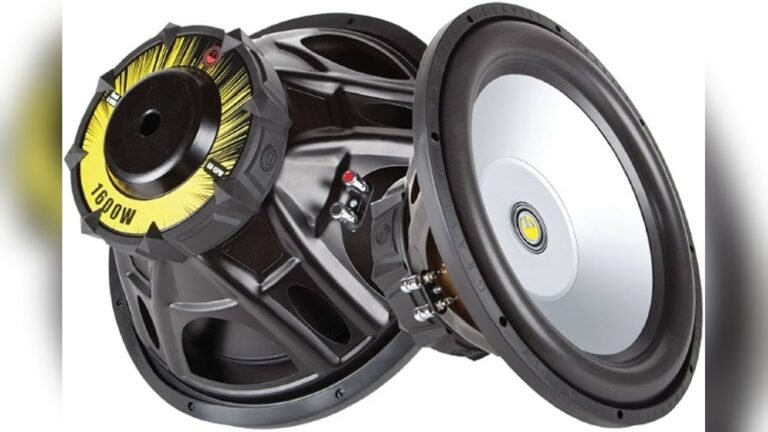
Most factory car radios focus on clear sound but often lack deep bass. Factory speakers are not built to deliver the thump and punch that a subwoofer can give. If you listen to hip-hop, EDM, or even rock, you’ll notice a big difference with a subwoofer. Plus, upgrading only the bass saves money compared to replacing the whole system.
What You’ll Need To Get Started
Before you begin, gather the main tools and parts. Having everything ready will make the process smoother:
- Subwoofer (powered or passive)
- Amplifier (if you use a passive sub)
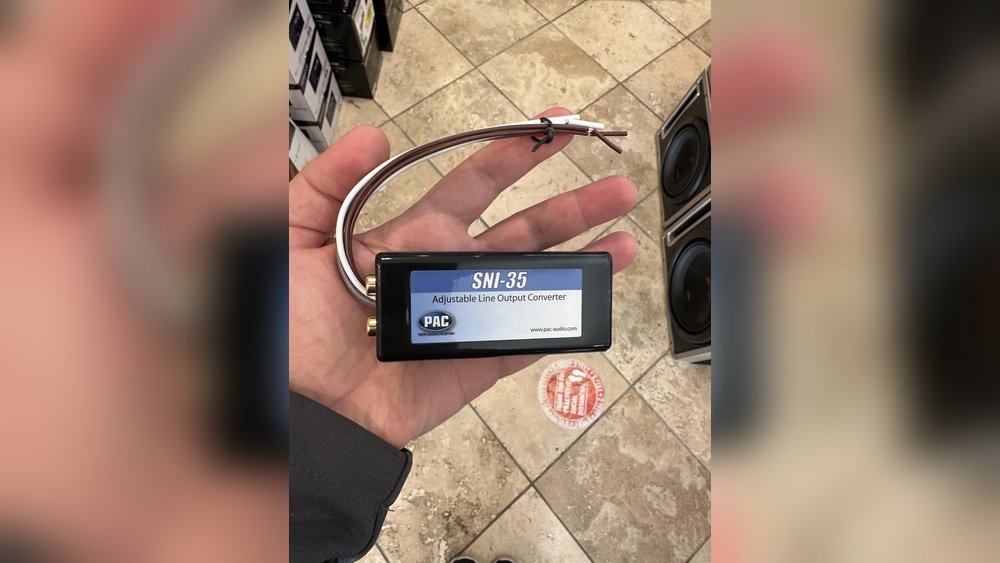
- Line Output Converter (LOC)
- Wiring kit (power, ground, RCA cables, speaker wire, fuse)
- Wire cutters and strippers
- Electrical tape
- Screwdrivers and panel removal tools
- Test light or multimeter
- Zip ties
Pro tip: Most beginners forget the LOC, which is crucial for connecting to a stock radio that lacks RCA outputs.
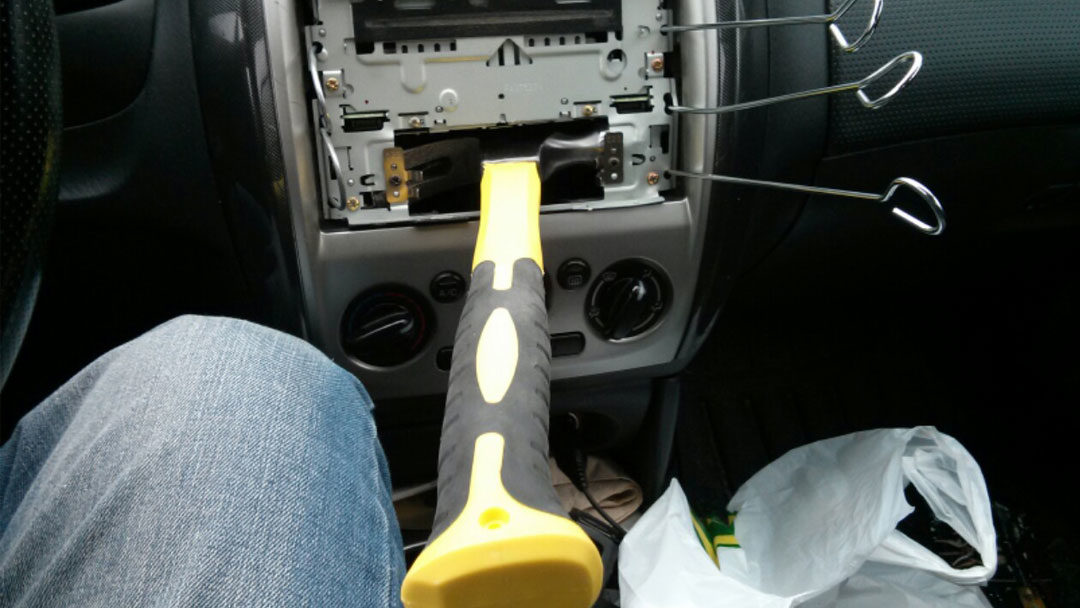
Credit: hi-techcaraudio.com
Understanding The Basics: How A Subwoofer Connects
A stock radio usually doesn’t have RCA outputs for an amplifier. Instead, it sends audio to speakers through regular speaker wires. To connect a subwoofer, you’ll need to convert these signals.
- Line Output Converter (LOC): Converts speaker-level signal to RCA-level for the amp.
- Power: The amplifier needs a direct connection to the car battery.
- Ground: The amplifier must be grounded to the car’s chassis.
- Remote Turn-On: Tells the amp when to power up (usually from the radio’s accessory wire or a fuse tap).
Choosing The Right Subwoofer Setup
You can choose a powered subwoofer (sub with built-in amp) or a passive subwoofer (needs a separate amplifier). Here’s a quick comparison:
| Feature | Powered Subwoofer | Passive Subwoofer + Amp |
|---|---|---|
| Ease of Install | Easier | More Complex |
| Space Needed | Compact | More Space |
| Bass Output | Moderate | High |
| Price | Usually Lower | Can Be Higher |
For most beginners, a powered sub is easiest. If you want stronger bass, go for a passive sub with a separate amp.
Step-by-step Guide: Hooking Up Subs To A Stock Radio
Let’s break down the process into clear steps. Read through all steps before starting.
1. Plan Your Installation
- Decide where you’ll put the subwoofer (usually the trunk or under a seat).
- Check your car battery’s location and path to the trunk.
- Make sure you have all parts and enough wire length.
2. Disconnect The Car Battery
- Always disconnect the negative battery terminal before working with power wires.
- This prevents electrical shorts and protects your car’s electronics.
3. Run Power Wire From Battery
- Use a thick power wire (usually 8-gauge or thicker).
- Install an inline fuse within 18 inches of the battery.
- Route the wire through the firewall. Look for a factory grommet (a rubber plug).
- Run the wire under carpet trim to the trunk or sub location.
- Tip: Avoid sharp bends or pinching wires under seats.
4. Ground The Amplifier
- Find a solid metal bolt in the trunk area.
- Scrape paint off for a clean metal surface.
- Attach the ground wire securely.
- Bad grounding is a common beginner mistake—leads to noise and weak bass.
5. Tap Into Speaker Wires
- Remove the rear speaker panel or access the speaker wires.
- Use a test light or multimeter to identify the correct wires.
- Cut or strip a small section of the speaker wires.
- Connect them to the LOC input wires. Match left/right and positive/negative.
- Secure with solder, crimp connectors, or electrical tape.
6. Connect The Line Output Converter
- The LOC converts the high-level speaker signal to low-level RCA for the amp.
- Run RCA cables from the LOC to the amp’s input.
- Some powered subs have a high-level input—in that case, connect the speaker wires directly.
7. Connect The Remote Turn-on Wire
- The amp needs a signal to turn on with the radio.
- Tap into the radio’s accessory power wire, or use a fuse tap in the fuse box.
- Run this wire to the amp’s remote terminal.
8. Connect The Subwoofer
- For powered subs, connect the sub’s power, ground, and remote wires.
- For passive subs, connect the amp’s output terminals to the subwoofer.
- Use the right gauge wire for best performance.
9. Final Checks And Power Up
- Double-check all connections.
- Reconnect the car battery.
- Test the system at low volume first.
- Adjust amp gain and crossover for clean sound.
Example: Installing A 12-inch Subwoofer In A Sedan
Let’s say you have a Honda Civic with a stock radio. You want to add a 12-inch passive sub and a 300-watt amp.
- Run 8-gauge power wire from battery to trunk.
- Use a test light to find rear speaker wires—tap with a LOC.
- Connect RCA from LOC to amp input.
- Ground the amp to a rear seat bolt.
- Use a fuse tap for the remote wire in the fuse box.
- Connect amp to subwoofer with heavy-duty speaker wire.
- Test and tune.
Result: Much richer bass, even with the stock radio.
Common Problems And How To Avoid Them
Many beginners run into issues. Here’s how to avoid the most frequent mistakes:
- Ground loop noise: Make sure the ground wire is on bare metal and less than 18 inches from the amp.
- Weak bass: Check amp gain, ensure all wires are thick enough, and that the sub is wired in phase (positive to positive, negative to negative).
- Amp won’t turn on: Double-check the remote wire and fuse.
- Blown fuse: Use the correct fuse size for your amp’s power rating.
- Loose wires: Use zip ties and secure all connections.
Understanding The Line Output Converter (loc)
The LOC is a small device but very important. Here’s how it works:
| Function | Why It Matters |
|---|---|
| Reduces signal voltage | Protects amp from overload |
| Provides RCA outputs | Lets you connect to aftermarket amps |
| Maintains sound quality | Keeps music clear and distortion-free |
Pro tip: Some high-end LOCs have a remote turn-on output, saving you a step.
Tuning Your Subwoofer For Best Sound
After everything is connected, spend time tuning your system:
- Set the amp gain to match your radio’s output. Start low and increase slowly.
- Adjust the low-pass filter so only bass goes to the sub.
- Avoid turning the gain too high—this causes distortion and could damage your subwoofer.
- Play different music types to check for rattles or unwanted vibrations.
Safety And Practical Tips
- Always disconnect the battery before working with power wires.
- Keep power and RCA cables away from each other to reduce noise.
- Don’t overload your car’s electrical system. Check your alternator and battery health if you add a very powerful amp.
- Use wire loom or tape to protect wires from heat and sharp edges.
Professional Vs. Diy Installation
Should you install subs yourself or pay a pro? Here’s a quick comparison:
| Aspect | DIY | Professional Install |
|---|---|---|
| Cost | Lower | Higher ($100–$300+) |
| Learning Experience | High | Low |
| Warranty | None | Yes (often) |
| Risk of Damage | Higher | Lower |
If you’re careful, DIY is rewarding and saves money. If you’re unsure about car wiring or want a clean look, a pro install is safer.
Subwoofer Settings On A Stock Radio
Most factory radios don’t have a dedicated subwoofer setting. But you can:
- Set the bass and treble to neutral for best clarity.
- Use the amp’s crossover filter to control what frequencies the sub plays.
- Avoid turning the stock radio’s bass all the way up—let the sub do the heavy lifting.
Real-world Data: How Much Bass Improvement?
Adding a subwoofer to a stock radio can increase bass output by 10–20 dB at low frequencies (20–80 Hz), depending on your car and setup. Even a small powered sub can make a big difference compared to factory speakers.
Example: A 100-watt powered sub in a compact car can boost bass so much you may have to turn it down for comfort.
Two Insights Beginners Often Miss
- Stock radios can power high-quality subs: As long as you use a LOC and a good amp, you don’t need to replace your head unit to get great bass.
- Proper tuning is more important than power: Even a modest subwoofer, if tuned well, can sound better than a powerful setup with poor settings.

Credit: www.youtube.com
When To Upgrade Your Stock Radio
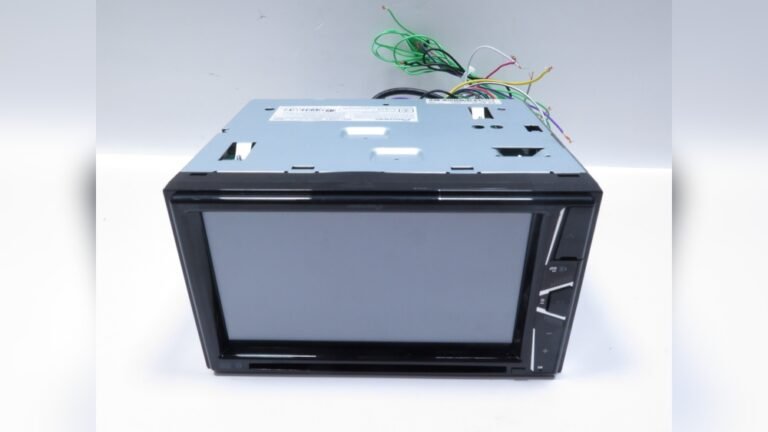
If you want more control over your sound, or plan to add more speakers and amps, upgrading the radio makes sense. Otherwise, adding a sub is a simple and affordable way to boost your car’s audio.
Recommended Further Reading
For detailed wiring diagrams and deeper explanations, check out resources at Crutchfield.

Credit: www.youtube.com
Frequently Asked Questions
Can I Hook Up A Subwoofer Without An Amplifier?
No, most subwoofers need an amplifier to work. The stock radio does not provide enough power. Some powered subs have a built-in amp, which makes installation easier.
What Is A Line Output Converter (loc) And Do I Need One?
A LOC converts the speaker-level signal from your stock radio to RCA outputs for the amplifier. If your amp or sub doesn’t have high-level inputs, you need a LOC.
Will Adding A Subwoofer Void My Car’s Warranty?
Usually, adding a subwoofer does not void your warranty if installed properly. But cutting factory wires or causing electrical problems might affect coverage. Check your car’s warranty terms.
Can I Use Factory Speaker Wires For My Subwoofer?
You should tap into factory speaker wires for the LOC input, not for powering the sub. The actual subwoofer needs power from the amplifier, not from speaker wires.
How Much Does It Cost To Add A Subwoofer To A Stock Radio?
Costs vary. A basic powered sub kit can start at $100–$200. A separate amp and sub setup may cost $200–$500 or more, depending on brand and power.
Adding a subwoofer to your stock radio is one of the best upgrades for better sound. With the right tools and knowledge, you can enjoy deep, powerful bass without changing your factory stereo. Take your time, follow each step, and you’ll transform your car’s audio in just a few hours.