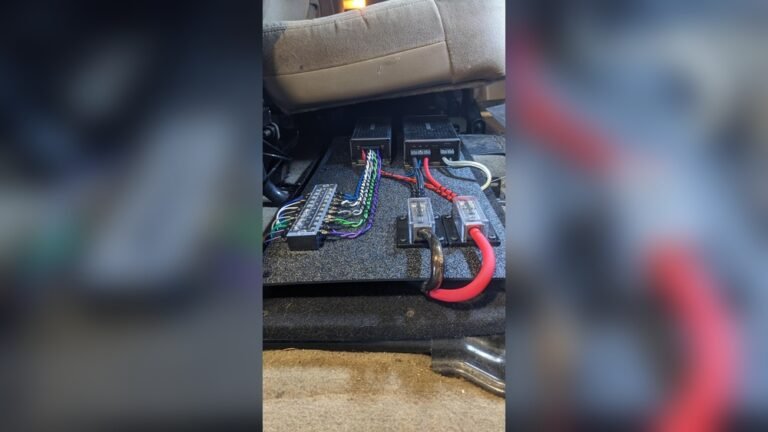
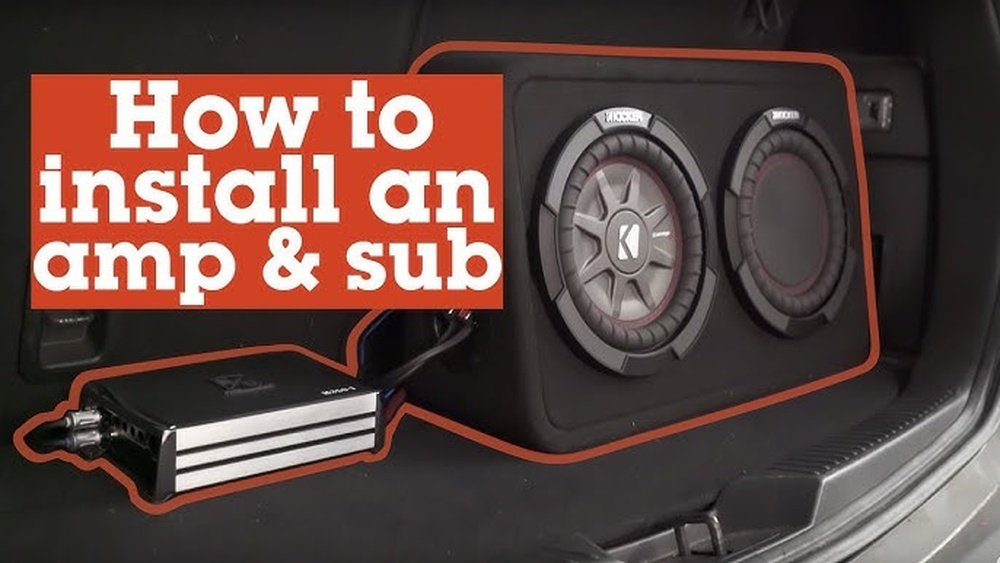
What Amplifier Do I Need for My Subwoofer in Car Stereo?
Car audio can transform your drive, but a weak subwoofer leaves music flat and lifeless. If you want deep bass, matching your subwoofer with the right amplifier is essential. Many beginners buy a random amp, hoping for better sound, but the wrong choice can damage your subwoofer or waste your money.
This guide explains how to pick the perfect amplifier for your subwoofer, using simple language and real examples. Whether you’re new to car audio or just want clearer bass, you’ll learn everything needed for a smart, confident choice.
Why The Right Amplifier Matters
A subwoofer needs power to create deep, loud bass. The amplifier gives this power. If the amplifier is too weak, the bass will sound thin. If it’s too strong, you might damage your subwoofer. Picking the right amp keeps your system safe and sounds great.
- Too little power: Subwoofer sounds weak or distorted.
- Too much power: Subwoofer can overheat or break.
- Matched power: Clean, strong bass with no damage.
Non-obvious insight: Not all “bigger” amplifiers sound better. The key is “matching,” not just buying the most powerful amp you can afford.
Key Terms You Need To Know
Before you choose an amplifier, understand these terms:
- RMS Power: The real power an amp or subwoofer can handle over time. Always use RMS, not “peak” power, when matching.
- Ohms (Impedance): The resistance level, shown as 2 ohms, 4 ohms, etc. Your amp and subwoofer must match in ohms.
- Channels: The number of outputs on the amp. Subwoofers usually use a mono (1-channel) amp.
- Bridging: Combining two channels into one for more power. Useful if you want to run one sub from a two-channel amp.
Example: A subwoofer rated at 300 watts RMS at 4 ohms needs an amplifier that can give about 300 watts RMS at 4 ohms.
How To Match An Amplifier To Your Subwoofer
Matching is not just about numbers. Here’s a simple way to get it right:
- Check your subwoofer’s RMS rating.
- Example: 250 watts RMS.
- Check subwoofer impedance (ohms).
- Example: 4 ohms.
- Find an amp that gives 225-275 watts RMS at 4 ohms.
- Aim for 80-110% of your sub’s RMS rating.
Example Matching
Suppose you have a Pioneer TS-WX300A subwoofer:
- RMS Power: 300 watts
- Impedance: 4 ohms
Look for an amp that offers 250–330 watts RMS at 4 ohms. Never match to the “peak” value (which might say 1,000 watts).
Non-obvious insight: It’s safer to slightly overpower (up to 10%) than underpower. Underpowered amps, if pushed too hard, can send “clipped” signals, which damage subs faster than clean high power.
Types Of Car Amplifiers For Subwoofers
Choosing the type of amplifier is as important as the power.
Mono (single Channel) Amplifiers
- Best for: Single subwoofer setups.
- Why: Designed to deliver lots of power to one speaker.
2-channel And 4-channel Amplifiers
- 2-Channel: Can be bridged to power one sub.
- 4-Channel: Usually for door speakers, but can be bridged for subs if needed.
Class D Vs. Class Ab
- Class D: Most efficient, runs cooler, ideal for subwoofers.
- Class AB: Warmer, less efficient, but sometimes better sound for highs and mids.
Example: Most modern subwoofer amps are Class D because they use less car battery power and stay cool.
Quick Comparison: Amplifier Types
Here’s a simple way to compare amplifier types for subwoofers:
| Amplifier Type | Best Use | Efficiency | Size |
|---|---|---|---|
| Mono (Class D) | Single subwoofer | High | Small/Medium |
| 2-Channel | Two subs or bridged for one | Medium | Medium |
| 4-Channel | Speakers + sub (bridged) | Medium | Large |
How Many Watts Do You Really Need?
Many beginners think “more watts is better. ” But the right answer depends on your subwoofer and how loud you want it.
- Daily driver: 150–400 watts RMS is usually enough for good bass.
- Loud, deep bass: 500–1,000 watts RMS or more, but make sure your car’s electrical system can handle it.
Important: Check your car battery and alternator. Big amps need more power from your car, or you risk dimming lights and electrical problems.
Example Power Matching Table
See how different subwoofers need different amps:
| Subwoofer RMS | Impedance (ohms) | Recommended Amp RMS | Possible Amp Example |
|---|---|---|---|
| 200 watts | 4 ohms | 180–220 watts @ 4 ohms | Alpine MRV-M250 |
| 400 watts | 2 ohms | 350–440 watts @ 2 ohms | Rockford Fosgate R500X1D |
| 600 watts | 4 ohms | 540–660 watts @ 4 ohms | Kicker CXA800.1 |

Credit: www.youtube.com
Wiring And Impedance: The Silent Mistake
Even with the right amp, poor wiring or mismatched impedance ruins everything.
Series Vs. Parallel Wiring
- Series wiring: Increases total ohms (adds up).
- Parallel wiring: Decreases total ohms (halves it).
For example, two 4-ohm subs in parallel = 2 ohms total. Your amp must handle that.
Common Wiring Mistakes
- Wrong amp-sub match: Amp gives too much power at a different ohm load.
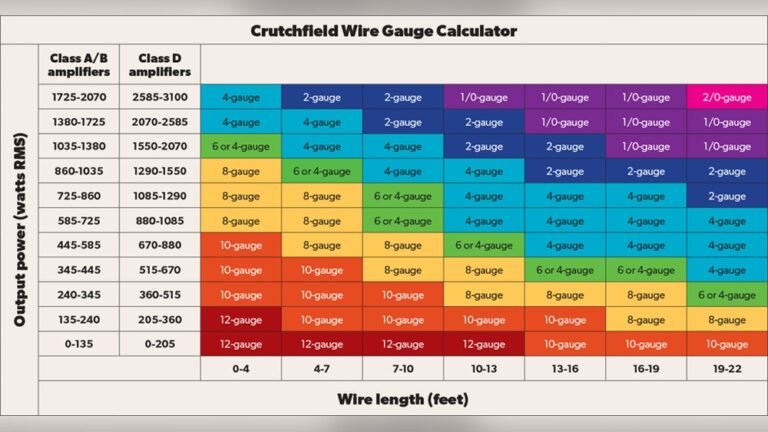
- Thin wires: Can cause overheating and weak sound. Use at least 8-gauge for most sub amps.
Practical Steps To Choose Your Amplifier
Here’s a simple checklist:
- Find your subwoofer’s RMS and impedance.
- Choose amp RMS (80–110% of sub RMS) at correct ohms.
- Pick amp type (mono for one sub, multi-channel for more).
- Check your car’s power system (battery/alternator).
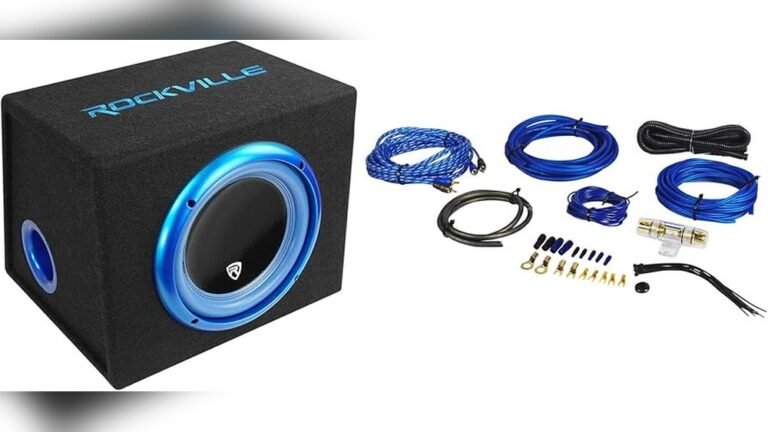
- Buy thick enough power wires (8-gauge or thicker).
- Plan proper grounding for safe installation.
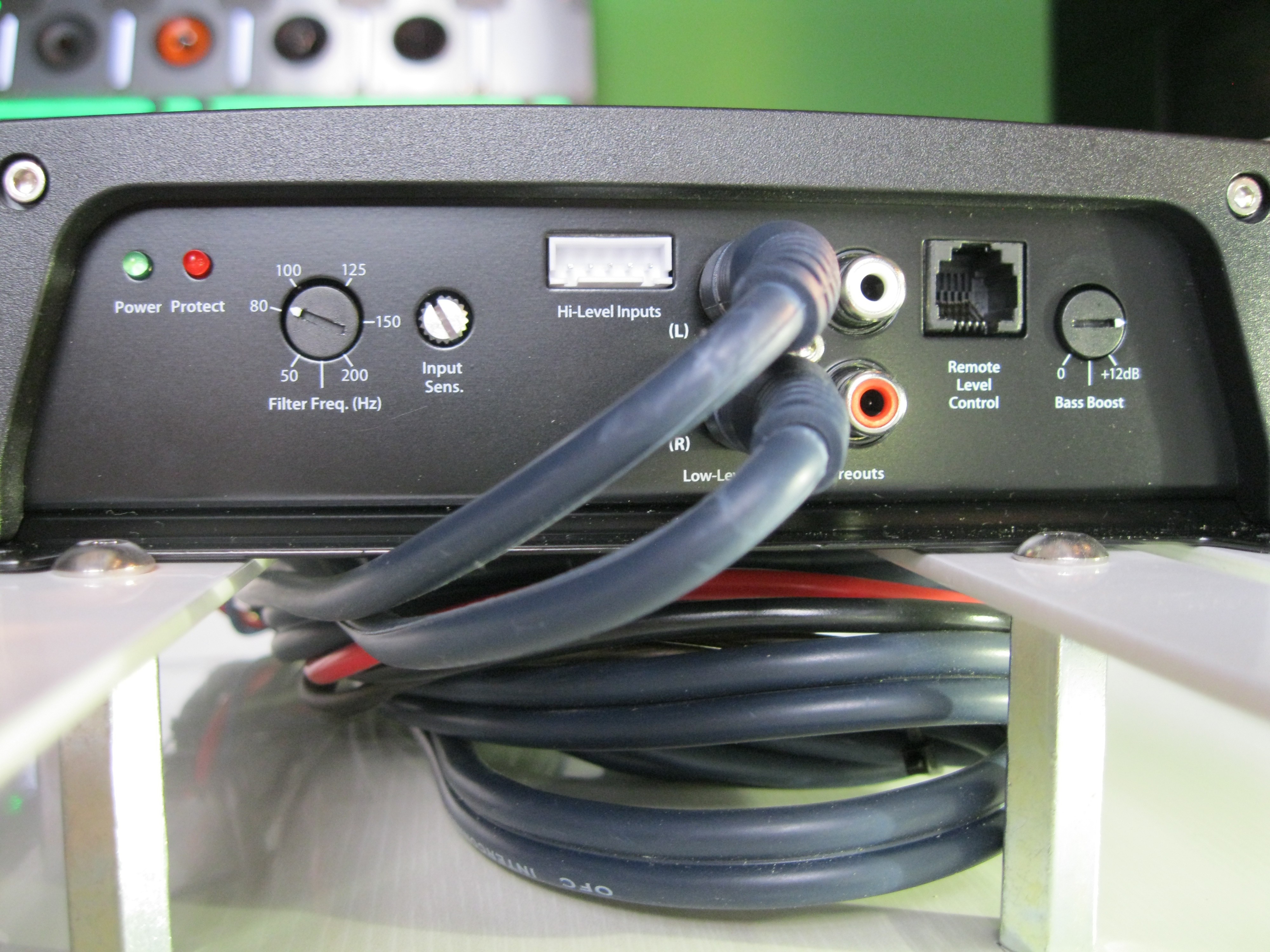
Credit: carstereochick.com
Real-world Example: Matching A Sub And Amp
Let’s say you have a JBL Stage 1220B (RMS: 500 watts, 2 or 4 ohms).
- You want strong bass, daily use.
- You choose a mono Class D amp.
- Look for an amp with 450–550 watts RMS at your sub’s ohm rating.
- Example: The Pioneer GM-D9701 gives 500 watts RMS at 4 ohms.
Now, match wiring and protect your setup with a fuse.
Is A Factory Head Unit Enough?
Many factory radios have weak outputs and no subwoofer controls. Adding an amplifier is the only way to get real bass. Some amps have “high-level” inputs, which connect to factory speaker wires. If your head unit has RCA outputs, use those for the cleanest sound.
Tip: Some amps have built-in “bass boost” or crossovers. These can shape your sound, but don’t overuse them or you’ll risk distortion.
Subwoofer And Amplifier Brands: What To Trust
You don’t need the most expensive brand, but avoid no-name amps with unrealistic power claims. Trusted brands:
- Alpine
- Rockford Fosgate
- Kicker
- Pioneer
- JL Audio
- Kenwood
Always check real RMS ratings, not just “max” or “peak” numbers. Most reputable brands list true RMS.
Smart Upgrades For The Future
As you build your system, consider:
- Bigger alternator: If using 1,000+ watt amps.
- Better battery: For more stable voltage.
- Capacitor: Helps smooth voltage dips, but not always needed for small setups.
Pro tip: Plan your amp so you can upgrade your sub later without buying a whole new amplifier.
Common Beginner Mistakes To Avoid
- Matching amp to “peak” power: Always match by RMS, not peak.
- Ignoring ohms: Wrong impedance match can burn out your amp or sub.
- Too thin wires: Causes poor performance or fire risk.
- No fuse: Always use a fuse within 18 inches of the battery.
- Over-tuning bass boost: Causes distortion and early sub failure.
Quick Reference: Amp Selection Steps
Follow these steps for every subwoofer setup:
| Step | Action | Why |
|---|---|---|
| 1 | Check RMS & Ohms | Find real power and resistance needs |
| 2 | Pick Amp Type | Mono for subs, multi-channel for more speakers |
| 3 | Choose RMS Range | 80–110% of sub RMS for safe, strong sound |
| 4 | Check Wiring Size | Prevents overheating and voltage loss |
| 5 | Fuse Protection | Protects car and equipment from short circuits |
When To Ask A Professional
If you’re unsure about wiring or matching, don’t risk your equipment. Car audio shops can help with:
- Testing your electrical system.
- Custom wiring for maximum safety.
- Setting amplifier gains for clean sound.
Professional help may cost more, but it can save money by preventing mistakes.
Extra Resources
For deeper reading on car audio, the Car Audio Wikipedia page explains more about system components and history.

Credit: www.amazon.com
Final Thoughts
Choosing the right amplifier for your car subwoofer isn’t just about picking the biggest or cheapest box. It’s about matching RMS power, impedance, and amp type for your exact setup. With the right match, your music will sound full, clear, and powerful—without damaging your gear. Take your time, double-check specs, and don’t be afraid to ask for help if you need it. Good sound is worth doing right.
Frequently Asked Questions
What Happens If My Amplifier Is Too Powerful For My Subwoofer?
If your amp gives more RMS power than your subwoofer can handle, you risk damaging the sub. The voice coil can overheat and burn out. However, a small amount of extra power (up to 10%) is usually safe if you don’t set the volume too high.
Can I Run Two Subwoofers On One Amplifier?
Yes, if the amplifier is rated for the total power and impedance of both subs. You must wire them correctly (series or parallel) and make sure your amp can handle the final ohm load.
Is “peak Power” Important When Choosing An Amp?
No, always match by RMS power. Peak power is a marketing number and not useful for real-world listening. Match the amp RMS to the subwoofer RMS for the best and safest sound.
What Size Power Wire Do I Need For My Amplifier?
For most subwoofer amps up to 600 watts RMS, use 8-gauge wire. For 600–1,000 watts, use 4-gauge. For bigger systems, use 0/1-gauge wire. Always use a fuse near the battery for safety.
Do I Need A Capacitor For My Car Amplifier?
Usually, you don’t need a capacitor for systems under 1,000 watts RMS. If your headlights dim when the bass hits, your car’s electrical system may need an upgrade instead of just adding a capacitor.