How to Start Dead Car Battery: Quick and Easy Jumpstart Guide
A dead car battery can ruin your day. You might be heading to work, running errands, or parked at the grocery store. You turn the key, but the engine doesn’t start. Instead, you may hear a weak clicking sound, or nothing at all.
This situation is common, but it doesn’t have to be stressful if you know what to do. Learning how to start a dead car battery is a valuable skill. It can save time, money, and even keep you safe.
Many people, especially beginners, worry that jump-starting a car is risky or complicated. In reality, you only need a few basic tools and the right steps. This guide will explain, in simple language, how to handle a dead car battery.
You will learn why batteries die, what you need to jump-start a car, and step-by-step instructions for different methods. If you follow these tips, you’ll be back on the road in minutes.
Why Car Batteries Die
A car battery can die for many reasons. Some are easy to avoid, while others happen without warning. Understanding these causes helps you prevent future problems.
- Leaving lights on: The most common reason is forgetting to turn off headlights or interior lights.
- Old battery: Most car batteries last 3-5 years. After this, they lose power quickly.
- Extreme temperatures: Very hot or cold weather can drain a battery’s charge.
- Short trips: If you only drive short distances, the battery doesn’t recharge fully.
- Faulty alternator: This part charges the battery. If it’s broken, the battery won’t stay charged.
Example: If your car battery is over 4 years old and you notice slow engine starts, it’s time to check or replace the battery. Regular checks help avoid surprises.
How To Tell If Your Battery Is Dead
It’s important to confirm the battery is the problem before trying to start your car. Here are signs of a dead battery:
- No sound or lights: The dashboard doesn’t light up.
- Clicking sound: You hear a click, but the engine doesn’t start.
- Dim lights: Headlights and dashboard lights are very weak.
- Electrical systems fail: Radio, windows, or locks don’t work.
If you recently left the lights on or the battery is old, it’s likely the battery is dead.
Non-obvious tip: Sometimes, a loose battery cable can cause the same symptoms. Check that the cables are tight and free from corrosion before you jump-start.
Credit: www.rmi.org.za
What You Need To Start A Dead Battery
Before you try to start your car, gather these tools:
- Jumper cables: These thick, insulated cables connect your battery to another car’s battery.
- Working vehicle: You need a car with a healthy battery.
- Safety gear: Gloves and eye protection are helpful.
- Owner’s manual: Check for any special instructions for your car model.
If you don’t have jumper cables or another car nearby, you can use a portable jump starter. This small device has its own battery and cables.
Important: Always read your car’s manual. Some cars, especially hybrids or electric vehicles, may need special steps.
Step-by-step: How To Jump-start A Car With Jumper Cables
Follow these steps carefully. Read all the steps before you begin.
- Park the cars: Place the working car close to yours, but don’t let them touch.
- Turn off both cars: Set both vehicles in park (or neutral if manual). Turn off all lights and electronics.
- Open the hoods: Find the batteries. Remove any covers.
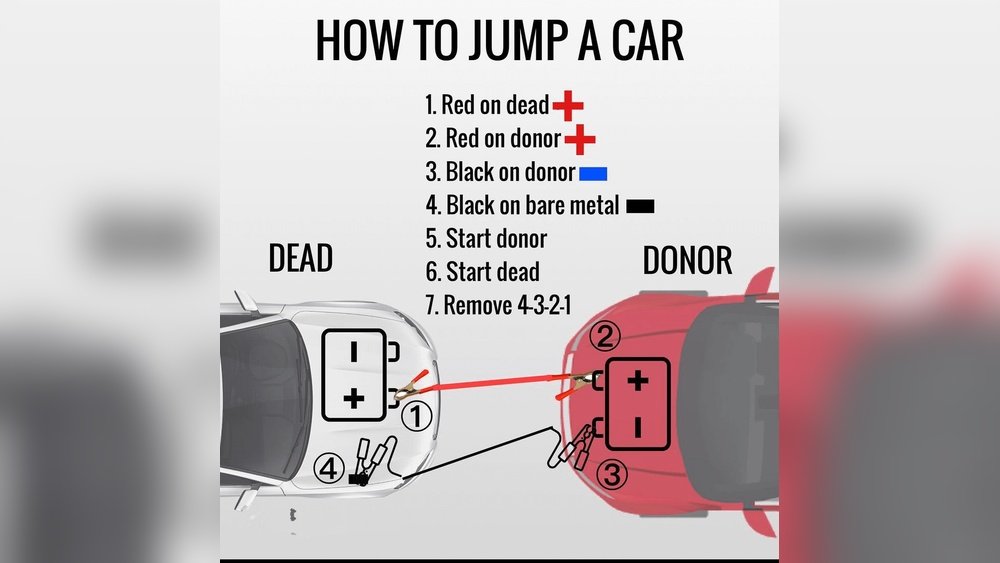
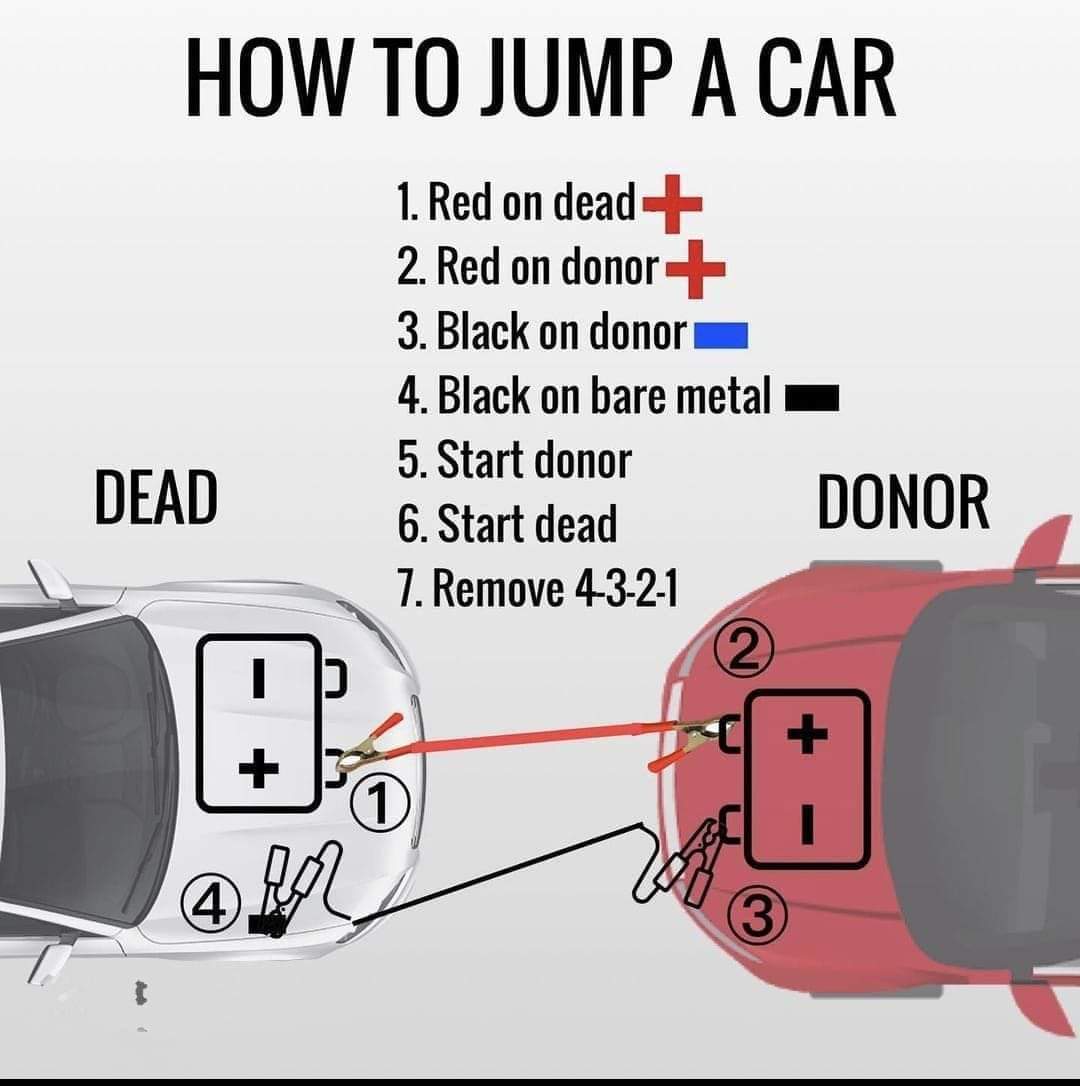
- Attach the red (positive) cable: Connect one end to the positive (+) terminal on the dead battery. Attach the other end to the positive terminal on the working battery.
- Attach the black (negative) cable: Connect one end to the negative (–) terminal on the working battery. Attach the other end to a metal, unpainted surface on the engine block or car frame of the dead car. Do not attach it directly to the dead battery.
- Start the working car: Let it run for a few minutes.
- Try to start your car: If it doesn’t start, wait a few more minutes and try again.
- Remove the cables: Remove in reverse order—black from the metal ground, black from the good battery, red from the good battery, and finally red from your battery.
- Let your car run: Keep your car running for at least 20 minutes to recharge the battery.
Tip: Don’t let the cable clamps touch each other while connecting or removing them. This can cause sparks or damage.
Comparison: Jumper Cables Vs. Portable Jump Starter
If you’re unsure which method is easier, see this quick comparison.
| Feature | Jumper Cables | Portable Jump Starter |
|---|---|---|
| Needs another car | Yes | No |
| Ease of use | Medium | Easy |
| Cost | Low ($15-40) | Medium ($50-100+) |
| Portability | Bulky | Compact |
| Safe for beginners | Requires caution | Safer |
Many beginners find a portable jump starter easier and safer because you don’t need another vehicle.
How To Use A Portable Jump Starter
A portable jump starter is a small, battery-powered device you keep in your car. Here’s how to use it:
- Turn off your car: Make sure the ignition is off.
- Connect the cables: Attach the red clamp to the positive (+) battery terminal, and the black clamp to the negative (–) terminal or a metal surface.
- Turn on the jump starter: Follow the device’s instructions.
- Start your car: Wait a few seconds, then try to start the engine.
- Remove the clamps: Take off the black clamp, then the red.
- Recharge the jump starter: After use, plug it in to recharge.
Example: Most portable jump starters can start a 4-cylinder engine 10-20 times on one charge.
Extra tip: Always keep your jump starter charged. Check it every 3-4 months, especially in cold weather.
Safety Tips For Jump-starting A Car
Jump-starting is usually safe if you follow the steps, but mistakes can be dangerous. Here are important safety tips:
- Check for leaks: Never jump-start a battery that is leaking, cracked, or swollen.
- No smoking: Sparks and batteries don’t mix.
- Protect your eyes: Wear safety glasses if you have them.
- Follow the order: Always connect and disconnect cables in the right order.
- Ventilate: If you’re inside a garage, open the doors to avoid dangerous fumes.
- Keep metal objects away: Remove rings, watches, or jewelry.
Common mistake: Beginners often connect the black cable to the negative terminal on the dead battery. This can cause sparks. Always use a metal ground point instead.
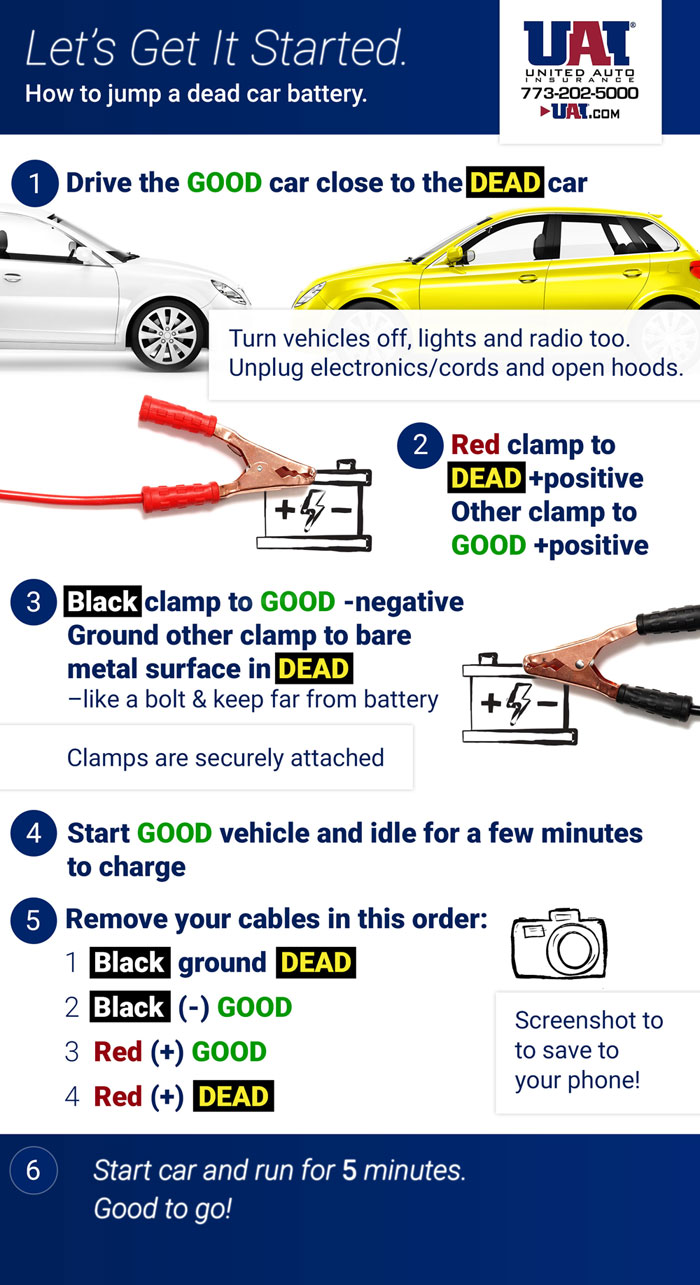
Credit: www.unitedautoinsurance.com
What To Do After Jump-starting
Once your car is running, it’s important to recharge the battery. Simply idling the car may not give a full charge. Here’s what you should do:
- Drive for 20-30 minutes: This helps recharge the battery.
- Avoid turning off the engine: Until you reach your next stop, keep the engine running.
- Check battery health: If your car has trouble starting again, the battery may need replacement.
- Visit a mechanic: Have your battery and charging system tested.
Non-obvious insight: If your car keeps dying after jump-starting, the problem may be the alternator, not the battery.
When Not To Jump-start
Sometimes, jump-starting is not the answer. Here are signs you should call a professional:
- Battery is swollen or leaking: This is dangerous.
- Strange smells: A rotten egg smell can mean a damaged battery.
- Hybrid or electric vehicle: Special steps are needed.
- Repeated battery failure: Underlying electrical problems may exist.
If you’re unsure, it’s always safer to call roadside assistance.
How To Prevent A Dead Battery
Prevention is easier than fixing a problem. Use these tips to keep your battery healthy:
- Turn off all lights: Always check your lights before leaving your car.
- Drive longer trips: Try to drive at least 20 minutes once a week.
- Clean battery terminals: Keep them free of corrosion.
- Test your battery yearly: Especially after 3 years old.
- Keep a jump starter: Carry a charged portable jump starter for emergencies.
Data: According to the AAA, nearly 30% of car breakdowns are caused by dead batteries, especially in hot summer or cold winter months.
Quick Troubleshooting: Is It The Battery Or Something Else?
Before you jump-start, make sure the battery is the real issue. Here’s a quick troubleshooting table:
| Symptom | Likely Cause | What to Do |
|---|---|---|
| No lights, no sound | Dead battery or loose cable | Check cables, try jump-start |
| Clicking sound | Weak battery | Jump-start |
| Engine cranks, won’t start | Fuel or ignition issue | Call mechanic |
| Lights work, engine silent | Starter problem | Call mechanic |
This table helps you quickly decide if jump-starting is the right solution.
What If The Jump-start Doesn’t Work?
If your car doesn’t start after a few tries, don’t panic. Try these steps:
- Check cable connections: Make sure they are secure and clamps touch bare metal.
- Wait a few minutes: Sometimes the battery needs more time to charge.
- Try again: Give it another try with the cables connected.
- Call for help: If nothing works, the battery or another part may need replacement.
Tip: Sometimes batteries are too weak or damaged to accept a jump-start.
How Long Does A Car Battery Last?
Most car batteries last 3 to 5 years. Factors like climate, driving habits, and battery quality affect lifespan.
- In very hot climates, batteries may only last 2-3 years.
- In cold areas, batteries work harder and may fail sooner.
Example: If you live in Arizona or Minnesota, check your battery after two years.
Statistic: Over 50% of battery failures happen with no warning. Regular checks save headaches.
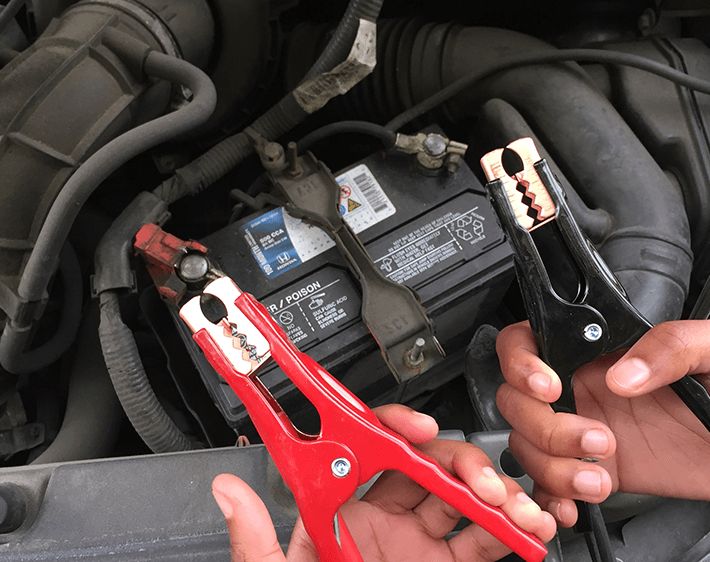
Credit: www.firestonecompleteautocare.com
Environmental Impact: Battery Disposal
Never throw a dead car battery in the trash. Car batteries contain lead and acid, which are dangerous for the environment.
- Take your old battery to an auto parts store or recycling center.
- Many stores give a small refund for recycling.
Resource: For more on safe disposal, visit the EPA’s official guidelines.
Frequently Asked Questions
How Long Should I Leave Jumper Cables Connected?
Leave the jumper cables connected for about 2-5 minutes after starting the working car. This gives your dead battery time to charge. If your car doesn’t start after 10 minutes, the battery may be too weak.
Can I Jump-start A Car In The Rain?
Yes, you can jump-start a car in the rain. Car electrical systems are protected, but always use caution. Avoid standing in water and keep the cables away from moving parts.
Is It Safe To Jump-start A Hybrid Or Electric Car?
No, do not use regular jumper cables on hybrids or electric vehicles unless your car manual says it’s safe. These cars have different systems. Call a professional or check your manual first.
What Should I Do After Jump-starting My Car?
After jump-starting, drive your car for 20-30 minutes to let the alternator recharge the battery. If possible, have your battery checked by a mechanic soon.
Why Did My Battery Die Again So Soon?
If your battery dies again quickly, it may be old, damaged, or your alternator is not working. Get your battery and charging system tested as soon as possible.
Getting stuck with a dead car battery is never fun, but it’s a problem you can solve with the right steps. By understanding the causes, using proper tools, and following safety rules, you can confidently jump-start your car and get moving.
Remember to keep your battery in good shape and be prepared for emergencies. If you’re ever unsure, don’t risk it—ask for help from a professional.