How Can You Tell If a Speaker is Blown
How Can You Tell If A Speaker Is Blown
Speakers make music, movies, and games come alive. But sometimes, the sound starts to change. It may get fuzzy, weak, or stop working. Many people wonder, “Is my speaker blown? ” Knowing how to check can save time and money.
You do not need to be an expert. With a few simple steps, anyone can spot a blown speaker. In this guide, you will learn the signs, causes, and easy tests to check your speaker.
What Does “blown Speaker” Mean?
A blown speaker means the speaker is damaged and does not work as it should. The damage can be small or serious. Sometimes, only certain sounds are lost. Other times, the speaker makes no sound at all.
Common types of speaker damage:
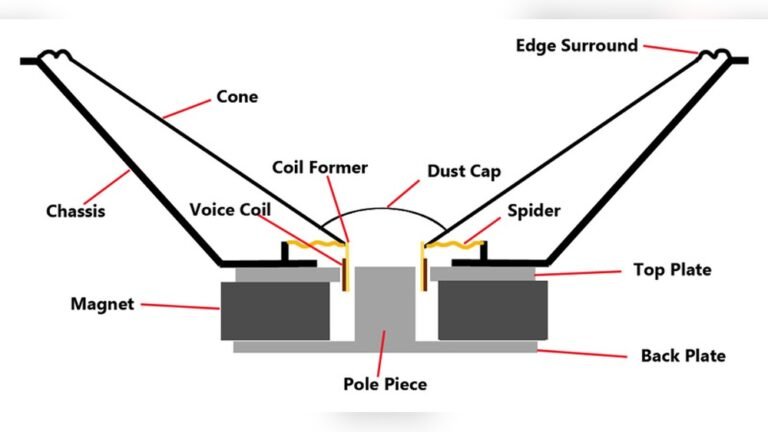
- Voice coil damage: The thin wire inside is burnt or broken.
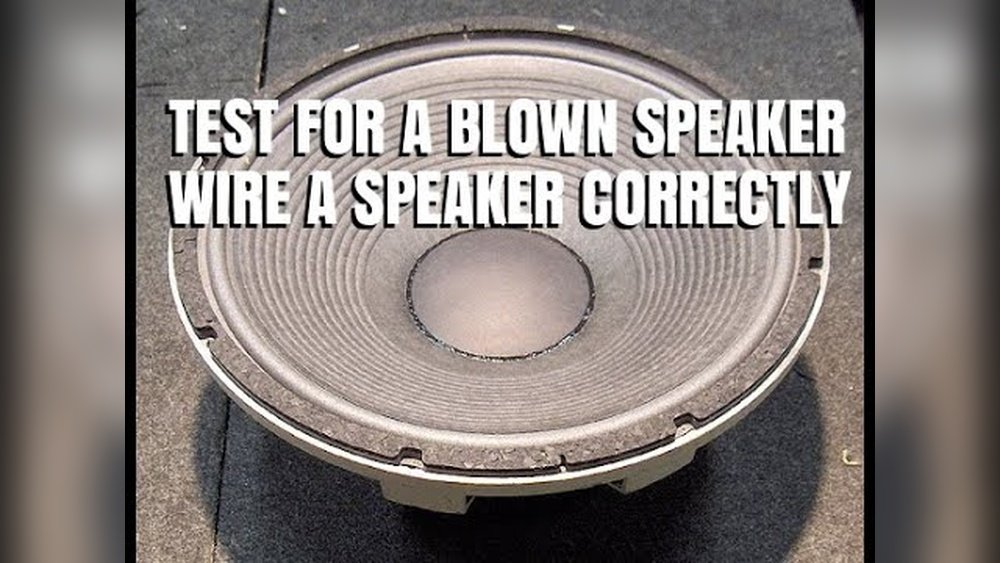
- Cone damage: The paper or plastic part is ripped or torn.
- Suspension failure: Parts holding the cone are loose or broken.
Not all speaker problems are from being “blown. ” Sometimes, wires or settings cause trouble. That’s why checking carefully is important.
Main Signs Of A Blown Speaker
You can spot a blown speaker with your ears and eyes. Here are the most common signs:
1. Distorted Sound
The clearest sign is distorted sound. Music or voices may sound fuzzy, harsh, or crackly. It may get worse at higher volumes.
- Buzzing: A strong buzz or hum, even when no music plays.
- Crackling: Sudden pops or static noises.
- Fuzziness: Instruments and voices are not clear.
2. Loss Of Frequency Range
A blown speaker often cannot play all sounds.
- No bass: Deep sounds disappear.
- No treble: High notes are missing.
- Midrange loss: Voices sound far away or hollow.
3. Low Or No Volume
Sometimes, the speaker works but is very quiet. Even at high volume, it sounds soft. In other cases, it makes no sound at all.
4. Physical Damage
Look closely at the speaker cone and parts. Signs include:
- Tears, holes, or dents in the cone.
- Loose or broken pieces inside the grill.
- Burnt smell near the speaker.
5. Rattling Or Vibrating Noises
A healthy speaker should sound clean. If you hear rattles, buzzing, or shaking, parts may be loose or damaged.
Non-obvious insight: Sometimes, a blown speaker works at low volume but fails when turned up. Testing at different volumes helps catch hidden problems.

Credit: cinemaximiliaan.org
How To Test If A Speaker Is Blown
You do not need special tools for basic tests. Here’s how to check:
Step 1: Listen Carefully
- Play music you know well at a low volume.
- Slowly turn up the volume.
- Listen for sudden changes, distortion, or silence.
Step 2: Test With Different Sources
- Try radio, streaming, or a CD.
- If all sound bad, the speaker is likely the problem.
- If only one source is bad, check cables or settings.
Step 3: Swap Channels
- If you have two speakers, switch the left and right cables.
- Does the problem move with the speaker? If yes, the speaker is likely blown.
Step 4: Visual Inspection
- Remove the grill and look for visible damage.
- Gently press the cone. It should move smoothly, not scratch or stick.
Step 5: Use A Multimeter (optional)
If you have a multimeter (a simple tool), check the speaker’s resistance.
- Set the meter to ohms (Ω).
- Touch the meter leads to the speaker’s terminals.
- A normal speaker shows a value close to its rating (usually 4 or 8 ohms).
Table: Typical Multimeter Readings
| Speaker Type | Normal Reading (Ohms) | Blown Reading |
|---|---|---|
| Car Speaker | 3.5 – 4.5 Ω | 0 or infinite (open) |
| Home Speaker | 7 – 8.5 Ω | 0 or infinite (open) |
| Headphone Driver | 28 – 34 Ω | 0 or infinite (open) |
Pro tip: If the reading is 0 or “OL” (open loop), the speaker is blown.
Common Causes Of Blown Speakers
Why do speakers fail? Here are the main reasons:
1. Too Much Power
Playing music too loud can overload the speaker. The voice coil heats up and may burn or break.
2. Poor Amplifier Matching
A powerful amp can push too much energy into a small speaker. Always match speaker and amp power ratings.
3. Distorted Input
If the sound source is already distorted, it can damage the speaker over time.
4. Physical Damage
Dropping the speaker, poking the cone, or letting dust build up can cause problems.
5. Age And Wear
Older speakers naturally wear out. The parts become weak or brittle.
Non-obvious insight: Even a short burst of very loud sound (like a sudden “pop” from plugging in a cable) can blow a speaker instantly.

Credit: www.wikihow.com
Difference Between Blown And Bad Connection
Many beginners confuse a blown speaker with a loose wire or bad connection. Here is how you can tell the difference:
Blown speaker:
- Distorted or no sound from only one speaker
- Problem stays with the speaker even if moved
Bad connection:
- Sound cuts in and out when you touch the wire
- All speakers may stop working at once
- Fixes when you jiggle or replace cables
Table: Speaker Issue Comparison
| Issue | Blown Speaker | Bad Connection |
|---|---|---|
| Sound Quality | Distorted, missing parts | Intermittent, crackles |
| Visible Damage | Often visible | None |
| Fix | Replace or repair speaker | Reconnect or replace cable |
What To Do If Your Speaker Is Blown
Finding out your speaker is blown is frustrating. Here are your options:
1. Repair
Some speakers (especially expensive ones) can be repaired.
- Replace the cone: If only the paper or plastic is damaged.
- Fix the coil: Needs special tools and skill.
Repair is best for large or valuable speakers. For small ones, repair may cost more than a new speaker.
2. Replace
For most home and car speakers, replacement is easier and often cheaper.
- Match the size, power, and ohm rating to your old speaker.
- Consider upgrading for better sound.
3. Prevent Future Damage
- Keep volume at safe levels.
- Use the right amplifier.
- Avoid sudden loud pops.
- Check wires and connections often.
Table: Repair vs Replace
| Option | Cost | Time | When to Choose |
|---|---|---|---|
| Repair | Medium to High | Days to weeks | Expensive or rare speakers |
| Replace | Low to Medium | Minutes to hours | Common home or car speakers |

Credit: plattar.com
Real-world Examples
Seeing how others spot blown speakers can help.
- Home theater: John’s right speaker made a loud crackle during movies. Swapping it with the left speaker moved the problem. The cone had a small tear. Replacing the speaker fixed it.
- Car audio: Sarah’s music lost all bass. She checked the wires, but they were fine. The multimeter showed “OL” on the speaker terminals—her speaker was blown from playing too loud.
- Bluetooth speaker: Mike’s speaker buzzed at any volume. Opening it, he saw the coil was blackened. The speaker had overheated.
These examples show that simple tests and checks can reveal the problem.
When To Call A Professional
If you are unsure, or the speaker is expensive, see a pro. Signs you need help:
- Speaker is built into a wall or car dashboard
- No visible damage, but sound is still bad
- You do not have the right tools
A professional can test, repair, or replace the speaker safely.
For more on speaker repair and troubleshooting, visit the Loudspeaker Wikipedia page.
Frequently Asked Questions
Why Does My Speaker Sound Fuzzy?
A fuzzy or distorted sound often means the speaker cone or voice coil is damaged. It may also be caused by a weak connection. Try swapping cables or testing with another source to be sure.
Can I Fix A Blown Speaker Myself?
Small repairs, like patching a torn cone, are possible with glue or a repair kit. Fixing a burnt coil is much harder and needs skill. For most people, replacing the speaker is easier.
How Can I Prevent Blowing My Speakers?
Keep the volume at safe levels, avoid pushing the speaker beyond its power rating, and check connections often. Use a good quality amplifier that matches your speaker’s rating.
Is It Safe To Keep Using A Blown Speaker?
A blown speaker can damage your amplifier or other speakers. It may also make strange noises or stop working fully. It is best to repair or replace it as soon as possible.
What Is The Difference Between A Blown Speaker And A Muted Speaker?
A blown speaker is physically damaged and cannot play sound correctly. A muted speaker is simply turned off or set to zero volume in the settings. Double-check your device volume and settings before testing for damage.
Knowing how to spot a blown speaker saves you time and money. With careful listening, simple tests, and a few tools, anyone can check their speakers at home. Remember, safe use and regular checks keep your sound system working its best.