Can You Bridge a Head Unit: Unlock Better Car Audio Sound
Can You Bridge A Head Unit
When you install a car audio system, you may want more power and better sound. Many people ask, “Can you bridge a head unit?” Bridging is a common trick in car audio, but not always possible with every device. If you’re a beginner, this guide will help you understand what bridging means, how it works, and what you can—and cannot—do with your head unit.
What Does “bridging” Mean In Car Audio?
Bridging is a method to combine two amplifier channels into one. This increases the power output to a single speaker, usually a subwoofer. For example, if you have a 2-channel amp that gives 50 watts per channel, bridging can give you around 100 watts to one speaker.
- Bridging is often used to get more power for one speaker.
- It is popular for subwoofers and high-power speakers.
- You need compatible equipment to bridge safely.
Bridging works by combining the positive terminals of two channels. The result is a higher voltage and, therefore, more wattage. But there are limits—especially when it comes to head units.
Can You Bridge A Head Unit?
Most head units (the main stereo in your car) cannot be bridged. Here’s why:
- Head units usually have built-in amplifiers that are weak.
- These amps are often designed for only 2 to 4 channels.
- The design does not support bridging, unlike external amplifiers.
A typical head unit puts out about 15–25 watts RMS per channel. External amplifiers can provide 50 watts or more per channel, and are often made to be bridged.
Why Head Units Cannot Be Bridged
- Internal circuits are not made for bridging.
- Trying to bridge can damage the head unit or speakers.
- Wiring for bridging is not included in head units.
If you look at the manual for most car stereos, you’ll see there is no mention of bridging outputs. This is because the electronics inside are limited.
Example: Comparing Head Unit And Amplifier
Here’s a quick data table to show the difference:
| Device | Channels | Power Per Channel (RMS) | Bridging Supported? |
|---|---|---|---|
| Basic Head Unit | 4 | 20 watts | No |
| 2-Channel Amplifier | 2 | 50 watts | Yes |
| 4-Channel Amplifier | 4 | 50 watts | Yes (2 channels bridged) |
This shows that bridging is meant for amplifiers, not head units.
What Happens If You Try To Bridge A Head Unit?
Some beginners try to connect the speaker wires from two channels to one speaker, hoping for more power. This is risky.
- You can damage the head unit permanently.
- You may blow your speakers due to uneven power.
- Sound may be distorted or lost completely.
Most head units have safety features, but forced bridging can bypass these and cause failure.
Real-life Example
A user on a car audio forum tried to bridge his 4-channel head unit to a subwoofer. The result:
- Head unit overheated and stopped working.
- Warranty was voided due to misuse.
- Subwoofer did not get enough power and sounded weak.
This example shows why you should not bridge a head unit.
Alternative Ways To Get More Power
If you want more power for your speakers or subwoofer, there are safer and smarter solutions.
1. Use An External Amplifier
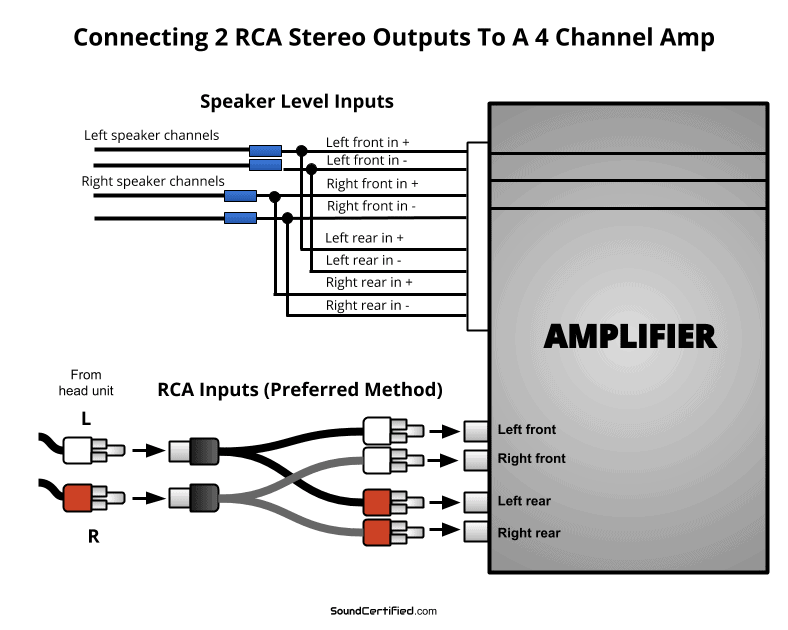
Amplifiers are made for bridging. You can connect them to your head unit’s outputs (usually RCA jacks).
- More power and better sound quality.
- Safe bridging options.
- Can drive large speakers or subwoofers.
2. Upgrade Your Head Unit
Some premium head units have stronger built-in amps, but still cannot be bridged. Look for models with higher RMS ratings if you want a little boost.
3. Add Powered Speakers
Powered speakers have their own internal amp. They connect directly to the head unit and do not need bridging.
- Easy installation.
- No risk of damage.
- Good for small cars or basic upgrades.

Credit: stingerdrive.com
Understanding Head Unit Outputs
To help you understand what your head unit can do, here’s a table showing common output types:
| Output Type | Purpose | Can Be Bridged? |
|---|---|---|
| Speaker Output | Drives door speakers | No |
| RCA Preamp Output | Connects to external amplifier | No (but amp can bridge) |
| Subwoofer Output | Connects to powered subwoofer | No |
This shows that bridging is not possible at the head unit level. The amp is where bridging happens.
Common Misconceptions About Bridging
Many beginners mix up bridging and other wiring tricks. Here are some myths:
- “I can bridge any stereo”: Not true. Only amplifiers made for bridging can do it.
- “Bridging gives double power”: Bridging increases power, but not always double. It depends on the amp’s design.
- “Head units can power subwoofers if bridged”: Not possible. Head units are too weak for subwoofers.
Understanding these points can save you time and money.

Credit: soundcertified.com
How To Upgrade Your System For Bridging
If you want to use bridging, here’s how you can do it safely:
- Buy an external amplifier with bridging capability.
- Connect your head unit’s RCA outputs to the amp’s inputs.
- Use the amp’s bridging instructions to wire your speakers.
- Check impedance (ohms) and power ratings before connecting.
Example: Bridging A 4-channel Amp
Let’s say you have a 4-channel amp. You want more power for a subwoofer.
- Bridge channels 3 and 4 to drive a single subwoofer.
- Channels 1 and 2 drive front speakers.
- Make sure your subwoofer matches the amp’s bridged power and impedance.
This setup gives you more power, better bass, and keeps your head unit safe.
Technical Details: Why Head Units Lack Bridging
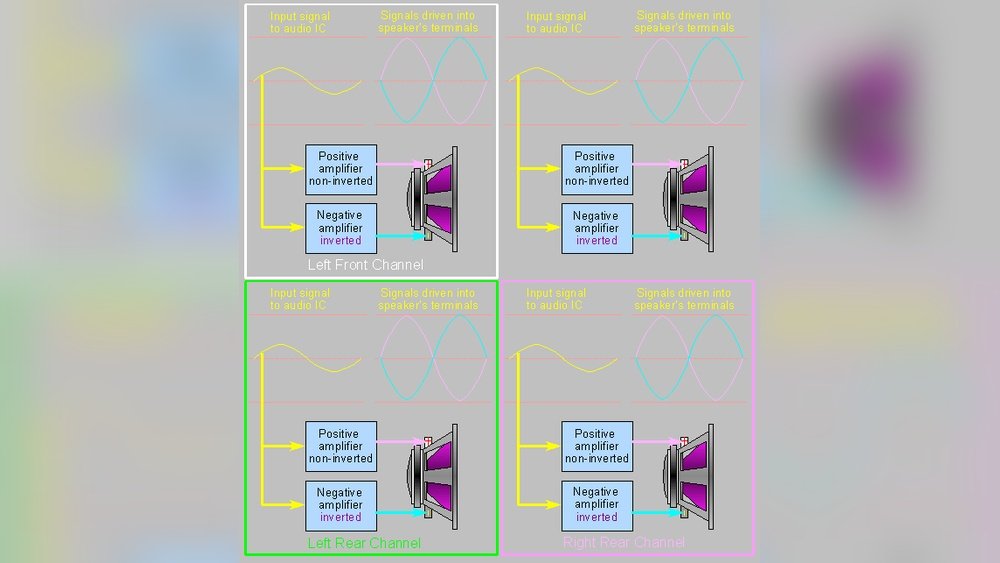
Head units use single-ended outputs. Amplifiers often use push-pull outputs that allow bridging.
- Head units are designed for small loads (door speakers).
- Internal amps are weak and not made for bridging.
- Bridging needs special circuit design and heat protection.
For more technical information, check this resource: Wikipedia: Audio Power Amplifier.
What To Look For In An Amplifier For Bridging
When shopping for an amp, look for these features:
- Bridging capability: Not all amps can be bridged.
- RMS power output: Check the bridged power rating.
- Minimum impedance: Make sure your speakers match the amp.
Here’s a table comparing two amplifiers:
| Amplifier Model | Bridging Supported | Bridged Output (RMS) | Minimum Impedance |
|---|---|---|---|
| Alpine MRV-F300 | Yes | 150 watts x 2 | 4 ohms |
| Pioneer GM-A6704 | Yes | 170 watts x 2 | 4 ohms |
These models can be bridged safely and offer much higher power than a head unit.
Non-obvious Insights Beginners Miss
- Bridging is not always needed: If your speakers are efficient (high sensitivity), you may not need to bridge. Sometimes upgrading the speaker is enough.
- Impedance matters: Bridging an amp lowers the minimum speaker impedance. Using the wrong speakers can damage your amp. Always check the specs.
Practical Tips For Better Car Audio
- Use your head unit for signal, not power.
- Invest in a quality external amplifier.
- Follow wiring diagrams carefully.
- Use proper speaker wire gauge for higher power.
These steps will give you safer upgrades and better sound.
Frequently Asked Questions
Can I Bridge My Factory Head Unit?
No, factory head units do not support bridging. Their built-in amps are too weak and lack the right circuits. You risk damaging your stereo and speakers.
Will Bridging A Head Unit Improve Bass?
No. Bass is powered by strong amplifiers, not head units. If you want more bass, use an external amp and a subwoofer, not bridging tricks.
Is It Safe To Connect Two Head Unit Channels To One Speaker?
It is not safe. This can cause overheating, distortion, and even permanent damage. Always use one channel per speaker, or use an amplifier for bridging.
Can I Use A Head Unit To Power A Subwoofer?
You cannot use a head unit to power a real subwoofer. Subwoofers need more power than head units can provide. Use a dedicated amplifier for subwoofers.
How Do I Know If My Amplifier Can Be Bridged?
Check your amplifier’s manual or specs. Look for “bridging” instructions and power ratings. If your amp supports bridging, it will show how to wire it correctly.
Credit: soundcertified.com
Final Thoughts
Trying to bridge a head unit is a mistake beginners often make. Head units are not designed for bridging, and doing so can cause problems. If you need more power, use an external amplifier made for bridging. This gives you better sound, more bass, and keeps your equipment safe.
Always check your equipment’s manual and specs before making changes. Upgrading the right way helps you avoid damage and enjoy your car audio for years.